Kalervo N. Gulson
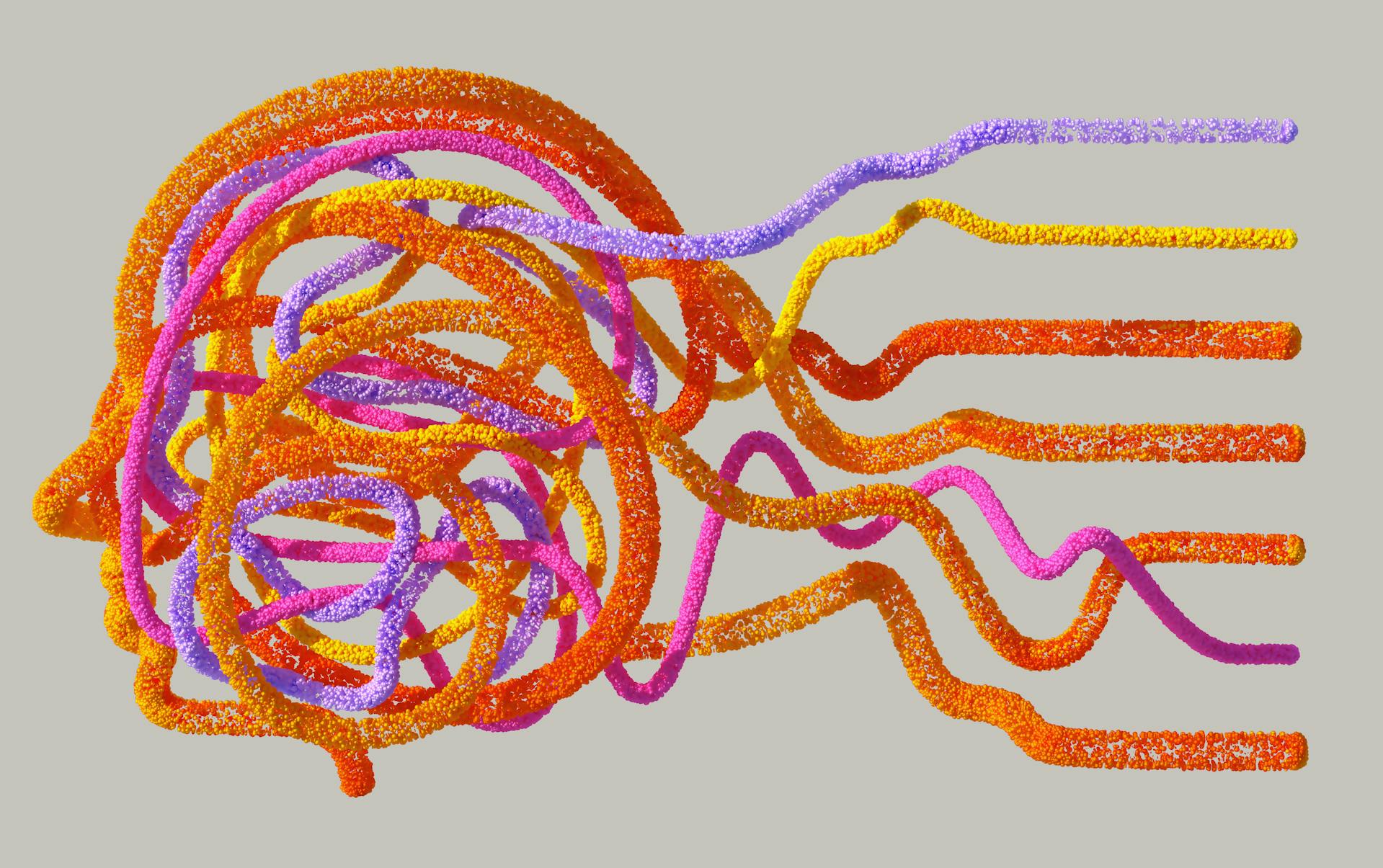
Democracy is a set of processes that create spaces for dissensus and radical equality. Greg Thompson and Kalervo N. Gulson argue that nowhere is the lack of democratic spaces more evident than in the field of technology and its impact on institutions and life Read more
Elisa Bellè
The study of the populist radical right has recently turned to localism. Elisa Bellè argues that this is related to the distinctly territorial nature of some of its recent successes. Read more
Mahir Yazar
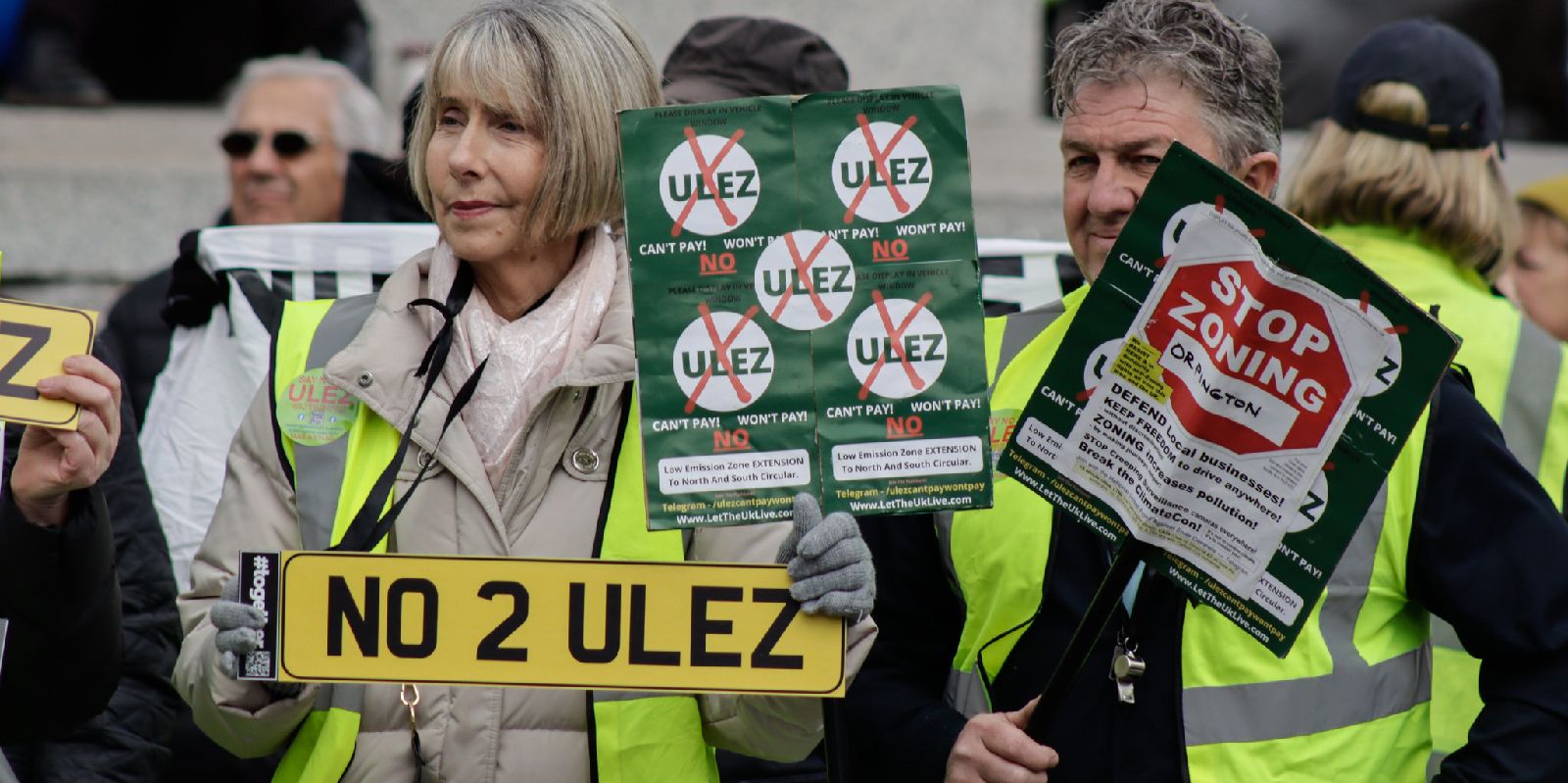
In Germany, climate protesters are demanding diesel bans in cities. Norwegian activists are calling for the abolition of urban road tolls. But in cities across the world, writes Mahir Yazar, populists are rising up to challenge these progressive climate movements Read more
Henrik Skaug Sætra
Democracy is facing serious challenges. Some are contemplating whether artificial intelligence (AI) could help revitalise it. AI is, after all, heralded as the solution to a broad range of social and political challenges. Henrik Skaug Sætra argues that AI does indeed offer some hope, but also serious potential pitfalls Read more
Davide Genini
Switzerland held the first Ukraine Peace Summit in June 2024. After several peace proposals, the Summit marked the first significant diplomatic step towards a 'comprehensive, just and lasting' peace in Ukraine. Davide Genini examines the main results of the Summit, placing them in the context of an increasingly complex geopolitical landscape Read more
Eva Anduiza
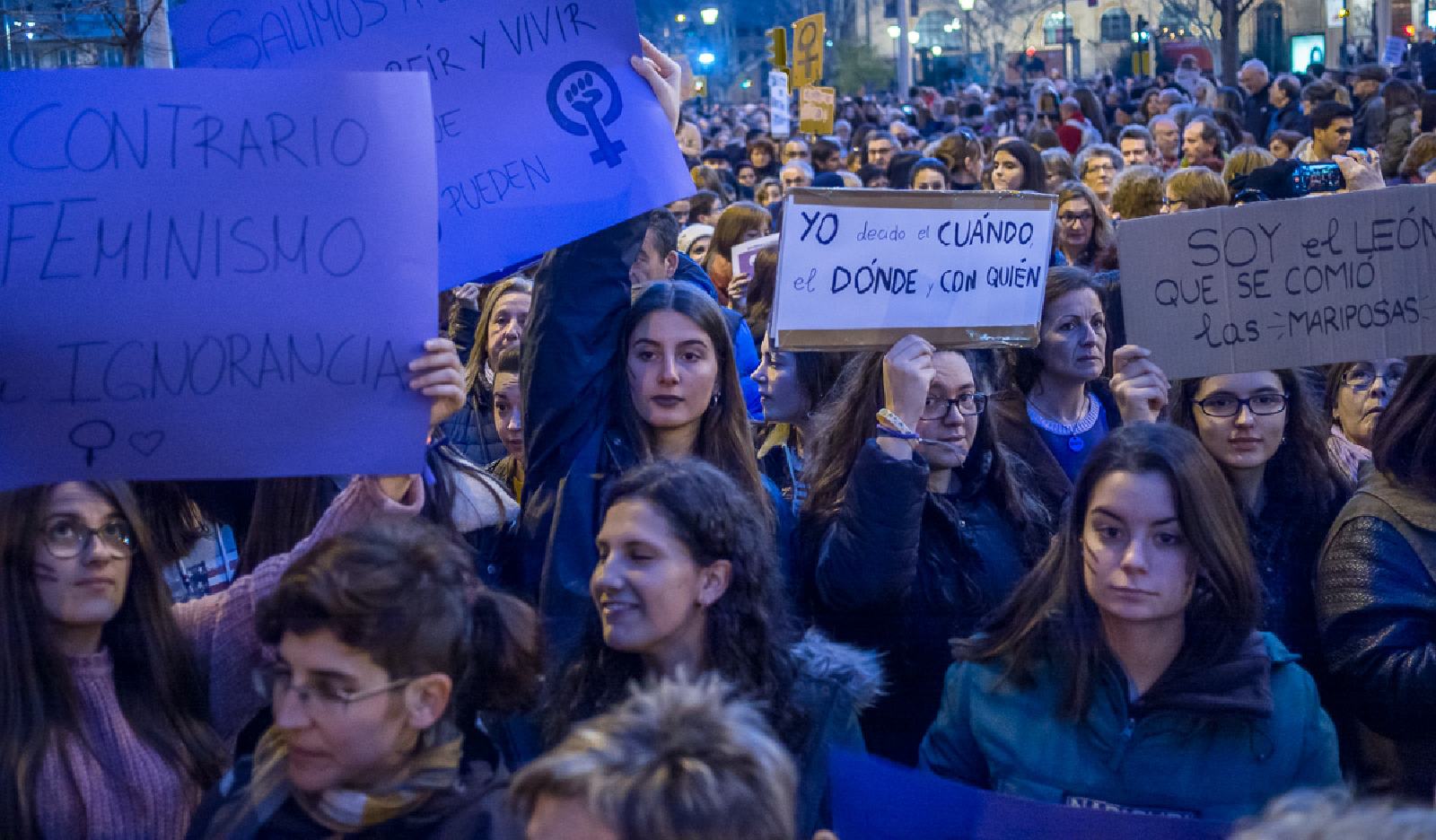
Eva Anduiza and Guillem Rico argue that sexist attitudinal backlash is partially responsible for the rise of the Spanish radical populist right. The electoral consequences of changes in sexist attitudes seem to be related more to heightened feminist mobilisation than to the increasing visibility and normalisation of the radical right Read more
Tomasz Gola
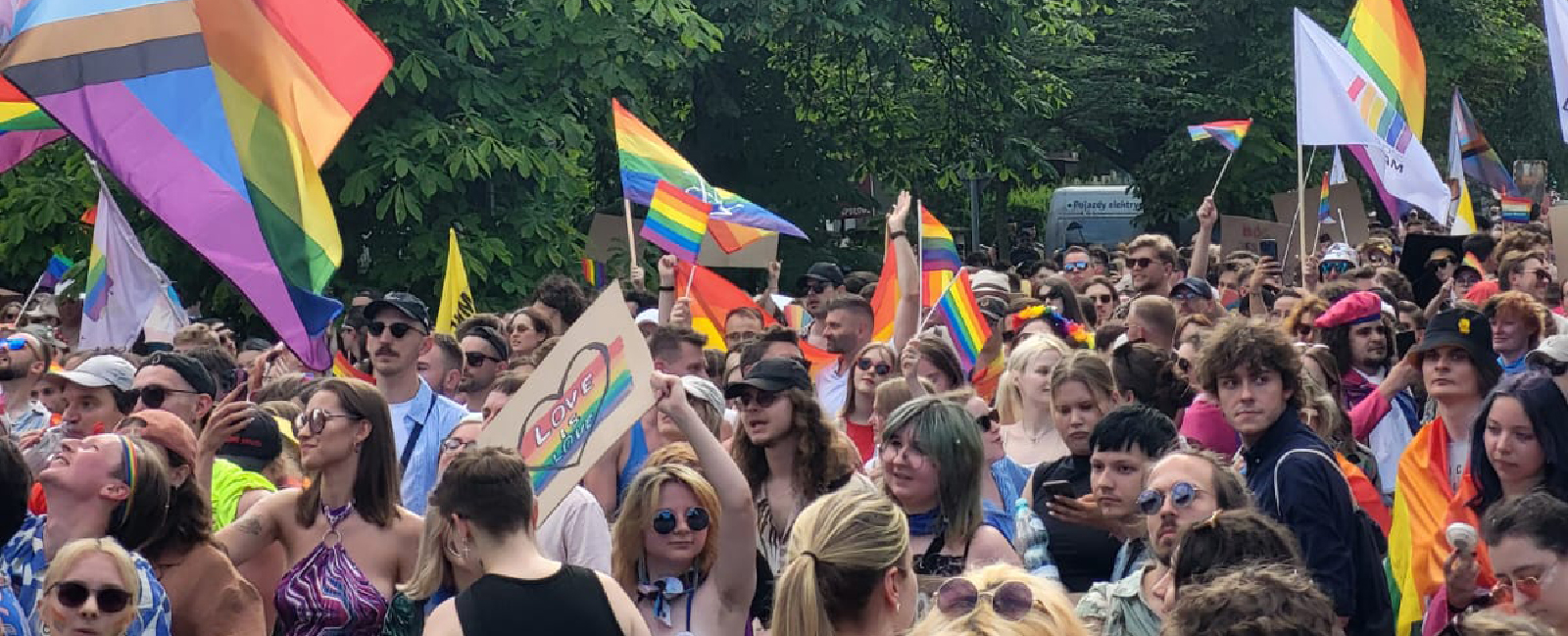
In the EU's most homophobic country, Poznań stands out as a beacon of queer acceptance and activism. Polish native Tomasz Gola explores the ways this city has become queer-friendly, highlighting the role of local NGOs, cultural receptivity, and proactive governance in its transformation Read more
Giovanni Capoccia
In calling a snap election Emmanuel Macron aimed to achieve 'clarity' on the will of French voters after defeat of his presidential list in the European elections by Marine Le Pen's far-right Rassemblement National (RN). Giovanni Capoccia explores the wisdom of this move in light of the outcome Read more
We use necessary cookies to make our site work. We'd also like to set analytics cookies that help us make improvements by measuring how you use the site. These will be set only if you accept.
▼
Strictly Necessary Cookies
Necessary cookies enable core functionality such as security, network management, and accessibility. You may disable these by changing your browser settings, but this may affect how the website functions.
▼
Analytics Cookies
Google Analytics
We'd like to set Google Analytics cookies to help us improve our website by collecting and reporting information on how you use it. The cookies collect information in a way that does not directly identify anyone. For more information on how these cookies work please see our Privacy Notice.