Gabriela Borz
The Romanian presidential elections reveal the dangers of unregulated digital electoral campaigning, argues Gabriela Borz. To combat the risks and control the output, democracies should take urgent regulatory measures, and improve their citizens’ digital skills Read more
Greta Groß
The current polycrisis is causing governments to behave in a reactive, short-termist way. But to allay anxiety and uncertainty, democratic leaders should craft positive stories about their countries' future. Political pessimism, argues Greta Groß, only risks inciting populist 'retrotopias' Read more
Frank Schimmelfennig
The EU is caught in a dilemma between its geopolitical urge to enlarge and the high institutional standards for membership. Frank Schimmelfennig argues that differentiated integration would help square the circle. Committed candidate countries could join fast, but only enjoy full rights and benefits of membership conditional on institutional progress Read more
Fabian Habersack
Political parties often adjust their policies to address emerging issues, or to attract — or regain — support. However, warns Fabian Habersack, such strategic pivots carry significant risks, especially if parties misjudge their electoral potential Read more
Didem Unal Abaday
Islamist anti-gender actors in Turkey celebrated Donald Trump’s recent victory in the 2024 US presidential election. They believe it will reinforce a growing transnational backlash against gender equality and LGBTI+ rights. Didem Unal Abaday argues that Trump's return to power will indeed strengthen the global anti-gender movement The US election and resistance to gender ideology […] Read more
Iryna Nesterenko
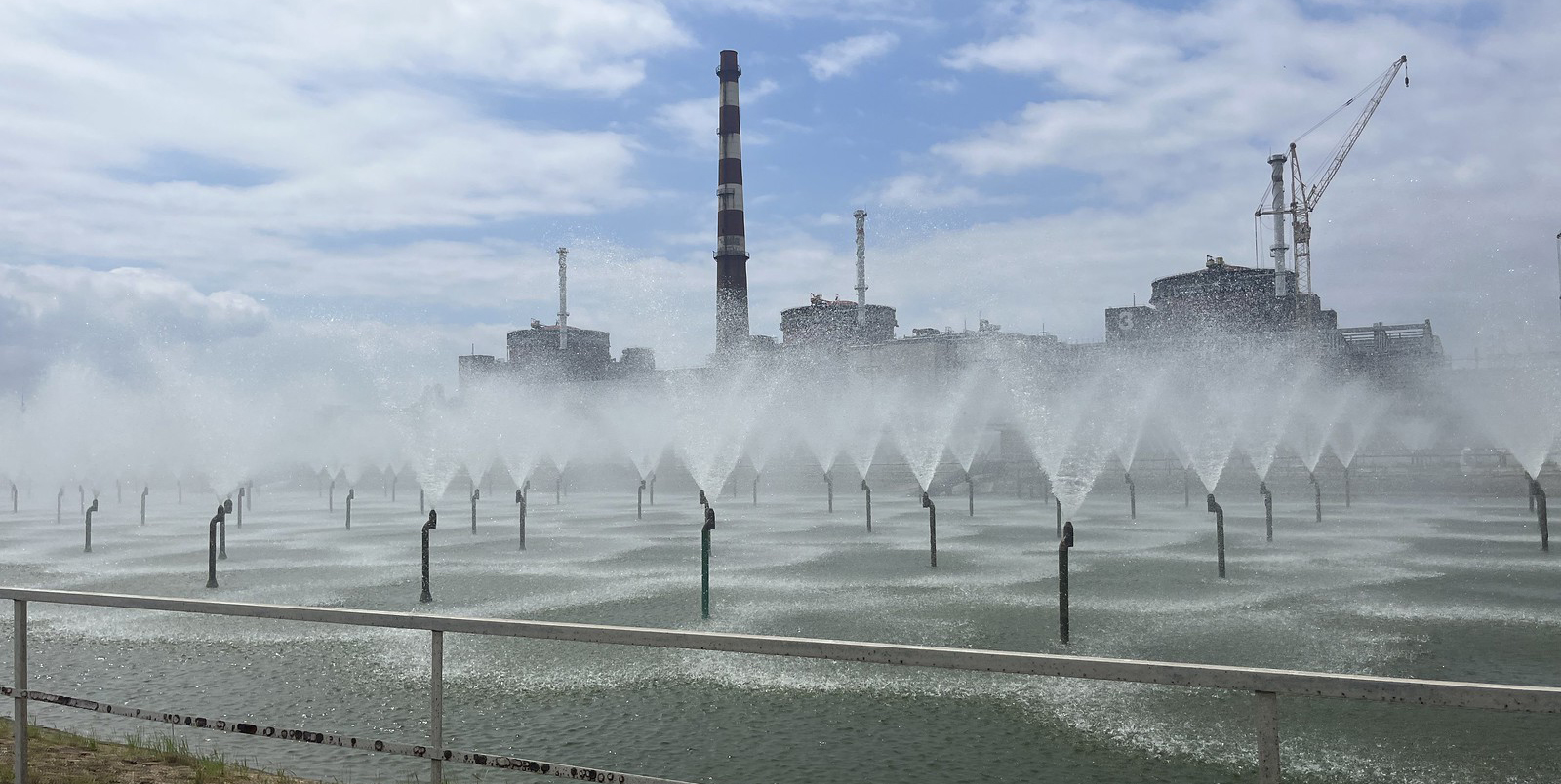
Ukraine's rebuilding efforts will rely on Western aid and foreign investments. The country's postwar path will therefore be determined not only by Kyiv, but also by Washington and Brussels, writes Iryna Nesterenko. While reconstruction of Ukraine's energy infrastructure is crucial, the country is torn between the economic benefits of nuclear technology, and its national security risks Read more
Veronica Anghel
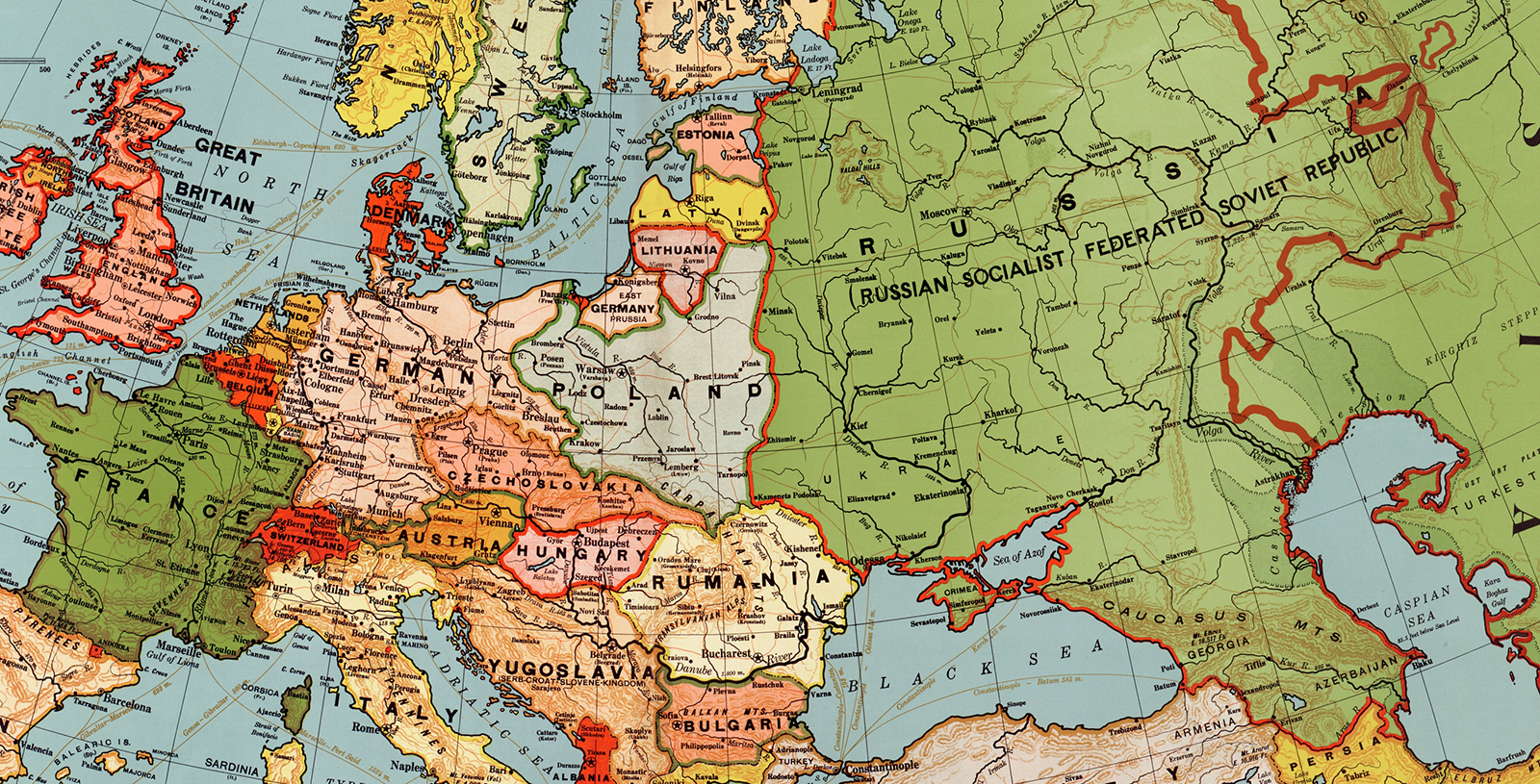
Launching her series on EU enlargement dilemmas, Veronica Anghel argues that enlargement is no gamble, but a strategic necessity. In crisis, enlargement transforms external risks into shared responsibilities, reinforcing governance, security, and global influence — and ensuring the Union’s survival and relevance Read more
Loqman Radpey
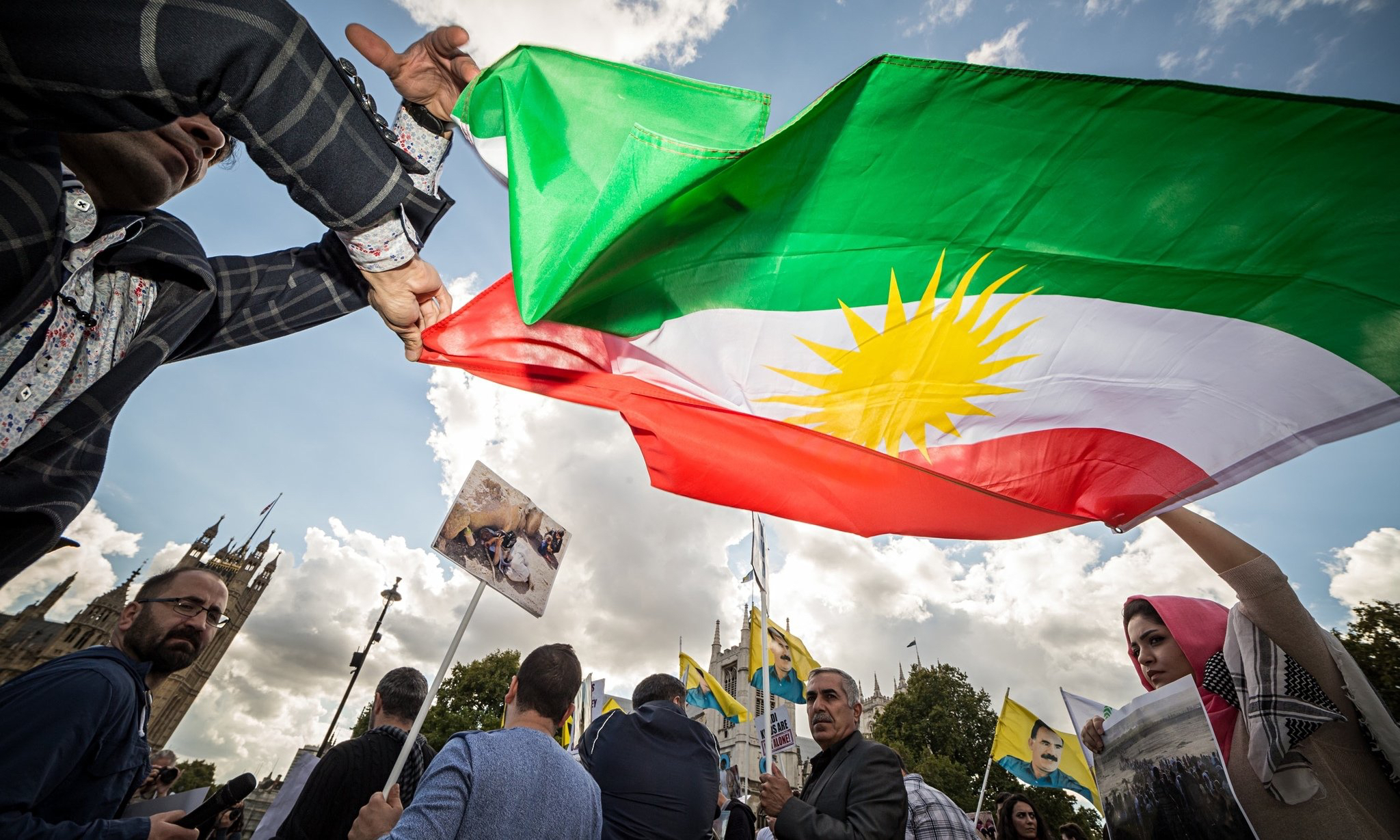
In a rapidly changing political environment, the fate of Kurdistan is now shaping the future of the Middle East. Turkey’s century-long repression of the Kurds, argues Loqman Radpey, is now posing a critical dilemma: either embrace de jure recognition of Kurdistan and Kurdish rights, or risk escalating tensions and instability Read more
We use necessary cookies to make our site work. We'd also like to set analytics cookies that help us make improvements by measuring how you use the site. These will be set only if you accept.
▼
Strictly Necessary Cookies
Necessary cookies enable core functionality such as security, network management, and accessibility. You may disable these by changing your browser settings, but this may affect how the website functions.
▼
Analytics Cookies
Google Analytics
We'd like to set Google Analytics cookies to help us improve our website by collecting and reporting information on how you use it. The cookies collect information in a way that does not directly identify anyone. For more information on how these cookies work please see our Privacy Notice.