Monika Sus
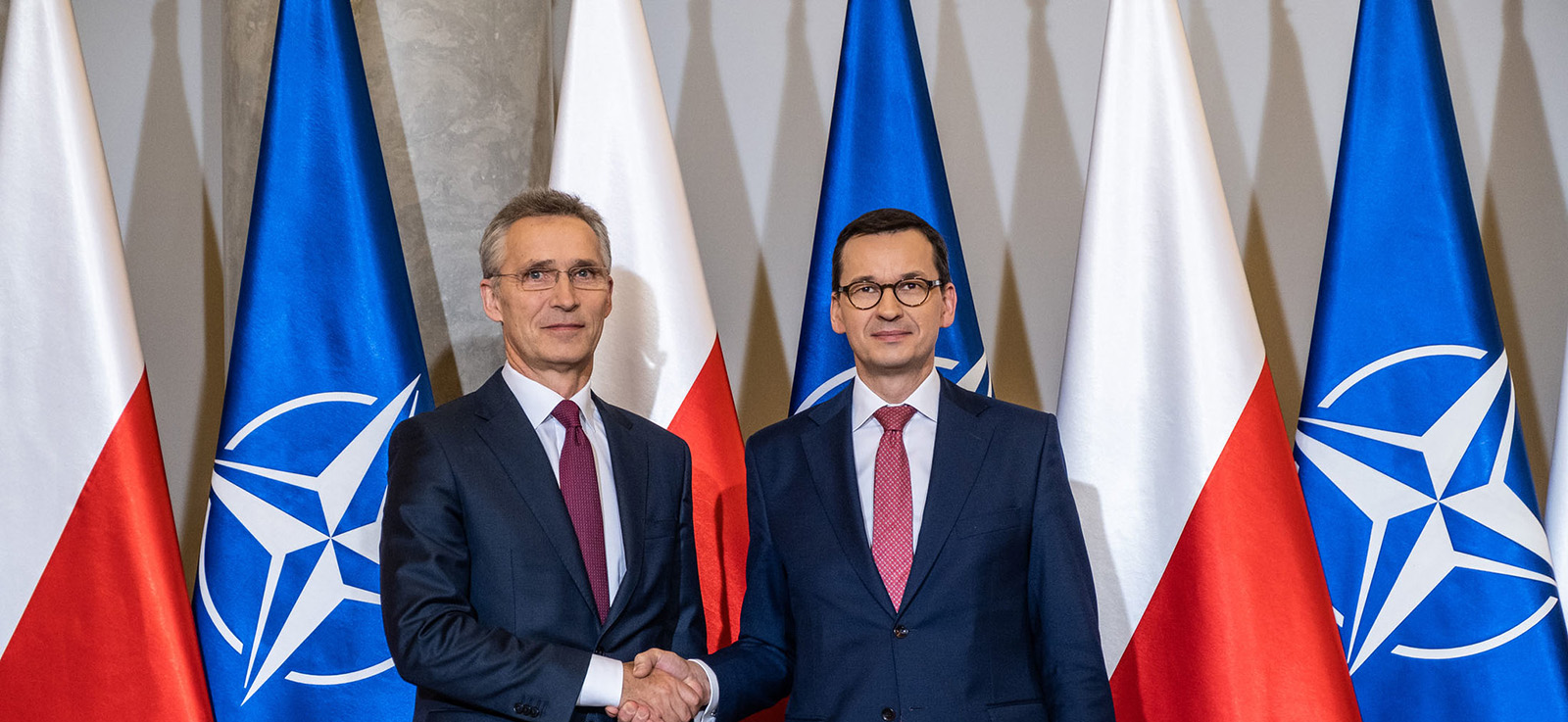
Amid the ongoing war in Ukraine, Poland is making an unprecedented push to join NATO’s nuclear sharing programme. Monika Sus argues that, as Poland’s threat perception rises, its defence strategy evolves and NATO’s deterrence posture shifts, the debate over nuclear deterrence is gaining momentum Read more
Süleyman Güngör
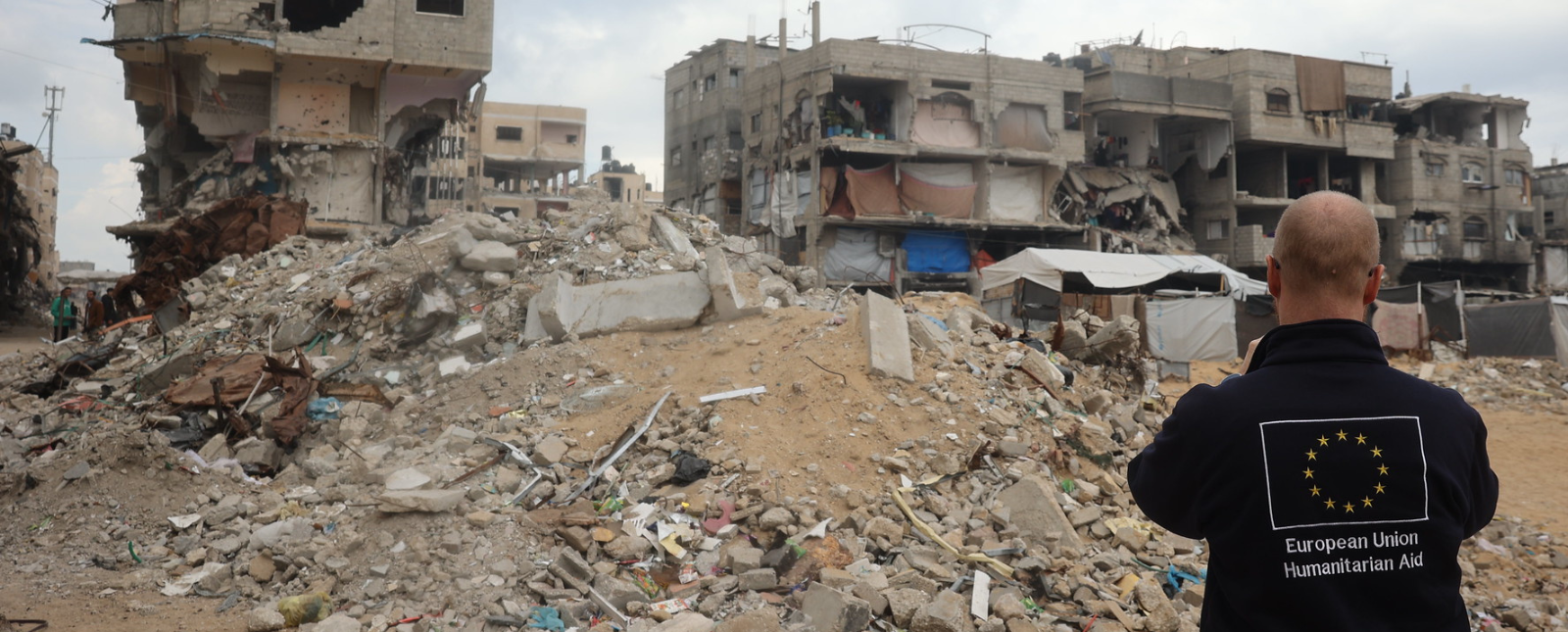
From Atatürk’s homeland — where 'peace at home, peace in the world' still resonates — Süleyman Güngör argues that Gaza is Palestinian land. The violence there, and between Israel and Iran, we must recognise as war under international law — and urgently bring it to an end Read more
Ruairidh Brown
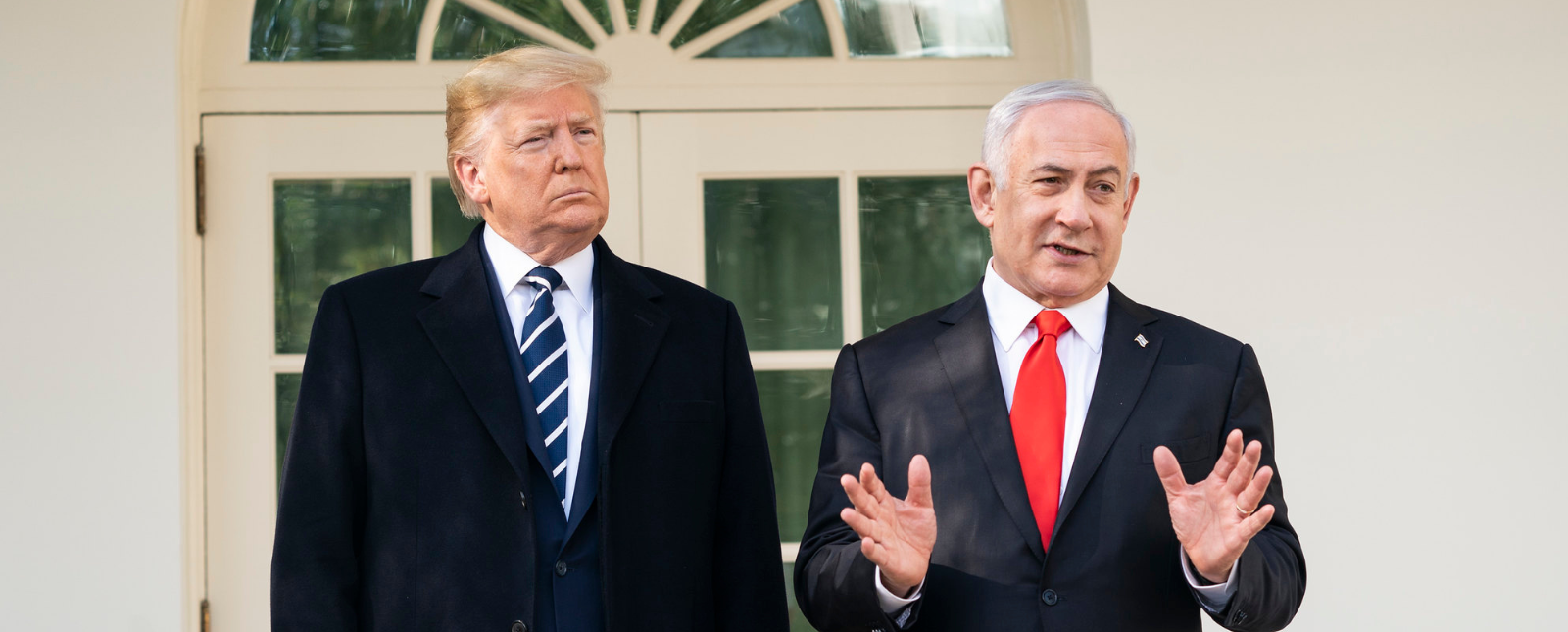
Does military intervention against Iran contradict Trump’s America First ideology? Ruairidh Brown argues it, in fact, is a textbook case of Trump’s Machiavellian philosophy Read more
Lien Jansen
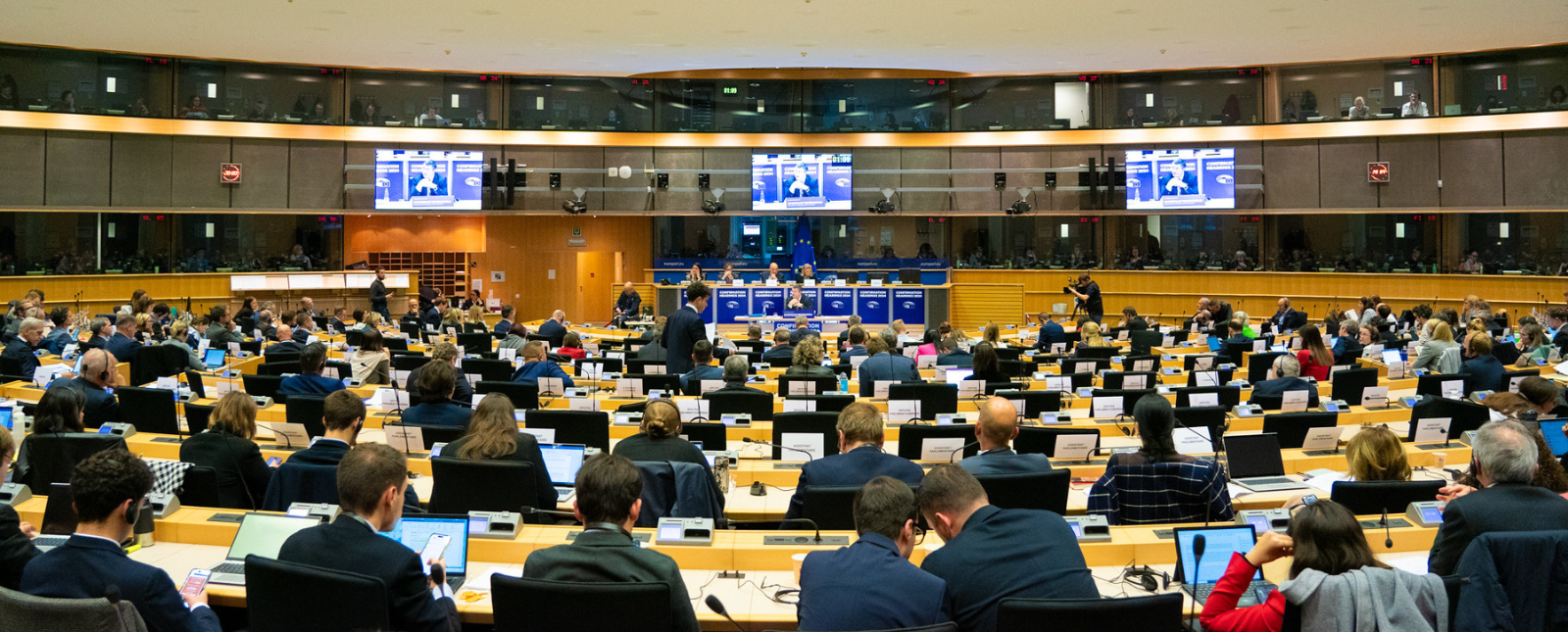
Often dismissed as a procedural bystander in EU enlargement, the European Parliament holds underused tools to shape outcomes — from budgetary leverage to informal diplomacy. Lien Jansen argues that the European Parliament can act strategically — if internal cohesion and inter-institutional cooperation align. Its latent power matters more than ever in today’s geopolitical climate Read more
Morgiane Noel
The new EU-UK fisheries agreement has attracted criticism for granting EU trawlers 12 more years' access to UK waters. Morgiane Noel argues we should view the deal in the broader context of EU-UK carbon markets, and the green transition Read more
Maksym Beznosiuk
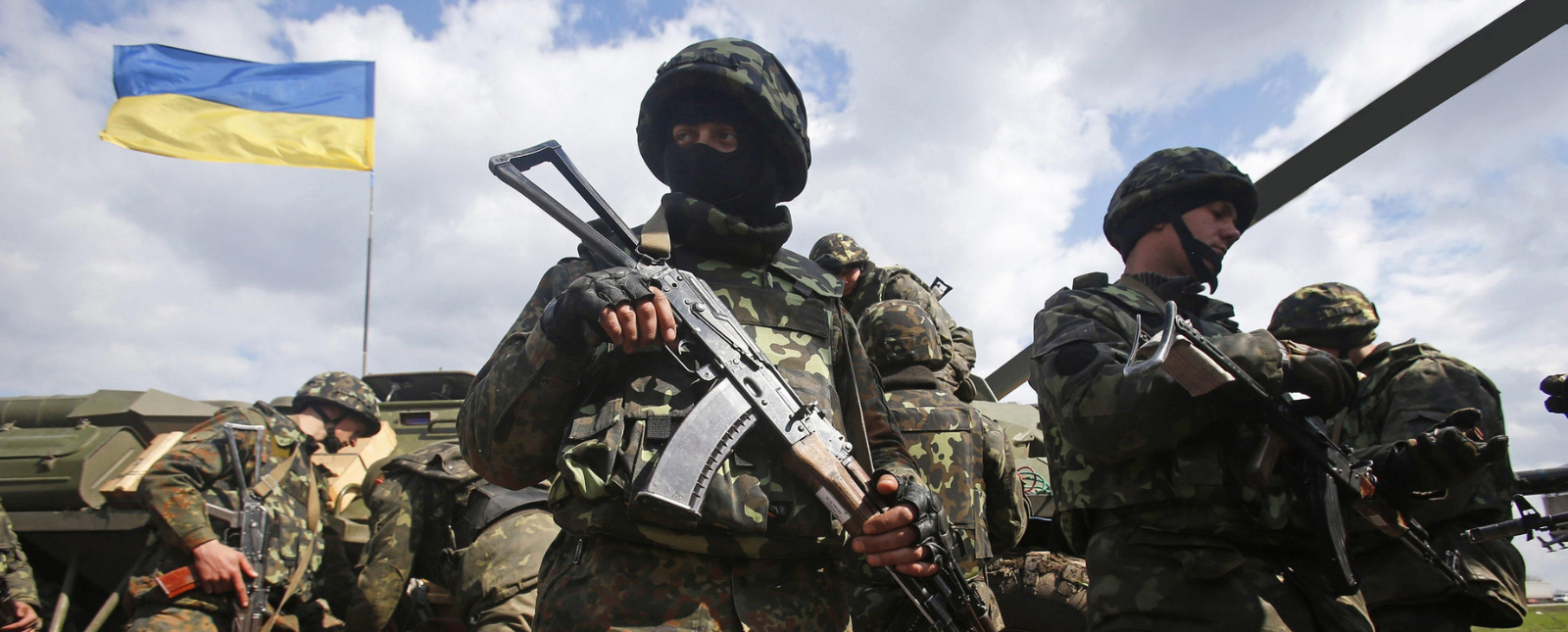
Maksym Beznosiuk argues that Ukraine’s defence production has grown, yet remains underutilised. With EU support, joint projects could sustain Ukraine’s war effort and advance the EU’s strategic autonomy. Closer cooperation, legal alignment, and targeted investment can strengthen Ukraine’s capabilities and contribute to the EU's defence readiness Read more
Ben Seyd
Declining public trust in political institutions raises concerns that citizens may turn away from democratic forms of decision-making. Recent cases of democratic backsliding seem to confirm this fear. Yet, as Ben Seyd argues, there is little evidence that declining trust impels citizens to embrace autocratic forms of decision-making Read more
Ludovica Castelli
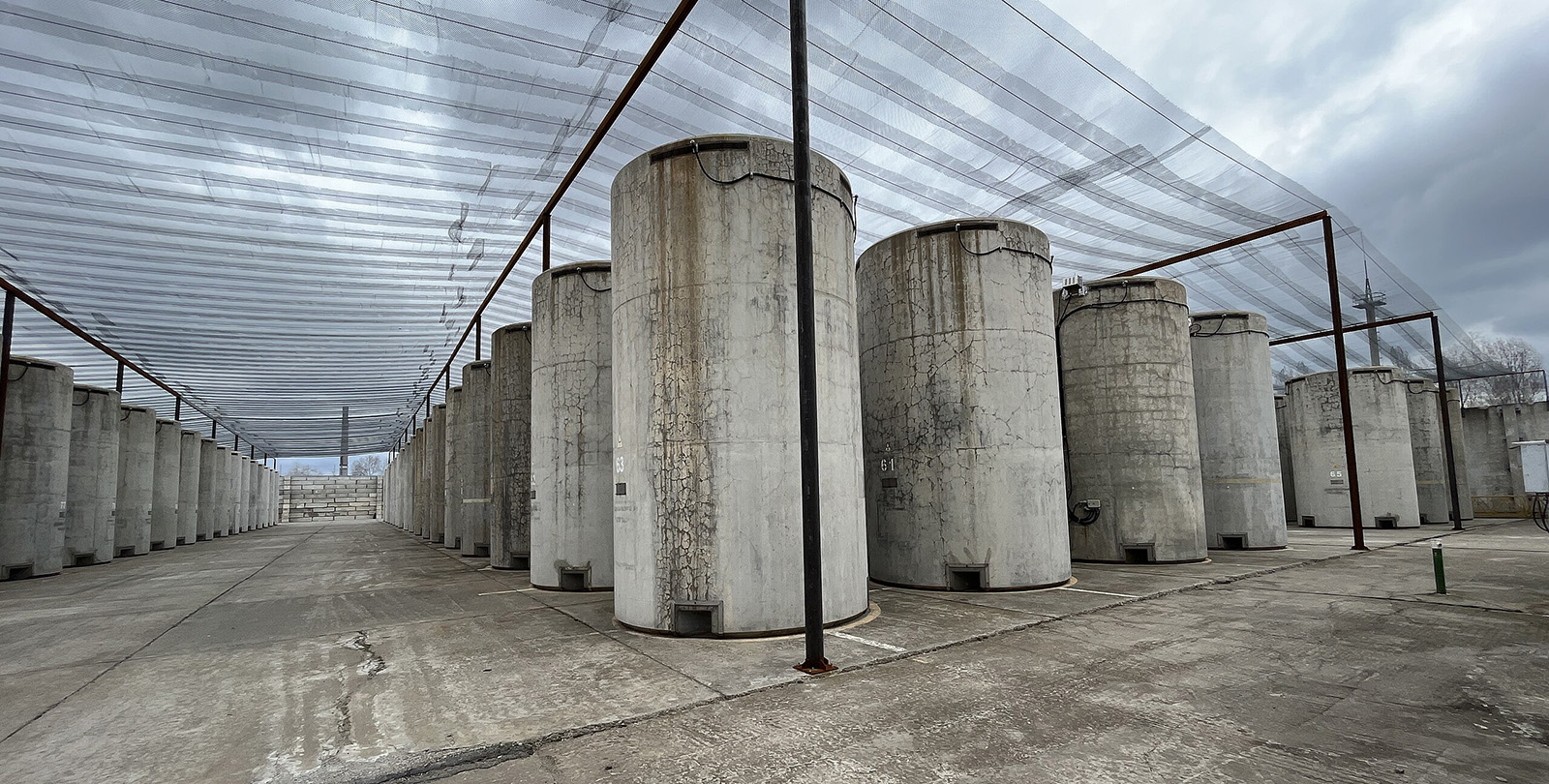
Ludovica Castelli explores the longstanding problem of how to protect nuclear facilities against attack — particularly in light of the war in Ukraine and rising tensions in the Middle East. Until we establish a comprehensive, and enforceable legal framework, nuclear facilities will remain vulnerable to attack, perpetuating the risks to international security and humanitarian safety Read more
We use necessary cookies to make our site work. We'd also like to set analytics cookies that help us make improvements by measuring how you use the site. These will be set only if you accept.
▼
Strictly Necessary Cookies
Necessary cookies enable core functionality such as security, network management, and accessibility. You may disable these by changing your browser settings, but this may affect how the website functions.
▼
Analytics Cookies
Google Analytics
We'd like to set Google Analytics cookies to help us improve our website by collecting and reporting information on how you use it. The cookies collect information in a way that does not directly identify anyone. For more information on how these cookies work please see our Privacy Notice.