Ruairidh Brown
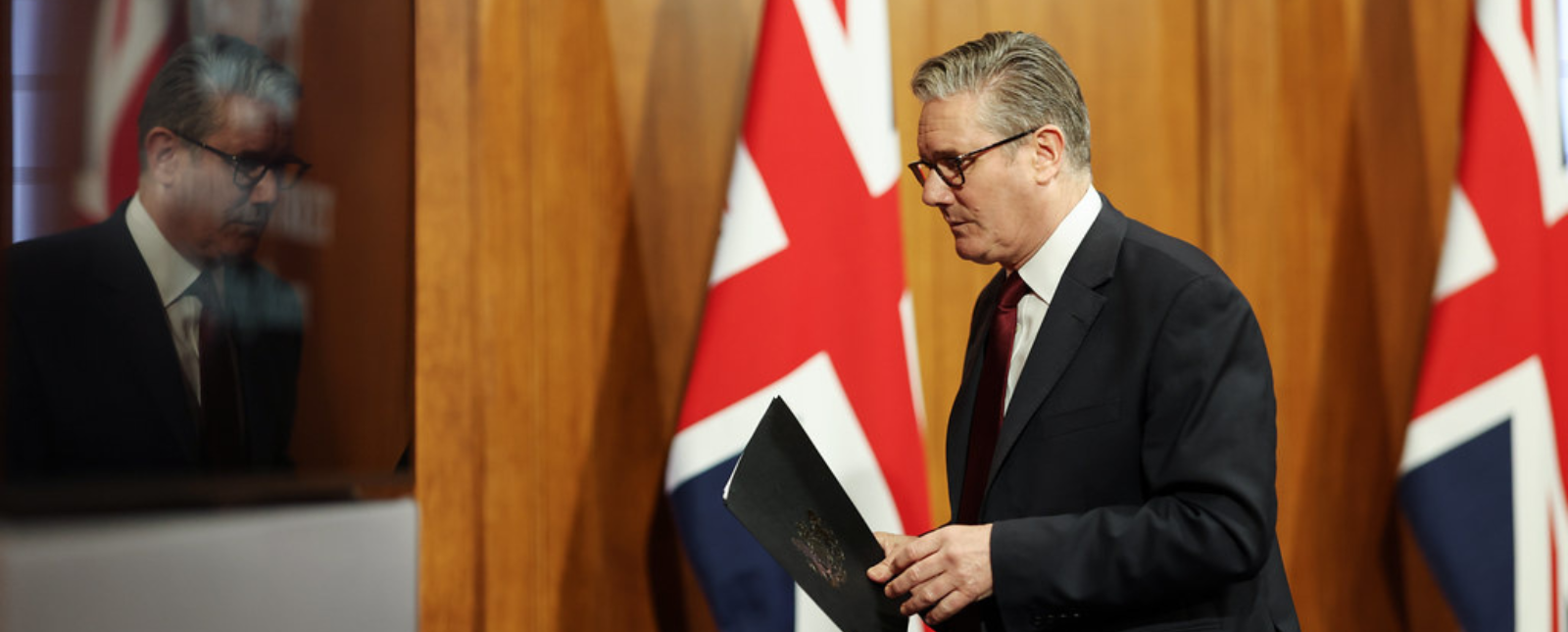
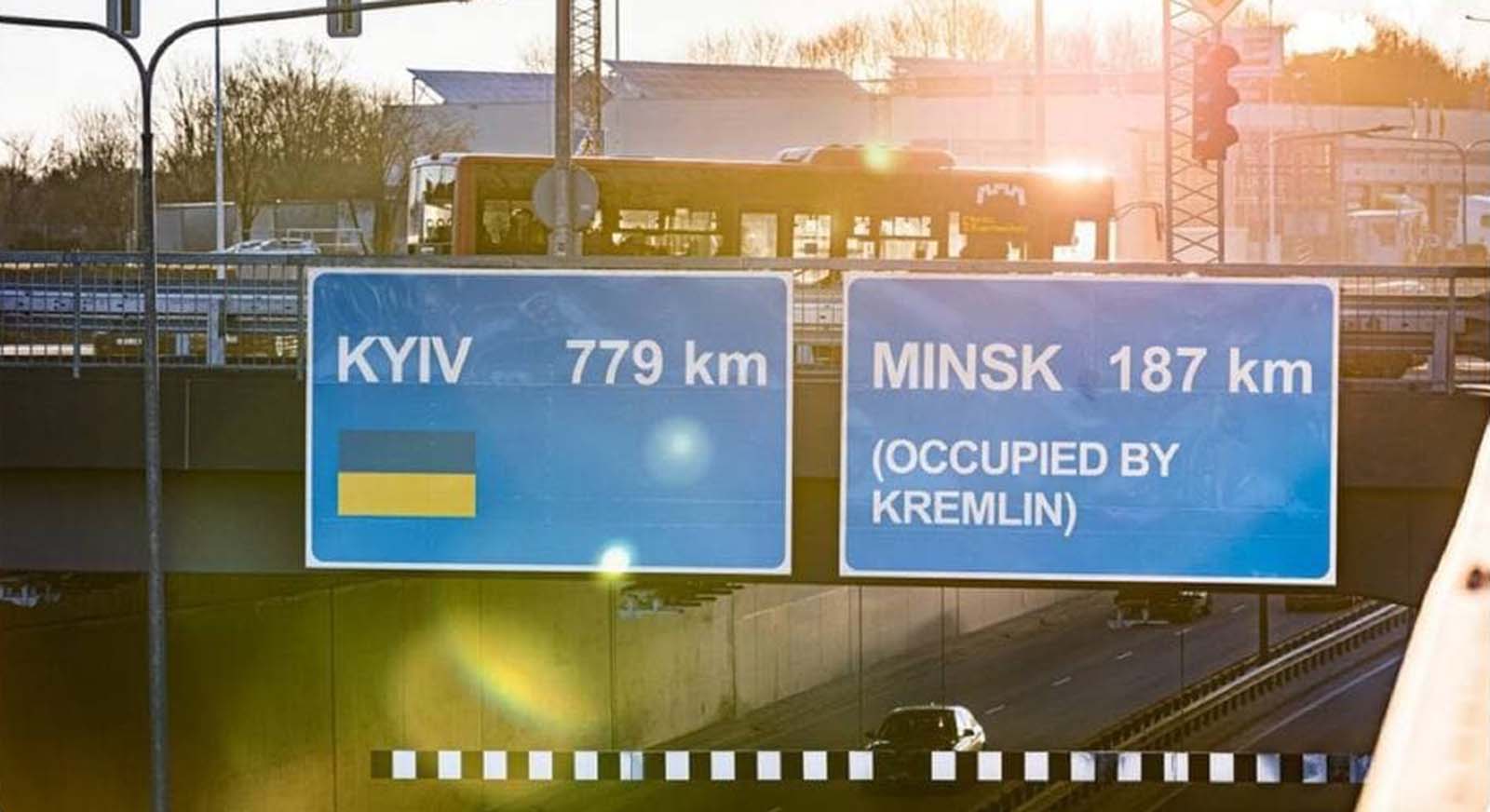
As Keir Starmer prepares to vacate 10 Downing Street, his unwavering opposition to Vladimir Putin has been hailed as his finest, most ‘statesmanlike’ achievement. Ruairidh Brown argues this assessment is fundamentally mistaken. Starmer stretched the trope of British leaders re-fighting the Second World War to its breaking point Read more
Massimo Prearo
Anti-gender politics does not only attack rights. It attacks the knowledge that makes those rights intelligible. Massimo Prearo argues that anti-gender politics is an epistemic conflict as much as a political one. This conflict generates political fatigue among researchers engaged in feminist and queer work. We must address such fatigue through distance, care and collective reflection Read more
Matthew K. Gichohi
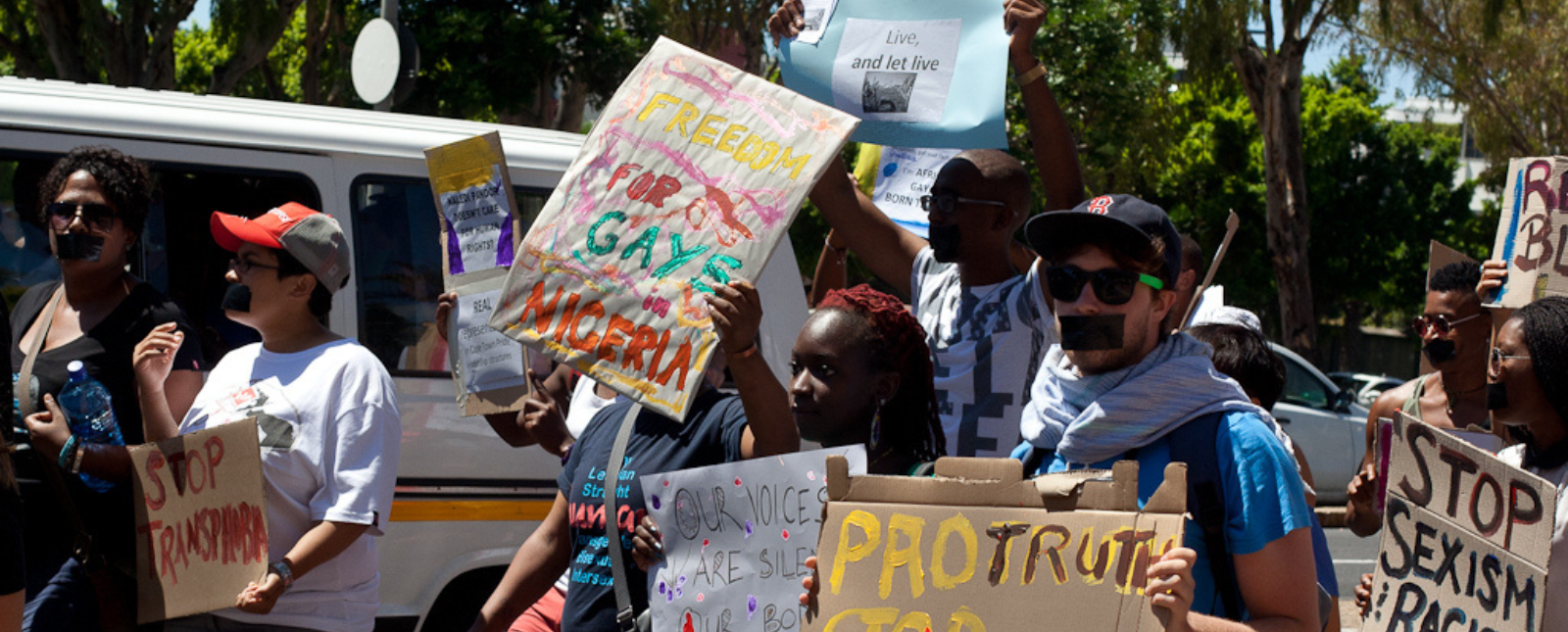
Nigerian queer activists have achieved a High Court ruling declaring parts of the country's Same-Sex Marriage (Prohibition) Act unconstitutional. Yet registrars, banks, police, and landlords are refusing to honour the ruling, reducing it to a mere 'victory on paper'. Matthew K. Gichohi, Ayodele Sogunro, and Liv Tønnessen argue that queer rights are eroded through bureaucracy, not legislation Read more
Dennis Shen
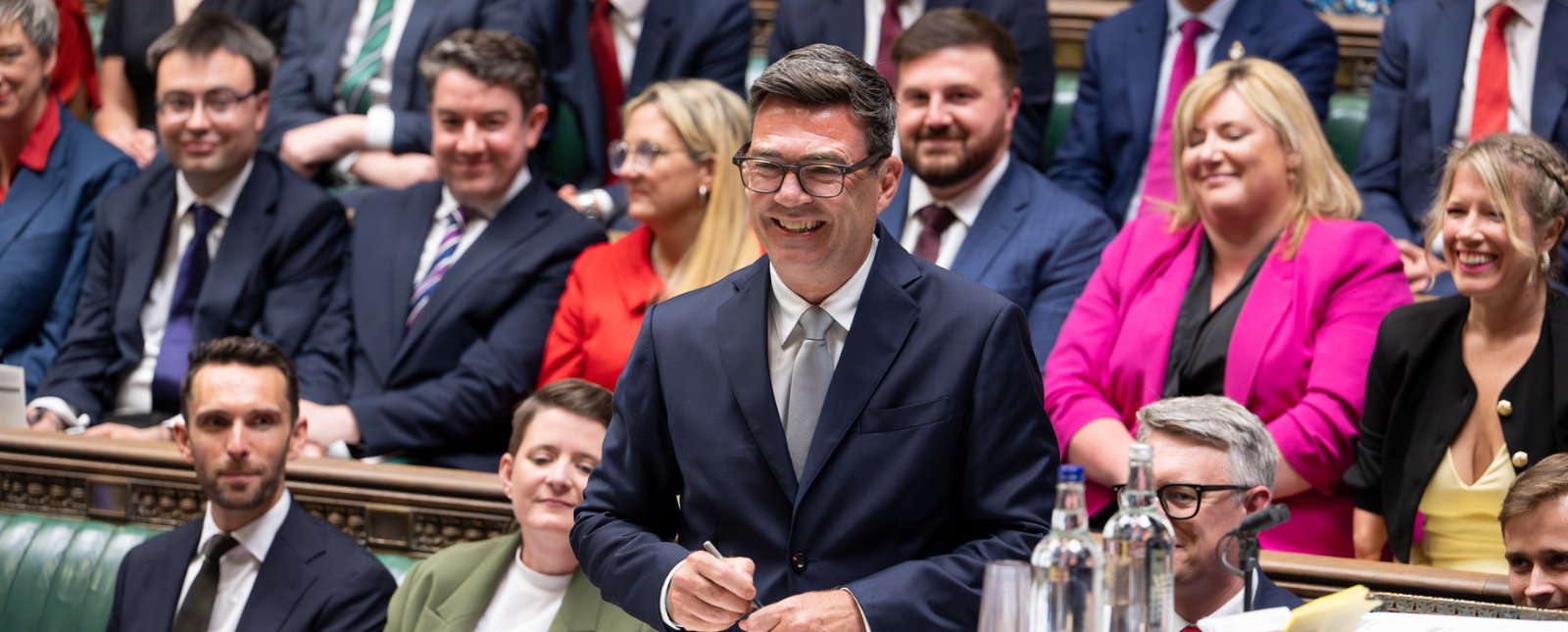
Andy Burnham’s expected arrival in Downing Street may end Labour’s leadership crisis, but Dennis Shen says it has opened a far larger debate about Britain’s economic future. As markets assess the implications of a Burnham premiership, questions are emerging over fiscal policy, Britain’s vulnerability to bond market pressures and whether Labour may gradually move closer towards Europe by the next general elections Read more
Serena Fraiese
Serena Fraiese argues that transitional justice rarely collapses in one dramatic moment. In Guatemala and Tunisia, formal courts and legal bodies remain in place, but political actors have gradually repurposed them from within. This process of 'captured justice' weakens accountability, shrinks civic space, and makes the pursuit of truth, justice, and reparations increasingly difficult Read more
Amir Alecperov
Amir Alecperov argues that Russian emigration after 2022 has not produced a break with imperial thinking – it has exported it. From Central Asia to the Baltic states and Germany, a troubling pattern emerges: Russians abroad carry the same mentality that enabled the war. Host states have the right, and the tools, to respond Read more
Aleh Baradzin
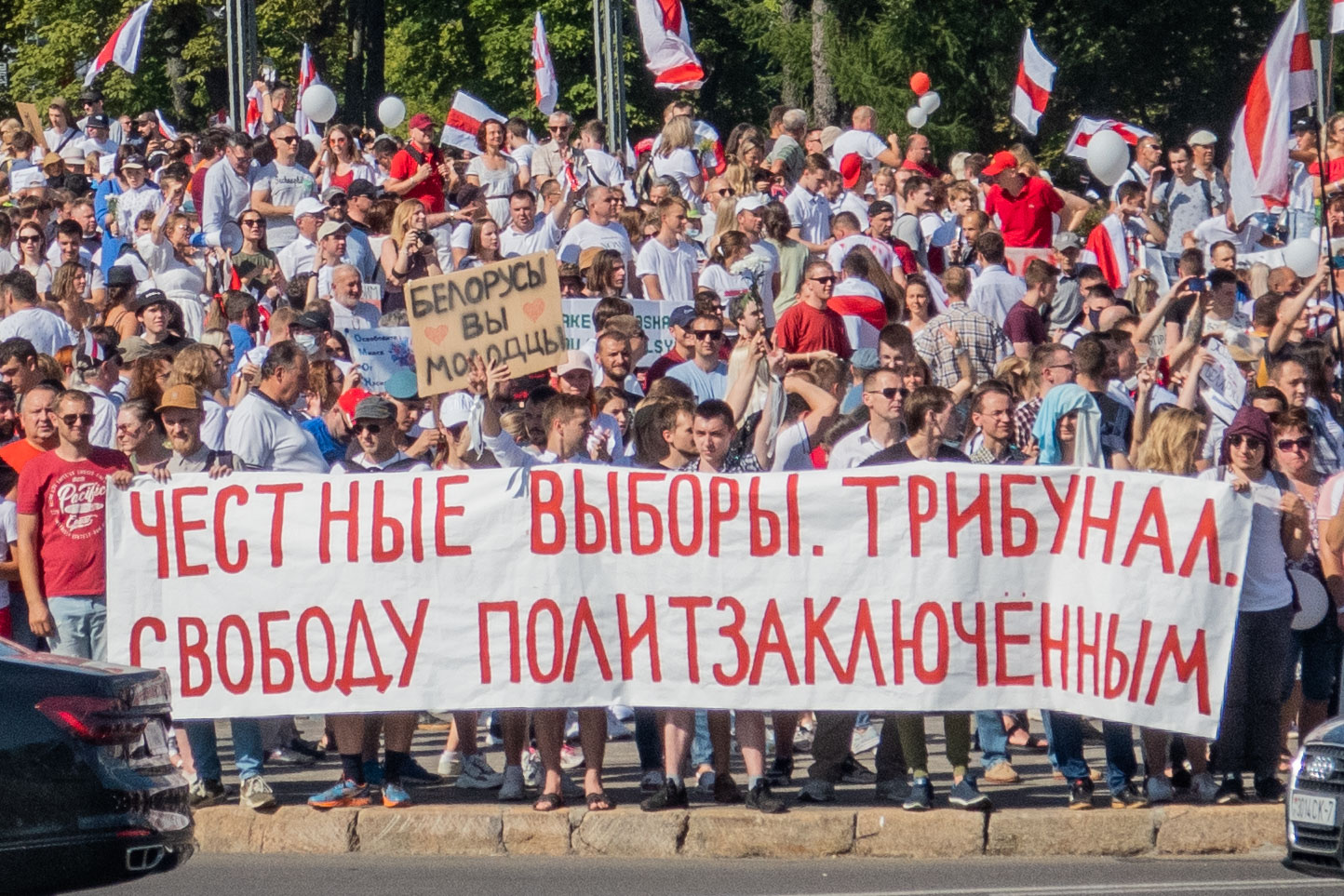
Aleh Baradzin examines why the families of political prisoners and political emigrants have become part of Belarus’s repressive system. Here, he reveals how the authorities use prisoners' families to exert pressure on political opponents Read more
Ezgi Tüztürk
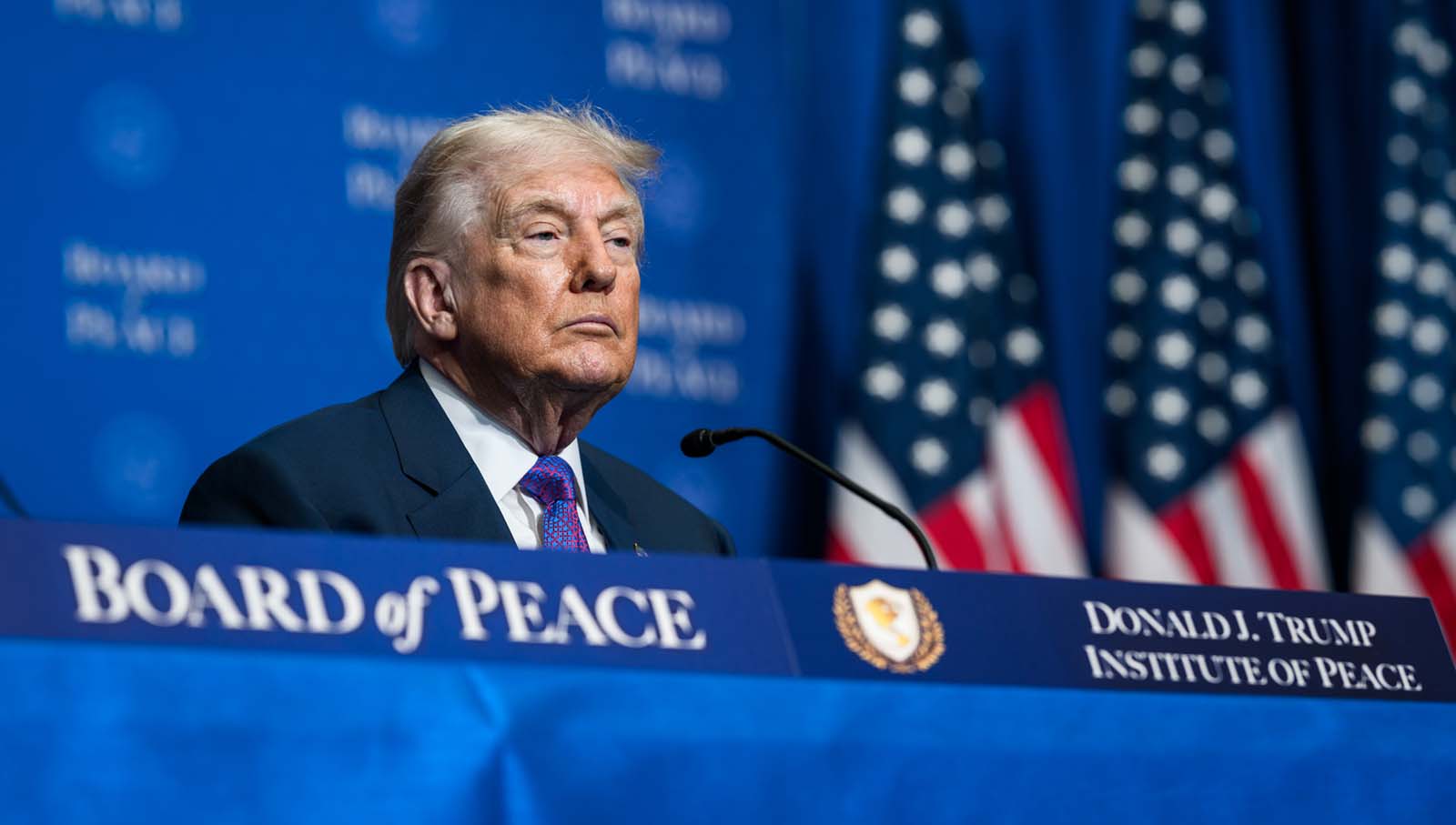
The membership of Kosovo and Albania on Trump's Board of Peace reveals a growing tension between these countries' reliance on Washington and their EU accession. As EU-US relations become increasingly strained, both countries face difficult choices over political alignment. This, warns Ezgi Tüztürk, risks sending conflicting signals to the EU Read more
We use necessary cookies to make our site work. We'd also like to set analytics cookies that help us make improvements by measuring how you use the site. These will be set only if you accept.
▼
Strictly Necessary Cookies
Necessary cookies enable core functionality such as security, network management, and accessibility. You may disable these by changing your browser settings, but this may affect how the website functions.
▼
Analytics Cookies
Google Analytics
We'd like to set Google Analytics cookies to help us improve our website by collecting and reporting information on how you use it. The cookies collect information in a way that does not directly identify anyone. For more information on how these cookies work please see our Privacy Notice.