Katinka Linnamäki
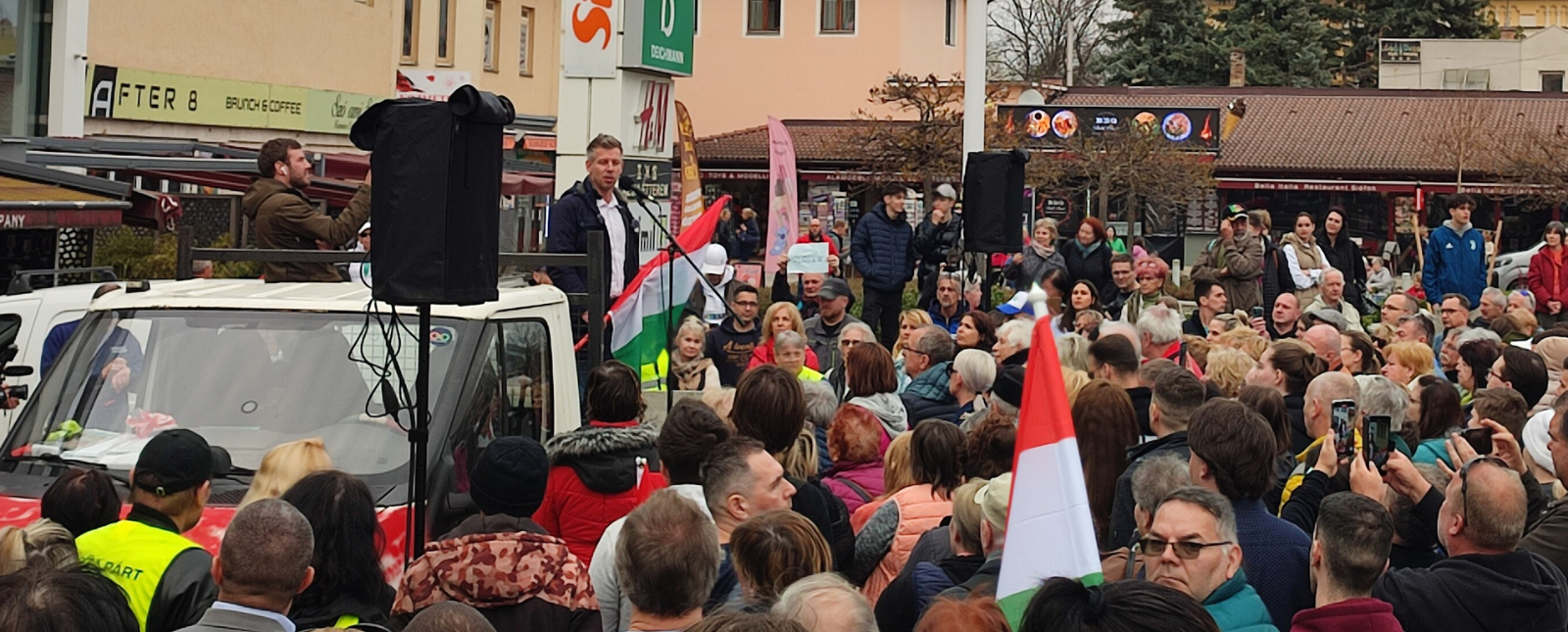
In this year’s election campaign, argue Katinka Linnamäki and Emilia Palonen, Orbán is facing a formidable, new force. Emerging from the Fidesz cadres in 2023, Péter Magyar launched his attack on Orbán. He has since managed to avoid many of the pitfalls of polarisation that have favoured Orbán previously Read more
Kandida Purnell
The recent rescue of a US airman from Iranian soil obscures a deeper truth. As contested casualty figures emerge from America’s war, Kandida Purnell argues that what we see, count, and mourn in war is never neutral. Rather, it is carefully governed through a longstanding necropolitical logic that shapes public perception and sustains conflict Read more
Olamide Samuel
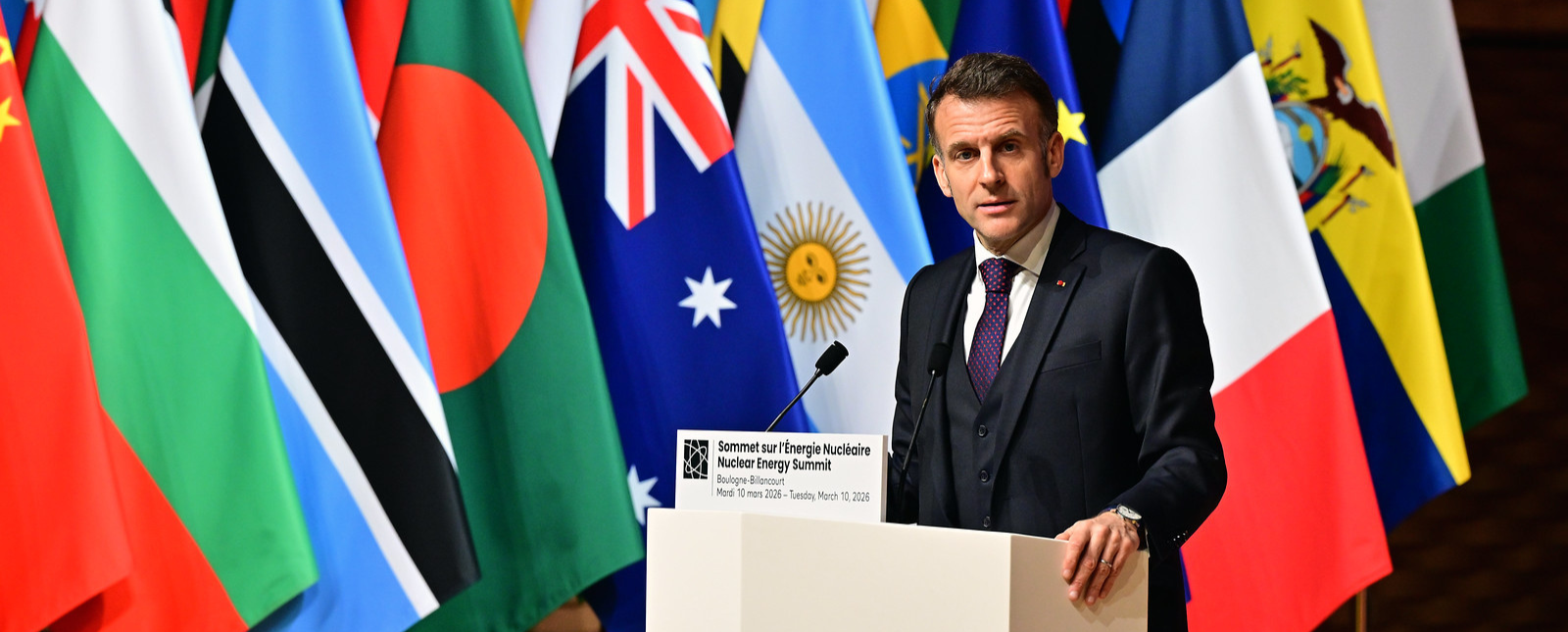
France’s new nuclear posture and Russia’s nuclear build-up in Belarus have made Europe feel vulnerable. But, argues Olamide Samuel, stronger nuclear rhetoric will not make Europe safer or more independent. Europe’s real task is to rebuild arms control, consultation, and dialogue before nuclear danger becomes harder to contain Read more
Ilan Kapoor
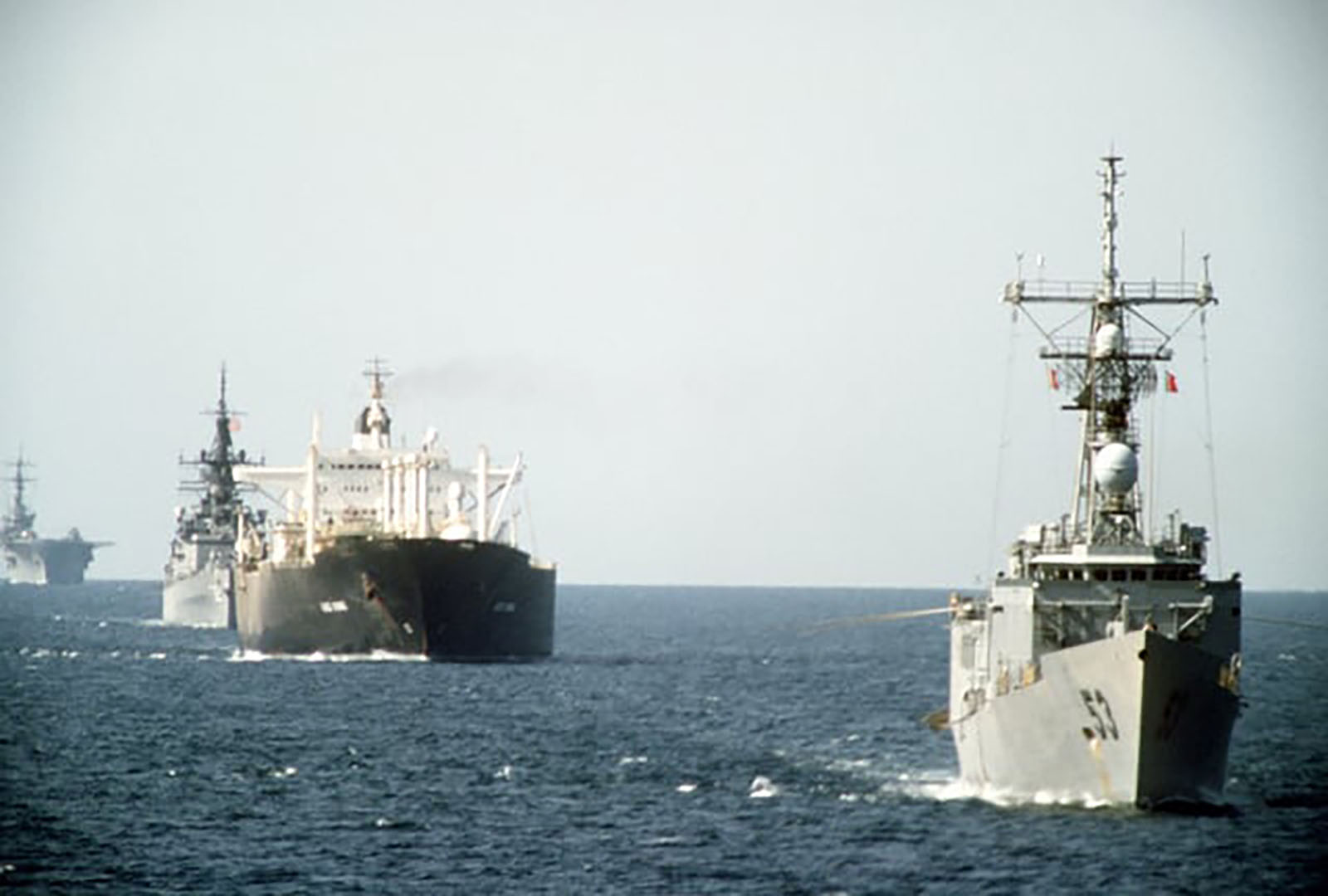
From the Strait of Hormuz to Europe’s gas crisis, energy dependence lets states project power through prices, not troops. This, says Ilan Kapoor, is reshaping geopolitical influence Read more
Cristian Pîrvulescu
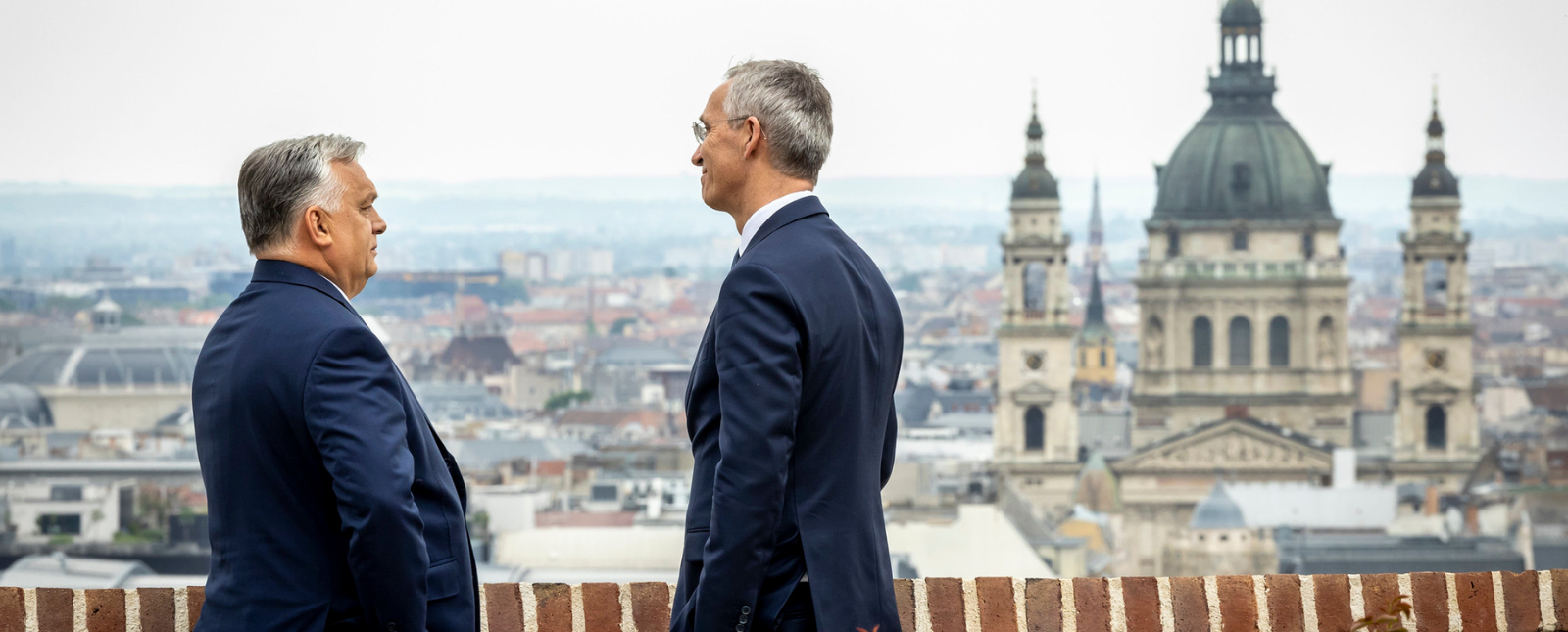
As Hungary heads to parliamentary elections on 12 April, Cristian Pîrvulescu argues that the billboard campaign targeting Zelensky is not merely anti-Ukrainian rhetoric. Rather, it is the latest iteration of a calculated antisemitic strategy, rooted in the 'Horthy tradition', that has powered Fidesz through four consecutive victories Read more
Jesper Lindqvist
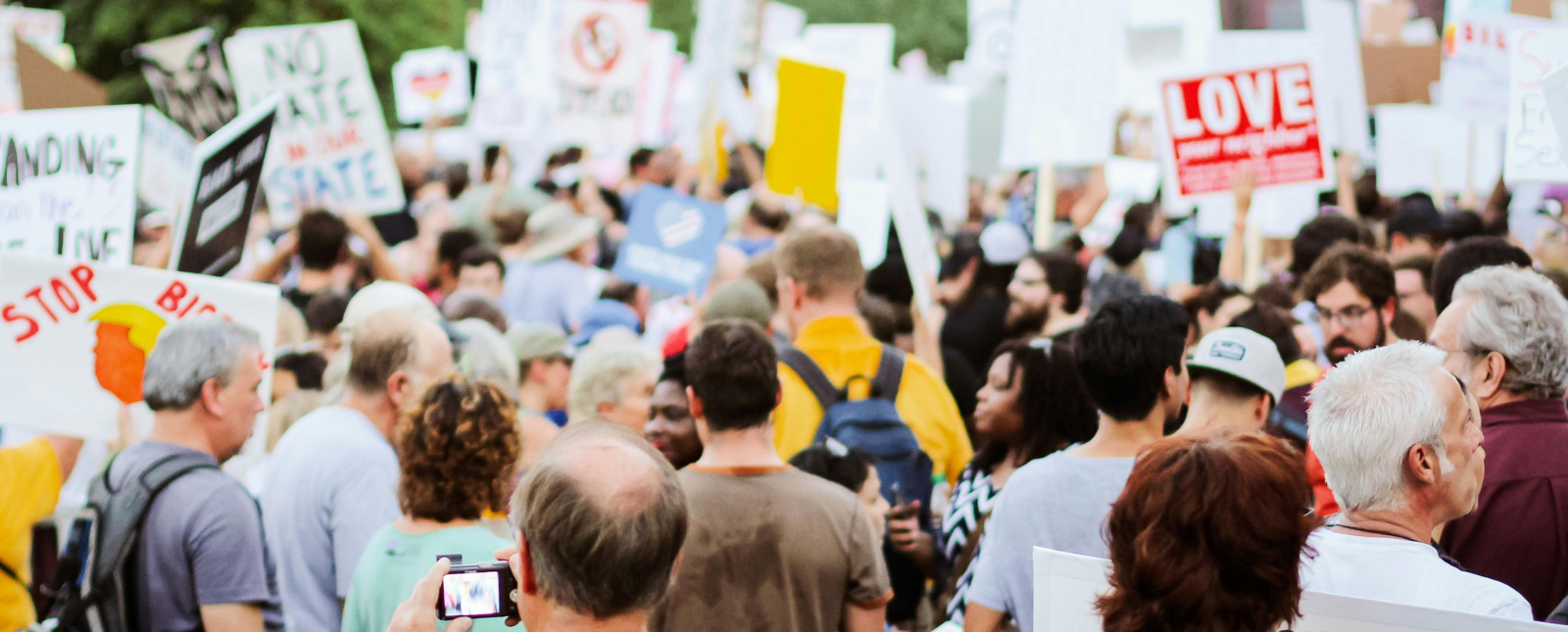
Politically active people — including protesters and those engaging outside elections — are better represented than inactive citizens, write Jesper Lindqvist, Jennifer Oser, Ruth Dassonneville, Mikael Persson, and Anders Sundell. Images of placard-wielding protesters are a common feature in global media reporting. But do they affect policy outcomes any better than inactive people? Read more
Kevin Meyvaert
Young people in Europe and, by extension, the West, are increasingly disengaging from electoral politics. Academic studies are still trying to understand the phenomenon. But Kevin Meyvaert argues that without a moral narrative of justice and fairness, we will never succeed in reconnecting all citizens to democratic life Read more
Hossein Kermani
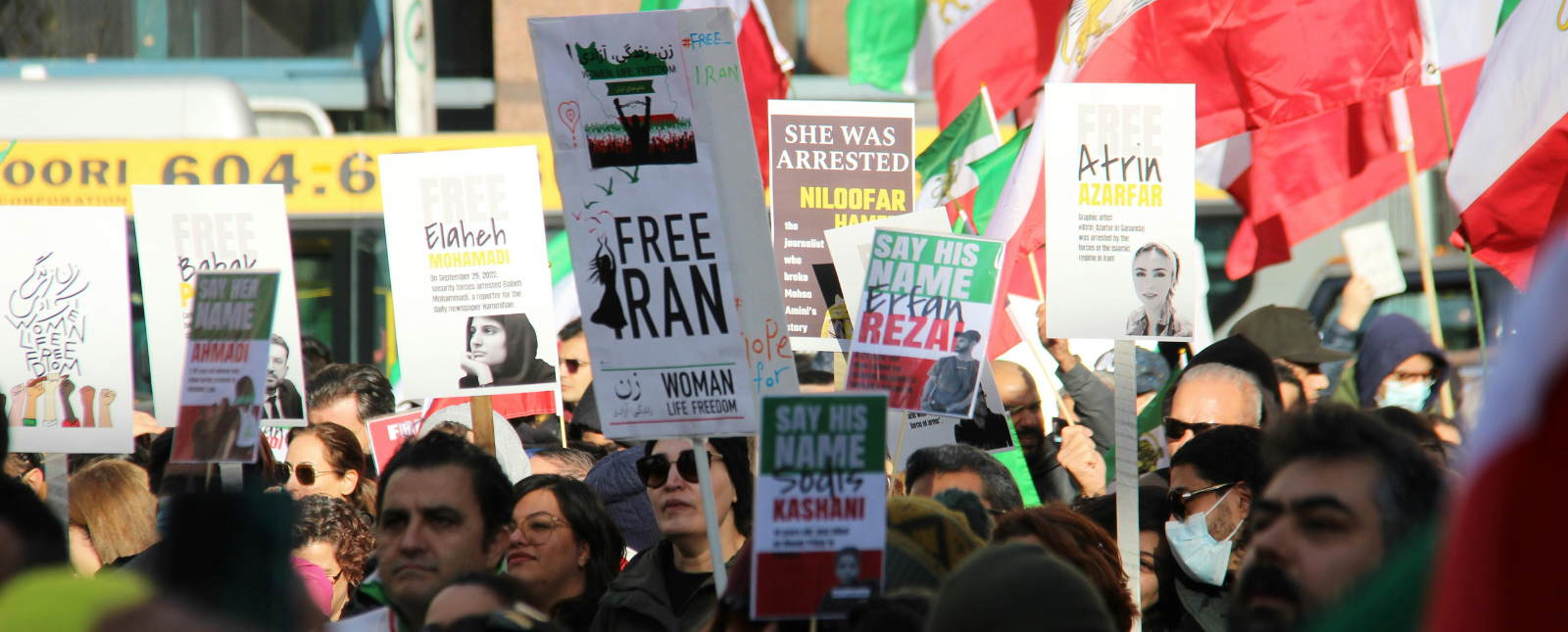
Hossein Kermani argues that a largely voiceless majority in Iran is routinely misrepresented by both the Islamic regime and its loudest opponents. Amid the current Iran-Israel-US conflict, he shows how many Iranians are rejecting simplistic binaries and instead are confronting the war’s causes, costs, and uncertainties Read more
We use necessary cookies to make our site work. We'd also like to set analytics cookies that help us make improvements by measuring how you use the site. These will be set only if you accept.
▼
Strictly Necessary Cookies
Necessary cookies enable core functionality such as security, network management, and accessibility. You may disable these by changing your browser settings, but this may affect how the website functions.
▼
Analytics Cookies
Google Analytics
We'd like to set Google Analytics cookies to help us improve our website by collecting and reporting information on how you use it. The cookies collect information in a way that does not directly identify anyone. For more information on how these cookies work please see our Privacy Notice.