Jaap Hoeksma
Jaap Hoeksma argues that a European Court of Justice ruling in 2022 legally overcame the EU’s longstanding democratic deficit. The EU should now draw on the implications of that ruling, and declare itself an original model of democracy Read more
Ilona Lahdelma
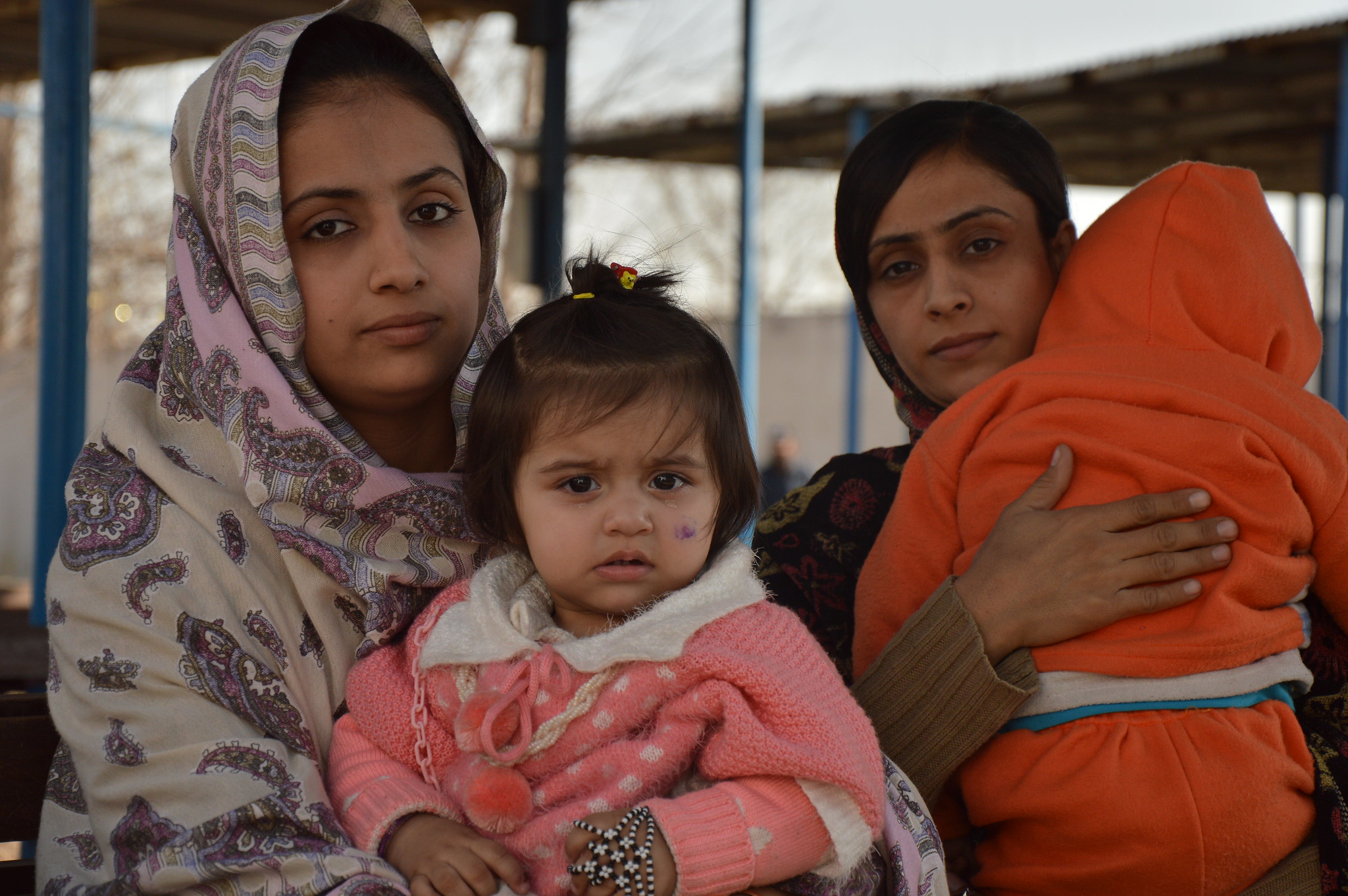
Europe’s capitals are the largest recipients of refugees because of their infrastructures, existing high proportion of foreigners and residents’ liberal outlooks. Yet, Ilona Lahdelma argues, rural areas suffering from population shortage might be better equipped to integrate refugees than previously thought. Both parties might even benefit from the arrangement Read more
Jonathan Powell
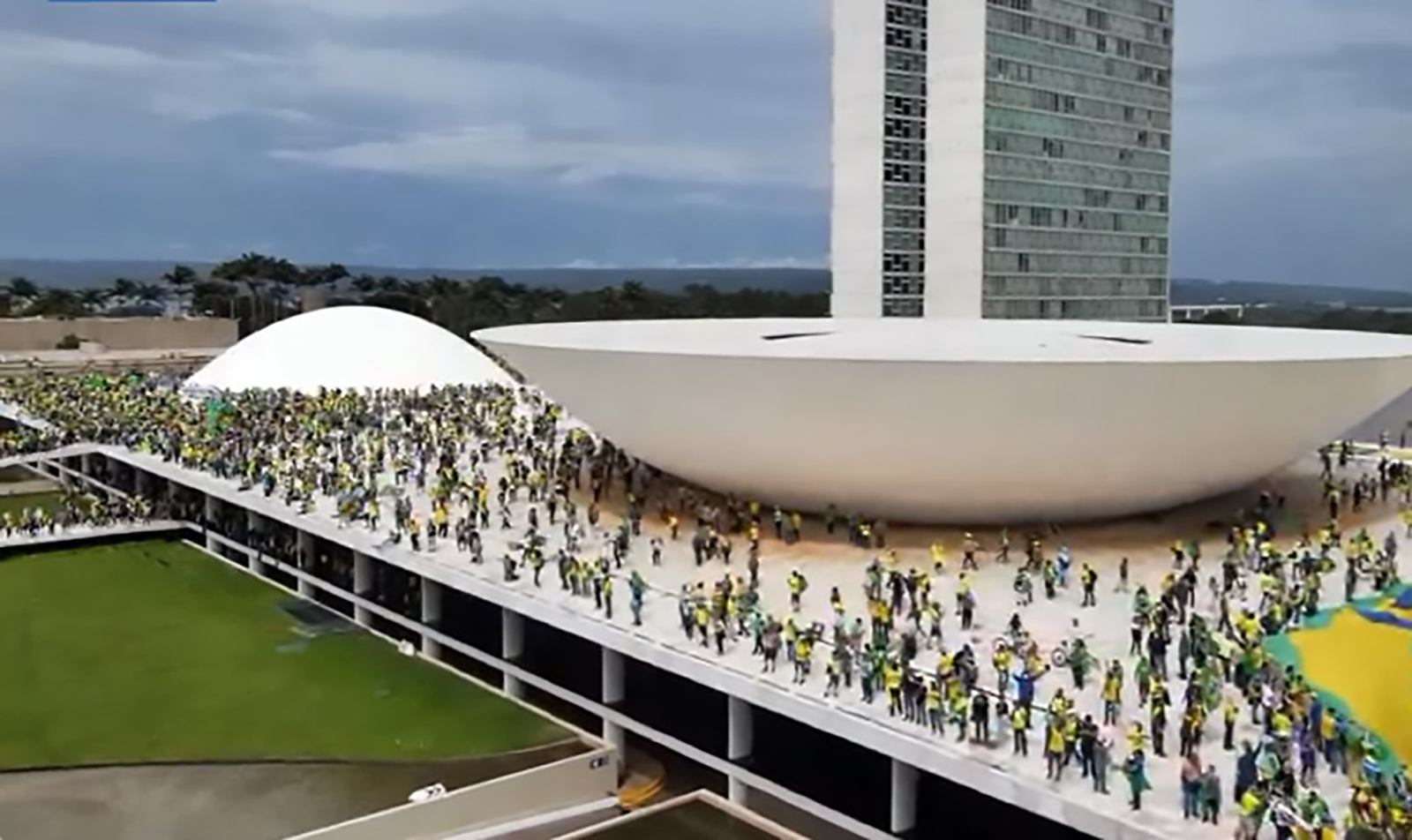
Observers were quick to call the events on 8 January in Brazil a coup attempt. But Jonathan Powell and Salah Ben Hammou caution against conflating coup advocacy with coup attempts. Authoritarianism scholars should also note that usage of the term 'coup' has historically varied Read more
Anastasia Deligiaouri
Anastasia Deligiaouri argues that we should be wary of allowing incompatible concepts – such as 'illiberal democracy' – to dilute democracy’s essence. Rather, we must unravel and expunge the demons that lurk in democracies. By so doing, we will ensure this pluralism does not serve or fulfil autocratic desires Read more
Lena Surzhko-Harned
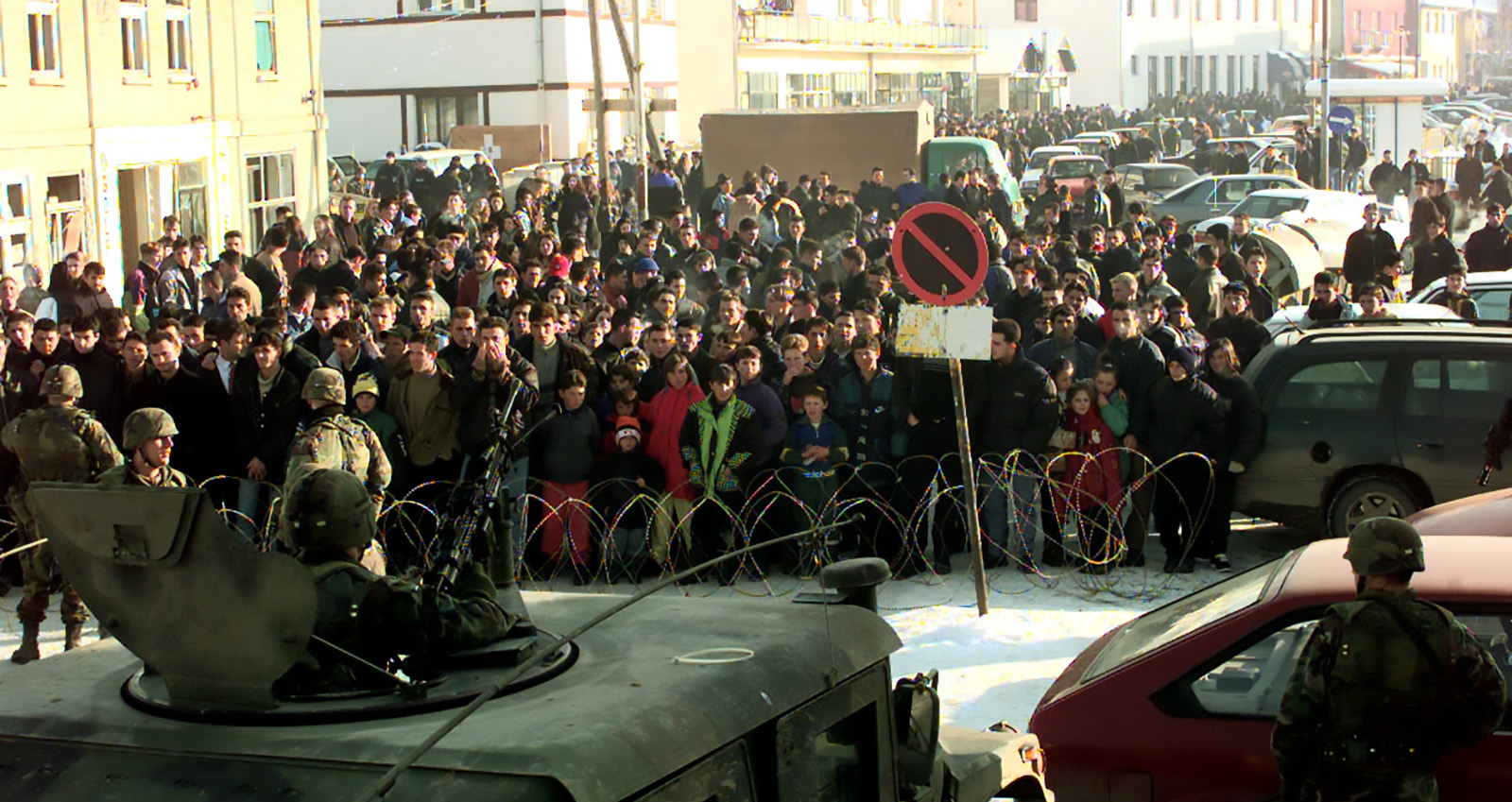
The Kosovo war helped consolidate the Responsibility to Protect norm. But Lena Surzhko-Harned and Jiří Nykodým argue that it also created the 'Kosovo precedent' used to undermine international law. Russia has often exploited this narrative to justify its current war in Ukraine Read more
Laura Luciani
As the liberal norms promoted by the EU are fiercely contested, human rights groups in the South Caucasus face an insecure environment. Some propose alternatives to human rights promotion that challenge both the EU’s development paradigms and competing authoritarian agendas. Laura Luciani argues that we should take them seriously Read more
Diogo Vieira Ferreira
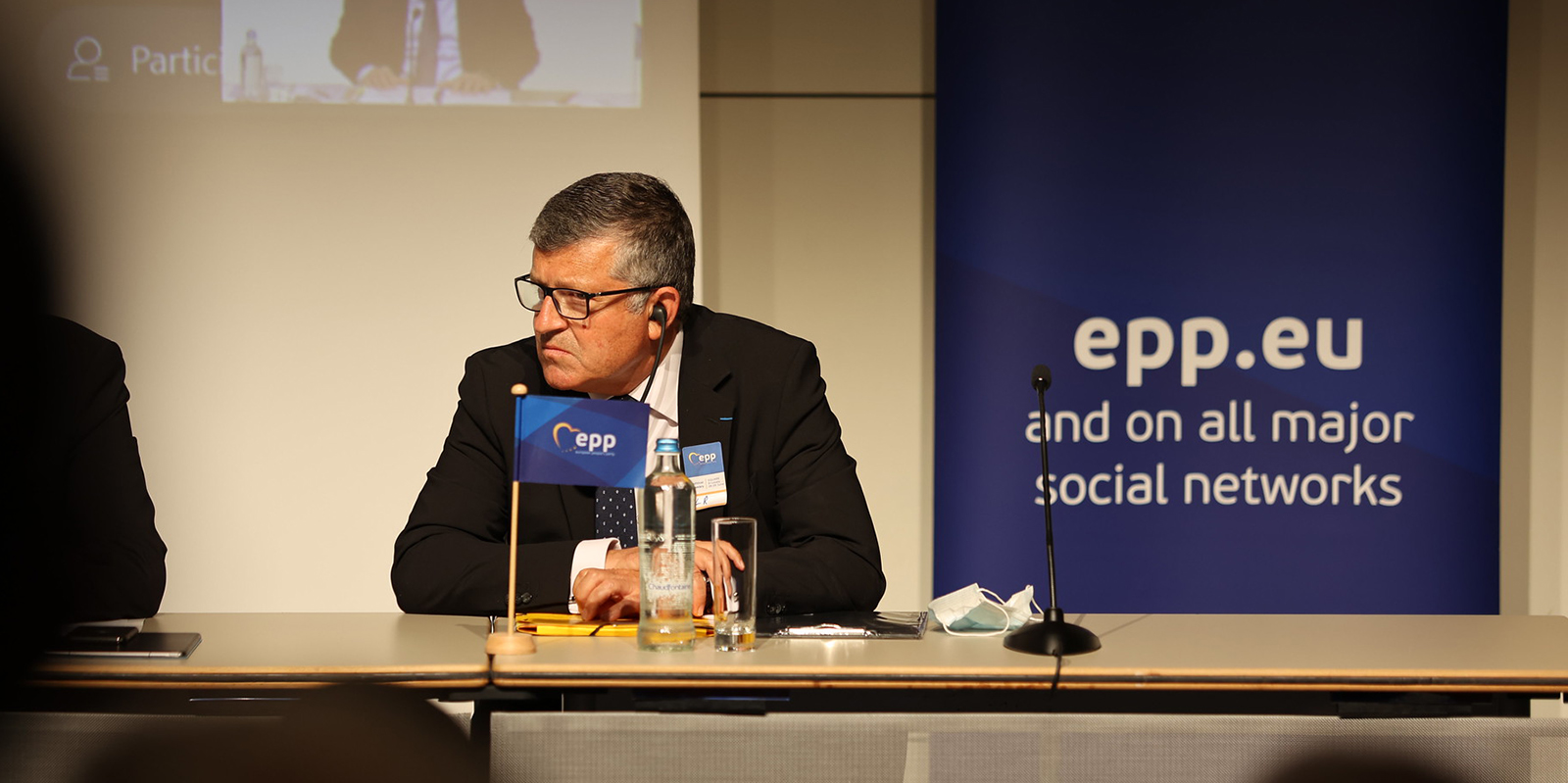
European (transnational) political parties have suffered from a lack of political influence in the European Union. Diogo Vieira Ferreira argues that dealing with the EU’s democratic deficit requires higher political (party) competition at the EU level. The direct suffrage of MEPs via transnational lists is an embryonic but required step Read more
Hilary Gopnik
A community’s material things can be active participants in the democratic process. Hilary Gopnik argues that the inclusion of materiality in Jean-Paul Gagnon’s science of democracy will broaden the range of the inquiry and deepen the texture recovered Read more
We use necessary cookies to make our site work. We'd also like to set analytics cookies that help us make improvements by measuring how you use the site. These will be set only if you accept.
▼
Strictly Necessary Cookies
Necessary cookies enable core functionality such as security, network management, and accessibility. You may disable these by changing your browser settings, but this may affect how the website functions.
▼
Analytics Cookies
Google Analytics
We'd like to set Google Analytics cookies to help us improve our website by collecting and reporting information on how you use it. The cookies collect information in a way that does not directly identify anyone. For more information on how these cookies work please see our Privacy Notice.