Víctor Hugo Ramírez García
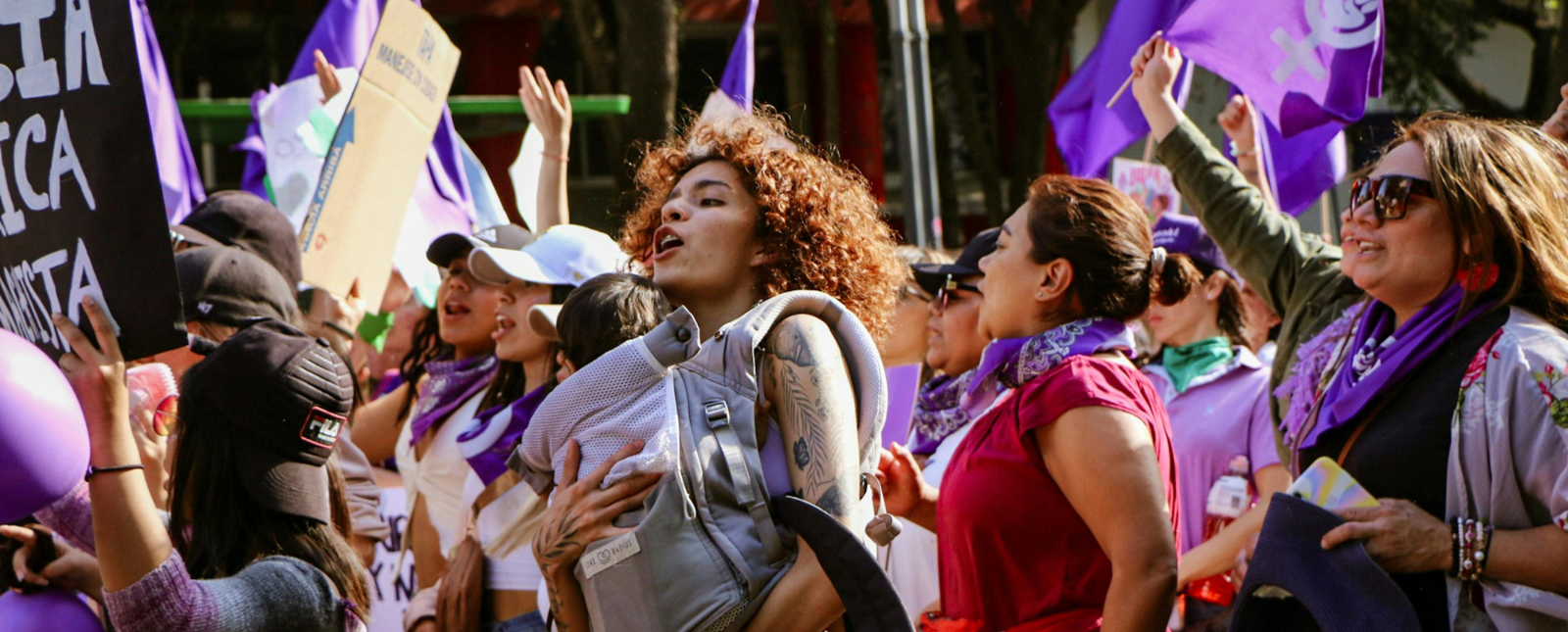
A radical feminist politics of kinship asks us to interrogate the roots of how we live together: how we form families, share resources, and imagine belonging. At stake, says Víctor Hugo Ramírez García is not only gender equality, but the future of democracy itself Read more
Eiman Alabdulghani
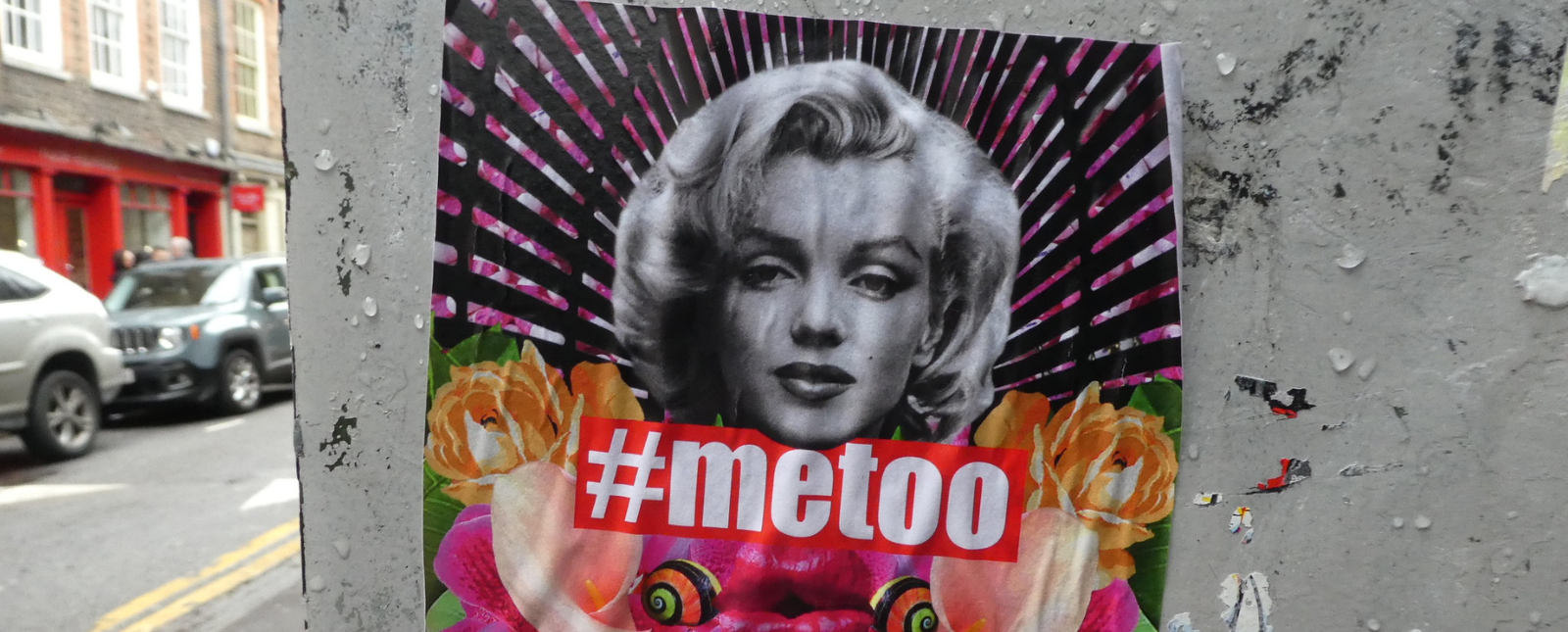
For decades, activists have worked to end gender-based violence through grassroots organising, legal challenges, and public education. But Eiman Alabdulghani’s research suggests that the digital world represents a powerful new front. Social media hashtags can spark global movements, and citizen journalists can hold power to account in ways previously unimaginable Read more
Klaudia Koxha
Gender equality is a fundamental EU value and a condition for the accession of new members. Yet political parties in Western Balkan candidate countries rarely prioritise it. Klaudia Koxha explains why: parties respond when Brussels and voters agree, but go quiet when their positions clash, especially on LGBTQ+ rights Read more
Başak Akkan
In response to shifting gender hierarchies and demographic anxieties, authoritarian populists are pushing a 'family in crisis' narrative. Başak Akkan and Tuğçe Erçetin argue that ‘familyism’ ideology underpins pronatalist care politics aimed at restoring the patriarchal sexual contract Read more
Sonia Sarkar
Followers of the ‘Hindutva’ Hindu nationalist movement are using AI-generated pornographic images to degrade Indian Muslim women – including public figures. Their tactics, argues Sonia Sarkar, serve the movement’s wider drive to humiliate India’s 200-million-strong Muslim community Read more
Selina Mabrouki
Populist leaders don’t just claim to represent the people – they embody them. Through strongman toughness or maternal guardianship, populists model idealised versions of a nation’s citizens, and they naturalise exclusion. Selina Mabrouki shows how contemporary populist leaders exploit gendered role models as tools of emotional persuasion Read more
Silvia Díaz Fernández
Research on digital violence must account for its metapolitical dimension. Silvia Díaz Fernández reveals how proponents of the far-right metapolitical project are shaping public discourse to fit their anti-democratic interests. Digital violence against women, racialised people and queer communities is all part of their strategy Read more
Jana Belschner
Jana Belschner analysed 875,000 Twitter exchanges during Germany's 2021 election. Here, she reveals complex patterns in online toxicity between citizens and elites. Politicians’ behaviour matters, but identity markers also shape experiences of digital political toxicity Read more
We use necessary cookies to make our site work. We'd also like to set analytics cookies that help us make improvements by measuring how you use the site. These will be set only if you accept.
▼
Strictly Necessary Cookies
Necessary cookies enable core functionality such as security, network management, and accessibility. You may disable these by changing your browser settings, but this may affect how the website functions.
▼
Analytics Cookies
Google Analytics
We'd like to set Google Analytics cookies to help us improve our website by collecting and reporting information on how you use it. The cookies collect information in a way that does not directly identify anyone. For more information on how these cookies work please see our Privacy Notice.