Camilla Reuterswärd
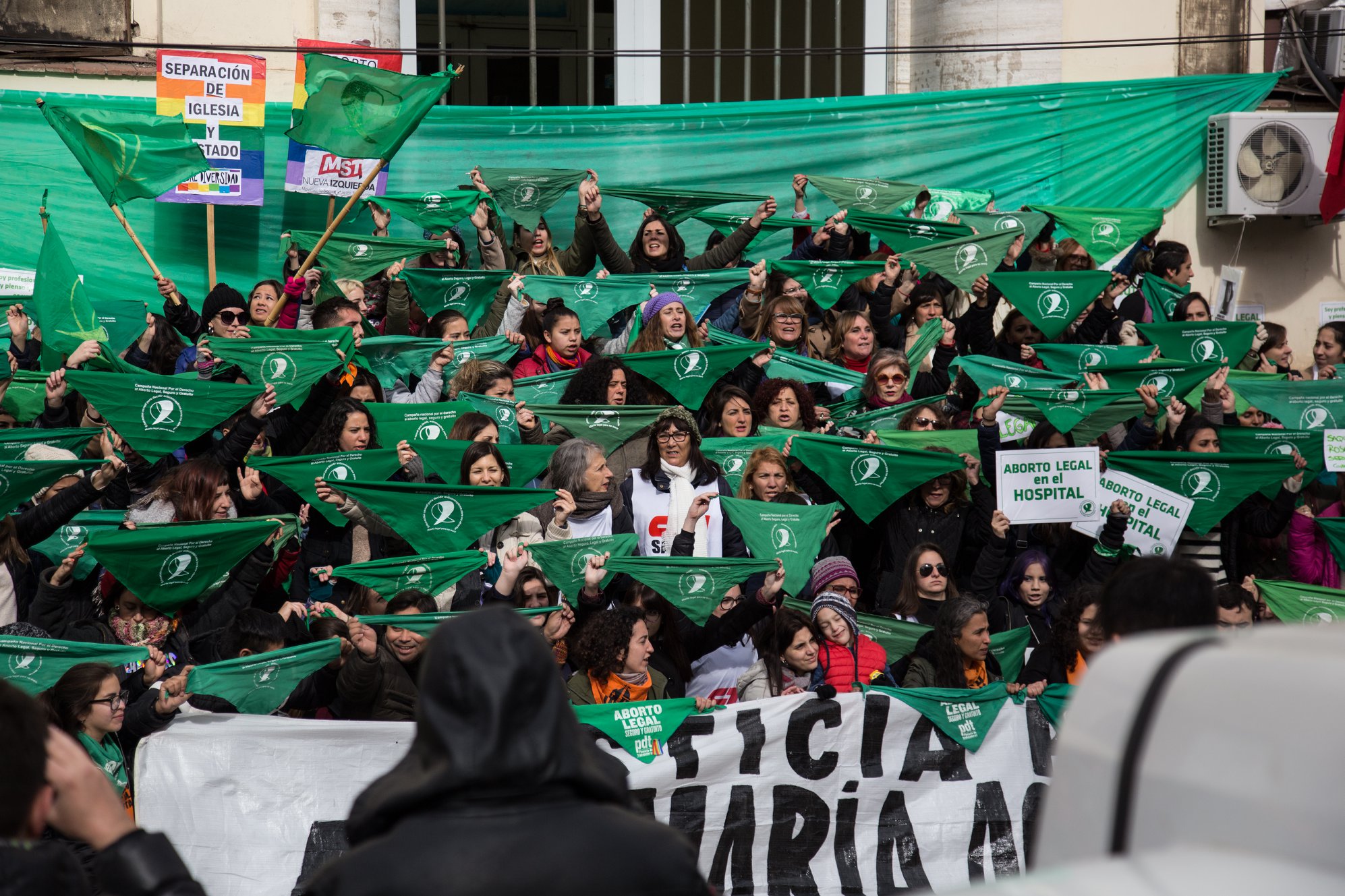
Javier Milei’s electoral victory ushered in another right-wing populist win in Latin America. The new president threatens to undo a major achievement for women’s rights —Argentina’s abortion legalisation. Yet Milei might not succeed. Camilla Reuterswärd and Cora Fernandez Anderson explain why the radical populist will lose the battle over abortion Read more
Raquel Santos Fernandes
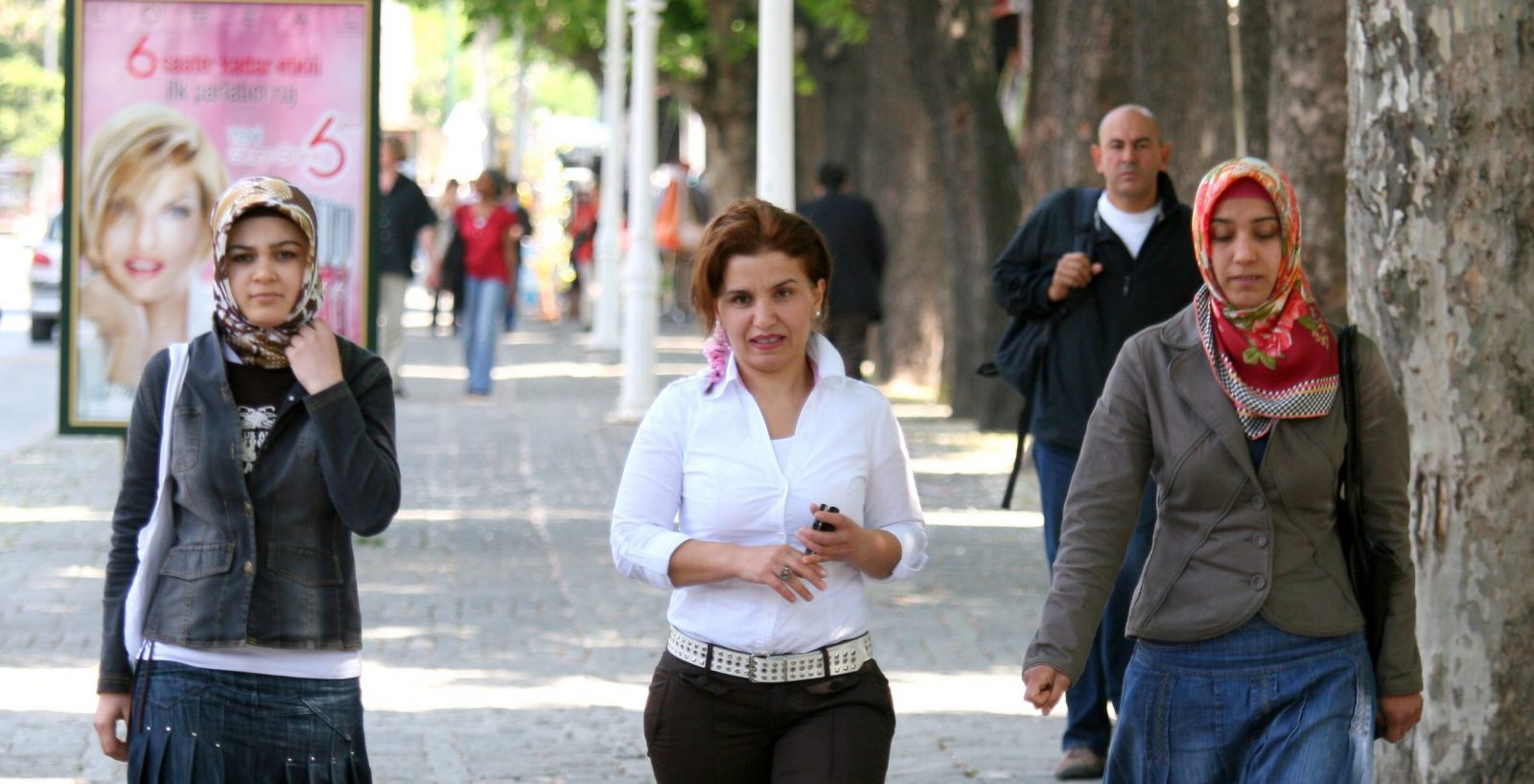
The less democratic the political regime, the more asymmetrical gender relations become. Raquel Santos Fernandes terms this phenomenon ‘gendering de-democratisation’. Based on data from Turkey, she explains how the process increasingly excludes women, and limits their experiences of citizenship in politics, in the economy, and in their intimate lives Read more
Jesi Carson
Feminist and justice-oriented design frameworks offer pathways to democratic transformations. Jesi Carson draws on her experience as design practitioner and researcher in collaborative projects including Participedia and the Global Classroom for Democracy Innovation to explore the transformative potential of design thinking Read more
Olimpia Burchiellaro
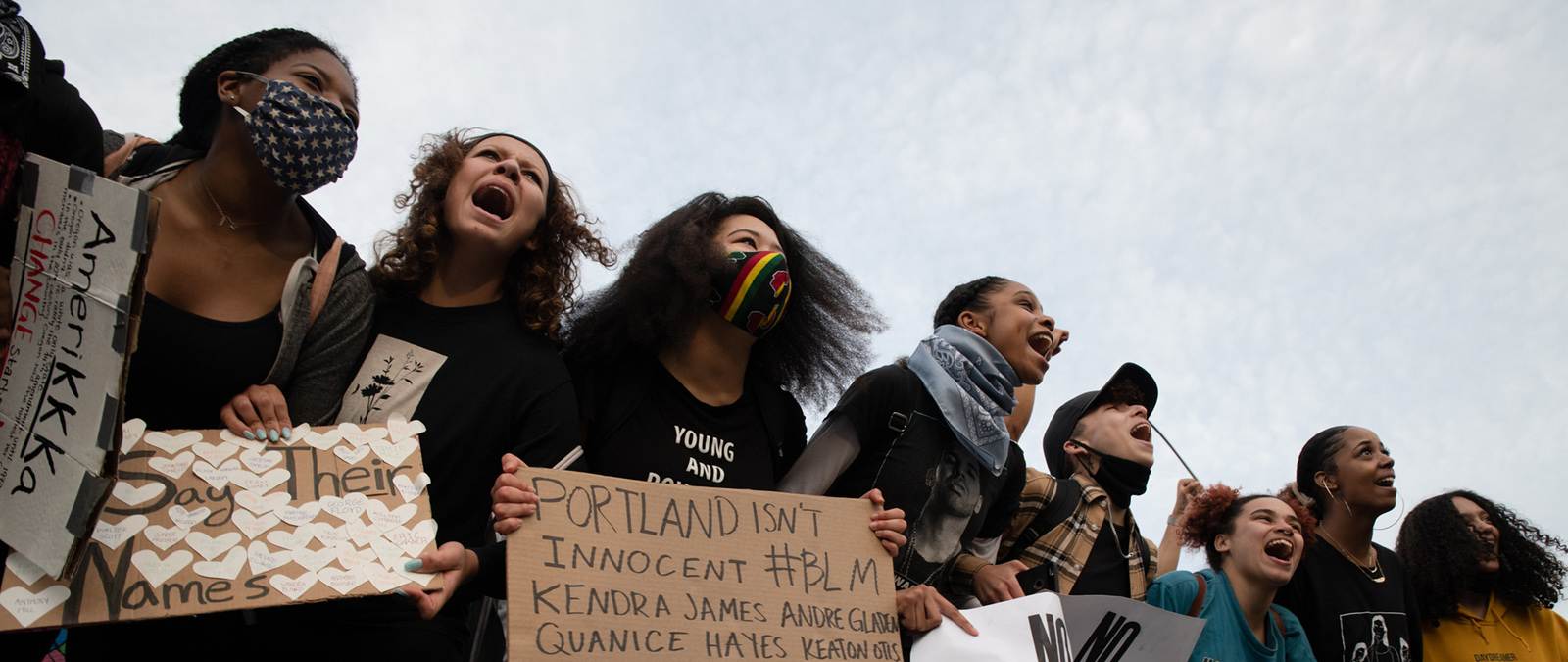
We are living in a new era of diversity-friendly corporations. These corporations are co-opting difference to wash over the violences of capitalism. Olimpia Burchiellaro argues that only by reconnecting identity struggles to questions of economic justice will we engender democratic transformations Read more
Joana Lilli Hofstetter
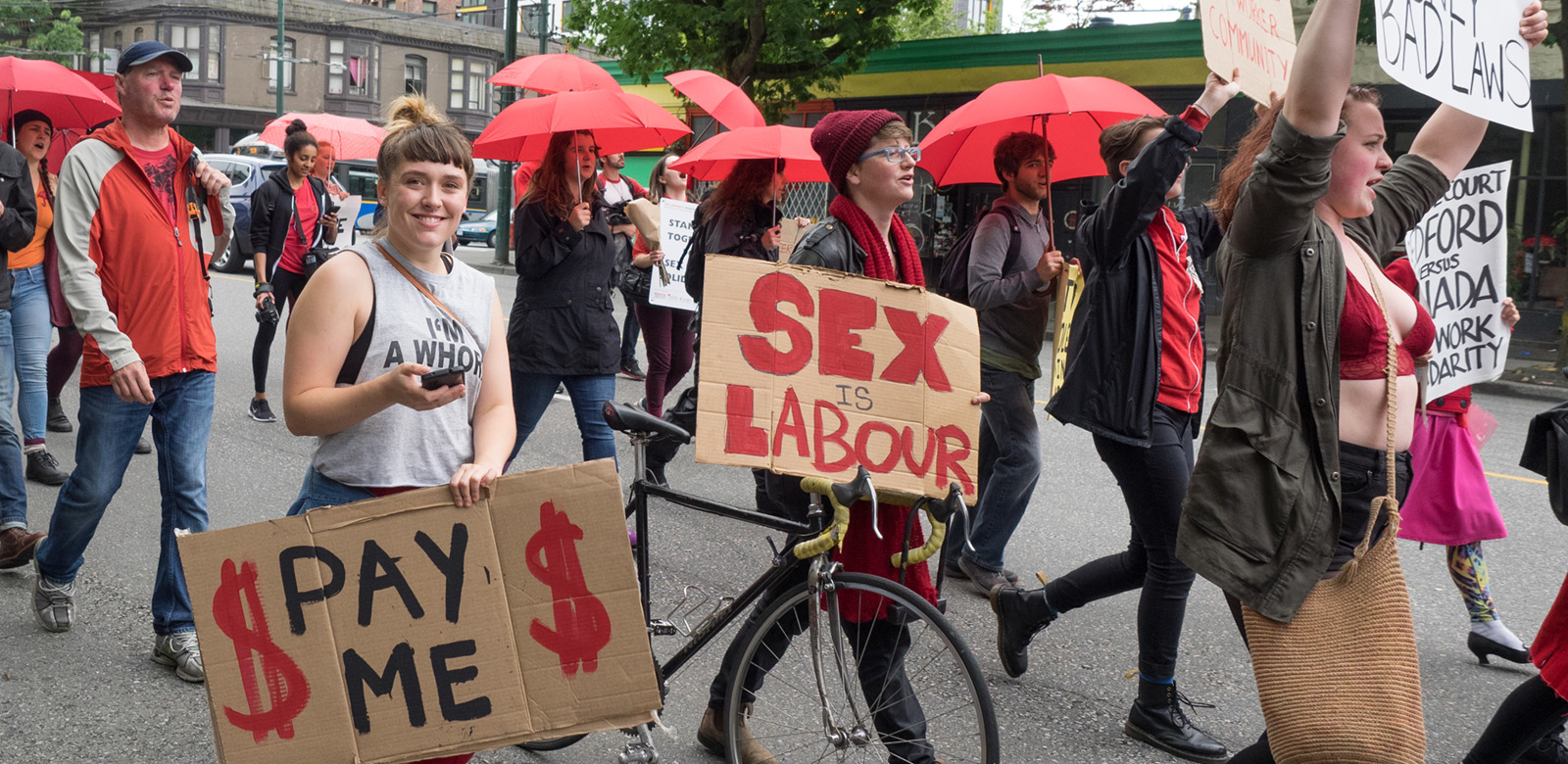
Analyses of the opposition against gender equality in Europe mostly address the opponents of women’s rights as inherently anti-democratic, and feminist actors as democratic by definition. But Joana Lilli Hofstetter and Lucrecia Rubio Grundell use sex work as an example of how anti-democratic backlashes against women’s rights can also be promoted by feminist actors Read more
Catherine Eschle
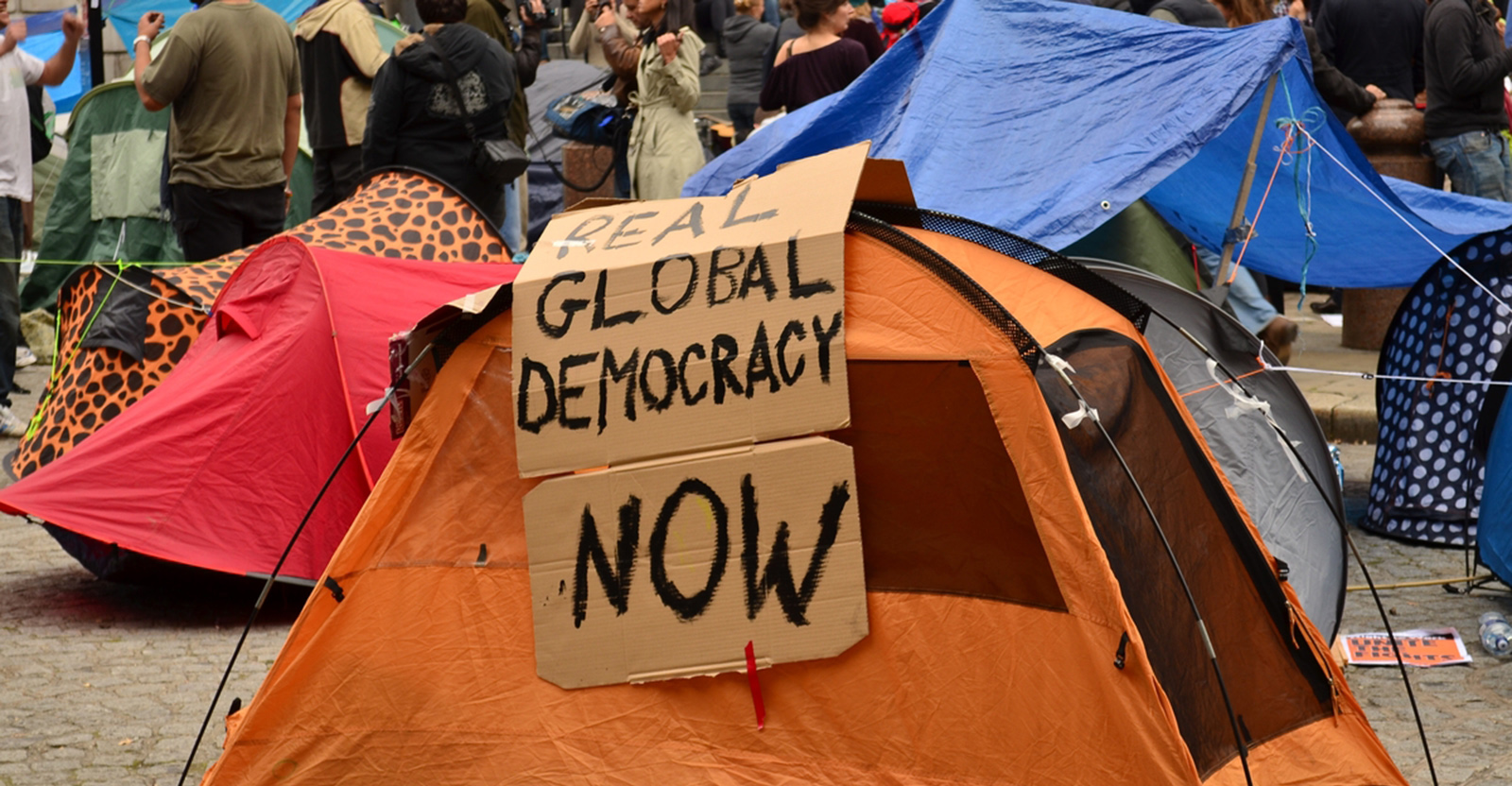
In a new edited book, Catherine Eschle argues that protest camps are important spaces of feminist struggle. Here, she asks: are protest camps a site of 21st century feminist democracy? Read more
Ragnhild Louise Muriaas
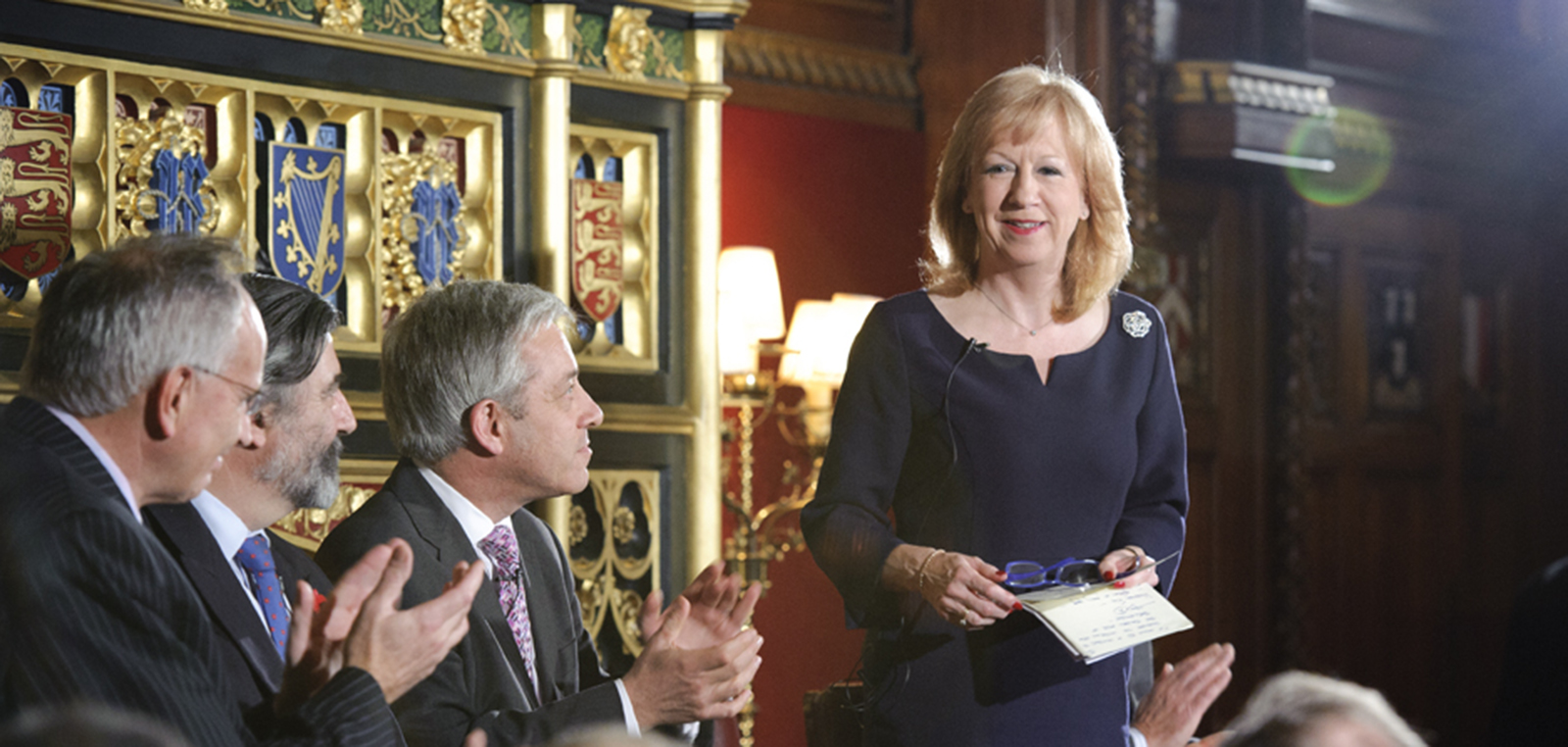
In recent decades, women across the globe have entered parliaments in greater numbers. Few of them, however, end up as senior MPs with long experience. This, write Ragnhild Louise Muriaas and Torill Stavenes, means that women – even in advanced democracies – are still much less powerful than men in parliaments Read more
Anna Bosco
There is a clearly established numerical predominance of male authors in political science journals. Anna Bosco and Susannah Verney show that this gender gap applies at every career stage and is accompanied by gendered publication strategies, which may not offer women the optimum path to career success Read more
We use necessary cookies to make our site work. We'd also like to set analytics cookies that help us make improvements by measuring how you use the site. These will be set only if you accept.
▼
Strictly Necessary Cookies
Necessary cookies enable core functionality such as security, network management, and accessibility. You may disable these by changing your browser settings, but this may affect how the website functions.
▼
Analytics Cookies
Google Analytics
We'd like to set Google Analytics cookies to help us improve our website by collecting and reporting information on how you use it. The cookies collect information in a way that does not directly identify anyone. For more information on how these cookies work please see our Privacy Notice.