Niva Golan-Nadir
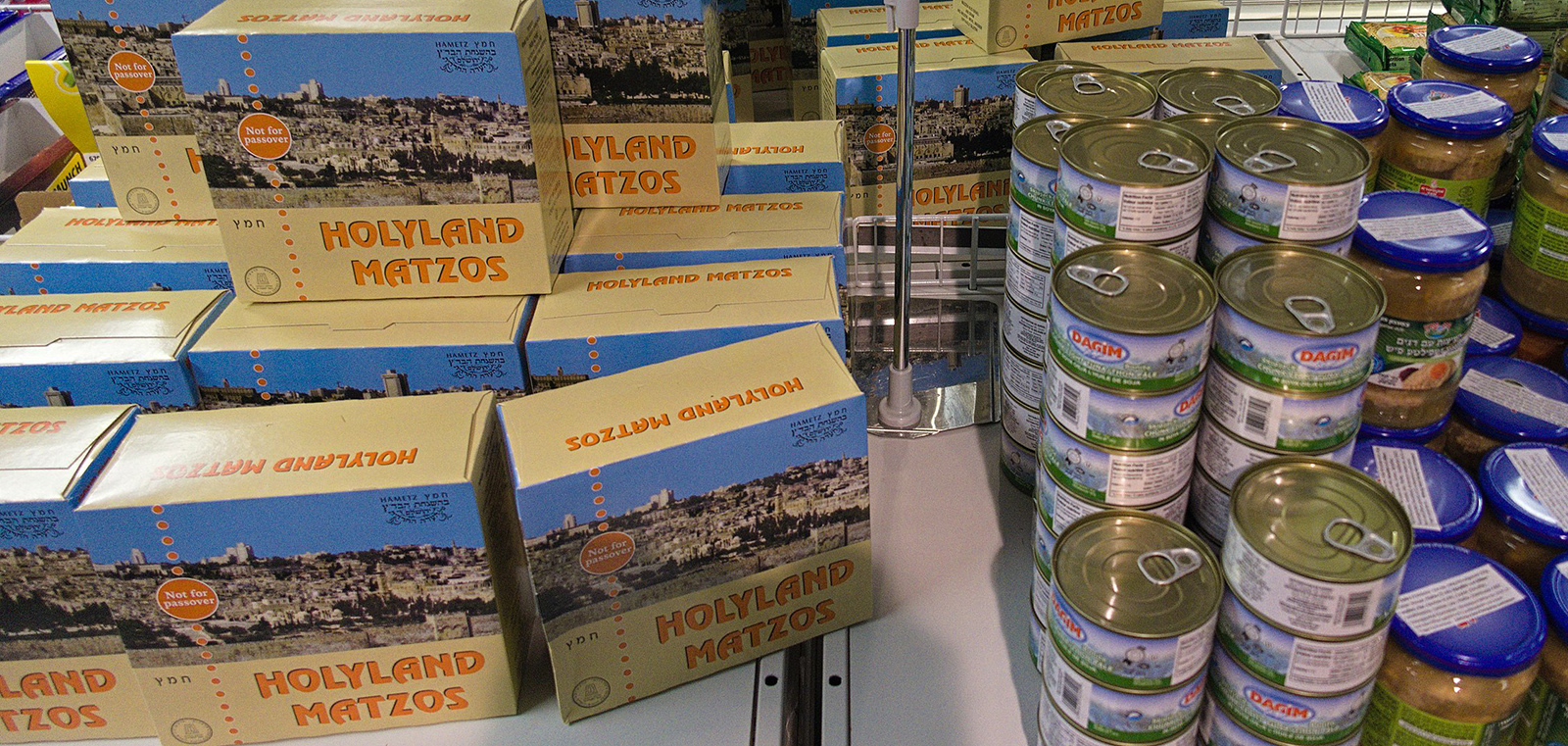
Innovative bureaucratic reforms are often explained by pointing to the motivations of individual bureaucrats or organisational culture. Yet, Niva Golan-Nadir explains how macro-level factors such as bureaucratic inefficiency, public criticism, and competition from NGOs also help initiate policy innovation and motivate managers into becoming entrepreneurs The bureaucratic inefficiency of Kosher food inspection in Israel The […] Read more
Sophia Hunger
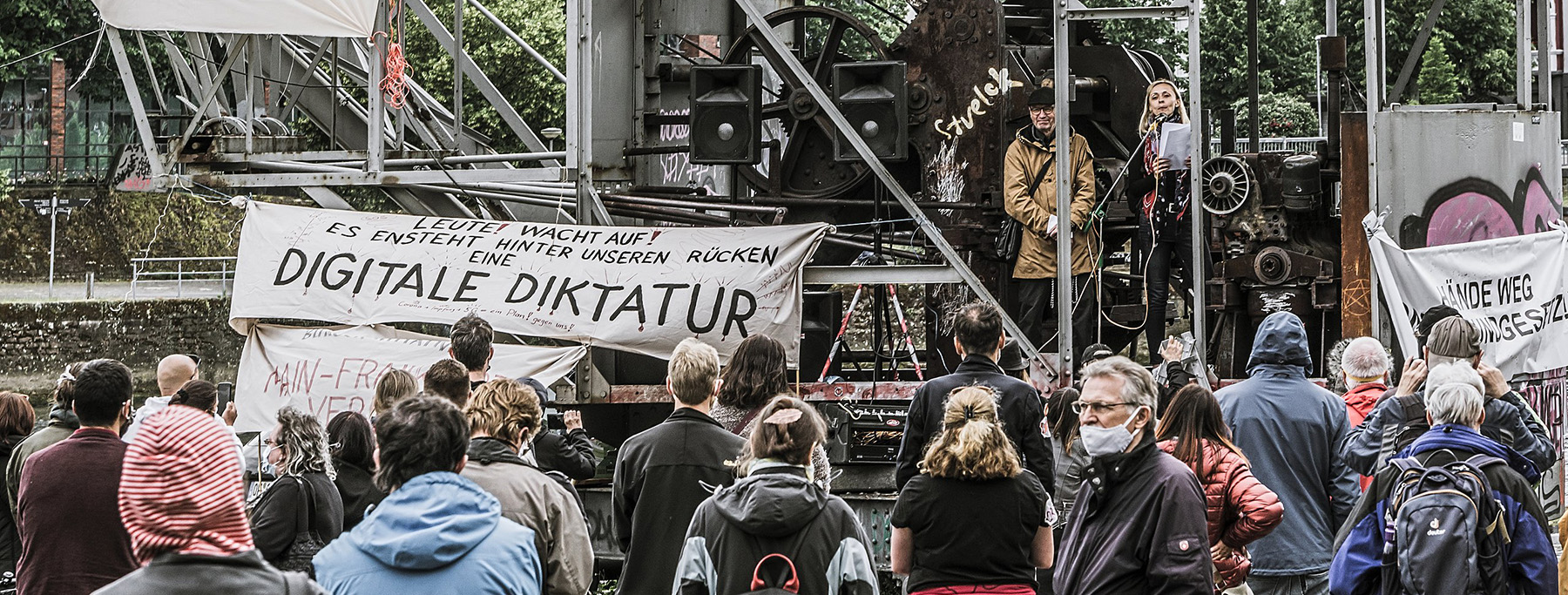
In recent years, demonstrations against containment measures to mitigate the spread of Covid-19 have dominated the protest landscape. Sophia Hunger, Swen Hutter and Eylem Kanol explain what drives individuals from passive sympathy to active participation. They find that political and ideological attitudes, rather than 'biographical availability', play a critical role Read more
Jeffrey Haynes
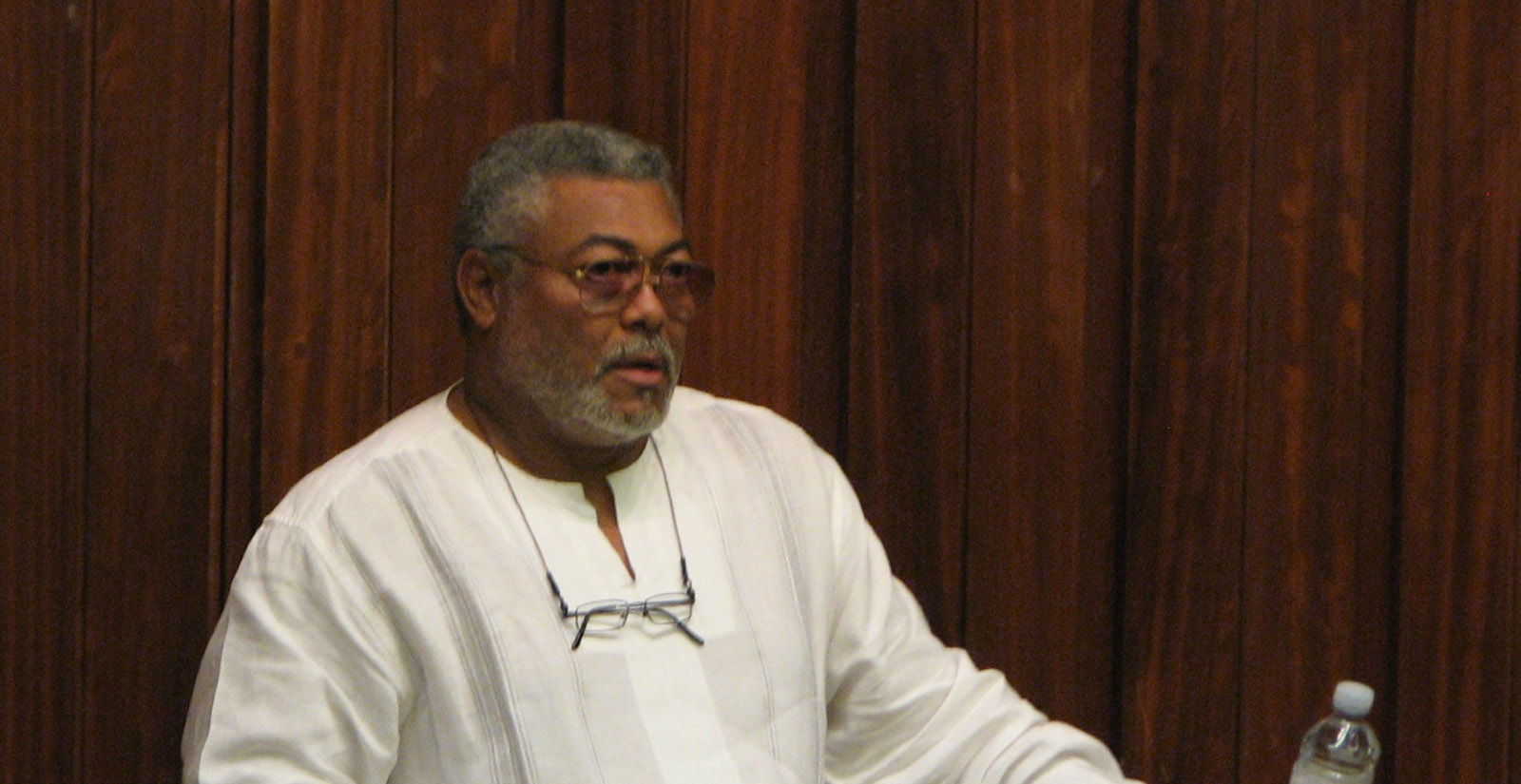
Jeffrey Haynes argues that one of Africa’s most controversial leaders, the late Jerry John Rawlings of Ghana, began his political career as a fiery revolutionary and ended it as a popularly elected president via a liberal democratic political system. What explains this volte face? Was it ideological conversion or expediency? Read more
Fathali M. Moghaddam
Fathali M. Moghaddam puts forward a picture of 'actualised democracy' aimed at the equal participation of every person in all public decision-making. For it to succeed, today’s citizens need upskilling into 'democratic citizens' Read more
Nina Hall
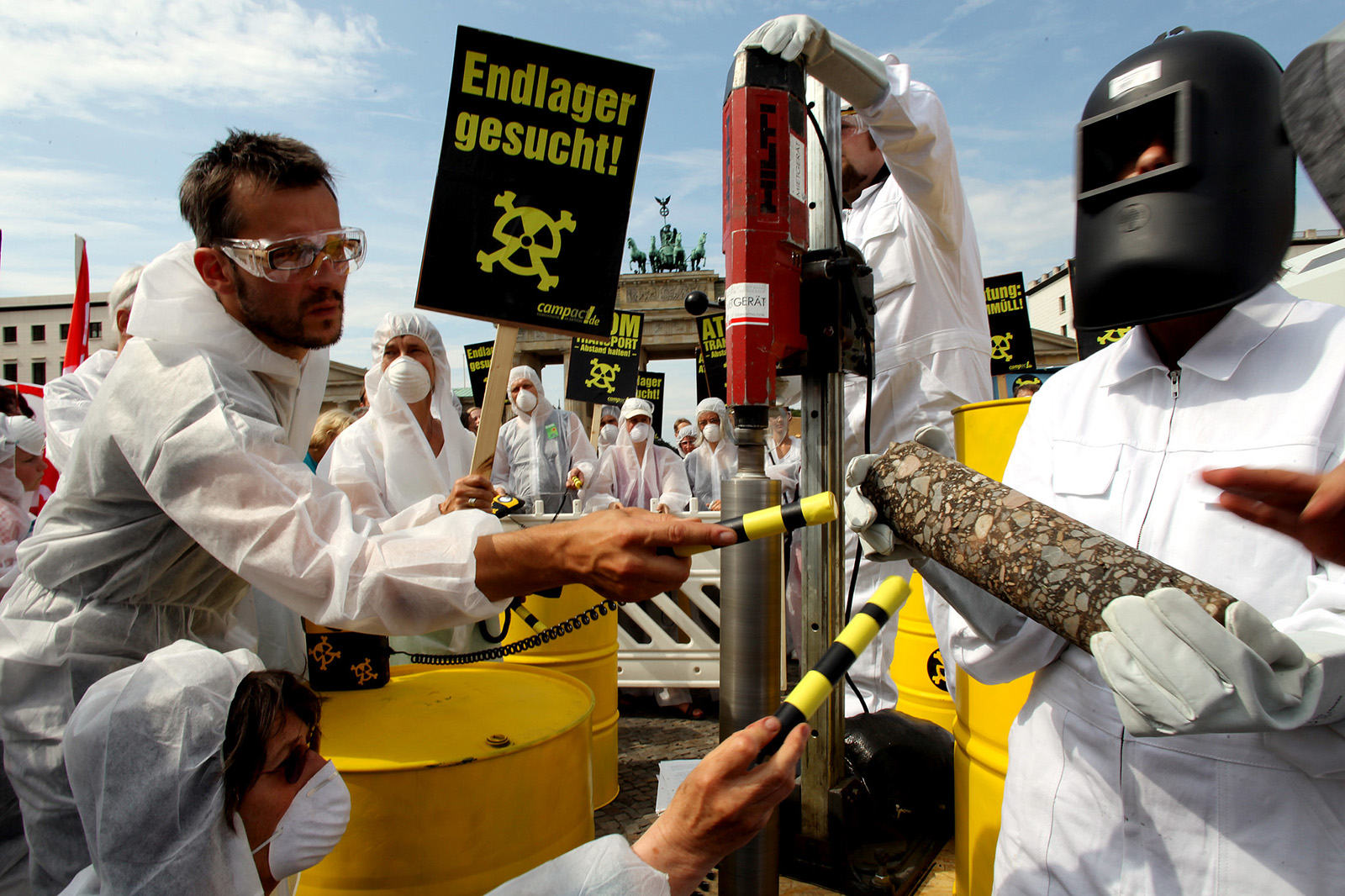
Digital advocacy organisations have pioneered new strategies to mobilise people rapidly, and shape public opinion. But increasingly, they face challenges from new technologies, and complex relationships with NGOs. Nina Hall and Paola Pierri outline five potential futures for these organisations Read more
Jaap Hoeksma
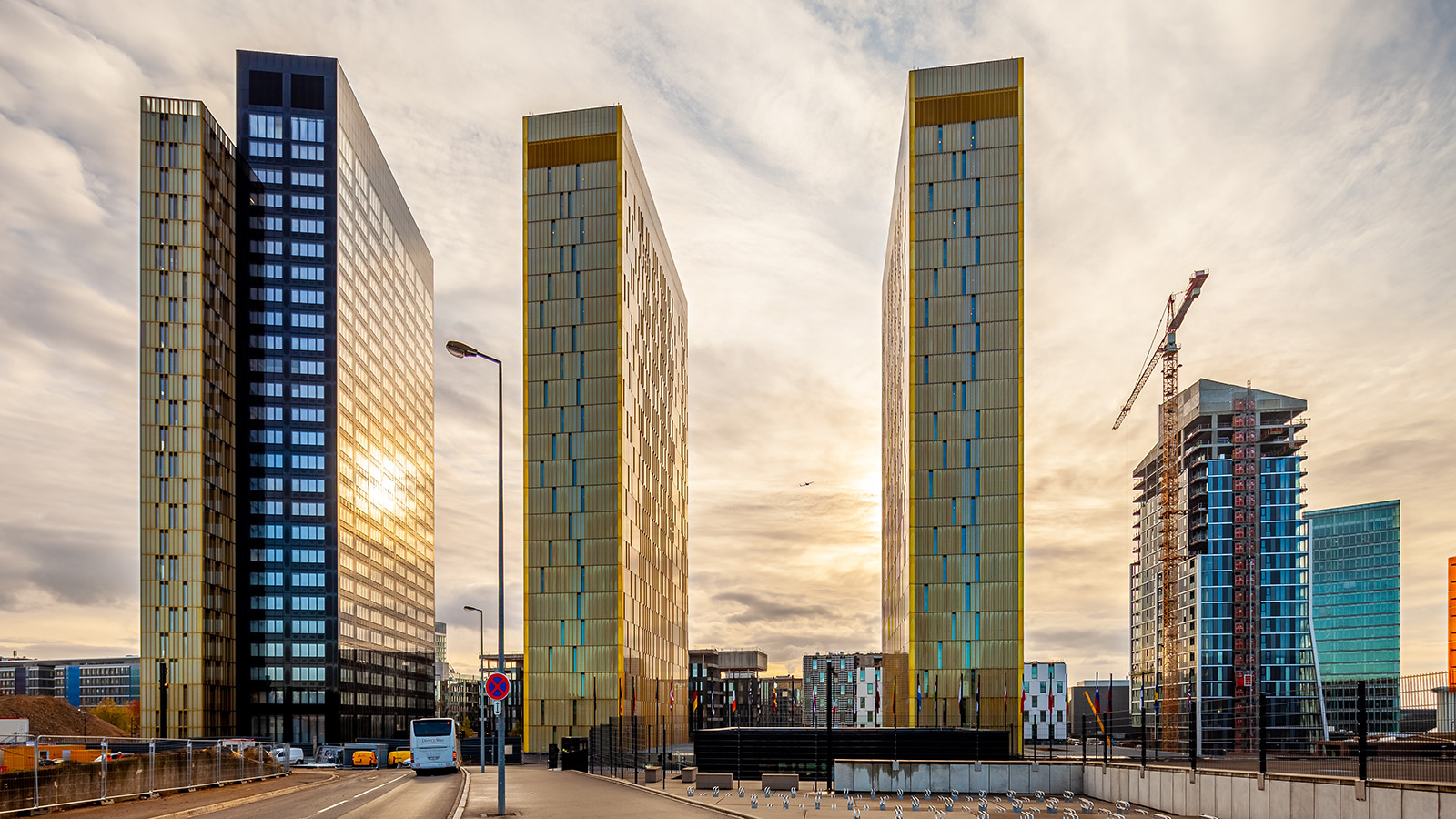
Jaap Hoeksma argues that a European Court of Justice ruling in 2022 legally overcame the EU’s longstanding democratic deficit. The EU should now draw on the implications of that ruling, and declare itself an original model of democracy Read more
Ilona Lahdelma
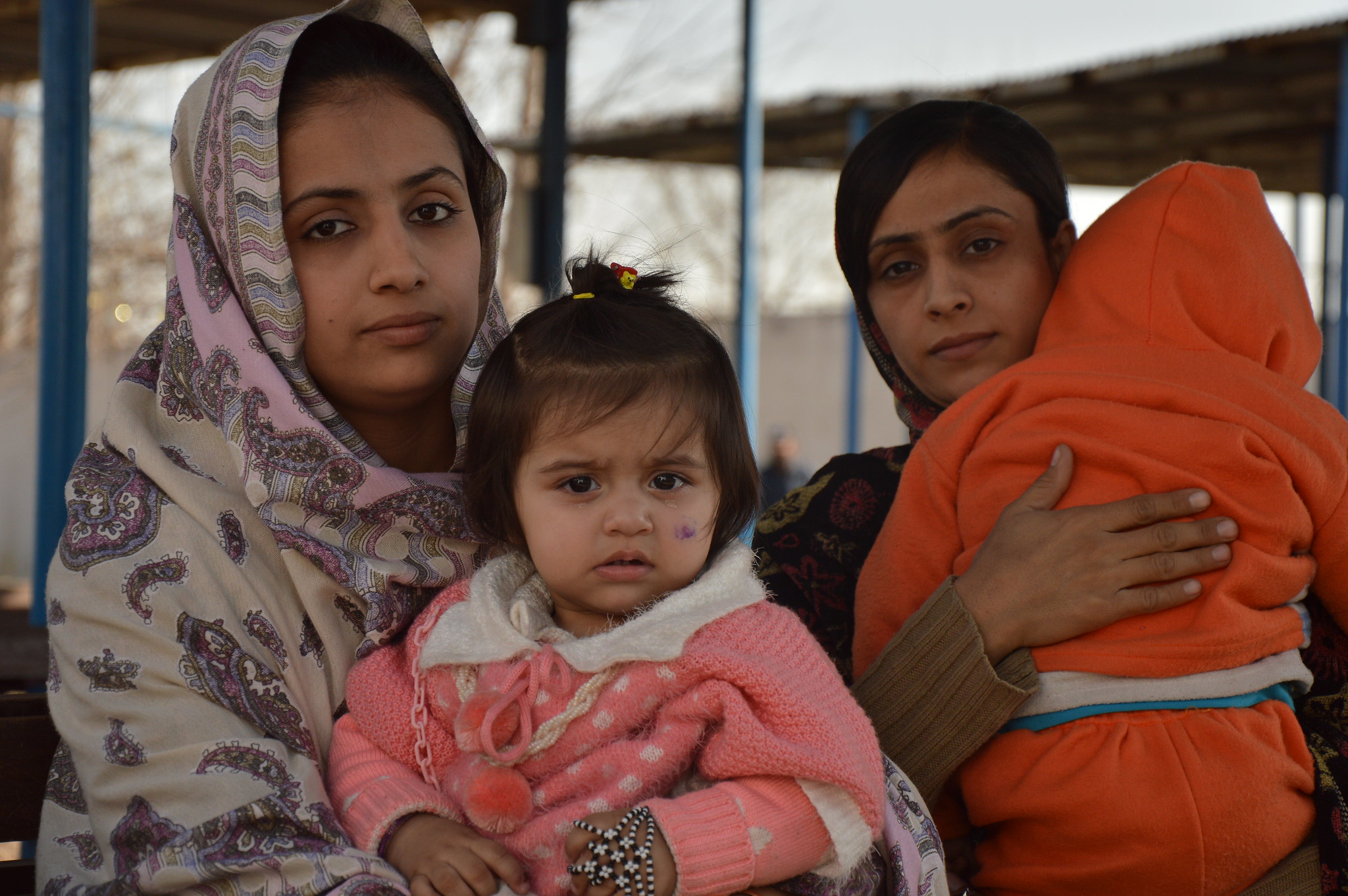
Europe’s capitals are the largest recipients of refugees because of their infrastructures, existing high proportion of foreigners and residents’ liberal outlooks. Yet, Ilona Lahdelma argues, rural areas suffering from population shortage might be better equipped to integrate refugees than previously thought. Both parties might even benefit from the arrangement Read more
Jonathan Powell
Observers were quick to call the events on 8 January in Brazil a coup attempt. But Jonathan Powell and Salah Ben Hammou caution against conflating coup advocacy with coup attempts. Authoritarianism scholars should also note that usage of the term 'coup' has historically varied Read more
We use necessary cookies to make our site work. We'd also like to set analytics cookies that help us make improvements by measuring how you use the site. These will be set only if you accept.
▼
Strictly Necessary Cookies
Necessary cookies enable core functionality such as security, network management, and accessibility. You may disable these by changing your browser settings, but this may affect how the website functions.
▼
Analytics Cookies
Google Analytics
We'd like to set Google Analytics cookies to help us improve our website by collecting and reporting information on how you use it. The cookies collect information in a way that does not directly identify anyone. For more information on how these cookies work please see our Privacy Notice.