Alexander Langenkamp
Alexander Langenkamp and Simon Bienstman argue that populist parties appeal strongly to citizens who feel vulnerable and discontented in ways that may be more than just political. This is an important explanatory factor of the electoral success of populist parties as a symptom of 'protest at the ballot box' Read more
Markus Thiel
The inclusion of social minorities is contingent on civic activism and government policies that become more polarised as well as volatile in times of crises. Markus Thiel, Ernesto Fiocchetto and Jeffrey Maslanik delve into the state of inclusion policies throughout Europe Read more
Carina Siebler
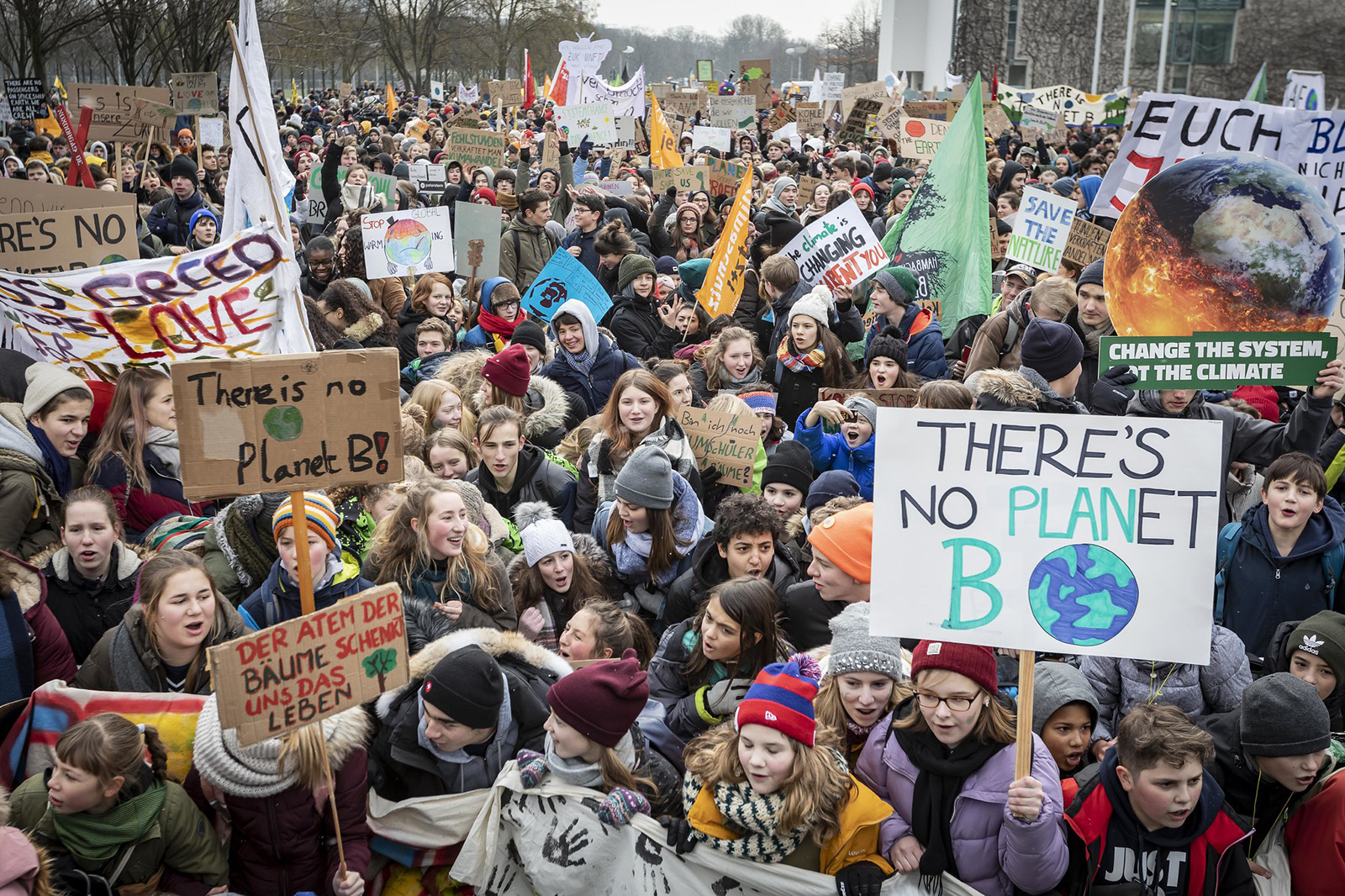
Carina Siebler, Leonhard Schmidt, Lennart Schürmann and Daniel Saldivia Gonzatti examine the success and changing strategy of the Fridays for Future movement. Under the impact of the pandemic and the rise of competing protest groups, the movement is adapting its strategy to advocate for social climate policies amid a changing political landscape Read more
Diogo Vieira Ferreira
Space technology sees increased use in warfare. This has generated great concern for the European Union’s capacity to maintain a stable space policy. Diogo Vieira Ferreira argues that the effective development of European space policy requires the participation and input of the so-called ‘Outermost Regions’ as strategic actors Read more
Elena Baro
Scholars have been trying to understand what unifies voters of populist parties and what the prototypical populist voter looks like. Elena Baro proposes a new perspective in the study of the demand-side, that of embracing what makes the study of populism challenging: its thin and chameleonic nature Read more
Benjamin J. Radford
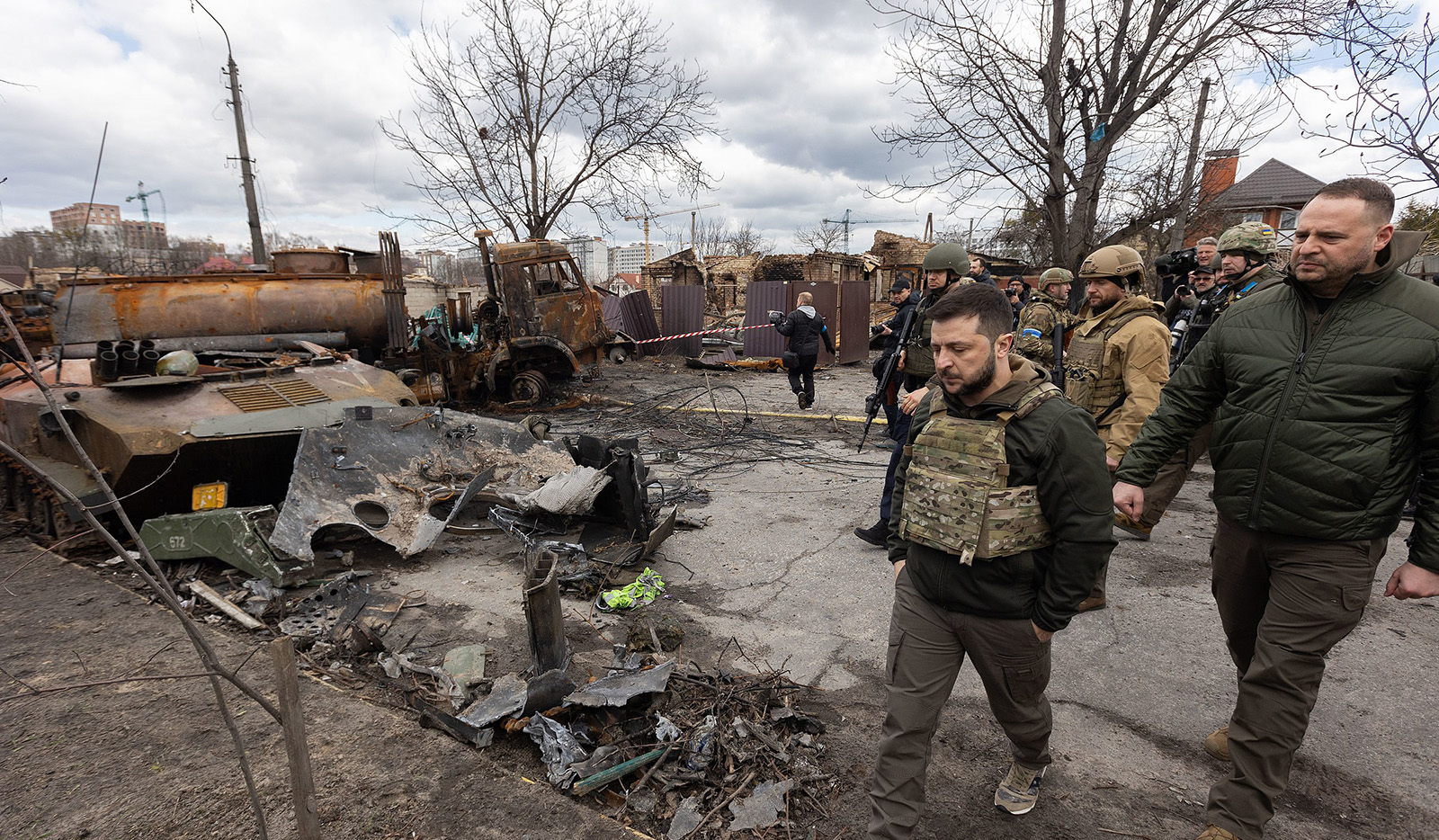
In the wake of the ongoing Russia-Ukraine conflict, Benjamin J. Radford, Yaoyao Dai, Niklas Stoehr, Aaron Schein, Mya Fernandez, and Hanif Sajid have developed a model to better estimate the loss numbers obscured by the fog of war and the biases of somereporting sources Read more
Lisa Herzog
'Political epistemology' is a new branch of political theory dealing with the relationship between knowledge and politics. Theorists disagree whether epistemology delivers reasons for or against democracy. But, writes Lisa Herzog, the better question is: what epistemic infrastructures do democracies need to function well? And are we doing enough to preserve these infrastructures? Read more
George Kordas
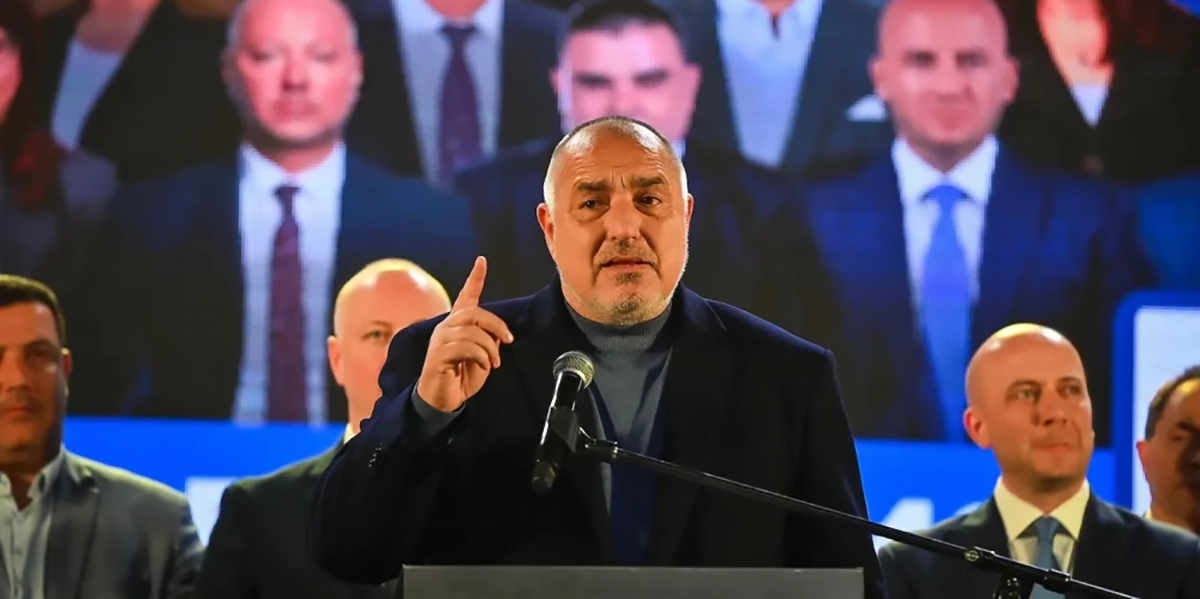
George Kordas argues that repeat elections can benefit democracy if democratic mechanisms function effectively, giving voice to people frustrated with the current system. But when, as in Bulgaria, elections produce paralysis, and old powers continue in office, this compromises citizens’ belief in democracy Read more
We use necessary cookies to make our site work. We'd also like to set analytics cookies that help us make improvements by measuring how you use the site. These will be set only if you accept.
▼
Strictly Necessary Cookies
Necessary cookies enable core functionality such as security, network management, and accessibility. You may disable these by changing your browser settings, but this may affect how the website functions.
▼
Analytics Cookies
Google Analytics
We'd like to set Google Analytics cookies to help us improve our website by collecting and reporting information on how you use it. The cookies collect information in a way that does not directly identify anyone. For more information on how these cookies work please see our Privacy Notice.