Murat Aktaş
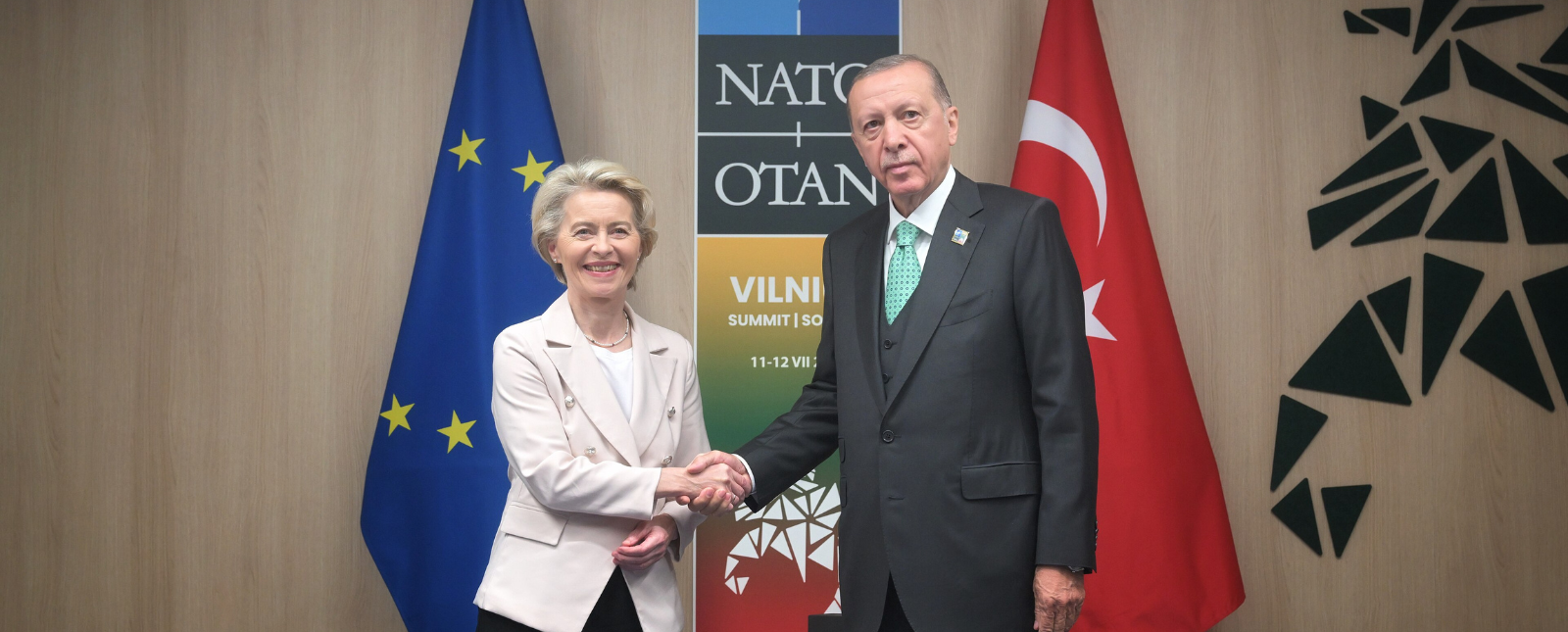
Ursula von der Leyen’s move to group Türkiye with Russia and China jeopardises the EU’s new security architecture. Murat Aktaş warns that treating an official EU candidate and ally as an 'excluded partner' is a strategic miscalculation. This deepening crack between rhetoric and reality creates an ontological crisis, threatening the credibility of the enlargement policy Read more
Robin Gilman
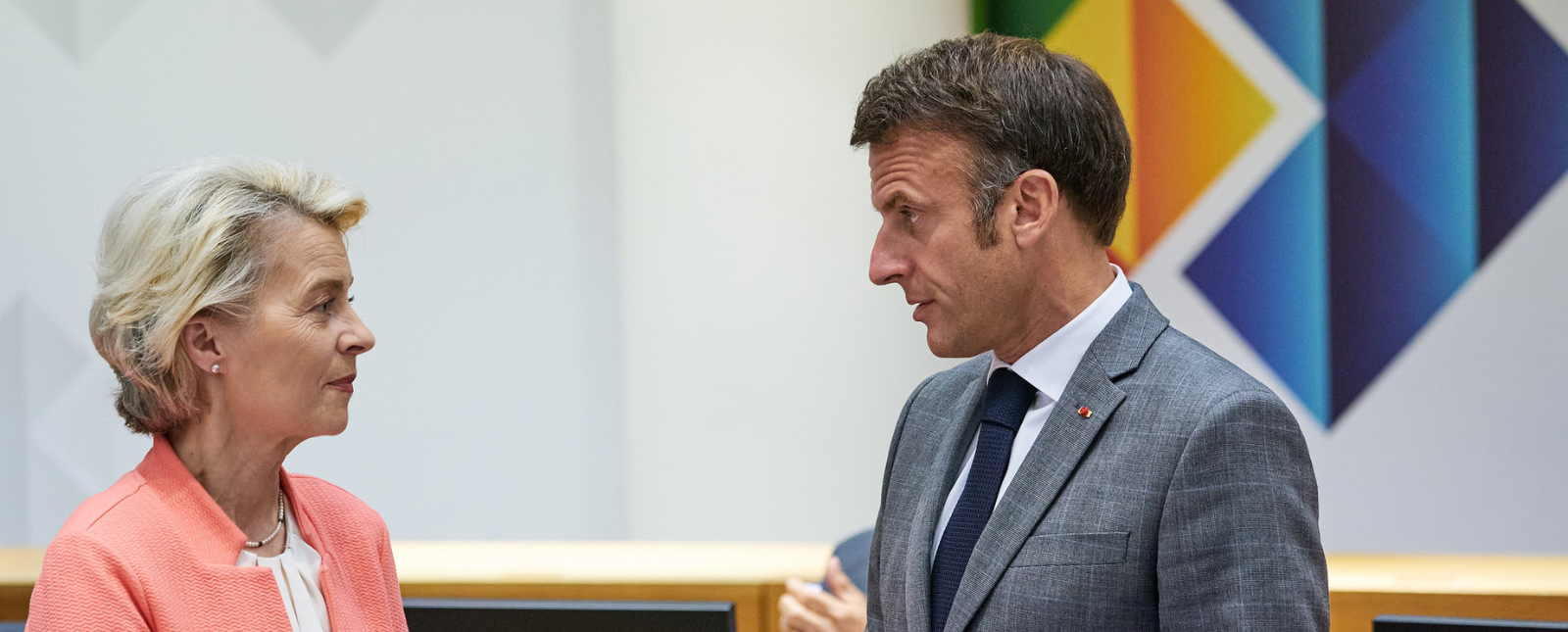
France claims that a 'safer’ Europe is the goal of its new nuclear policy. Yet Robin Gilman argues that undermining the nonproliferation treaty is eroding the EU’s credibility and safety, leaving it at a crossroads. It can either remain a reliable partner – or fuel the collapse of the rules-based order Read more
Omran Shroufi
We commonly hear EU leaders talk about the need to ‘defend democracy’. Yet, as Omran Shroufi shows, their discourse is often more about identifying and naming geopolitical threats than it is about tackling pervasive, home-grown structural problems of democratic disconnect and disillusionment Read more
Oana-Cosmina Mihalache
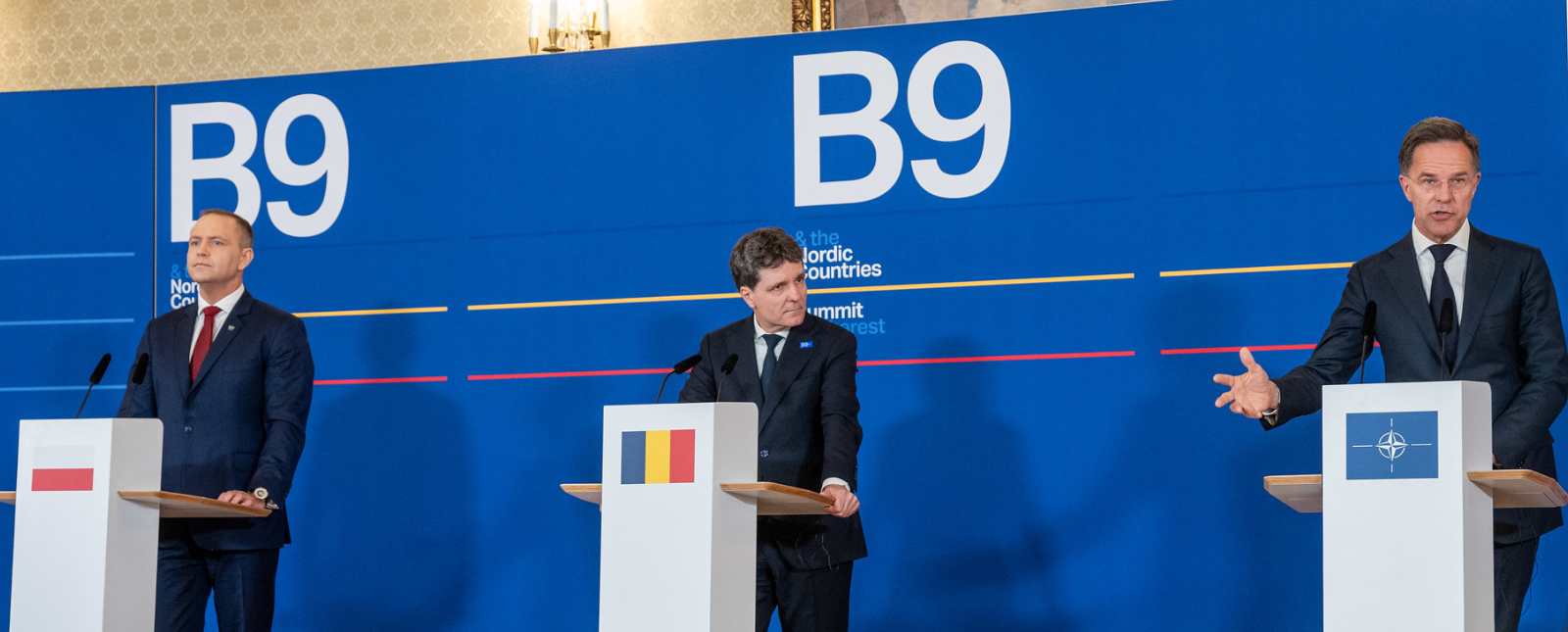
On 13 May 2026, Bucharest hosted the Summit of the Bucharest Nine (B9) and the Nordic countries. Oana-Cosmina Mihalache argues that the reunion’s outcome was indicative of the format’s role in the architecture of European defence cooperation Read more
Tutku Zengin
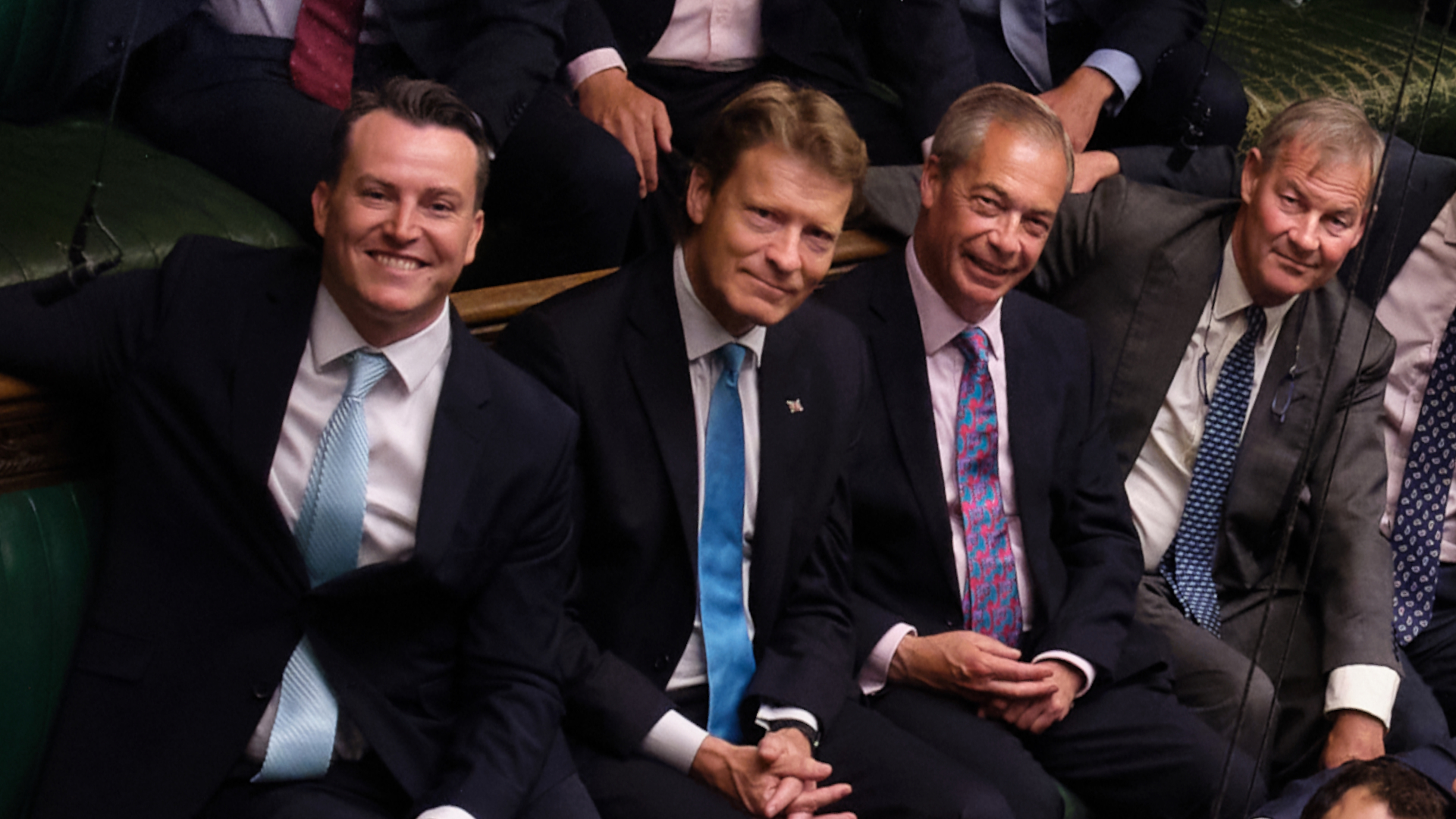
Nigel Farage, the leader of Reform UK, dominates headlines as the face of the party’s populism. However, Tutku Zengin's analysis of 1,108 statements from all five Reform UK parliamentarians elected in the 2024 general election reveals that Farage is not the most populist among elected Reform UK politicians Read more
Koen Slootmaeckers
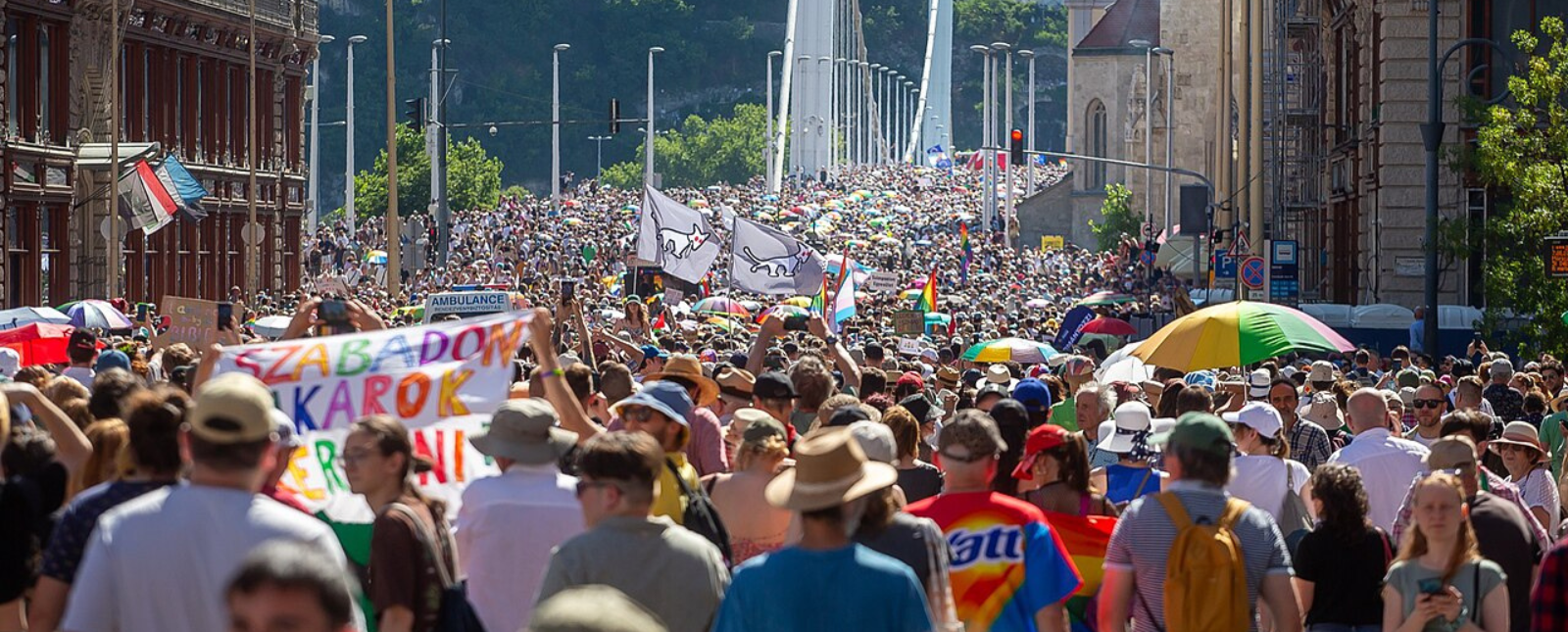
On 21 April 2026 the European Court of Justice delivered a landmark ruling, arguing that Hungary’s anti-LGBTQ+ law, in dehumanising LGBTIQ+ people, is incompatible with EU values. Koen Slootmaeckers analyses the Court’s ruling and its wider implications beyond Hungary Read more
Iveri Kekenadze Gustafsson
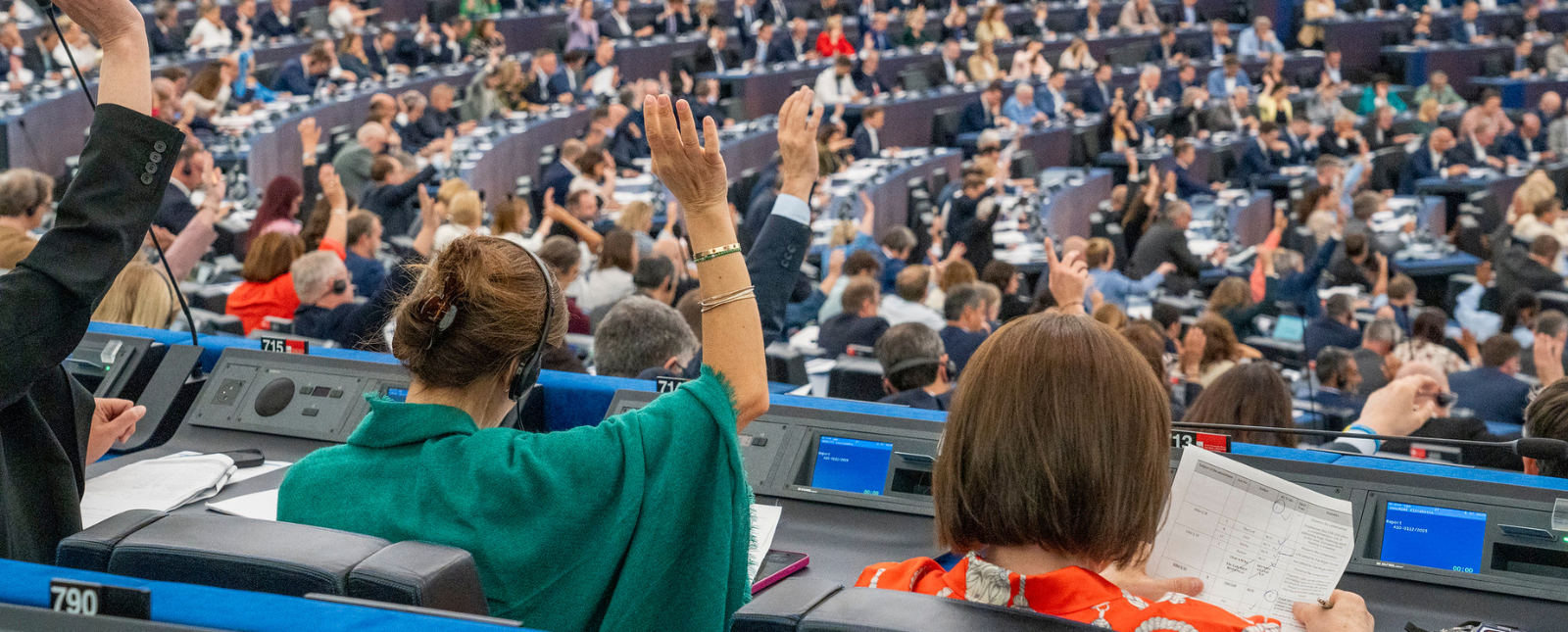
The crushing defeat of Viktor Orbán’s Fidesz in Hungary’s 2026 elections gives the EU a rare opportunity to reform its enlargement policy. Iveri Kekenadze Gustafsson argues that this moment can accelerate candidates’ path to membership and prevent single states from derailing the process for domestic or bilateral political gain Read more
Eiman Alabdulghani
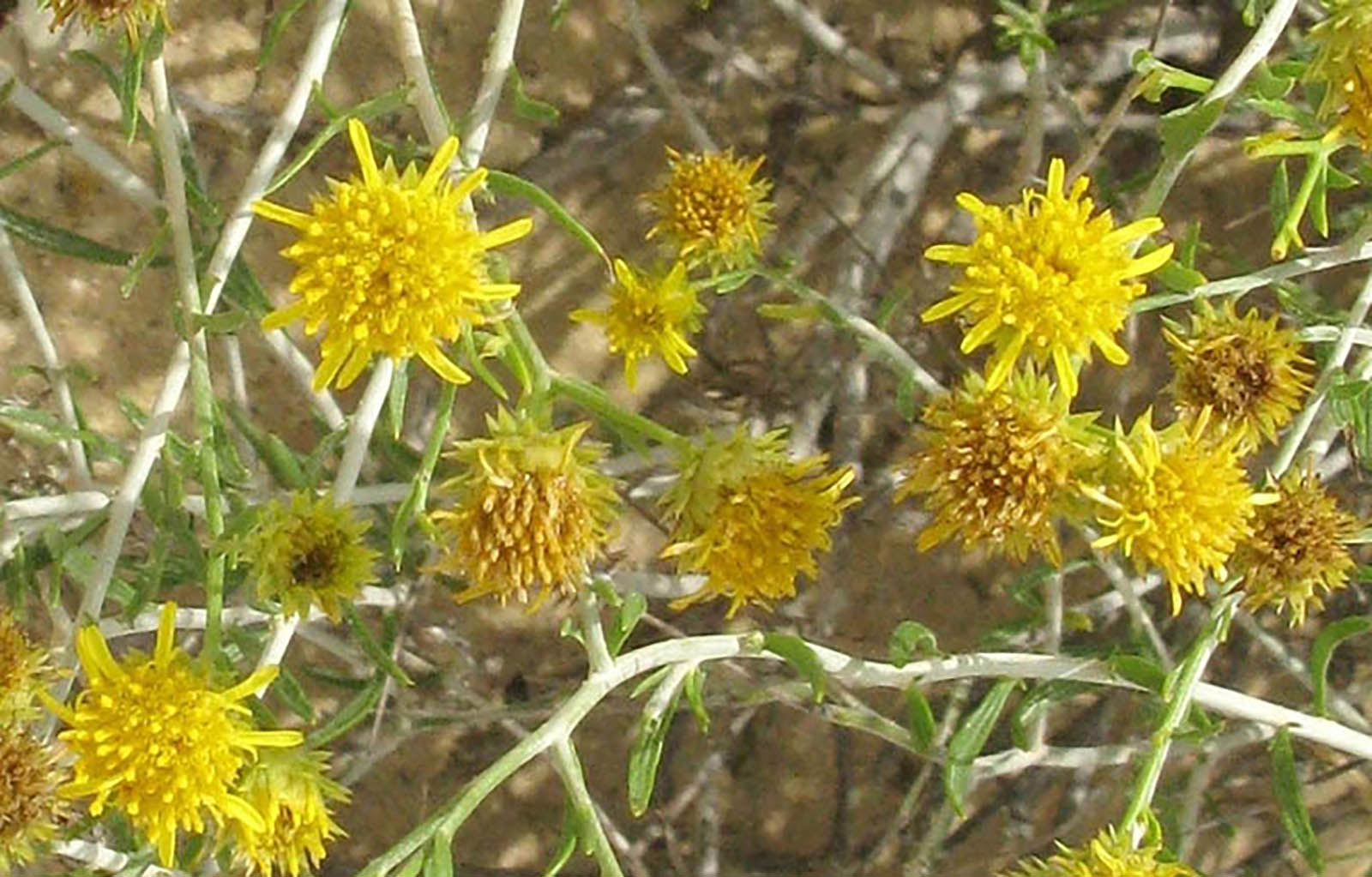
As security tensions rise in the Gulf, Kuwait's Al-Arfaj flower has emerged as a symbol of resistance, unity, and resilience. Eiman Alabdulghani explains how the bloom has quickly become a focal point of public sentiment, galvanising citizens and residents in a powerful display of solidarity with the forces tasked with defending Kuwaiti sovereignty Read more
We use necessary cookies to make our site work. We'd also like to set analytics cookies that help us make improvements by measuring how you use the site. These will be set only if you accept.
▼
Strictly Necessary Cookies
Necessary cookies enable core functionality such as security, network management, and accessibility. You may disable these by changing your browser settings, but this may affect how the website functions.
▼
Analytics Cookies
Google Analytics
We'd like to set Google Analytics cookies to help us improve our website by collecting and reporting information on how you use it. The cookies collect information in a way that does not directly identify anyone. For more information on how these cookies work please see our Privacy Notice.