Dragomir Stoyanov
Bulgarians recently went to the polls for the sixth time in three years to try and resolve an ongoing political crisis, writes Dragomir Stoyanov. The surprising results suggest a return to government made up of status quo parties and a likely end to any prospects of political reform. Read more
Ivaylo Dinev
On Sunday 9 June 2024, Bulgaria went to the polls for the sixth parliamentary elections in three years. Bulgaria's political crisis, however, is far from over, writes Ivaylo Dinev Read more
Rory Costello
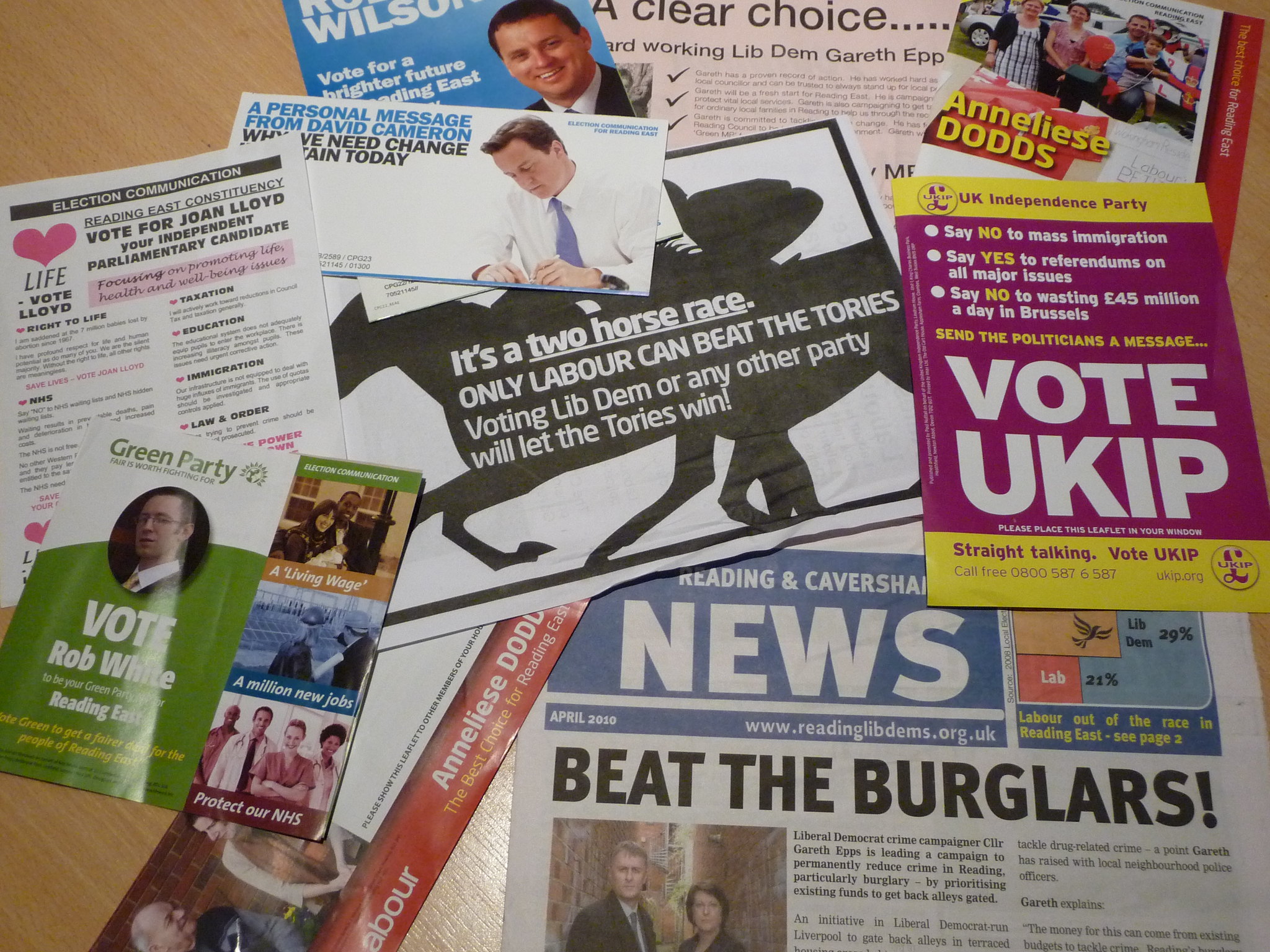
Party competition sometimes resembles an auction, where parties seek to ‘buy’ elections through spending promises. Rory Costello argues that this is particularly likely to occur when parties are ideologically indistinct. Parties that do not expect to be in government are also more likely to over-promise Read more
James F. Downes
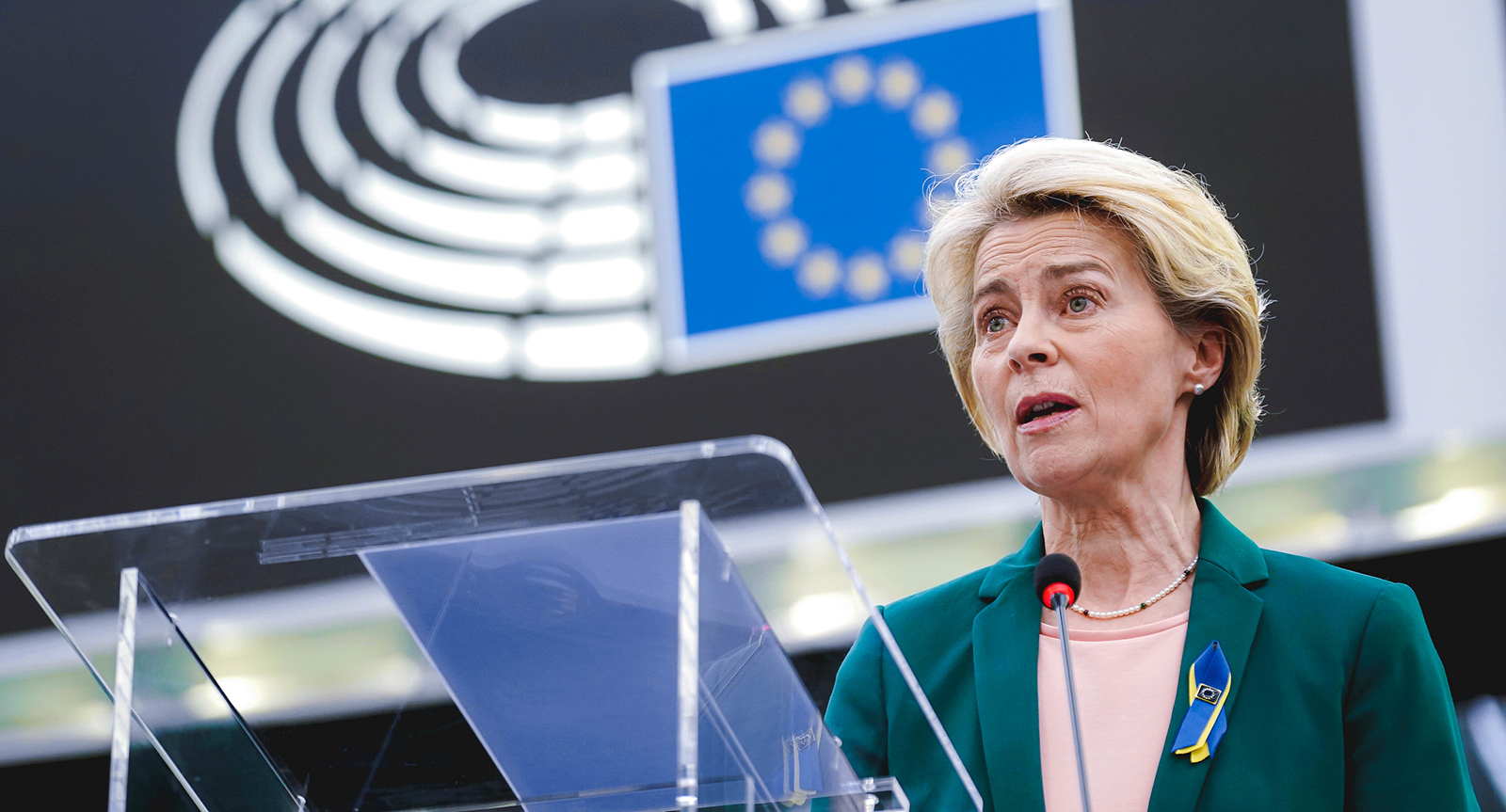
James F. Downes argues that elections to the European Parliament will likely lead to record representation for populist far-right parties. Lack of unity and ideological divisions, however, will make it difficult for the far right to wield any real power Read more
Michal Grahn
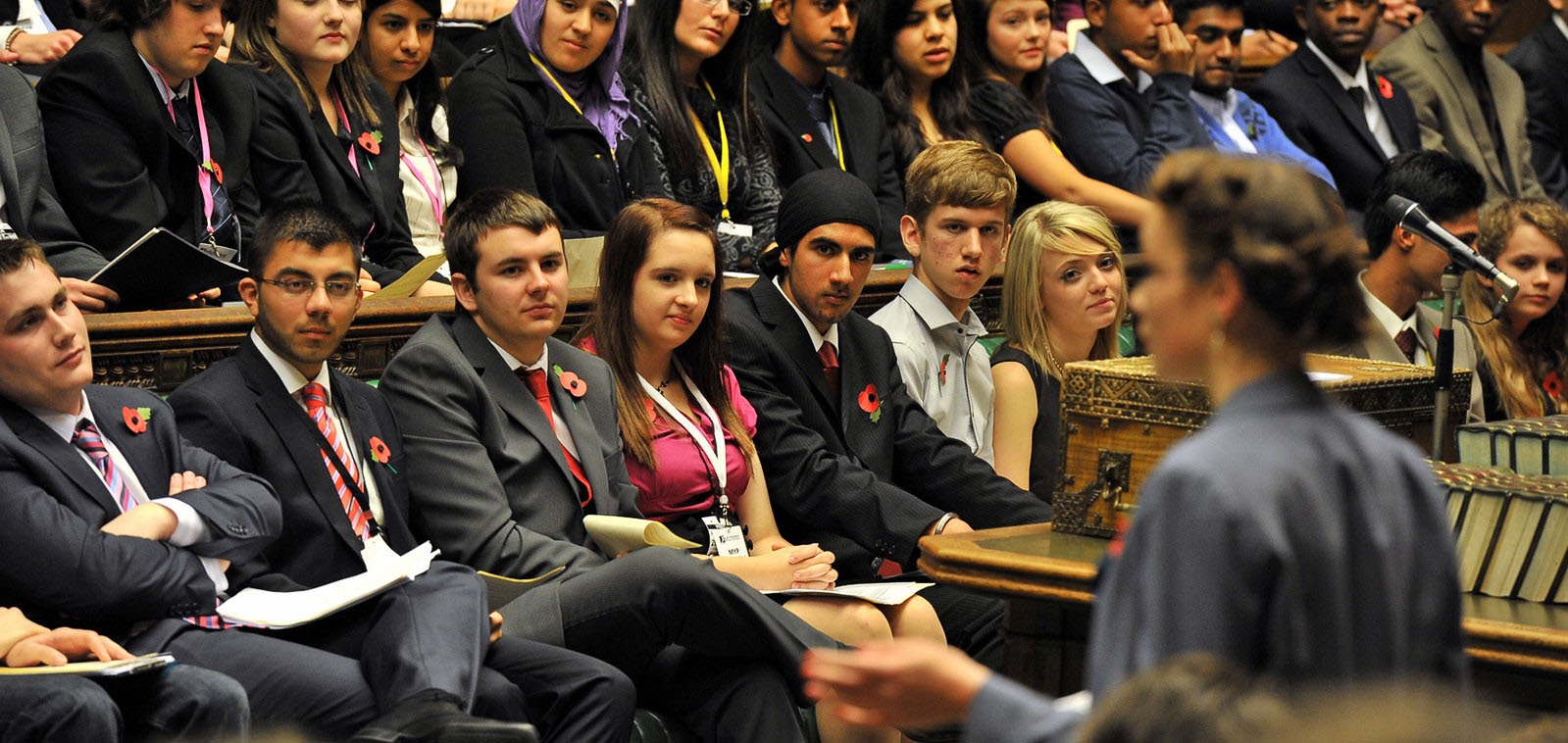
Evidence shows that young people make productive legislators who work hard and get reelected. With elections to the European Parliament imminent, voters have a chance to significantly boost youth representation in European politics. Michal Grahn argues that youth representation matters because young people are growing increasingly disillusioned with democracy Read more
Knowledge Mwonzora
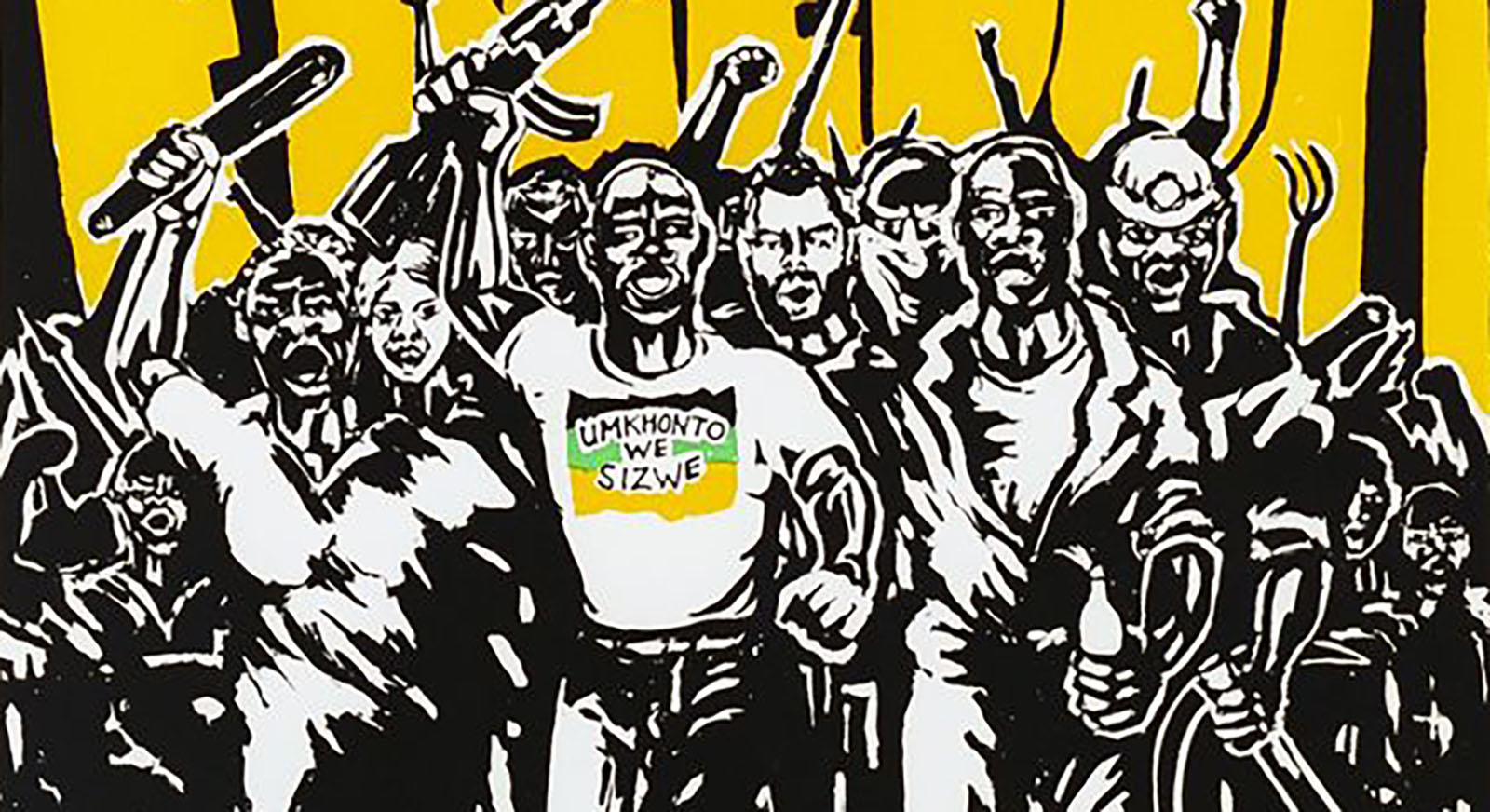
The ANC, party of former President Nelson Mandela, has held office in South Africa since 1994. Now, it is preparing itself for a watershed election. Knowledge Mwonzora outlines the prospects for the ANC's ousting from government as a result of the challenge from former President Jacob Zuma Read more
Michal Grahn
Far-right parties are growing increasingly hostile towards LGBTQ rights. In the forthcoming European Parliament elections, such parties are expected to gain significant ground. Michal Grahn shows that non-straight voters might, through mobilisation, help keep far-right forces at bay Read more
Vasabjit Banerjee
Pakistan’s recent elections have produced a two-party ruling coalition, and seemingly ended the confrontation between ex-Prime Minister Imran Khan and his former backers, the military. Yet, while the military’s role as a veto player in Pakistani politics remains unquestioned, its grip is shakier, argue Vasabjit Banerjee and Adnan Rasool. Read more
We use necessary cookies to make our site work. We'd also like to set analytics cookies that help us make improvements by measuring how you use the site. These will be set only if you accept.
▼
Strictly Necessary Cookies
Necessary cookies enable core functionality such as security, network management, and accessibility. You may disable these by changing your browser settings, but this may affect how the website functions.
▼
Analytics Cookies
Google Analytics
We'd like to set Google Analytics cookies to help us improve our website by collecting and reporting information on how you use it. The cookies collect information in a way that does not directly identify anyone. For more information on how these cookies work please see our Privacy Notice.