Massimo Prearo
Anti-gender politics does not only attack rights. It attacks the knowledge that makes those rights intelligible. Massimo Prearo argues that anti-gender politics is an epistemic conflict as much as a political one. This conflict generates political fatigue among researchers engaged in feminist and queer work. We must address such fatigue through distance, care and collective reflection Read more
Matthew K. Gichohi
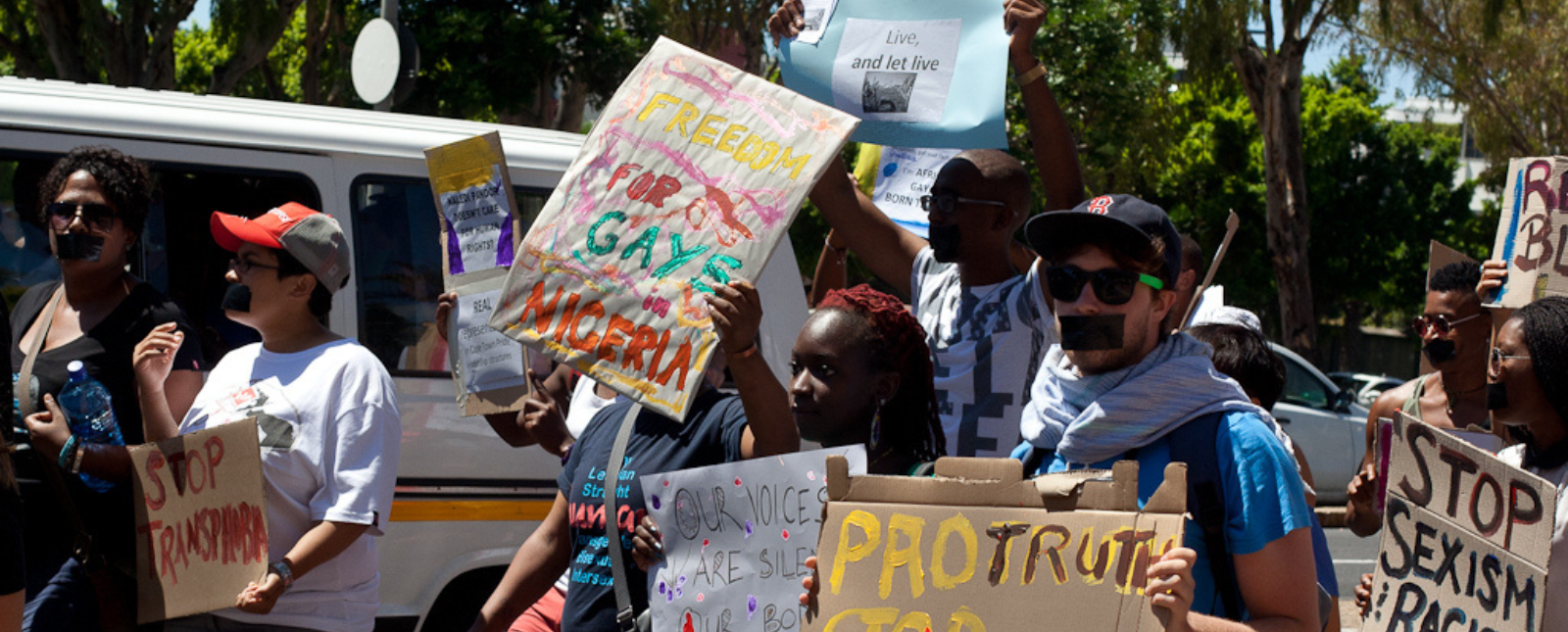
Nigerian queer activists have achieved a High Court ruling declaring parts of the country's Same-Sex Marriage (Prohibition) Act unconstitutional. Yet registrars, banks, police, and landlords are refusing to honour the ruling, reducing it to a mere 'victory on paper'. Matthew K. Gichohi, Ayodele Sogunro, and Liv Tønnessen argue that queer rights are eroded through bureaucracy, not legislation Read more
Sabine Volk
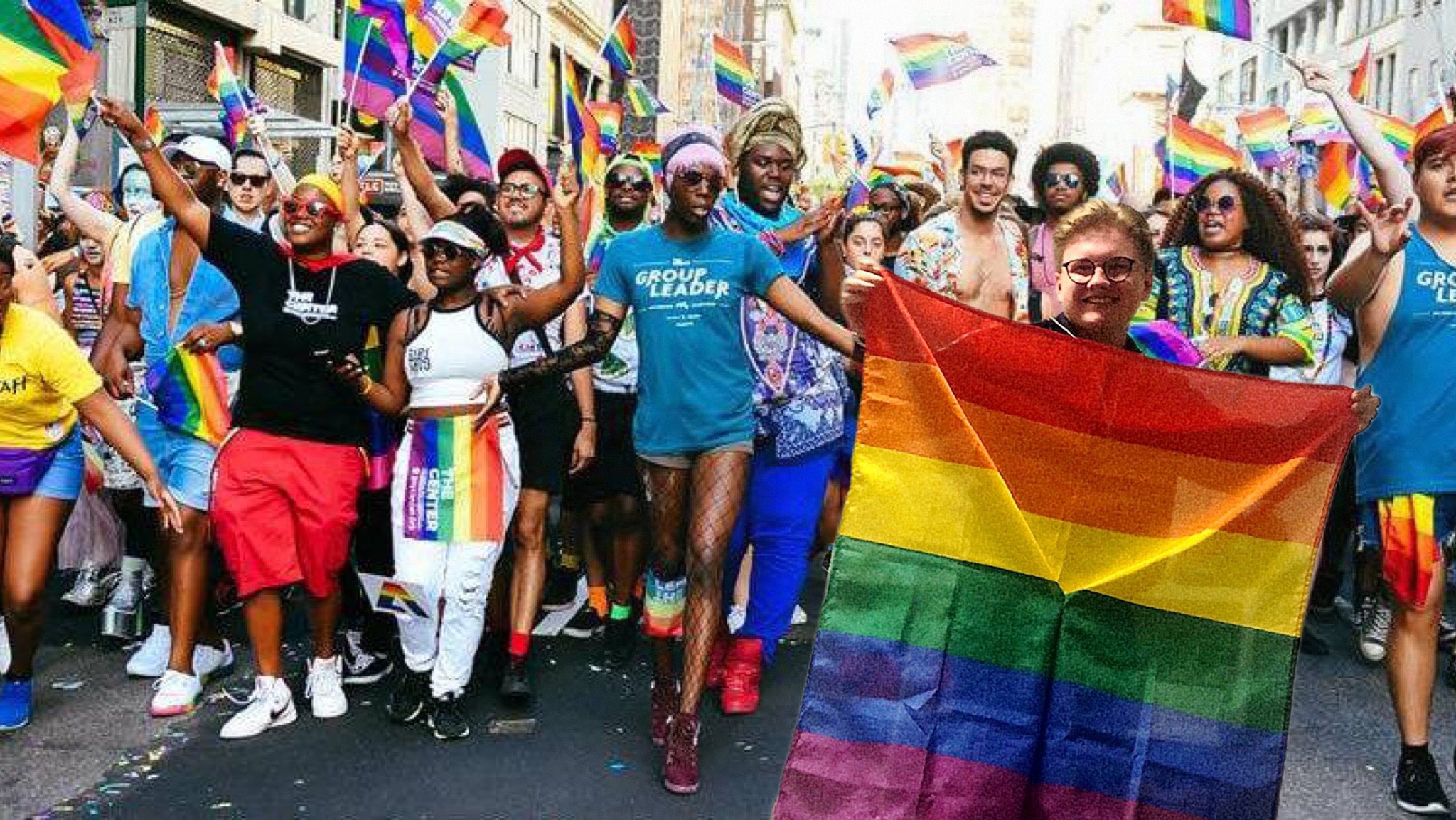
In countries across Europe, Pride events celebrating LGBTQI visibility face threats of violence. This, warns Sabine Volk reveals the transnationalisation of far-right activism and the mainstreaming of trans-hostile discourse. Democratic states, she says, are failing to protect marginalised communities Read more
Lorenzo De Sio
Western democracies' responsiveness machinery has been quietly dismantled. To repair the representative disconnect, says Lorenzo De Sio, we must first understand precisely what is broken Read more
Omran Shroufi
We commonly hear EU leaders talk about the need to ‘defend democracy’. Yet, as Omran Shroufi shows, their discourse is often more about identifying and naming geopolitical threats than it is about tackling pervasive, home-grown structural problems of democratic disconnect and disillusionment Read more
We use necessary cookies to make our site work. We'd also like to set analytics cookies that help us make improvements by measuring how you use the site. These will be set only if you accept.
▼
Strictly Necessary Cookies
Necessary cookies enable core functionality such as security, network management, and accessibility. You may disable these by changing your browser settings, but this may affect how the website functions.
▼
Analytics Cookies
Google Analytics
We'd like to set Google Analytics cookies to help us improve our website by collecting and reporting information on how you use it. The cookies collect information in a way that does not directly identify anyone. For more information on how these cookies work please see our Privacy Notice.