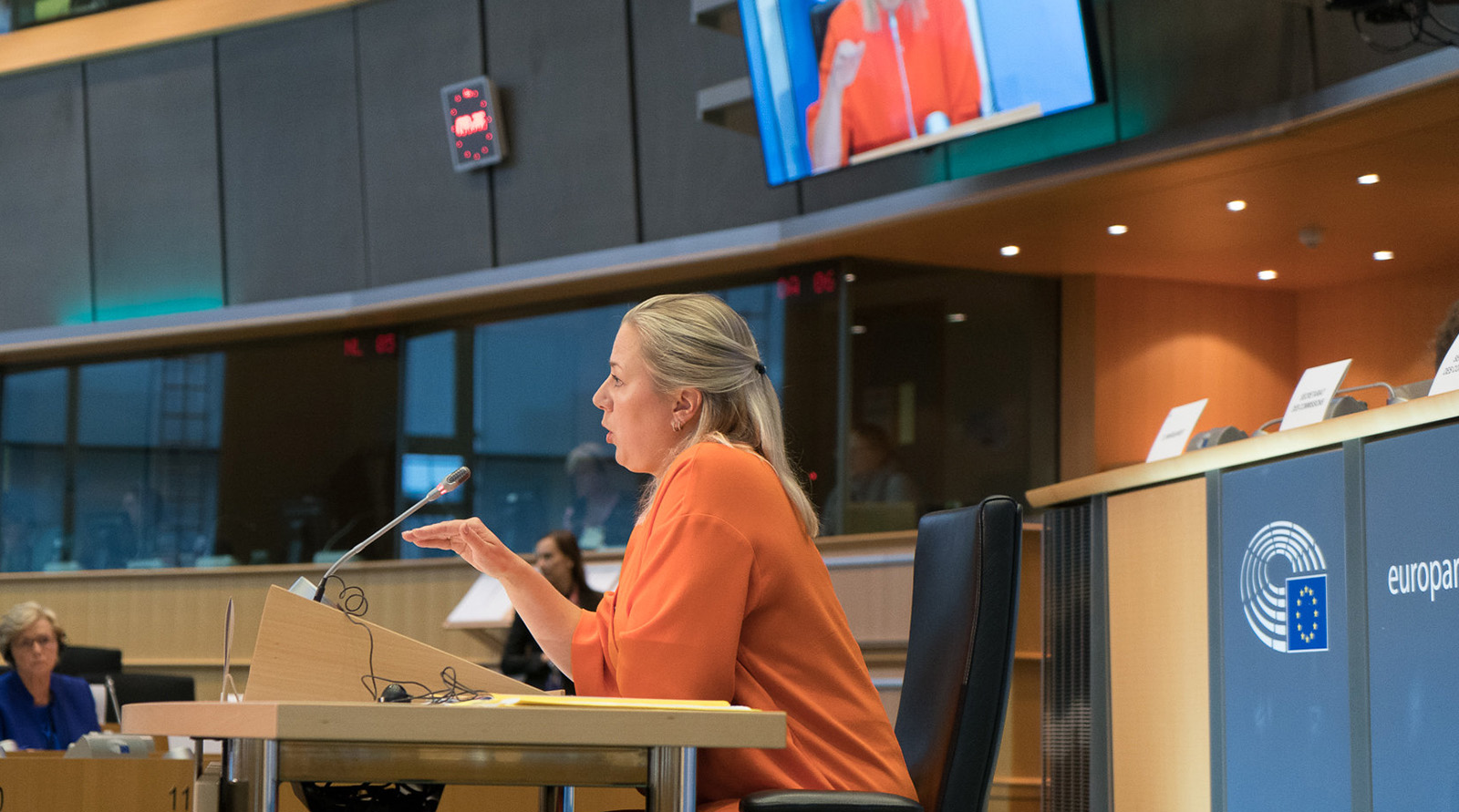
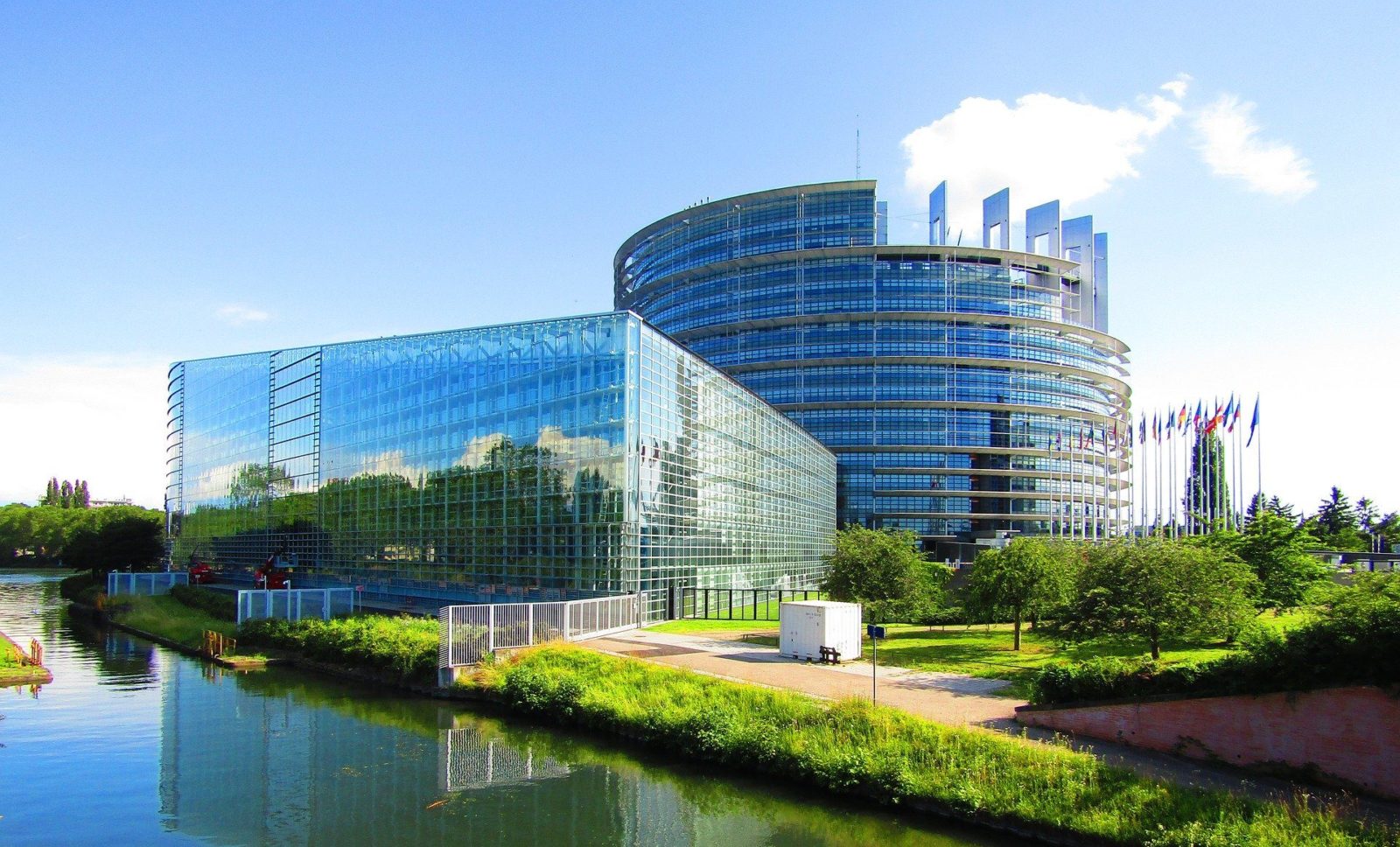

According to the European Union, the time of aid donors and recipients is over. But the transition towards policies and equal partnerships conducive to global development remains elusive. Sebastian Steingass argues that it is doubtful whether such transition is sufficient to overcome the EU's post-colonial legacies
The EU Commission is considered the chief coordinator of member states’ development policies. But, argues Sebastian Steingass, a transnational network of member state experts plays a hidden yet crucial role in initiatives for collective action
Senior Academic Assistant, College of Europe, Warsaw
Sebastian completed his PhD in Politics and International Studies at the University of Cambridge, where he was awarded a studentship by the UK Economic and Social Research Council (ESRC).
In his research, Sebastian looks at policymaking and governance between EU institutions and member states in the European Union’s external relations and international development cooperation.
His publications include articles in the Journal of Common Market Studies and the Journal of European Integration as well as various blog contributions.
We use necessary cookies to make our site work. We'd also like to set analytics cookies that help us make improvements by measuring how you use the site. These will be set only if you accept.
▼
Strictly Necessary Cookies
Necessary cookies enable core functionality such as security, network management, and accessibility. You may disable these by changing your browser settings, but this may affect how the website functions.
▼
Analytics Cookies
Google Analytics
We'd like to set Google Analytics cookies to help us improve our website by collecting and reporting information on how you use it. The cookies collect information in a way that does not directly identify anyone. For more information on how these cookies work please see our Privacy Notice.
