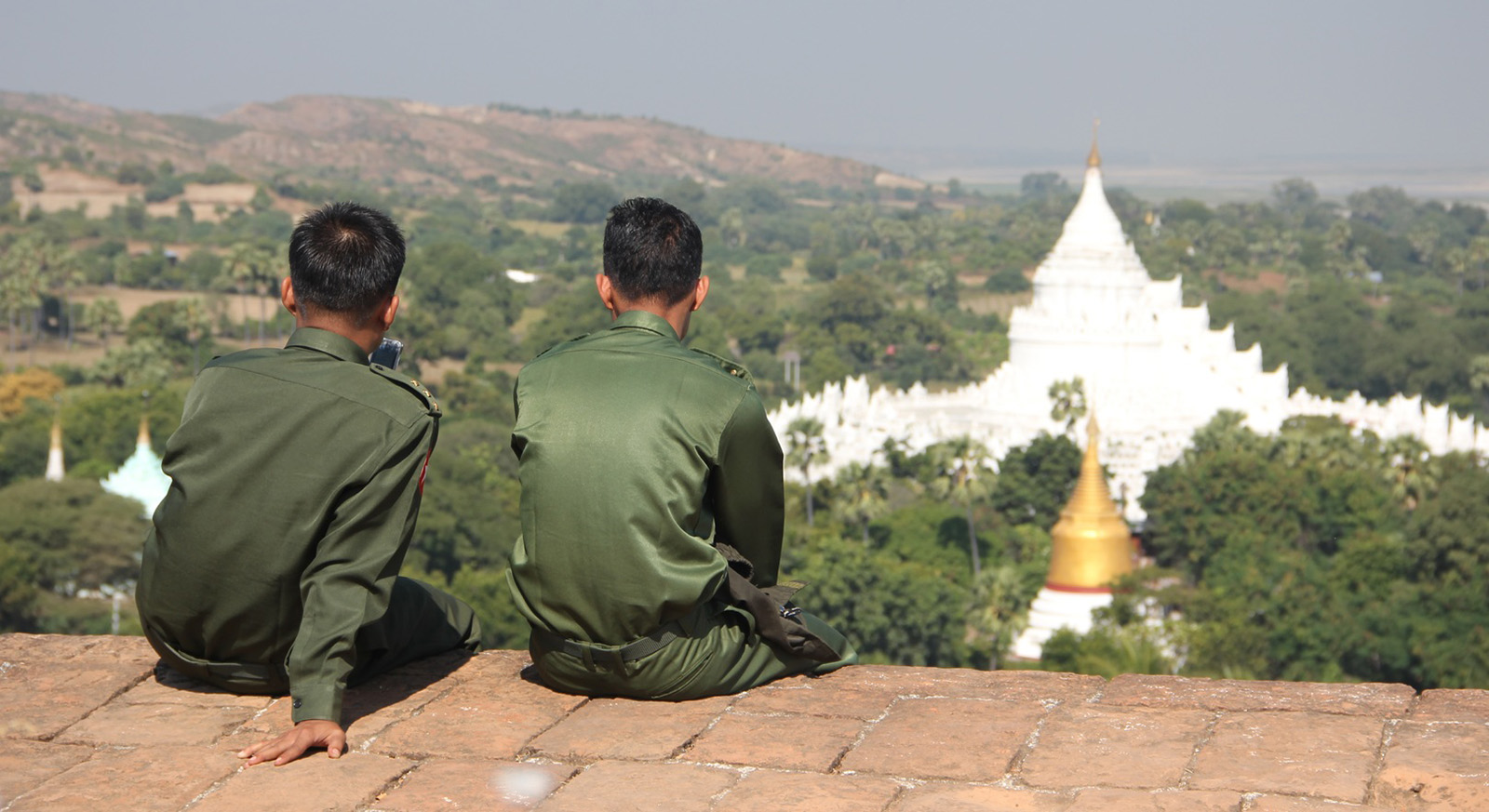
What does the recent military coup tell us about the prospects for Myanmar’s regime? Stefano Ruzza argues that while the country's semi-democracy is not dead, it is unlikely ever to escape occasional authoritarian interventions
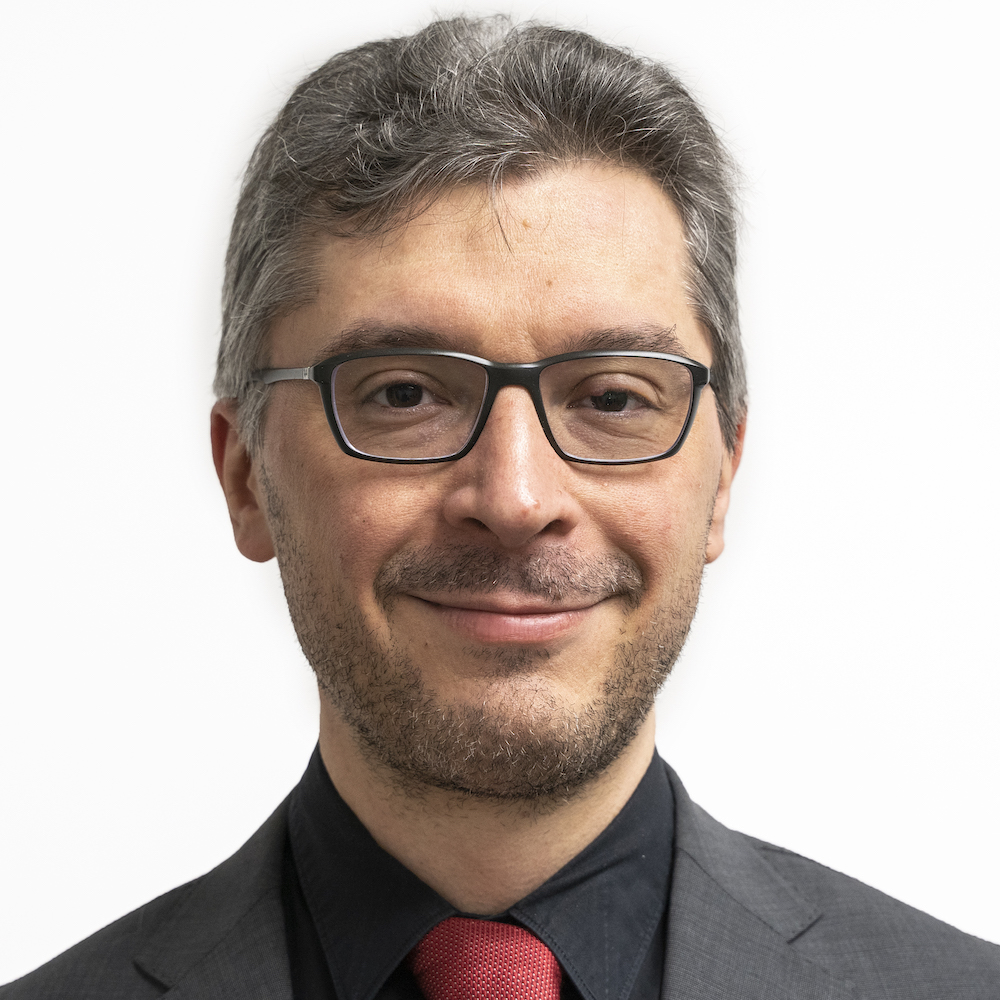
Associate Professor of Political Science at the University of Turin and Head of Research at T.wai – Torino World Affairs Institute
Stefano teaches Political Science and Peace and Conflict Studies at the University of Turin.
He is also an LSE Ideas Associate, and a member of the Italian Ethnological Mission in Equatorial Africa.
Stefano's research interests are Myanmar's transition and peace process, conflict transformation (with a focus on Myanmar and Uganda), and private military and security companies.
The Loop
Cutting-edge analysis showcasing the work of the political science discipline at its best.
We use necessary cookies to make our site work. We'd also like to set analytics cookies that help us make improvements by measuring how you use the site. These will be set only if you accept.
▼
Strictly Necessary Cookies
Necessary cookies enable core functionality such as security, network management, and accessibility. You may disable these by changing your browser settings, but this may affect how the website functions.
▼
Analytics Cookies
Google Analytics
We'd like to set Google Analytics cookies to help us improve our website by collecting and reporting information on how you use it. The cookies collect information in a way that does not directly identify anyone. For more information on how these cookies work please see our Privacy Notice.