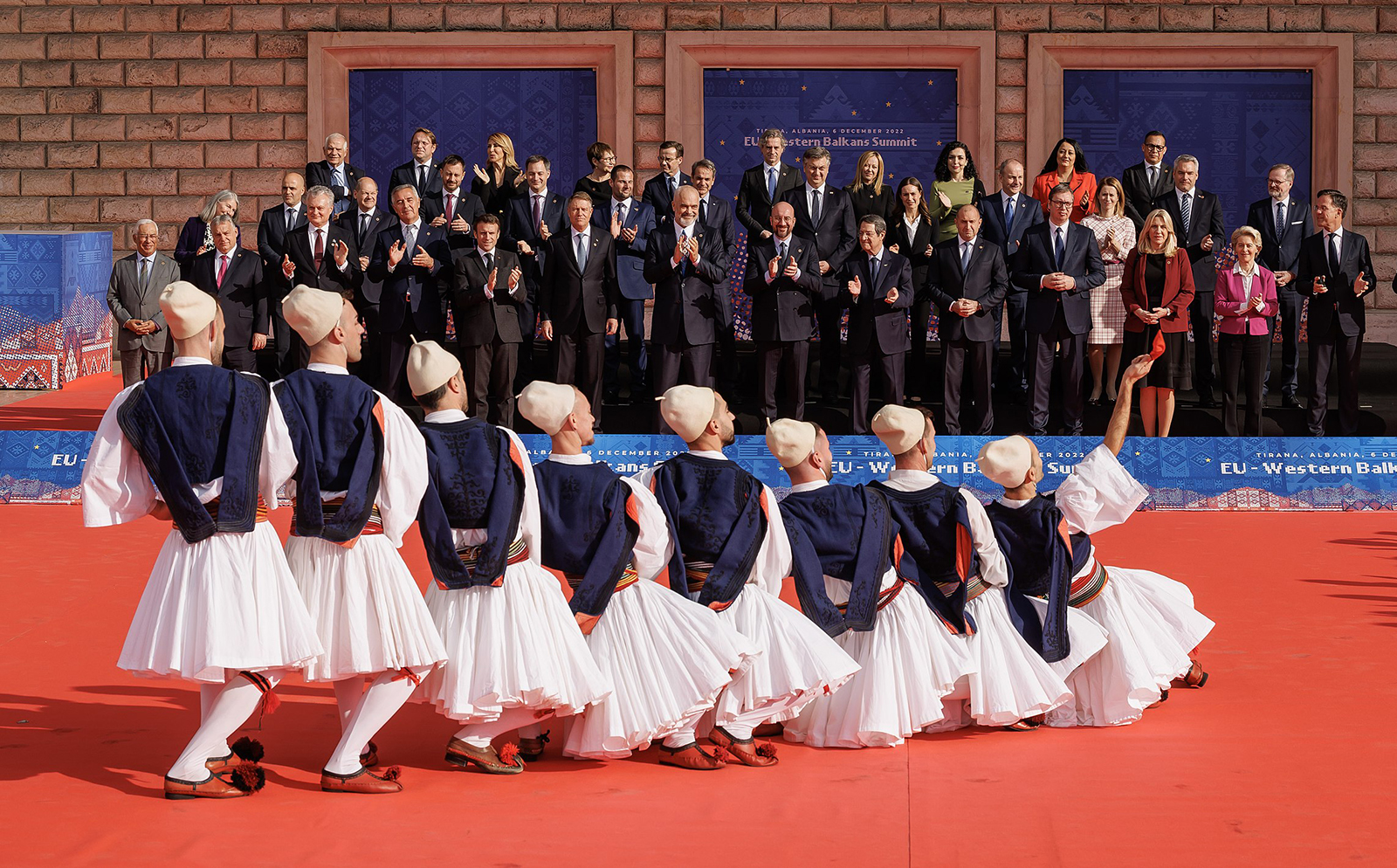
EU enlargement could address collective action problems and stabilise its neighbourhood, but stalled accession processes may make full membership unlikely. Maria Giulia Amadio Viceré and Matteo Bonomi suggest that partial integration — engaging candidate countries in EU policies without membership — will remain the EU's main strategy for managing internal and regional crises
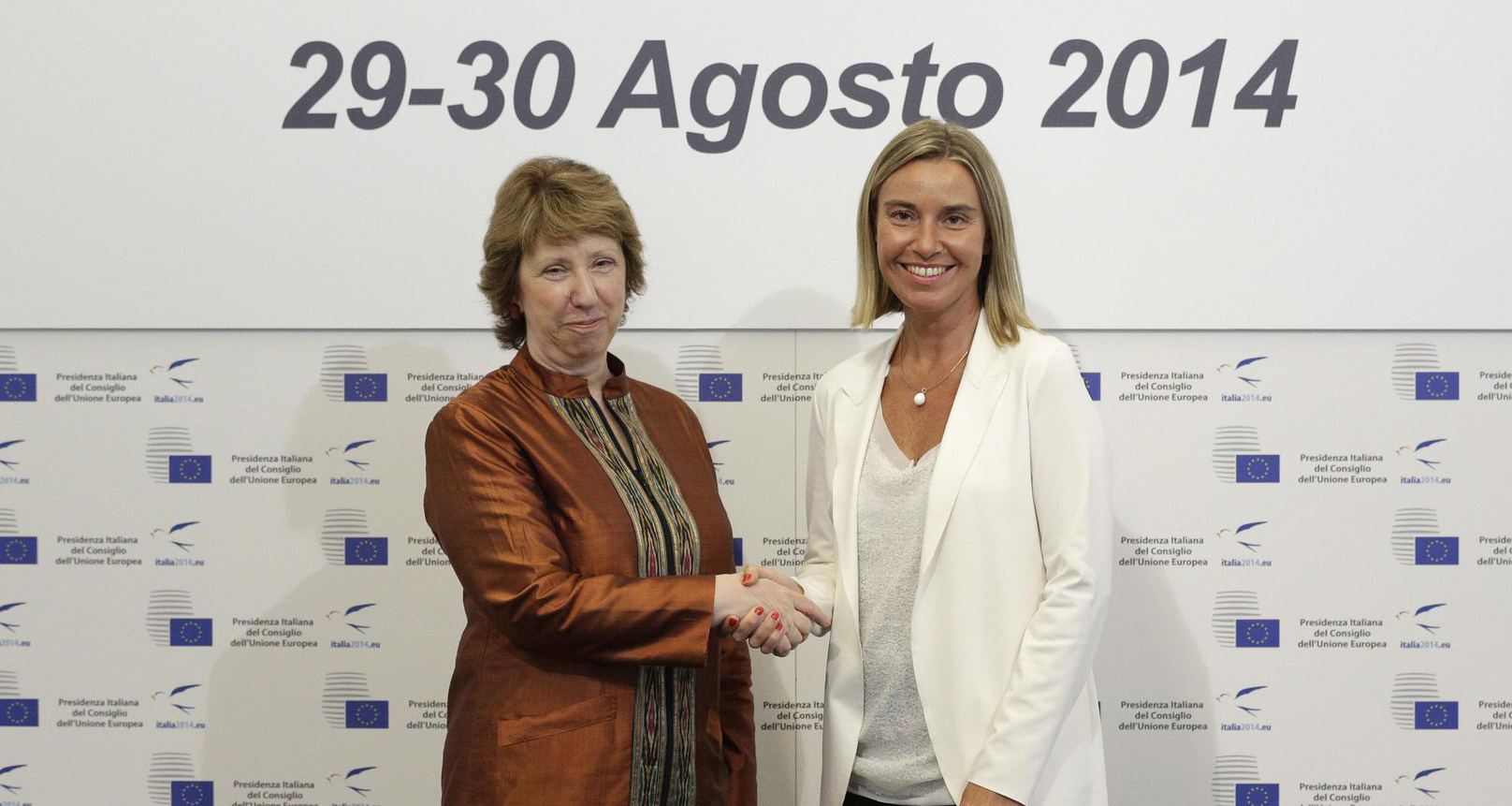
The post-Lisbon High Representative was supposed to bridge the supranational and intergovernmental facets of EU foreign policy. But Catherine Ashton and Federica Mogherini showed that institutional constraints persist – and their personal leadership skills were significant in achieving a common foreign policy, write Maria Giulia Amadio Viceré and Giulia Tercovich
Assistant Professor, Department of Political Science, LUISS University / Visiting Fellow, Robert Schuman Centre for Advanced Studies, European University Institute
Maria Giulia has published in West European Politics, the Journal of European Public Policy, Contemporary Security Policy, European Security and the Journal of European Integration, among others.
The Loop
Cutting-edge analysis showcasing the work of the political science discipline at its best.
We use necessary cookies to make our site work. We'd also like to set analytics cookies that help us make improvements by measuring how you use the site. These will be set only if you accept.
▼
Strictly Necessary Cookies
Necessary cookies enable core functionality such as security, network management, and accessibility. You may disable these by changing your browser settings, but this may affect how the website functions.
▼
Analytics Cookies
Google Analytics
We'd like to set Google Analytics cookies to help us improve our website by collecting and reporting information on how you use it. The cookies collect information in a way that does not directly identify anyone. For more information on how these cookies work please see our Privacy Notice.