When facts are disputed and experts delegitimised, the term 'populism' may apply to truths and to untruths. Michael Hameleers argues that populist ideas are often strategically communicated to emphasise a divide between congruent truths and incongruent lies. This only serves to emphasise the idea of a divide between ordinary people and corrupt political elites
Michael Hameleers explains his team's experimental results: that COVID-19 disinformation is most credible – and dangerous – when it stays close to objective facts. This in turn has implications for how disinformation can be countered.
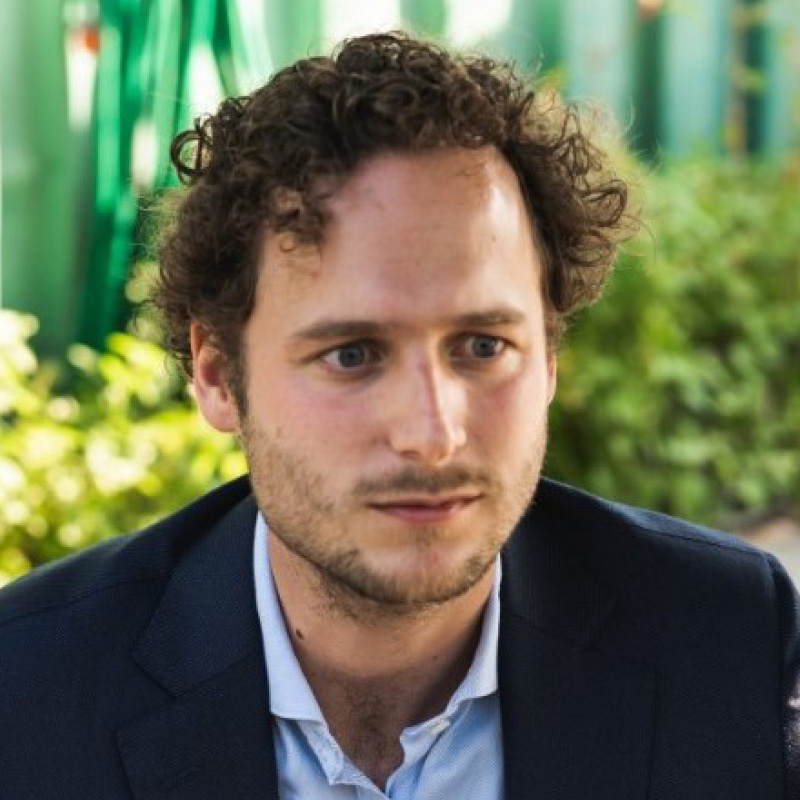
Assistant Professor in Political Communication and Journalism, Amsterdam School of Communication Research (ASCoR)
Michael’s research interests include populism, disinformation, and corrective information.
He has published extensively on the impact of populism, (visual) disinformation, fact-checking, media literacy interventions and (media) trust in leading peer-reviewed journals.
Michael is part of the Dutch/Belgian EDMO hub on misinformation and fact-checking, which aims to understand and implement solutions to combat disinformation using a large interdisciplinary network of scientists, fact-checkers, journalists and media policy makers.
He applies a wide variety of qualitative and quantitative research methods to understand the intersections between media, politics, and society.
We use necessary cookies to make our site work. We'd also like to set analytics cookies that help us make improvements by measuring how you use the site. These will be set only if you accept.
▼
Strictly Necessary Cookies
Necessary cookies enable core functionality such as security, network management, and accessibility. You may disable these by changing your browser settings, but this may affect how the website functions.
▼
Analytics Cookies
Google Analytics
We'd like to set Google Analytics cookies to help us improve our website by collecting and reporting information on how you use it. The cookies collect information in a way that does not directly identify anyone. For more information on how these cookies work please see our Privacy Notice.