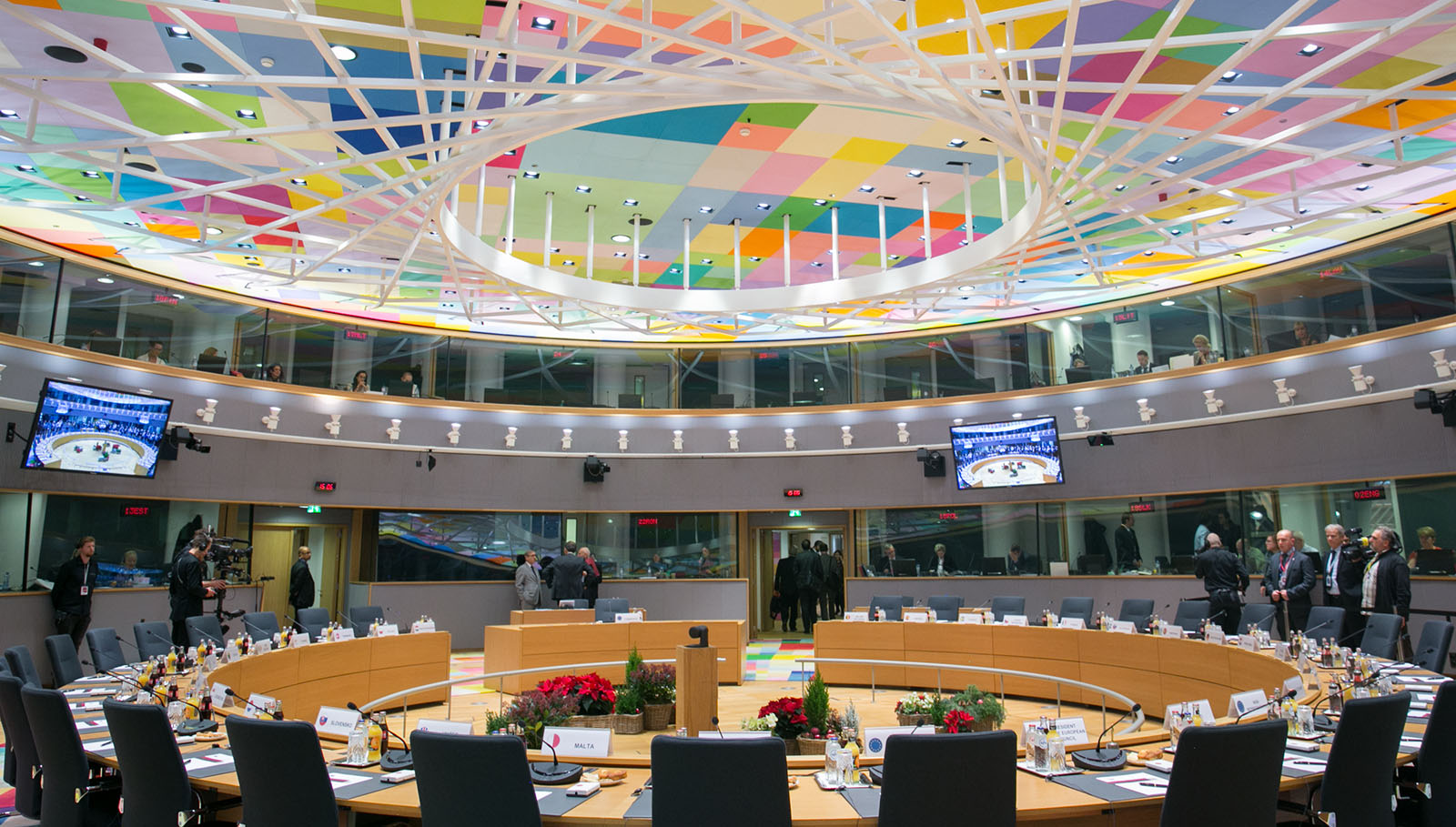
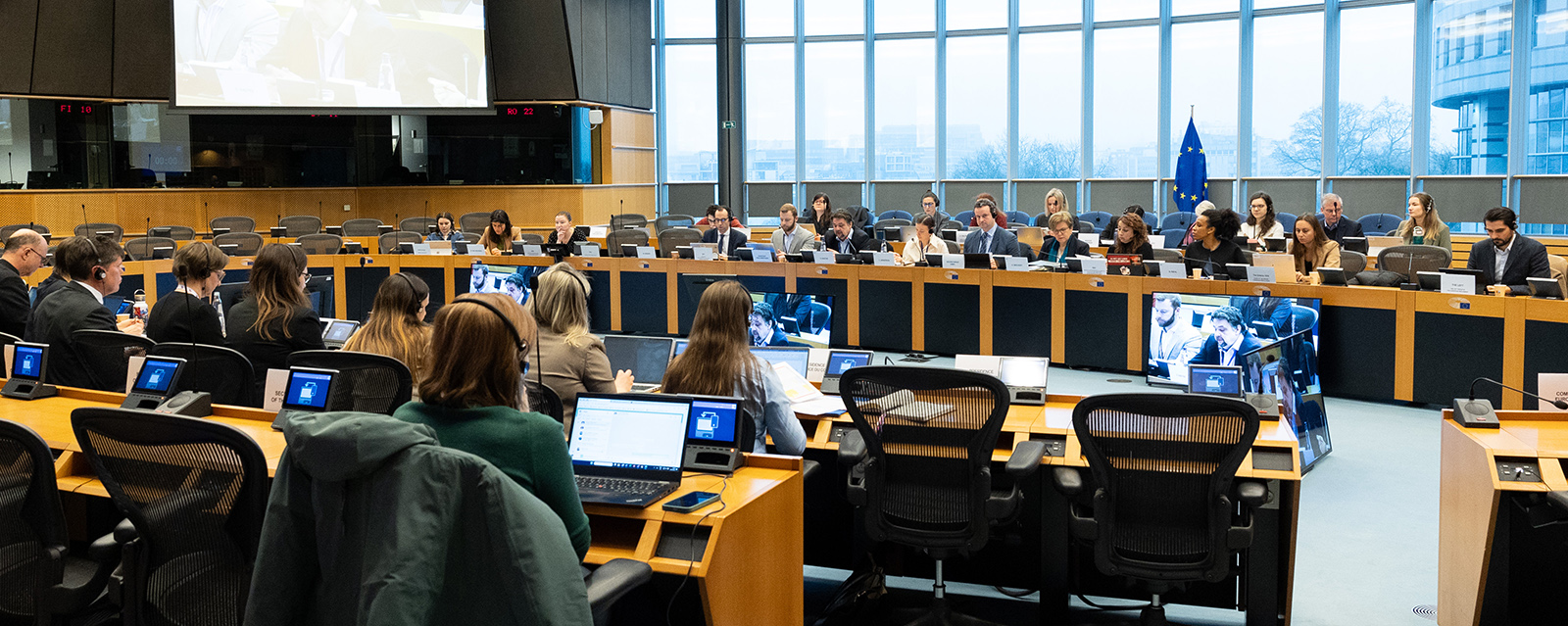

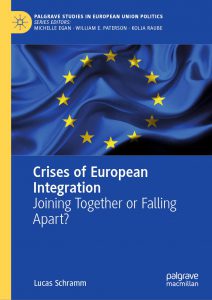
Based on a 67-year arc of reporting by British magazine The Economist, Lucas Schramm analyses the European Council, a key institution of the European Union. He shows how that coverage explains why the European Council was created, how it evolved, what it does, and why its dominance is both useful and unsettling
Rising geopolitical pressures, including an ongoing war in its immediate neighbourhood, have thrust EU enlargement back onto the agenda. Lucas Schramm contends that the European Council must reconcile the dual challenges of widening and deepening, as it has done historically. Despite formidable obstacles, enlargement could spur internal reforms and innovations
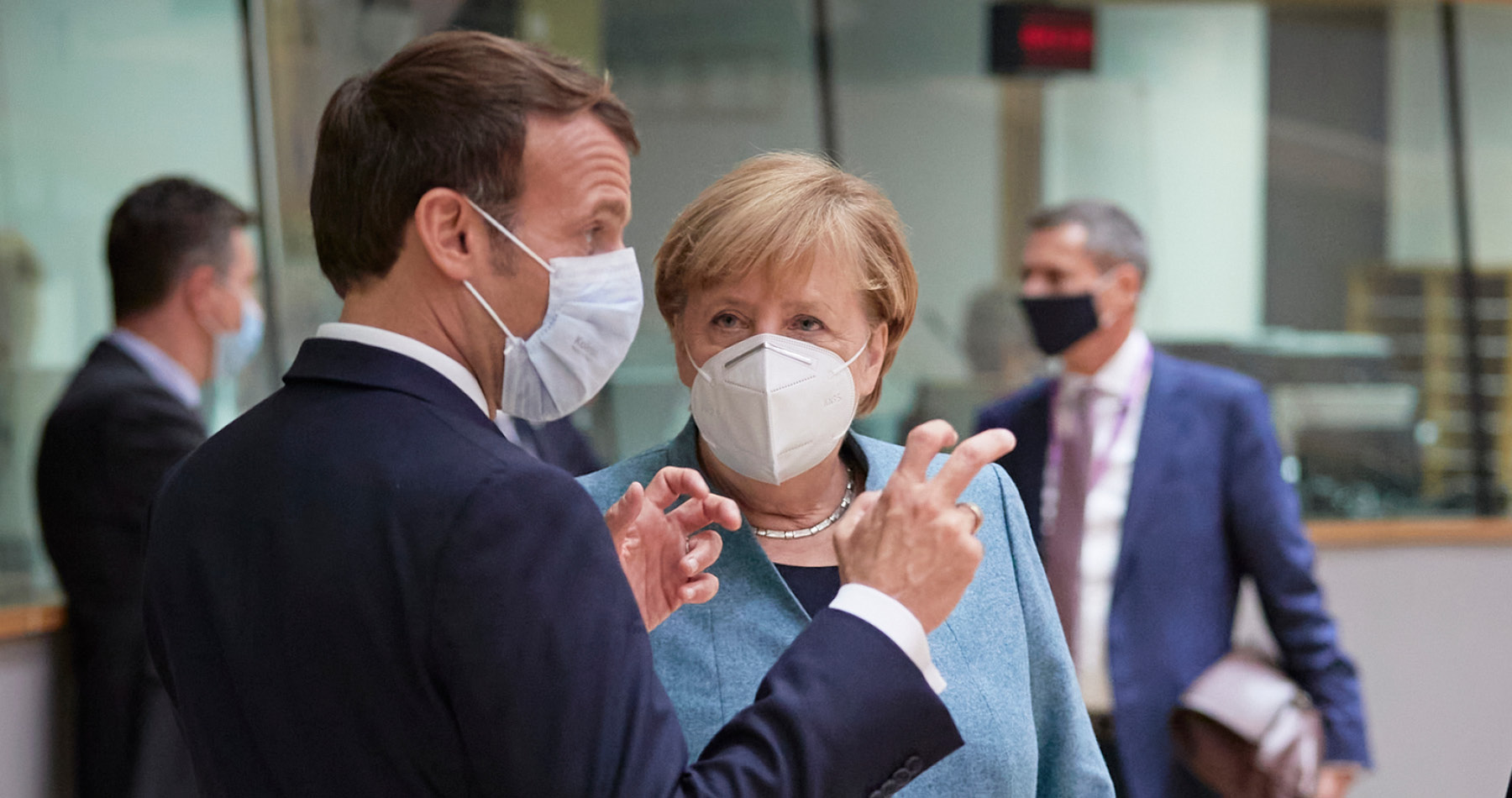
In 2020 Germany promoted a bold European response to the corona crisis, involving common EU debt. This contrasts starkly with its position a decade before, when it favoured austerity over fiscal stimulus and debt pooling. Lucas Schramm and Amandine Crespy argue that the specific nature of the corona crisis reconfigured Germany’s national interests in Europe
Senior Researcher / Lecturer, Geschwister Scholl Institute, Ludwig-Maximilians University Munich
Lucas holds a PhD in Social and Political Sciences from the European University Institute in Florence.
His research interests concern the history and theories of European integration, European Union crisis politics, the European Council, and Franco-German political relations in the EU.
Lucas has published in leading academic journals, including European Political Science Review, Journal of European Public Policy, Journal of Common Market Studies, Comparative European Politics, and West European Politics.
We use necessary cookies to make our site work. We'd also like to set analytics cookies that help us make improvements by measuring how you use the site. These will be set only if you accept.
▼
Strictly Necessary Cookies
Necessary cookies enable core functionality such as security, network management, and accessibility. You may disable these by changing your browser settings, but this may affect how the website functions.
▼
Analytics Cookies
Google Analytics
We'd like to set Google Analytics cookies to help us improve our website by collecting and reporting information on how you use it. The cookies collect information in a way that does not directly identify anyone. For more information on how these cookies work please see our Privacy Notice.
