

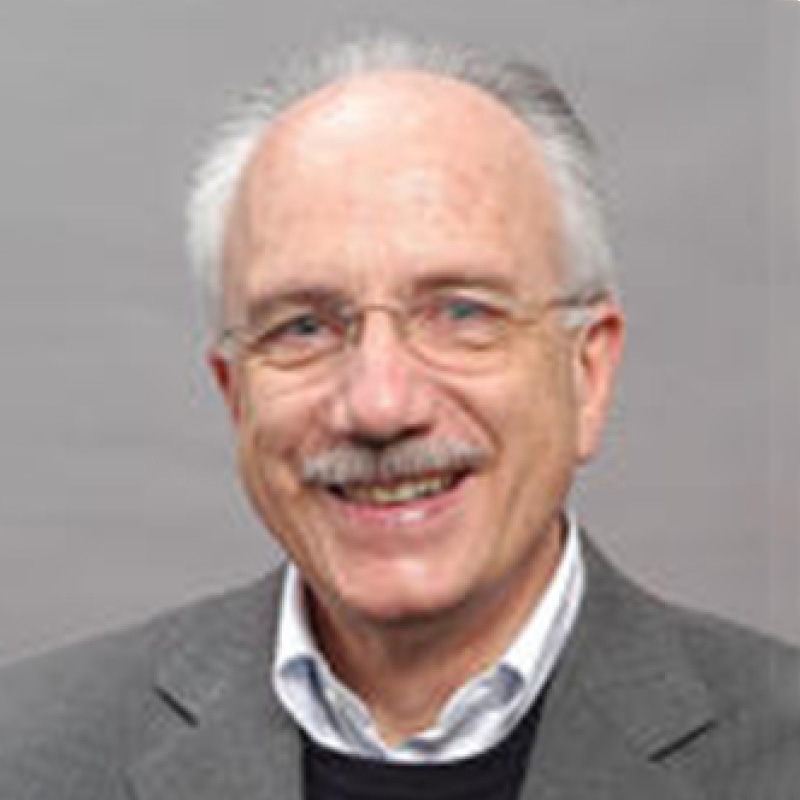
Leonardo was President of the International Political Science Association from 2009–2012 and has been a visiting professor at several universities, including Yale University, Oxford University, Institut des Sciences Politiques, Paris, Juan March Foundation, Spain, Stanford University, Wissenschaftszentrum Berlin, and UNAM in Mexico.
He has been awarded five Doctor Honoris Causa in different universities in Europe and Latin America.
Leonardo is the author or co-author of more than 40 books and more than 200 journal essays and book chapters published in English, French, German, Spanish, Hungarian, Chinese, Mongolian, and Japanese.
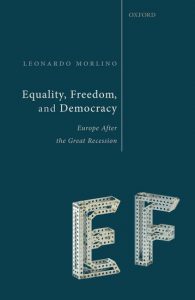
His most recent book is Equality, Freedom, and Democracy: Europe After the Great Recession (Oxford University Press 2020, tr. it. 2021)
He is also the author of How Economic Crisis Changes Democracy: Evidence from Southern Europe (Palgrave, 2017, with F. Raniolo, tr.it. 2019), The Quality of Democracies in Latin America (International IDEA, 2016), and Changes for Democracy (Oxford University Press, 2011, tr. it. 2014).
Leonardo is one of three editors of the International Encyclopaedia of Political Science (8 vol., Sage, 2011), which won the Dartmouth Medal – Honorable Mention – for reference publishing in all domains of knowledge, and of the Handbook of Political Science (3vol. Sage, 2020).

