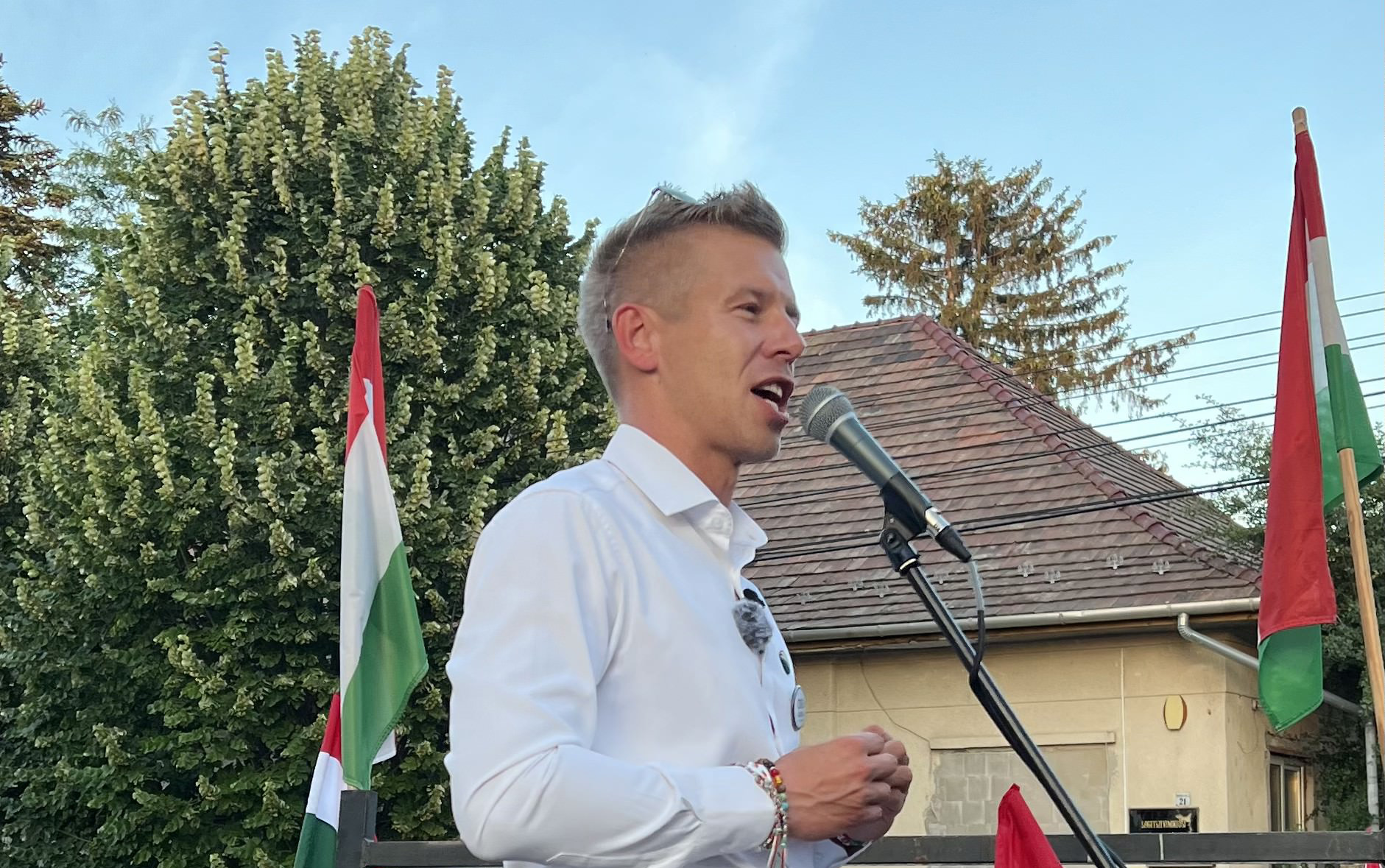
Péter Magyar poses an unprecedented threat to Viktor Orbán’s rule. Kinga Korányi argues that Magyar’s sudden success is the result of his agenda-setting capabilities as a former Fidesz affiliate who caught Orbán’s government by surprise. However, she warns that Magyar’s lasting success is still contigent on several factors.
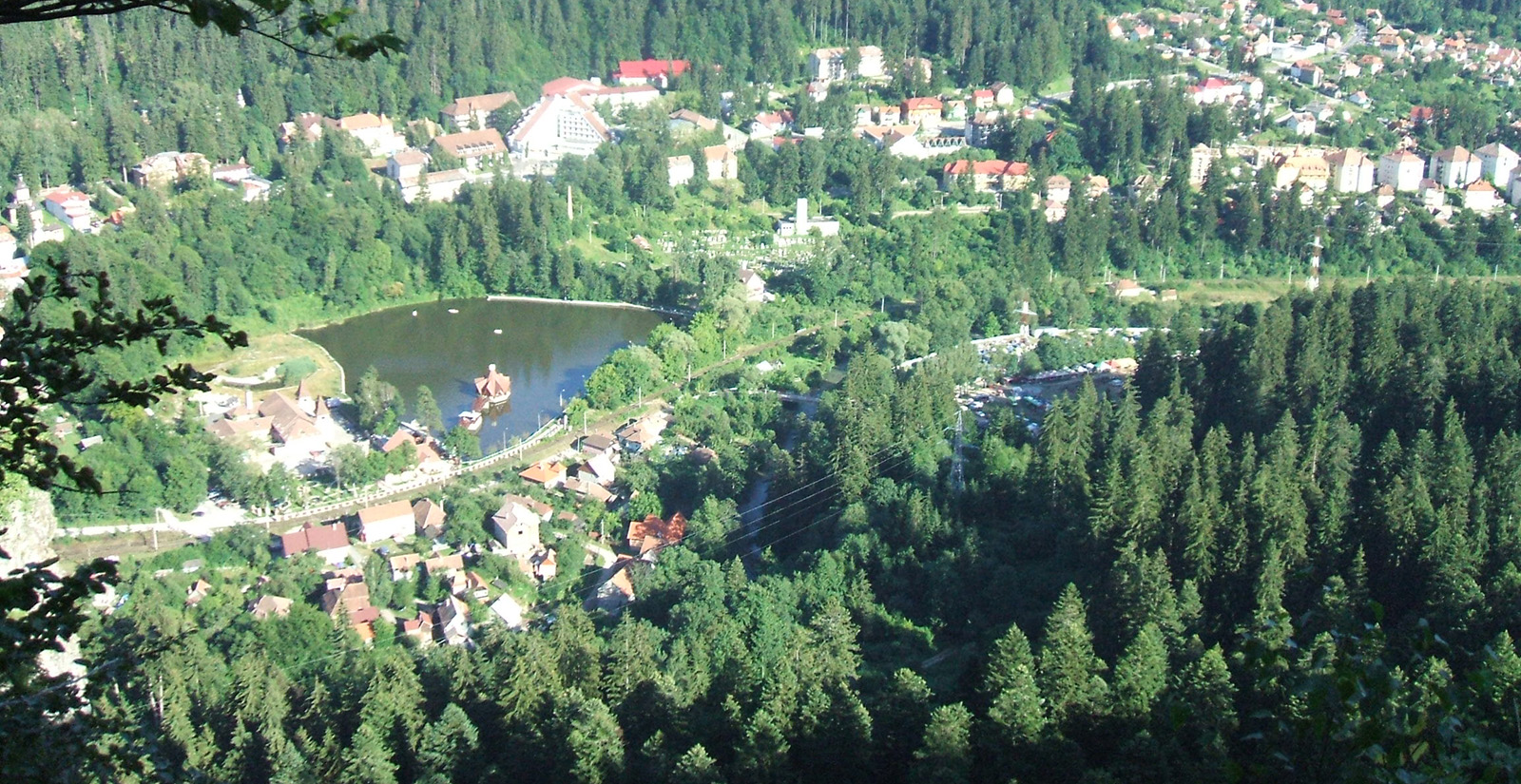
Viktor Orbán’s annual ‘keynote’ speeches at Băile Tușnad are always controversial. Kinga Korányi argues that this year’s speech, in contrast with all those going back to 2010, should outrage observers less for what he said than for what he omitted: the EU’s withholding of all structural funding to Hungary
Viktor Orbán’s condemned speech at Băile Tușnad marks a dangerous turn towards fascist rhetoric. But it also reveals a larger narrative overlooked by international observers. Orbán’s party could be undergoing programmatic realignment to attract support from far-right voters in a time when his party faces great insecurity, writes Kinga Koranyi
Viktor Orbán has just emerged victorious in the Hungarian national election of 3 April, despite his pro-Russian stance and friendship with Vladimir Putin, which had been expected to tarnish his party Fidesz’s popularity. Kinga Koranyi argues that Fidesz managed to turn its response to the war in Ukraine into a successful campaign tool
Kinga's PhD research explores the EU's rule of law budget conditionalities' sanctioning potential against Hungary.
She holds a Bachelor of Arts in History and Political Science from McGill University, and a Master of Arts in European Studies (European Policy) from the University of Amsterdam.
Her MA thesis investigated the implementation and monitoring of EU cohesion funds in Hungary.
We use necessary cookies to make our site work. We'd also like to set analytics cookies that help us make improvements by measuring how you use the site. These will be set only if you accept.
▼
Strictly Necessary Cookies
Necessary cookies enable core functionality such as security, network management, and accessibility. You may disable these by changing your browser settings, but this may affect how the website functions.
▼
Analytics Cookies
Google Analytics
We'd like to set Google Analytics cookies to help us improve our website by collecting and reporting information on how you use it. The cookies collect information in a way that does not directly identify anyone. For more information on how these cookies work please see our Privacy Notice.