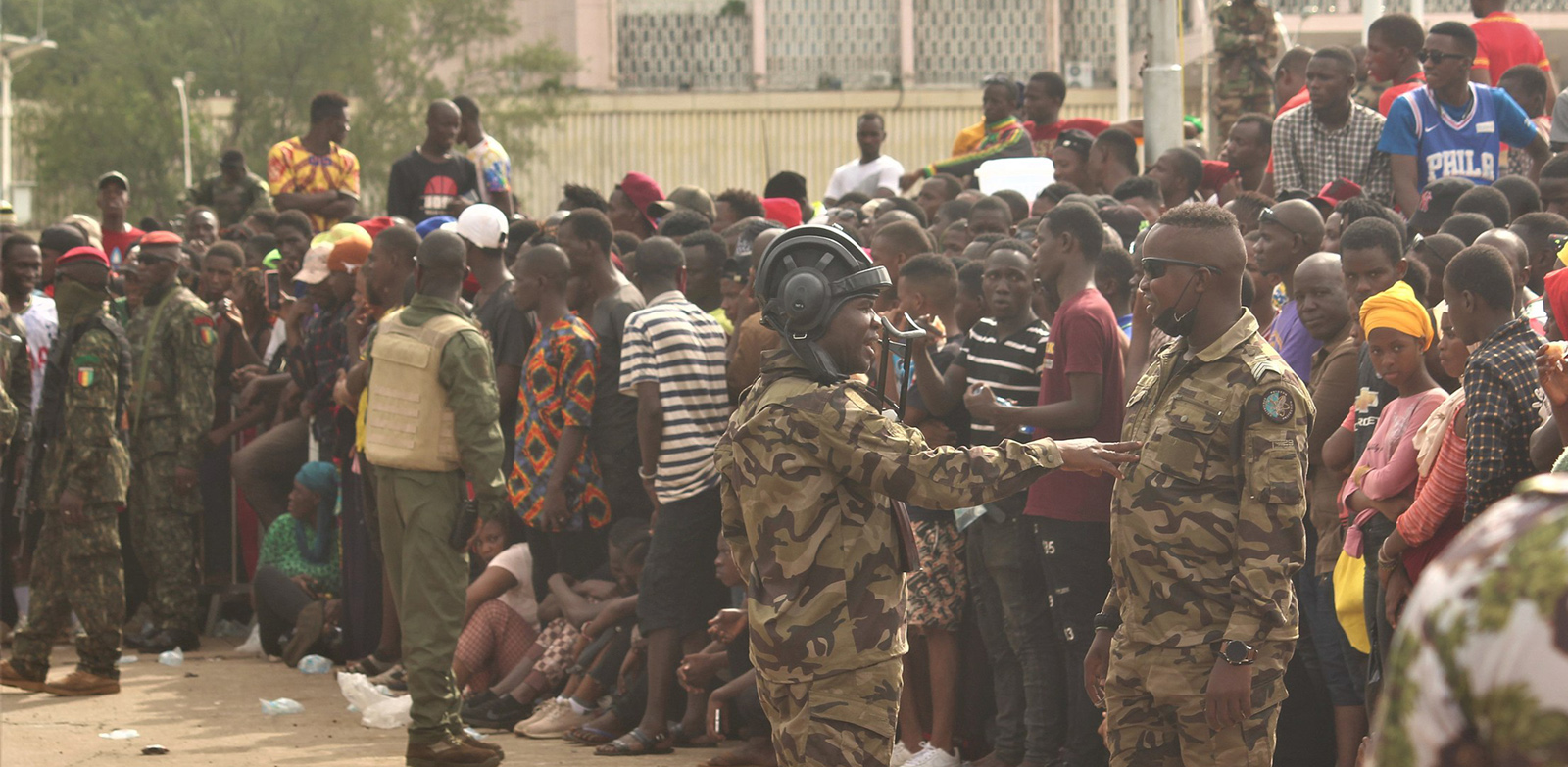
Why has West Africa experienced so many military coups over the past couple of years? Reuben Twinomujuni and Hannah Muzee say the inadequacies of the African Union are only part of the problem. They argue that the phenomenon is also to the result of internal and external forces that impede united African action
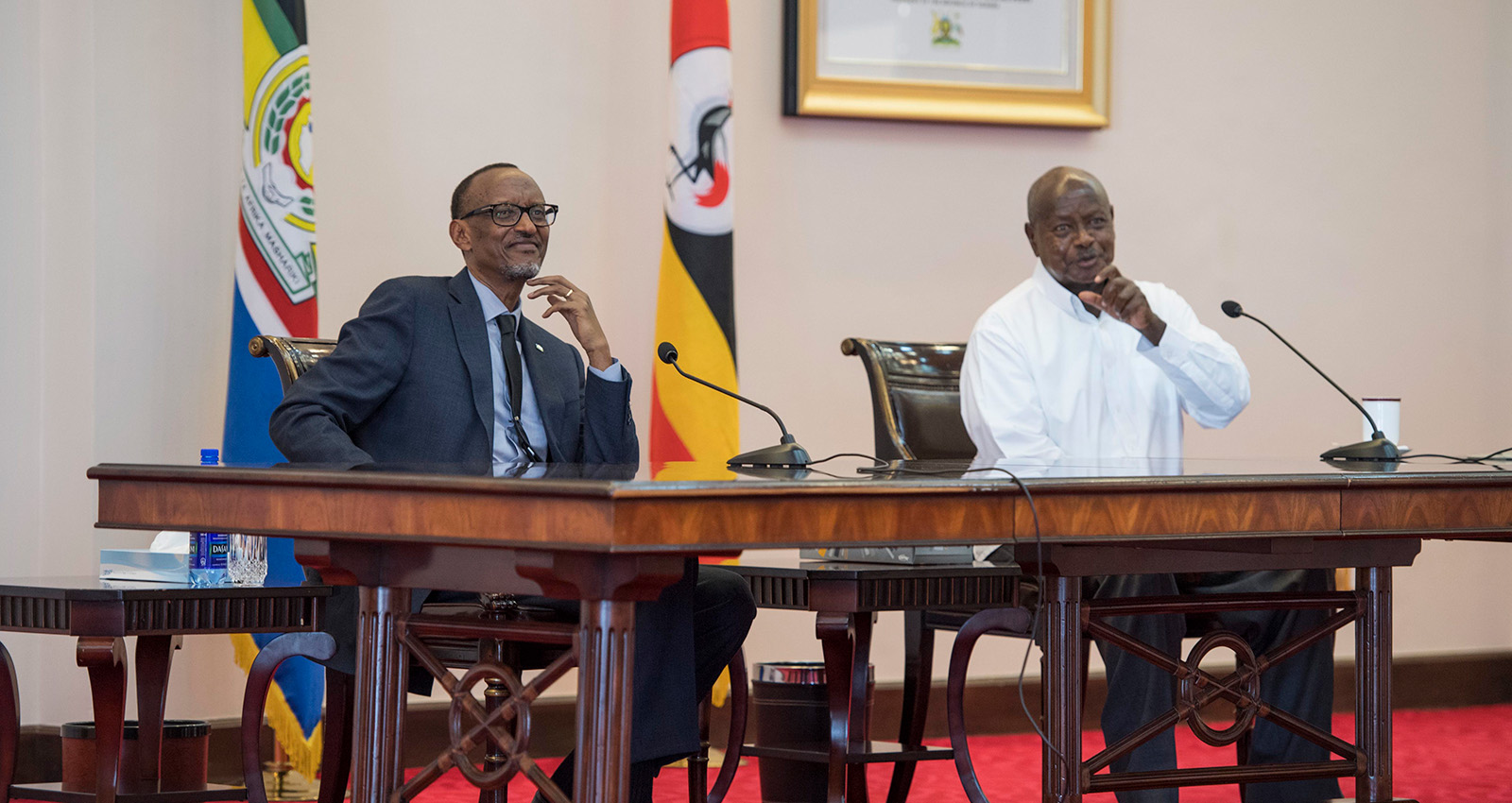
The British government's Rwanda-UK asylum deal exposes the detrimental effects of an absolute state sovereignty principle in the African Union. This principle, argues Hannah Muzee, is a major stumbling block to Africa’s desired unification objectives
The new democratically oriented regimes that emerged in Rwanda and Uganda after the 1980s aspired to overcome postcolonial sectarianism. Those aspirations now appear largely to have receded, argue Hannah Muzee and Femi Mimiko, as both regimes have drifted into personalised politics and illiberal practices
Lecturer, Department of Political Sciences and Public Administration, Faculty of Social Sciences, Kyambogo University, Uganda
Hannah holds a PhD in Governance and Regional Integration from the Pan African University, Institute of Governance, Humanities and Social Sciences, and the University of Yaoundé II Soa in Cameroon.
She has authored a number of peer-reviewed journal articles and book chapters, including:
We use necessary cookies to make our site work. We'd also like to set analytics cookies that help us make improvements by measuring how you use the site. These will be set only if you accept.
▼
Strictly Necessary Cookies
Necessary cookies enable core functionality such as security, network management, and accessibility. You may disable these by changing your browser settings, but this may affect how the website functions.
▼
Analytics Cookies
Google Analytics
We'd like to set Google Analytics cookies to help us improve our website by collecting and reporting information on how you use it. The cookies collect information in a way that does not directly identify anyone. For more information on how these cookies work please see our Privacy Notice.