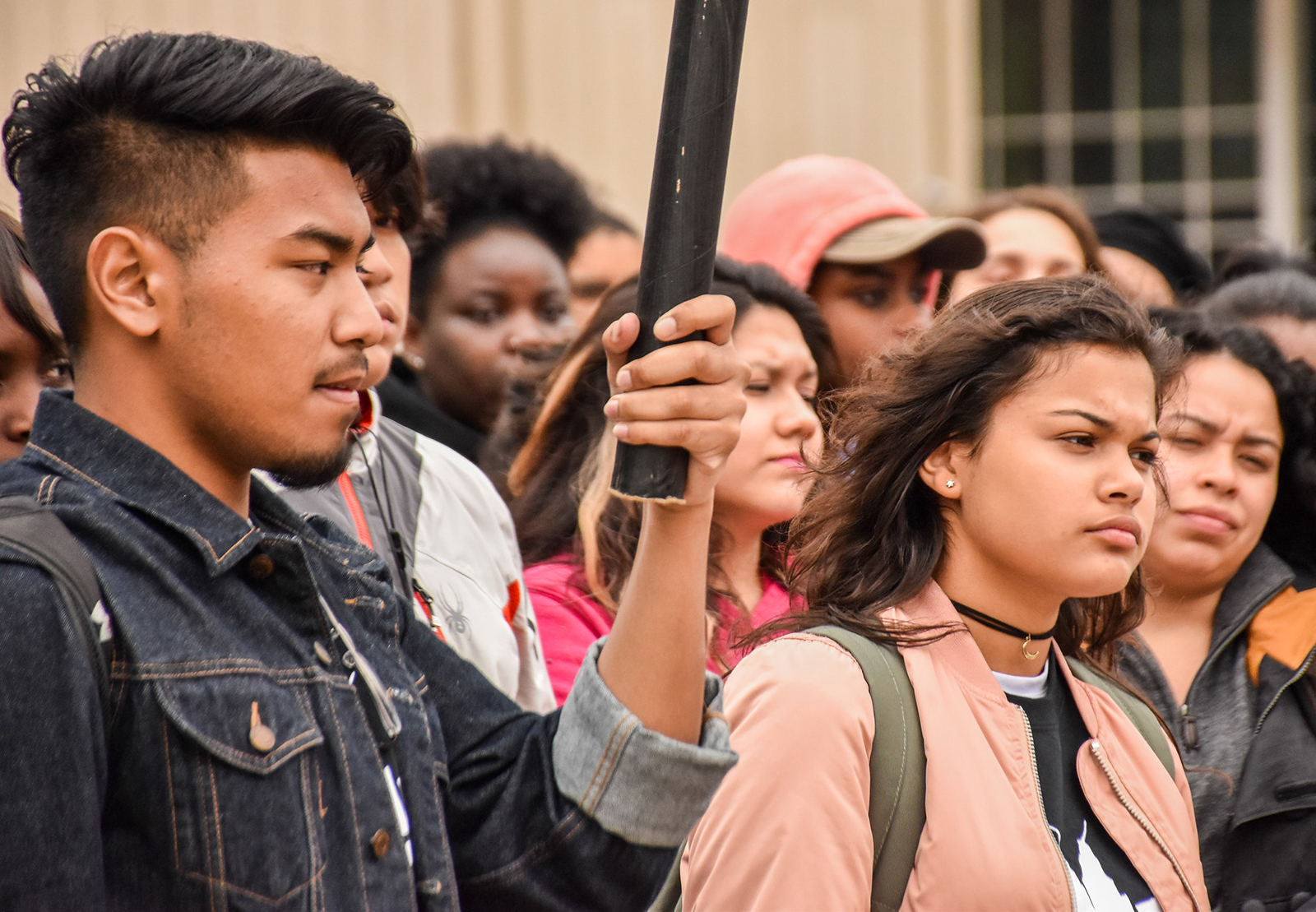
Massive student protests attract media attention, but less globally televised protests might also help shape policy-making, writes Didem Türkoğlu. Even lesser-known movements can build alliances and put pressure on opposition parties to 'own' activists' issues. To trace these influences, however, we must pay closer attention to local and national news
Didem is a political sociologist whose research interests focus on social movements, media sociology, and studies of social inequalities.
In her current book project, she conducts a comparative analysis of higher education policies and the protests against tuition hikes over the last two decades in 34 OECD countries with a special focus on England, Germany, Turkey, and the United States.
She highlights the impact of alliances between oppositional groups and parties on policy outcomes.
In addition, she works on the impact of Covid-19 policies on collective action and social inequalities in Turkey and Brazil.
Her articles have appeared in Mobilization, Current Sociology, Social Media +Society, Sociology Compass, and Journal of Democracy.
We use necessary cookies to make our site work. We'd also like to set analytics cookies that help us make improvements by measuring how you use the site. These will be set only if you accept.
▼
Strictly Necessary Cookies
Necessary cookies enable core functionality such as security, network management, and accessibility. You may disable these by changing your browser settings, but this may affect how the website functions.
▼
Analytics Cookies
Google Analytics
We'd like to set Google Analytics cookies to help us improve our website by collecting and reporting information on how you use it. The cookies collect information in a way that does not directly identify anyone. For more information on how these cookies work please see our Privacy Notice.