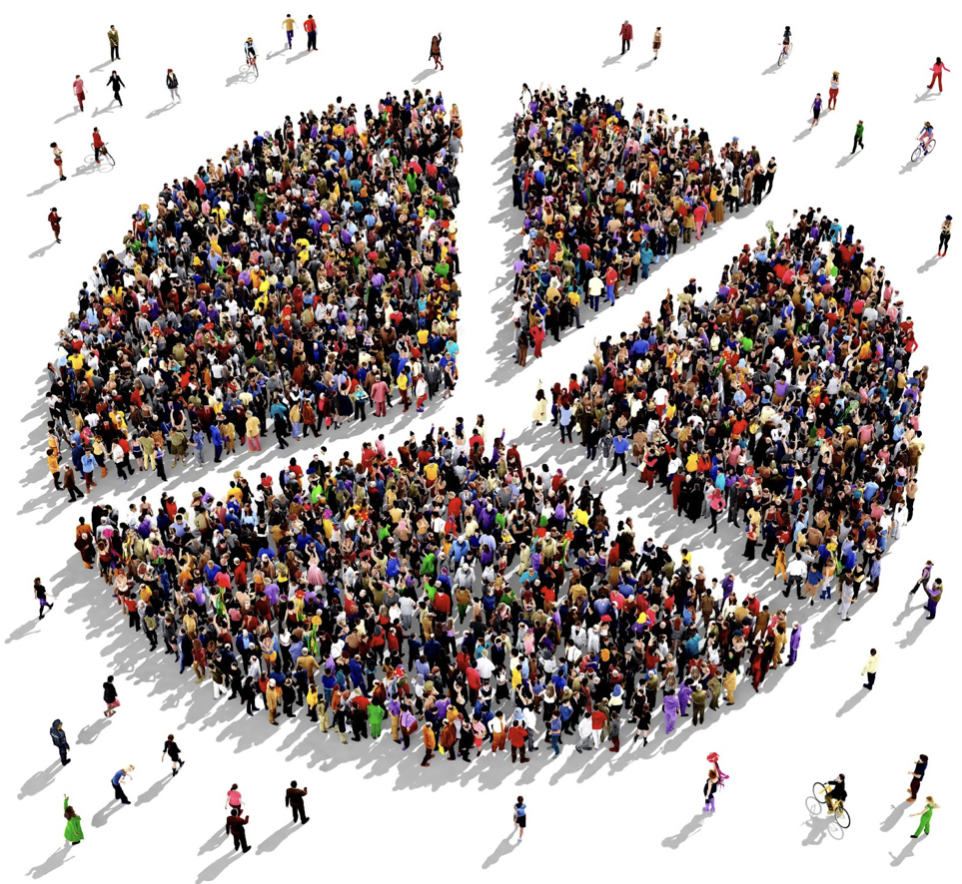
Politicians need to have a good understanding of which issues matters most to voters. Chris Butler reports from a recent survey of politicians that reveals that while they have a reasonable understanding of which issues matter, there are also common reasons why they make mistakes that have consequences for representation
Decision-makers need to be able to judge how voters will react to a policy. It is important for their continued electoral success, and for the success of the policy. Yet, write Chris Butler and Barbara Vis, systematic biases often lead policymakers to misjudge voters’ reactions to their policy decisions
Chris’ main research interests lies in how political elites conceive of, and respond to, public opinion.
He is particularly interested in how political actors form their opinions of likely electoral reactions and how these are affected by cognitive biases and politicians’ own backgrounds and experiences.
He has published in journals including Political Studies, Party Politics and European Political Science on topics including whether politicians have more accurate perceptions of voters’ preferences on more salient issues, and how political decision-makers' perceptions of public opinion are affected by motivated reasoning and heuristics.
Chris works on the ERC-funded POLPOP project (Politicians’ Evaluations of Public Opinion), where he leads team undertaking fieldwork in the UK through face-to-face surveys with MPs and MSPs.
This covers topics such as the extent to which politicians understand citizens’ preferences about how democracy should be practised, and how to improve levels of political trust among citizens.
We use necessary cookies to make our site work. We'd also like to set analytics cookies that help us make improvements by measuring how you use the site. These will be set only if you accept.
▼
Strictly Necessary Cookies
Necessary cookies enable core functionality such as security, network management, and accessibility. You may disable these by changing your browser settings, but this may affect how the website functions.
▼
Analytics Cookies
Google Analytics
We'd like to set Google Analytics cookies to help us improve our website by collecting and reporting information on how you use it. The cookies collect information in a way that does not directly identify anyone. For more information on how these cookies work please see our Privacy Notice.