Jeremy Ko
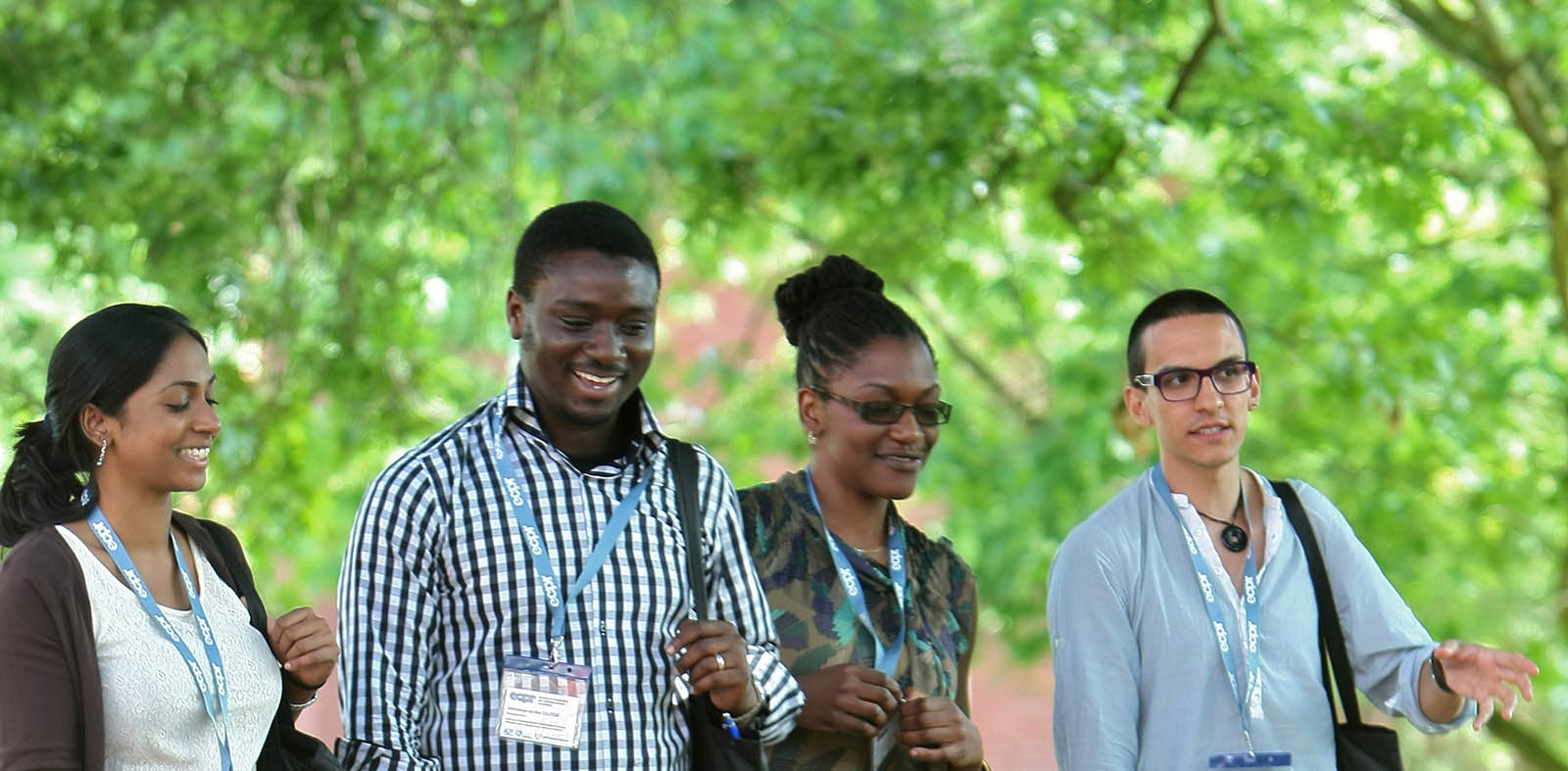
Populist governance poses a profound threat to universities, undermining the autonomy essential to knowledge production. Jeremy Ko and James F. Downes reveal how populist leaders invoking 'the people' against elites consistently reduce academic freedom – and right-wing variants accelerate the decline most sharply Read more
Philipp Lutscher
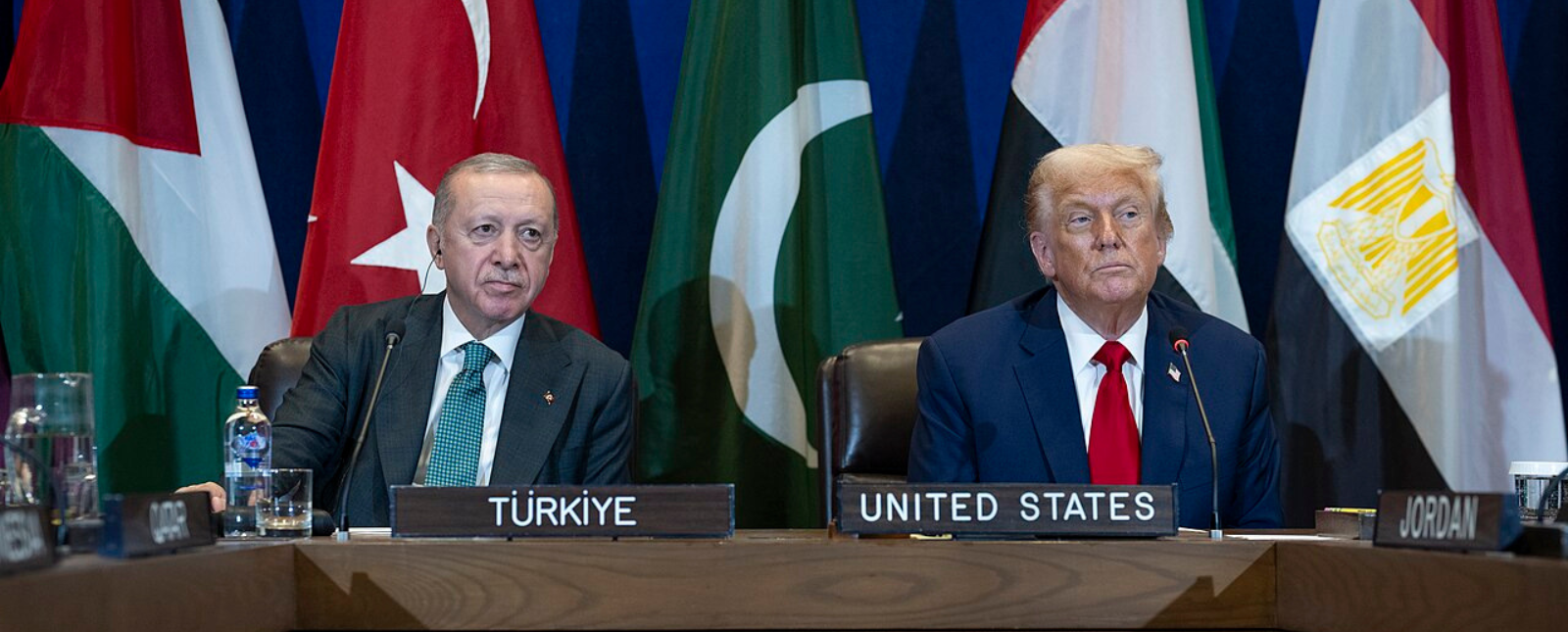
Philipp Lutscher, Jonas Bergan Dræge, Carl Henrik Knutsen and Karsten Donnay draw on three survey experiments across Venezuela, Turkey and the United States to show that visual strongman propaganda can deter opposition movements and mobilise supporters. Its effectiveness, however, depends on regime type and political context Read more
Anitta Kynsilehto
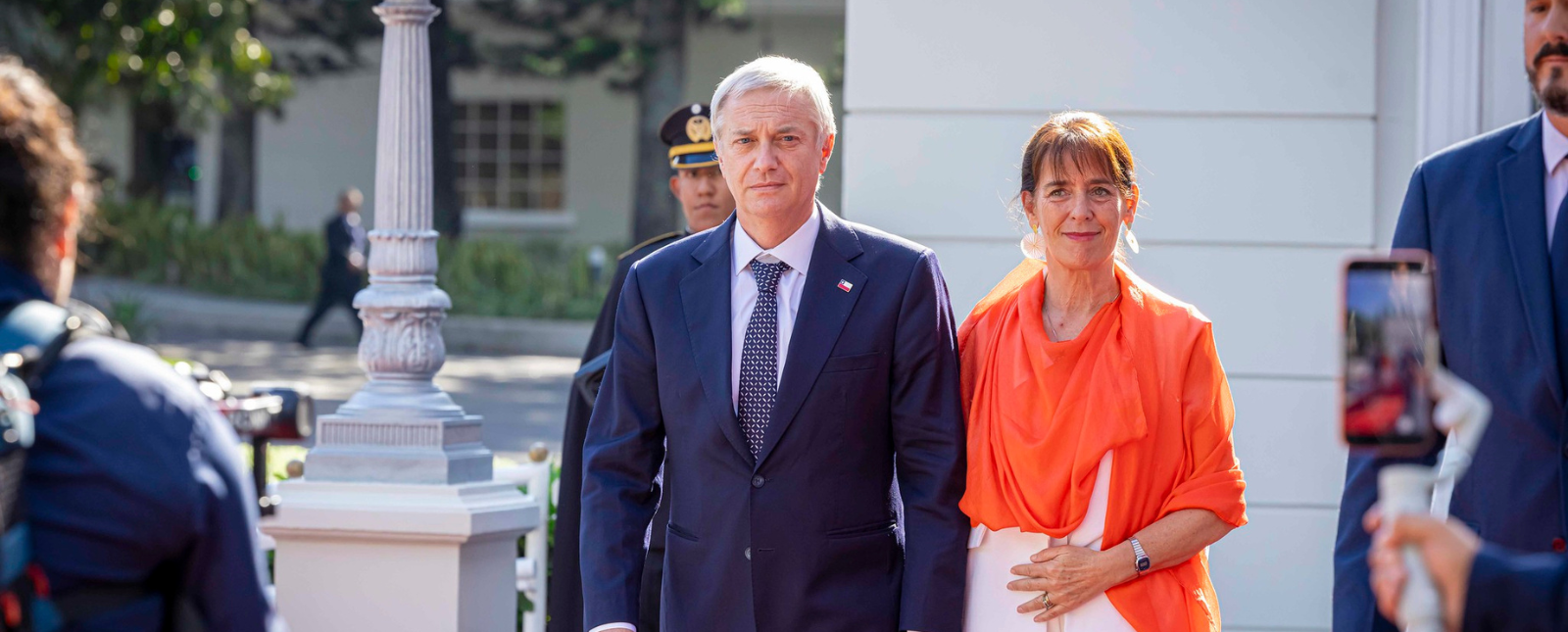
Chile has elected extreme-right candidate José Antonio Kast as its new president. His victory, argues Anitta Kynsilehto, may reflect a broader process of rewriting political memory in the post-dictatorship era, suggesting that Chileans' memories of 'never again' moments are beginning to fade Read more
Carolina Guerrero Valencia
First ladies in Latin America are more than ceremonial figures. They influence public policy, advance political careers, and build power within the core of the executive branch – without a formal mandate, or accountability. Carolina Guerrero Valencia shows why ignoring them means misreading presidential power itself Read more
Alberto Ruiz-Méndez
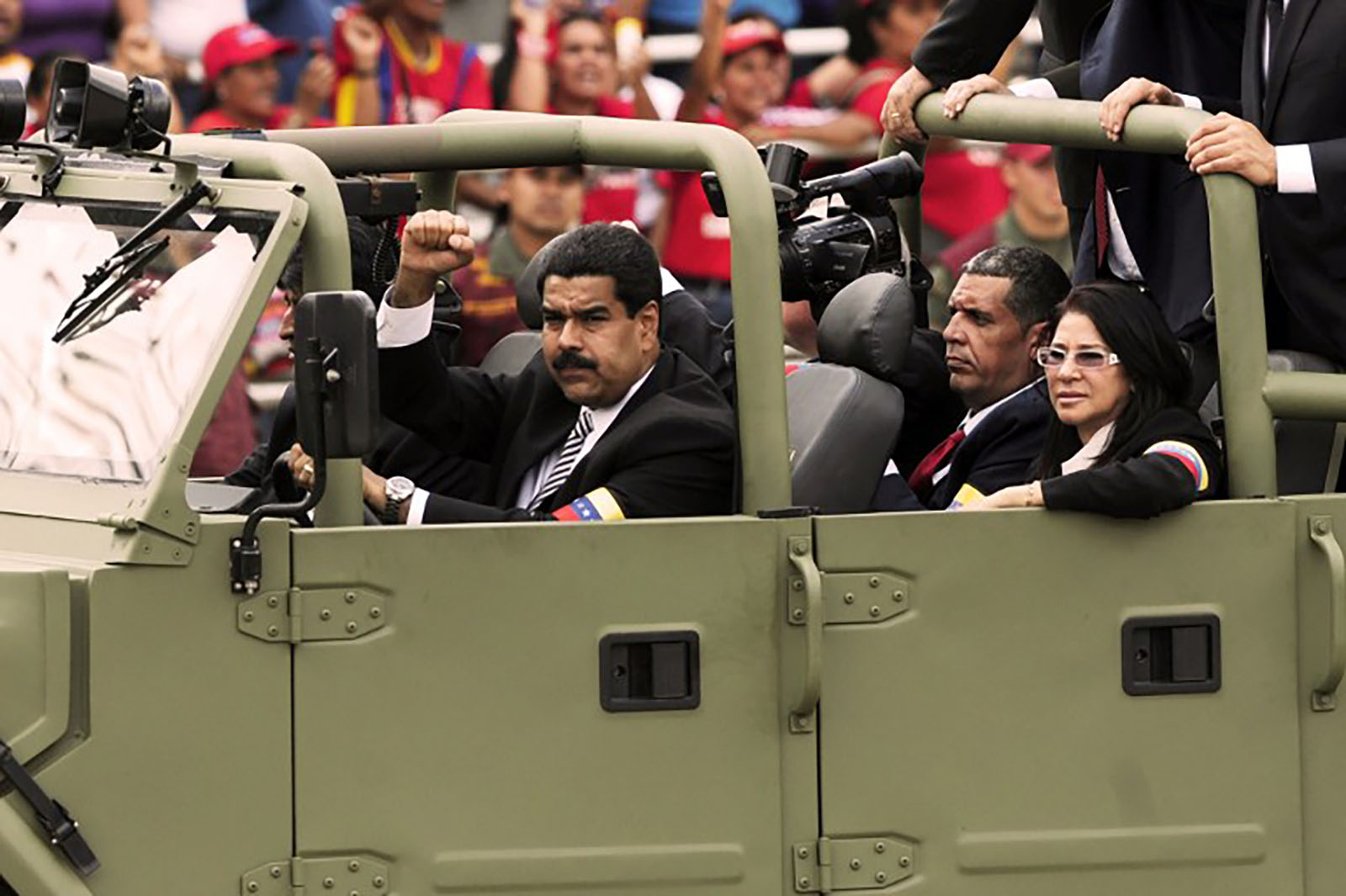
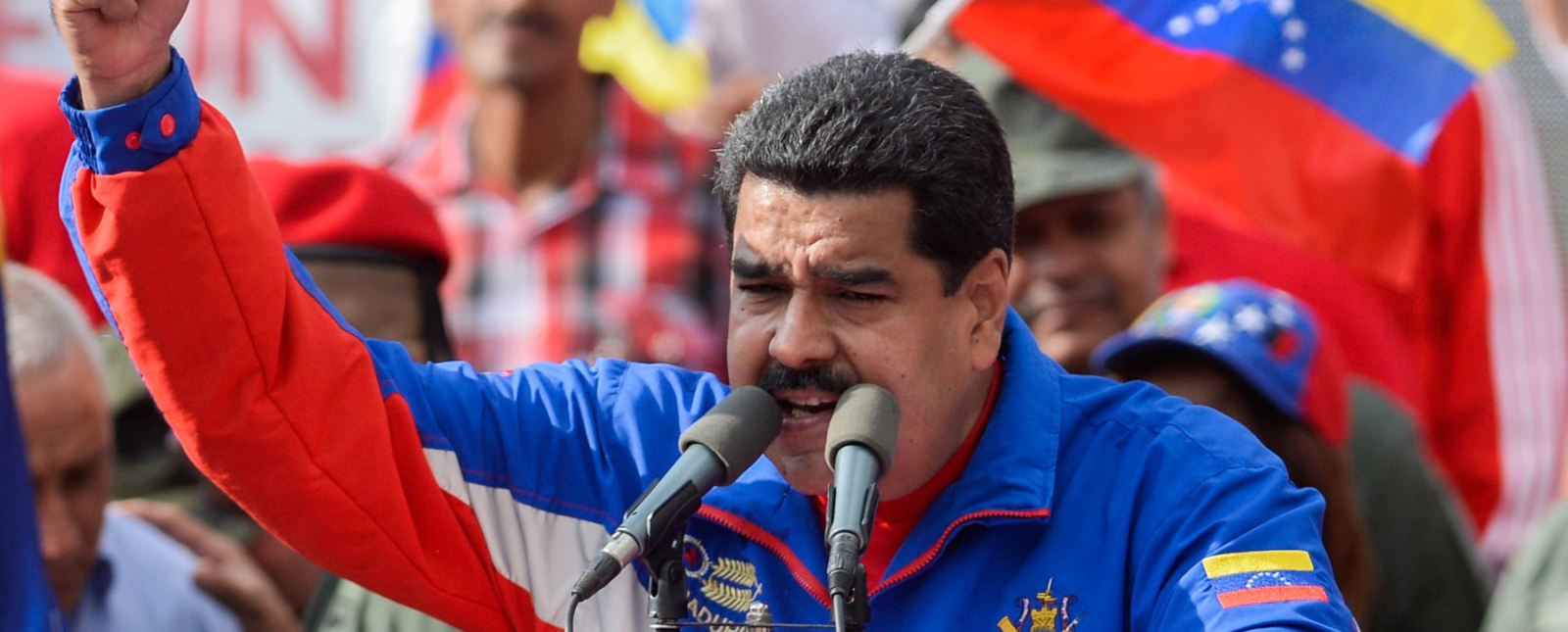
With Nicolás Maduro’s political weakening and the electoral victories of conservative parties in several Latin American countries, Alberto Ruiz-Méndez asks whether these developments signal the end of the wild years of populism. Here, he examines what the Latin American experience reveals about its limits Read more
Tim Pires Alves
In January 2026, many believed Venezuela to be on the brink of democratic transition. Recent political developments, however, have tempered any such optimism. So, have transformative efforts come to an end, or did they ever truly begin? Tim Pires Alves outlines a possible long-term trajectory for Venezuela toward a dysfunctional democracy shaped by economic dependence and opportunism Read more
Sonia Sarkar
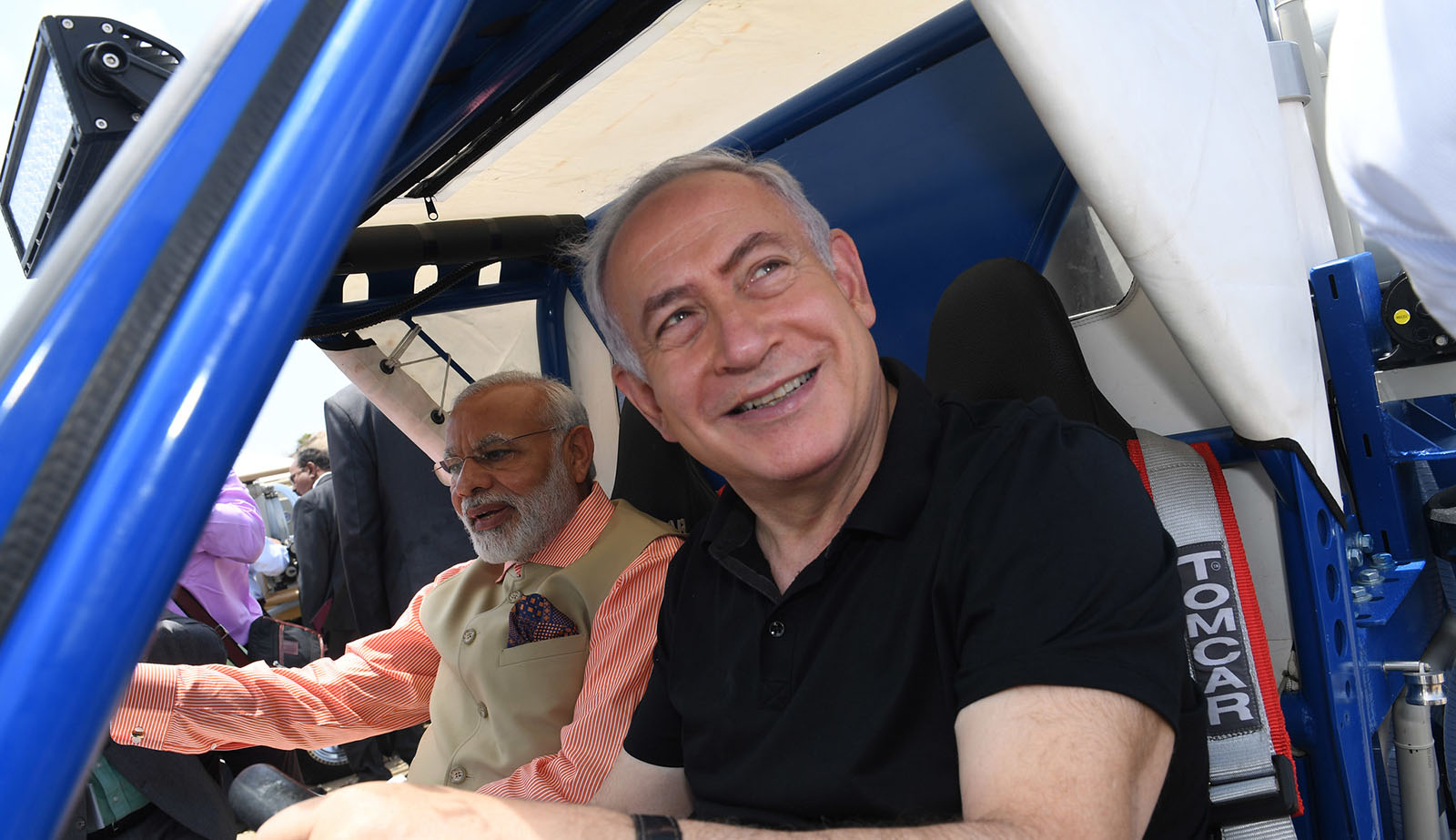
India sits precariously in this US-Israel-led war against its old regional partner Iran. This, says Sonia Sarkar, is because of Hindu supremacist Prime Minister Narendra Modi’s proximity to Israel's leader Benjamin Netanyahu Read more
Michal Malý
Michal Malý and Asker Bryld Staunæs argue that synthetic dissidents mark a new form of opposition politics. In authoritarian regimes, AI avatars and chatbots can propagate risky speech without exposing a single, identifiable speaker. This can protect journalists and activists, but it also changes how responsibility, authenticity and repression work Read more
We use necessary cookies to make our site work. We'd also like to set analytics cookies that help us make improvements by measuring how you use the site. These will be set only if you accept.
▼
Strictly Necessary Cookies
Necessary cookies enable core functionality such as security, network management, and accessibility. You may disable these by changing your browser settings, but this may affect how the website functions.
▼
Analytics Cookies
Google Analytics
We'd like to set Google Analytics cookies to help us improve our website by collecting and reporting information on how you use it. The cookies collect information in a way that does not directly identify anyone. For more information on how these cookies work please see our Privacy Notice.