Gusta Harris
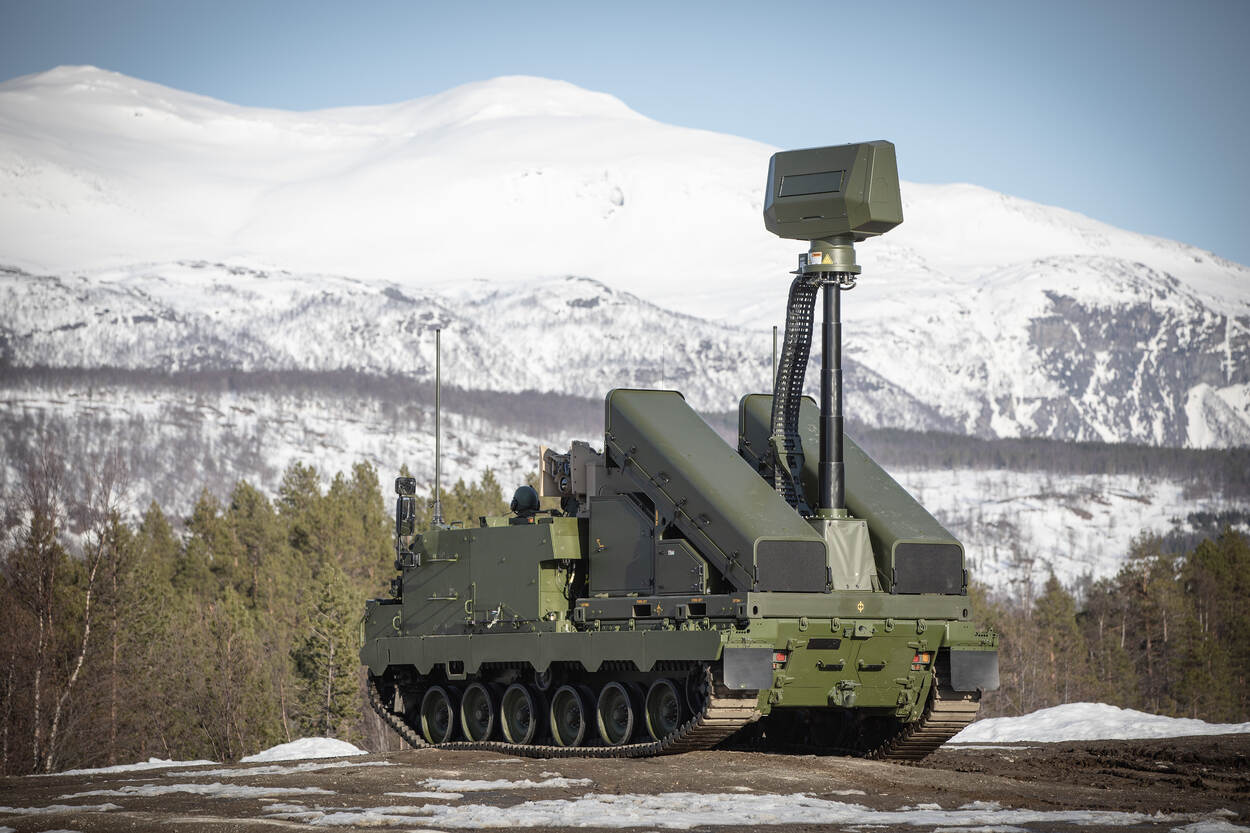
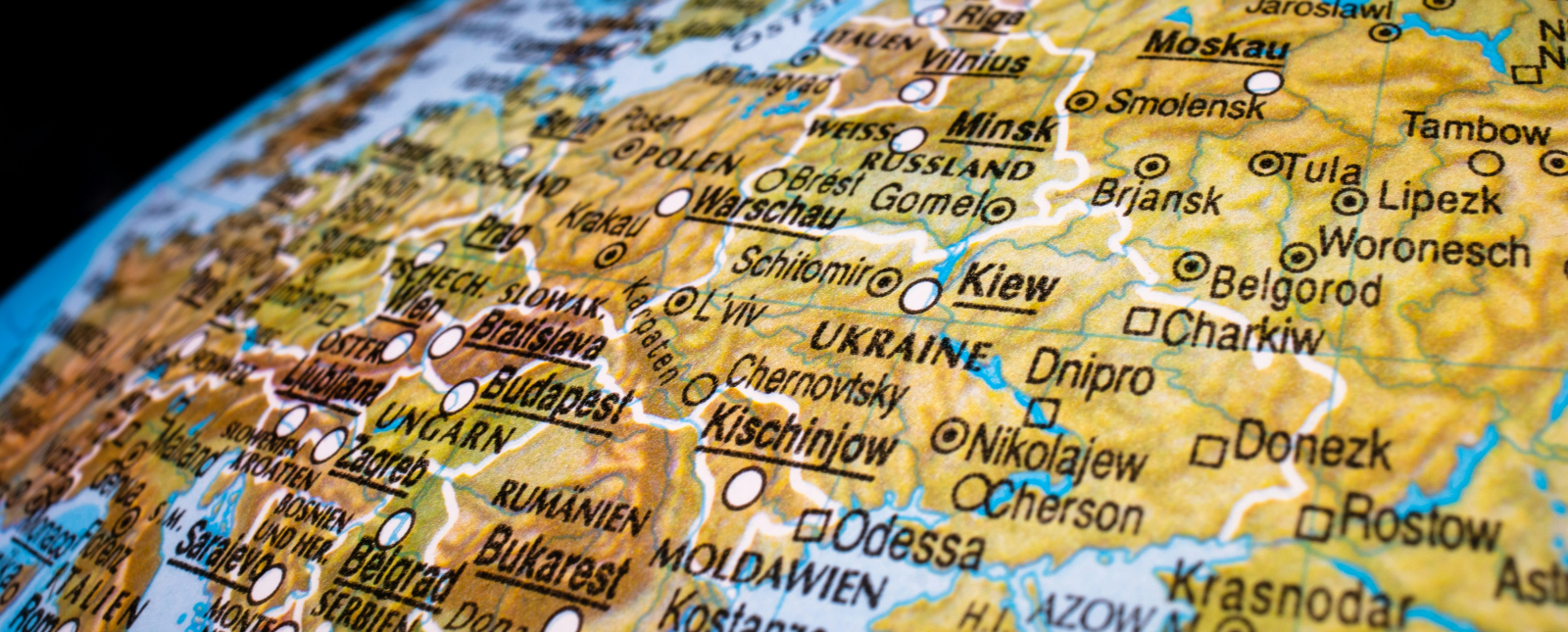
Long celebrated as a global humanitarian donor, Norway is now being pulled towards prioritising Europe’s front line, writes Gusta Harris. Russia’s war on Ukraine has not simply redirected Oslo’s aid, rhetoric, and defence priorities – it has started to change Norway’s international role. As military support for Kyiv grows and global aid budgets come under pressure, Norway faces a new dilemma: how to become a 'Good European' without losing its 'Good Samaritan' role Read more
Amir Alecperov
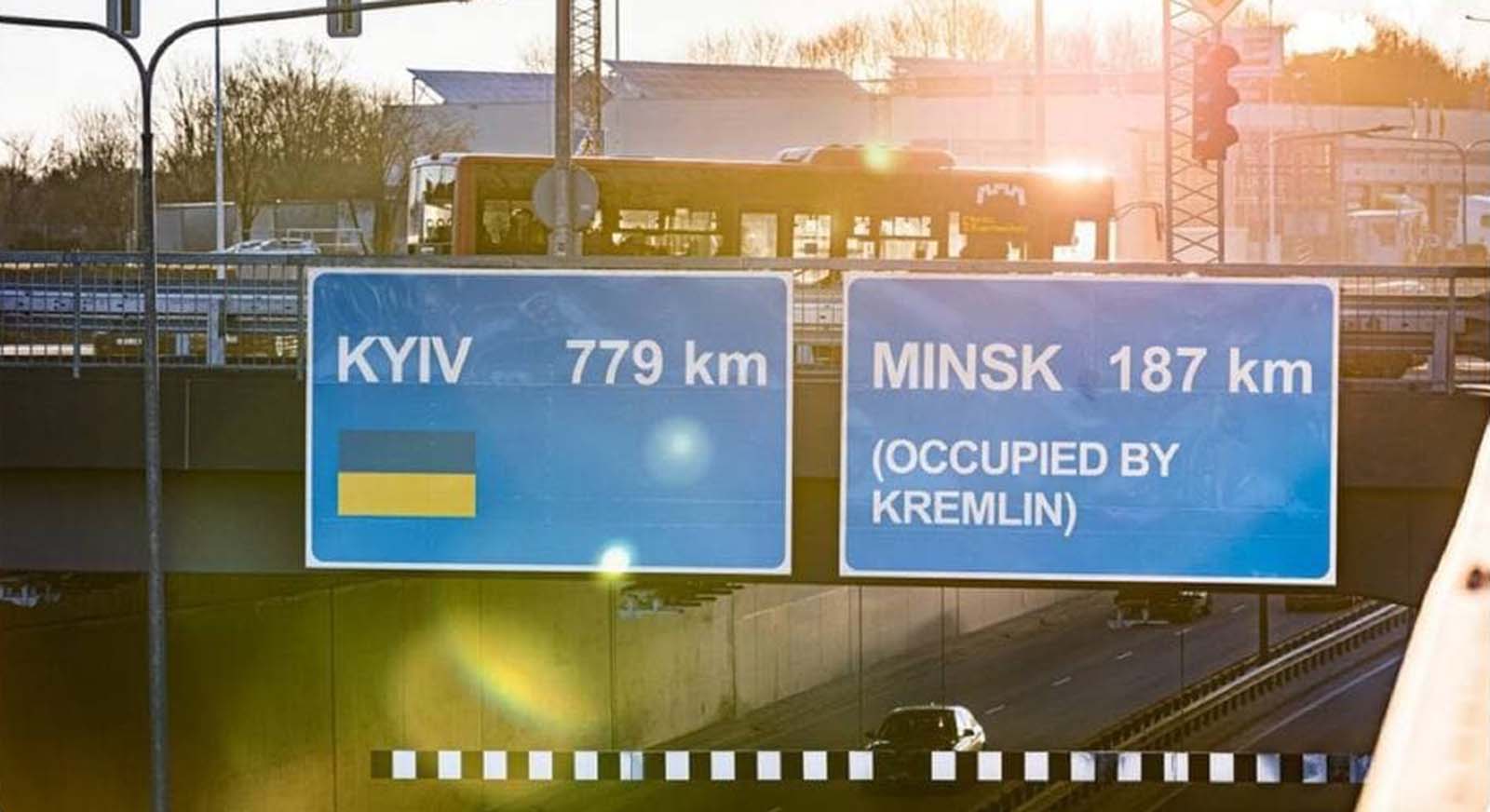
Amir Alecperov argues that Russian emigration after 2022 has not produced a break with imperial thinking – it has exported it. From Central Asia to the Baltic states and Germany, a troubling pattern emerges: Russians abroad carry the same mentality that enabled the war. Host states have the right, and the tools, to respond Read more
Marius Bales
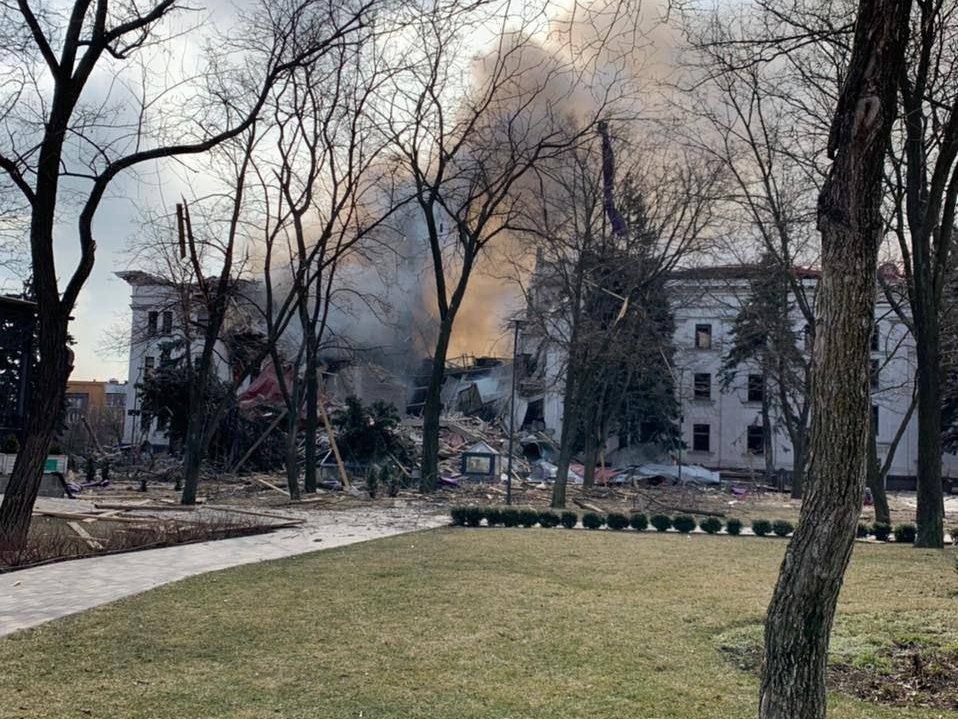
Marius Bales and Max Mutschler argue that precision weapons do not protect civilians. Indeed, in autocratic systems, they can make civilian suffering more targeted. In eroding democracies such as Israel and the US, weakening checks on executive power may also loosen military restraint Read more
Vera Tika
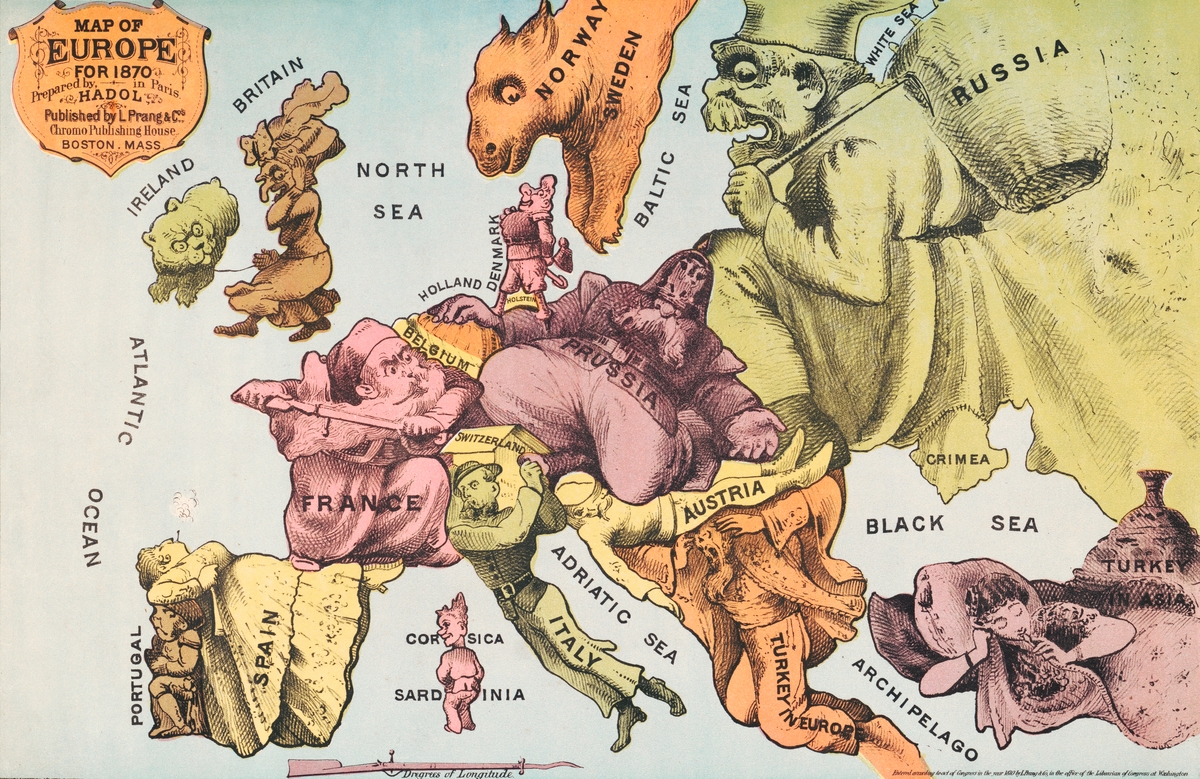
Recent contributions to this series have shown how enlargement has returned to the centre of European geopolitics. Vera Tika argues that the emerging model of gradual accession is transforming the meaning of EU membership from a binary status separating insiders from outsiders into a continuum of differentiated participation Read more
Shamsoddin Shariati
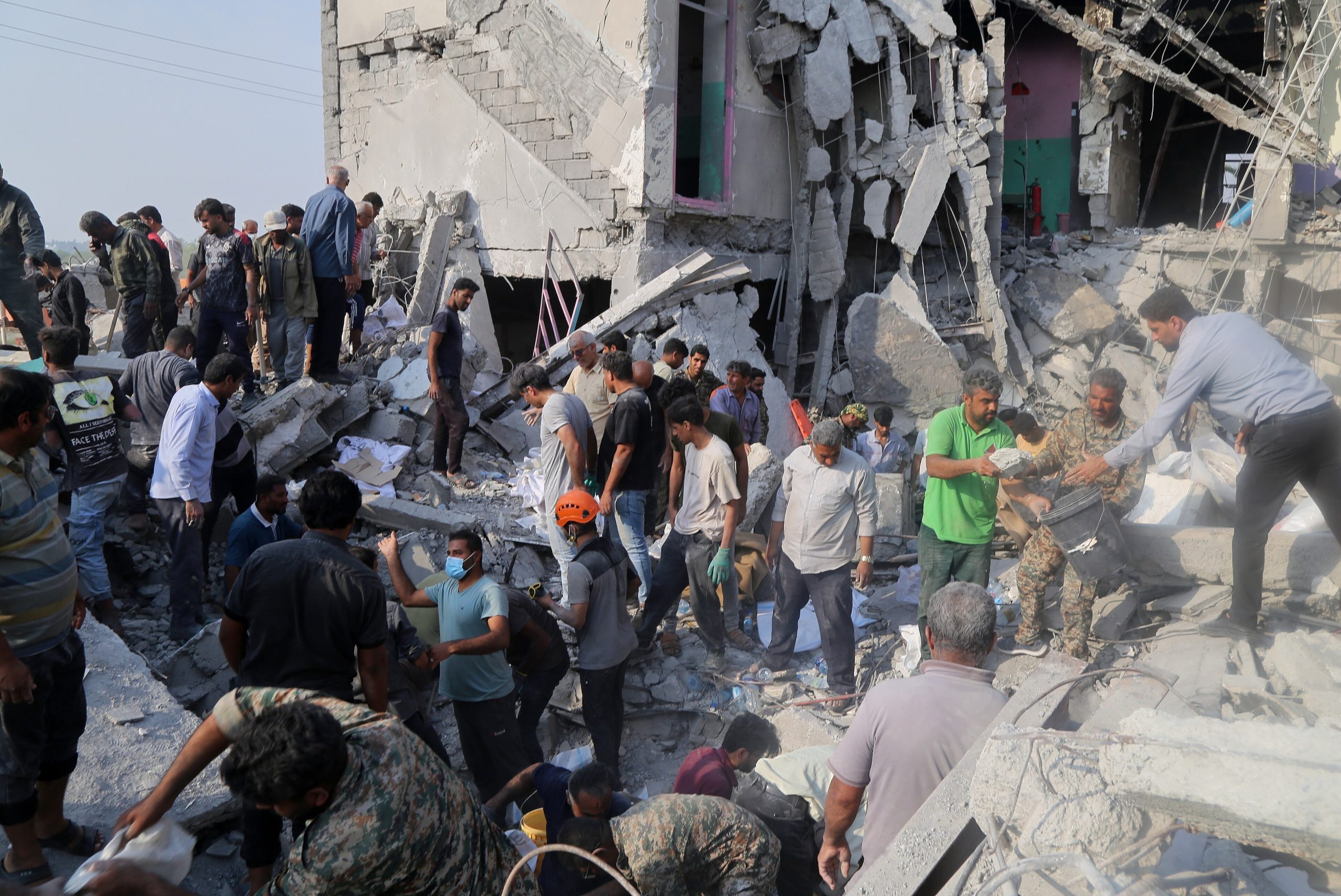
Europe’s support for the US-Israeli war on Iran, in the hope of securing American backing for Ukraine, is a strategic mistake, argues Shamsoddin Shariati. Rather than buying goodwill in Washington, European leaders are undermining their own security, credibility, and strategic autonomy Read more
Olamide Samuel
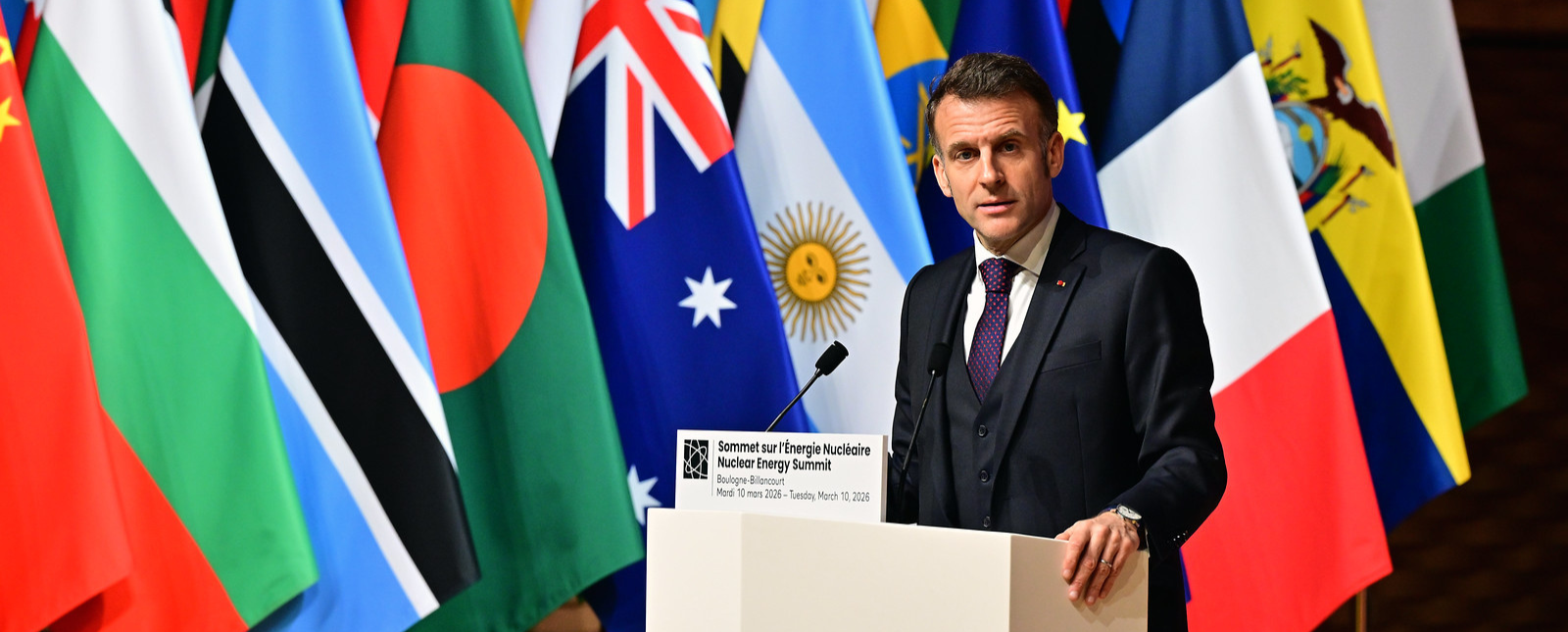
France’s new nuclear posture and Russia’s nuclear build-up in Belarus have made Europe feel vulnerable. But, argues Olamide Samuel, stronger nuclear rhetoric will not make Europe safer or more independent. Europe’s real task is to rebuild arms control, consultation, and dialogue before nuclear danger becomes harder to contain Read more
Anna Khan
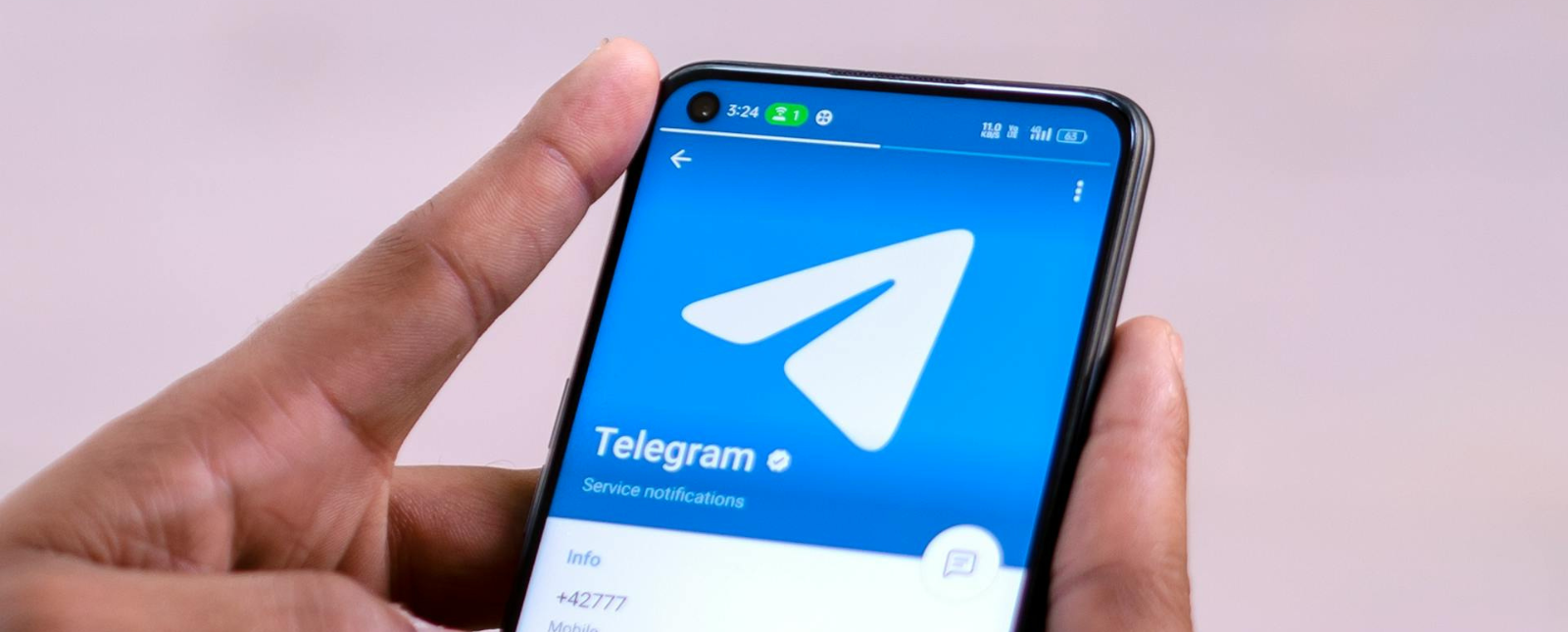
On 10 February 2026, Russia began throttling the instant-messaging service Telegram, later announcing its full blocking from 1 April. This, says Anna Khan, is no routine act of digital sovereignty. For years, Telegram was a central conduit for the Kremlin's propaganda. Restricting it signals not strength, but an attempt to contain the regime's decentralised nationalist momentum Read more
Eban Raymond
Since 2014, Russian society has become increasingly reliant on militaristic forms of self-expression. Eban Raymond argues that Russian national identity is beset by a lack of security and depends on defining itself in opposition to Ukraine, perpetuating armed aggression and making a durable peace a distant dream Read more
We use necessary cookies to make our site work. We'd also like to set analytics cookies that help us make improvements by measuring how you use the site. These will be set only if you accept.
▼
Strictly Necessary Cookies
Necessary cookies enable core functionality such as security, network management, and accessibility. You may disable these by changing your browser settings, but this may affect how the website functions.
▼
Analytics Cookies
Google Analytics
We'd like to set Google Analytics cookies to help us improve our website by collecting and reporting information on how you use it. The cookies collect information in a way that does not directly identify anyone. For more information on how these cookies work please see our Privacy Notice.