Pierce Leslie
Britain’s disability-benefit debate is commonly framed as a choice between containing spending and protecting claimants. Pierce Leslie argues that a better settlement would instead distinguish income protection from employment support and make it safer for people with partial or fluctuating capacity to work Read more
Tomas Caprara
The European Union is missing a strategic opportunity to expand its Northern borders, says Tomas Caprara. Before the August referendum in Iceland, Brussels should show openness towards exceptions on fisheries, the thorniest issue for the Union’s Northern neighbours Read more
Sonia Sarkar
A recent independent commission report revealed that people from India’s Daman and Diu region, who hold Portuguese passports, were ‘important actors’ in the 2022 outbreaks of violence in Leicester. Sonia Sarkar unpacks how multicultural Leicester turned communally divisive Read more
Ruairidh Brown
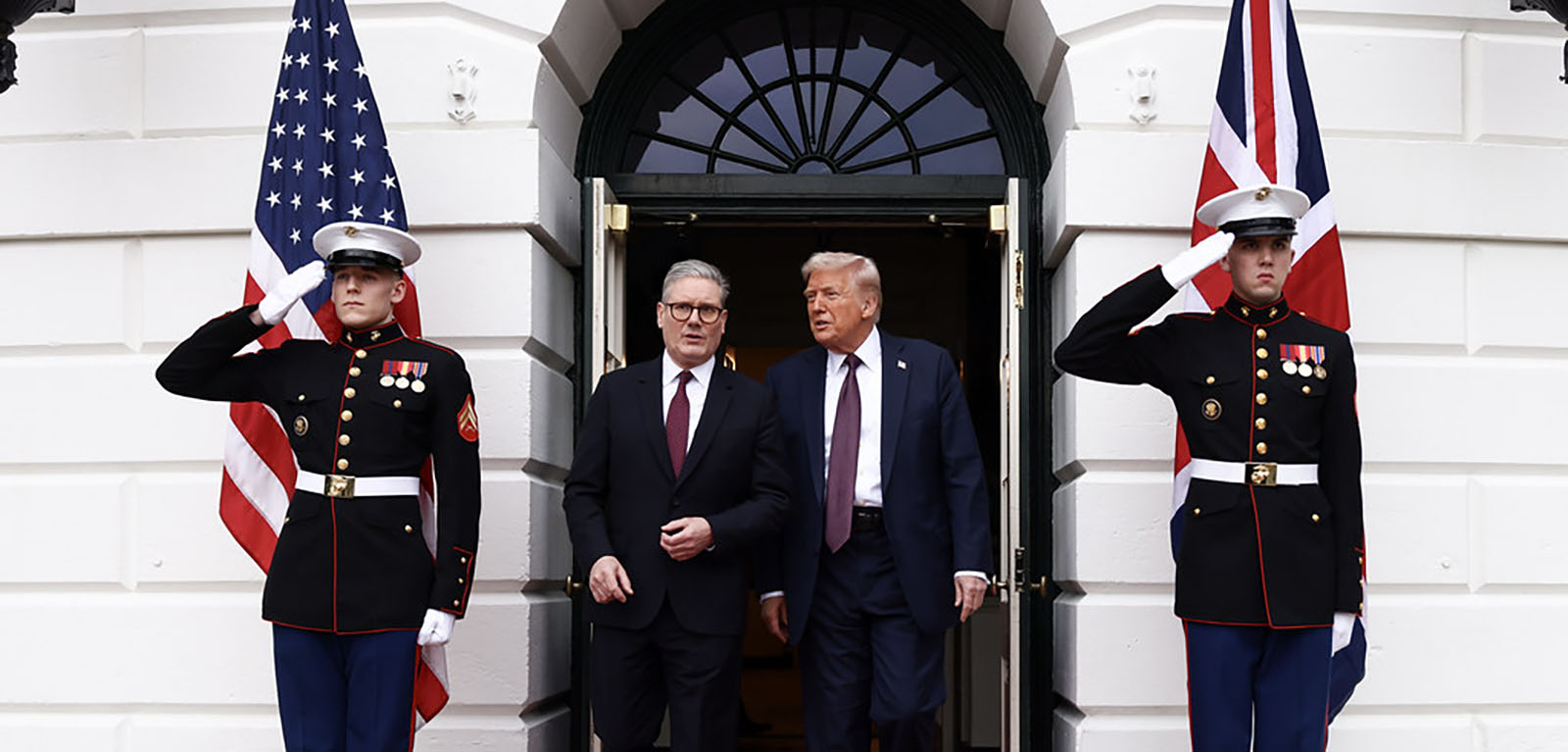
Trump’s dismissal of Keir Starmer as 'no Churchill' cuts Britain deep, argues Ruairidh Brown. His open contempt strikes at the heart of Britain’s post-imperial anxiety Read more
Marco Improta
Who benefits from feminism, and who loses from it? Marco Improta and Elisabetta Mannoni reveal an ideological gap between young men and women across Europe. This gap – strong in the UK, but absent in Norway – may relate to perceptions of the 'winners and losers' of feminism Read more
Linde Desmaele
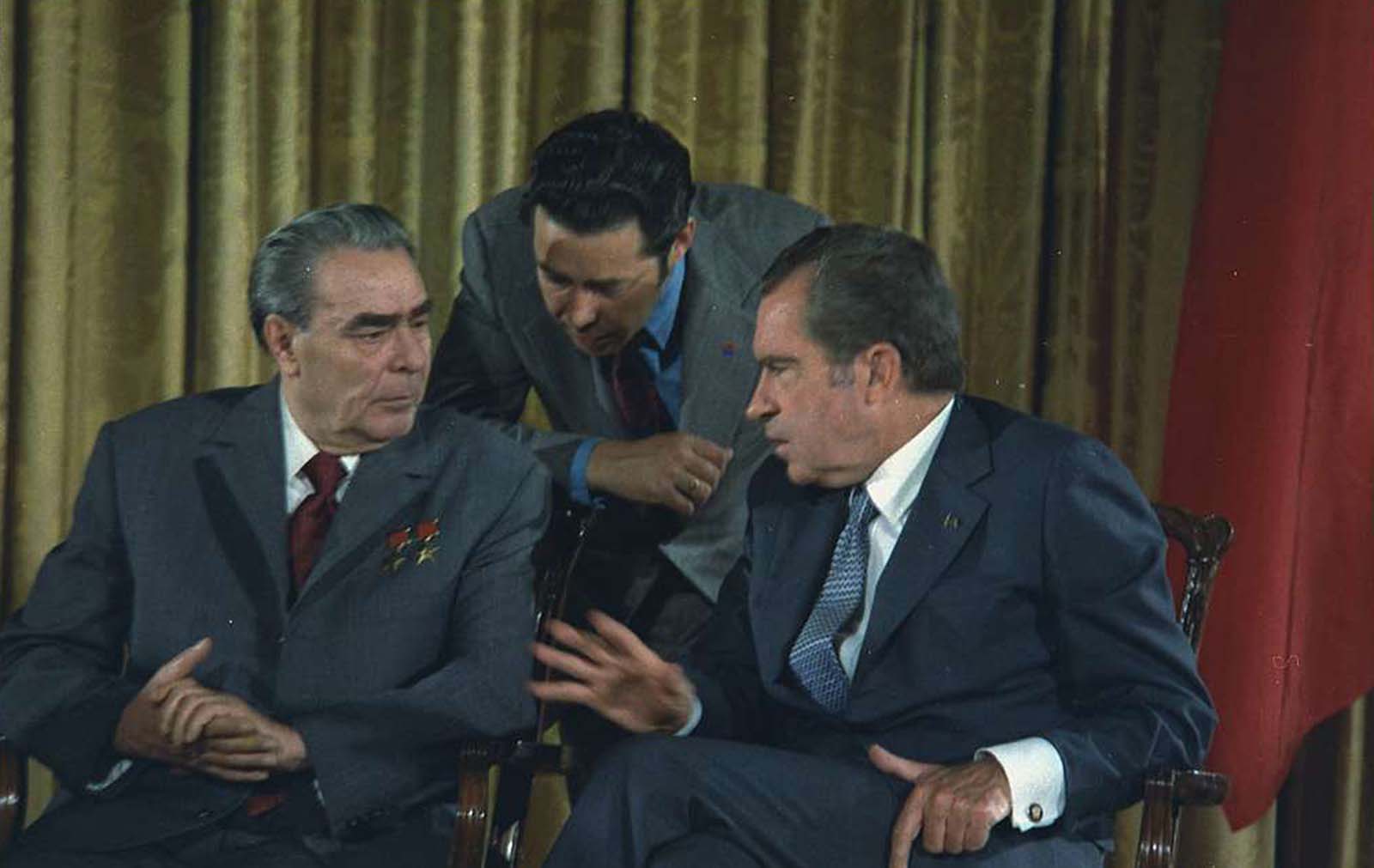
Cold War-era nuclear thinking can help explain how today’s challenges emerged. But Linde Desmaele warns that uncritical reliance on such thinking leads to misguided policies. Outdated frameworks can distort our understanding of how nuclear weapons are classified, how Russian intent is interpreted, what counts as success, and which actors will shape Europe’s nuclear future Read more
Rick van Well
Opposition parties are expected to challenge the government, but they do not simply oppose for opposition's sake. Drawing on over 75 years of data, Rick van Well explains that when deciding how to behave in parliament, opposition parties make strategic trade-offs between winning votes, entering the government, and influencing policy Read more
Cecilia Gustavsson
The core principles of the Treaty on the Non-Proliferation of Nuclear Weapons (NPT) are to prevent a the development and acquisition of nuclear weapons, and to reach complete disarmament. But, argues Cecilia Gustavsson, without improved transparency and independent verification mechanisms, the NPT could, paradoxically, accelerate a new nuclear arms race Read more
We use necessary cookies to make our site work. We'd also like to set analytics cookies that help us make improvements by measuring how you use the site. These will be set only if you accept.
▼
Strictly Necessary Cookies
Necessary cookies enable core functionality such as security, network management, and accessibility. You may disable these by changing your browser settings, but this may affect how the website functions.
▼
Analytics Cookies
Google Analytics
We'd like to set Google Analytics cookies to help us improve our website by collecting and reporting information on how you use it. The cookies collect information in a way that does not directly identify anyone. For more information on how these cookies work please see our Privacy Notice.