Ilker Kalin
Last year, Slovakia overturned controversial new reporting and disclosure requirements for non-governmental organisations. The country's subsequent turn to administrative scrutiny illustrates a broader problem. Drawing on new survey experiments in Slovakia, Hungary and Türkiye, Ilker Kalin shows that targeting 'foreign-funded' organisations does little to legitimise restrictions. Yet quieter administrative pressure may be harder to recognise and resist Read more
Syeda Saba Batool
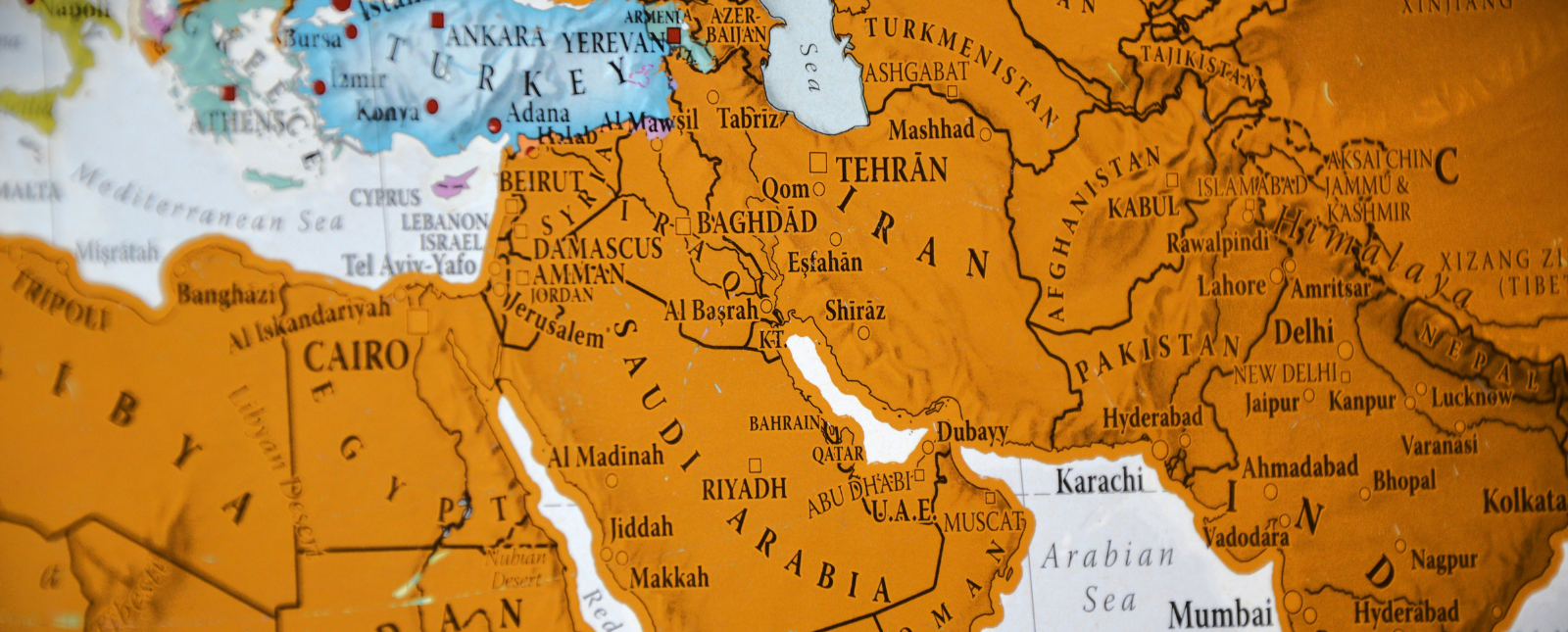
Syeda Saba Batool argues that a new defence agreement between Pakistan, Türkiye and Saudi Arabia could diversify regional security options. It may also strengthen collective deterrence, and reshape the security architecture of West and South Asia Read more
Dana Sofi
In 2018, scholars discovered the 75,000-year-old remains of a Neanderthal woman in Shanidar Cave, Iraq. What followed, argues Dana Sofi, reveals how even deep prehistory can become political. Once the woman's reconstructed face circulated online, 'Shanidar Z', as she was named, grew into more than an archaeological finding, coming to represent digital struggles over identity, territory and belonging Read more
Jan Nathrath
Nuclear energy is back at the centre of politics, but that doesn't guarantee a nuclear revival. Jan Nathrath shows why political enthusiasm alone cannot deliver new reactors and how geopolitical competition is reshaping access to international nuclear cooperation. For many Western newcomer states, the near-term prospects for nuclear deployment depend on whether alternative vendors can demonstrate reliable project delivery Read more
Süleyman Güngör
A court ruling has removed the elected leader of the opposition Republican People's Party in Türkiye, and reinstated his predecessor. The move has triggered competing claims to legitimacy. Süleyman Güngör examines the crisis, looking beyond party politics to the broader literature on democratic backsliding and judicial power Read more
Taylan Utku Düzgün
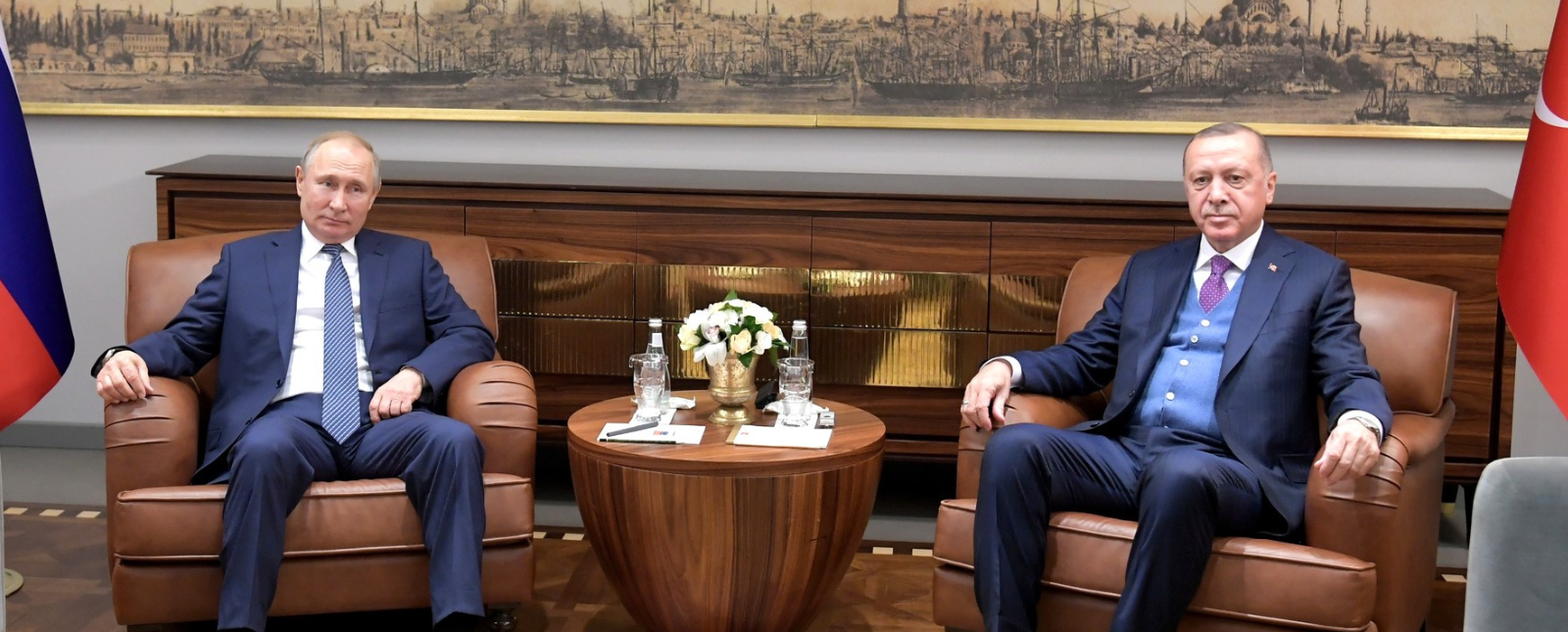
Taylan Düzgün argues that Turkish–Russian coordination in Syria has never reflected a true strategic alliance. Instead, both sides have developed limited forms of cooperation to contain escalation while pursuing fundamentally incompatible goals. The Syrian conflict shows how rivalry and coordination increasingly coexist in contemporary international politics Read more
Murat Aktaş
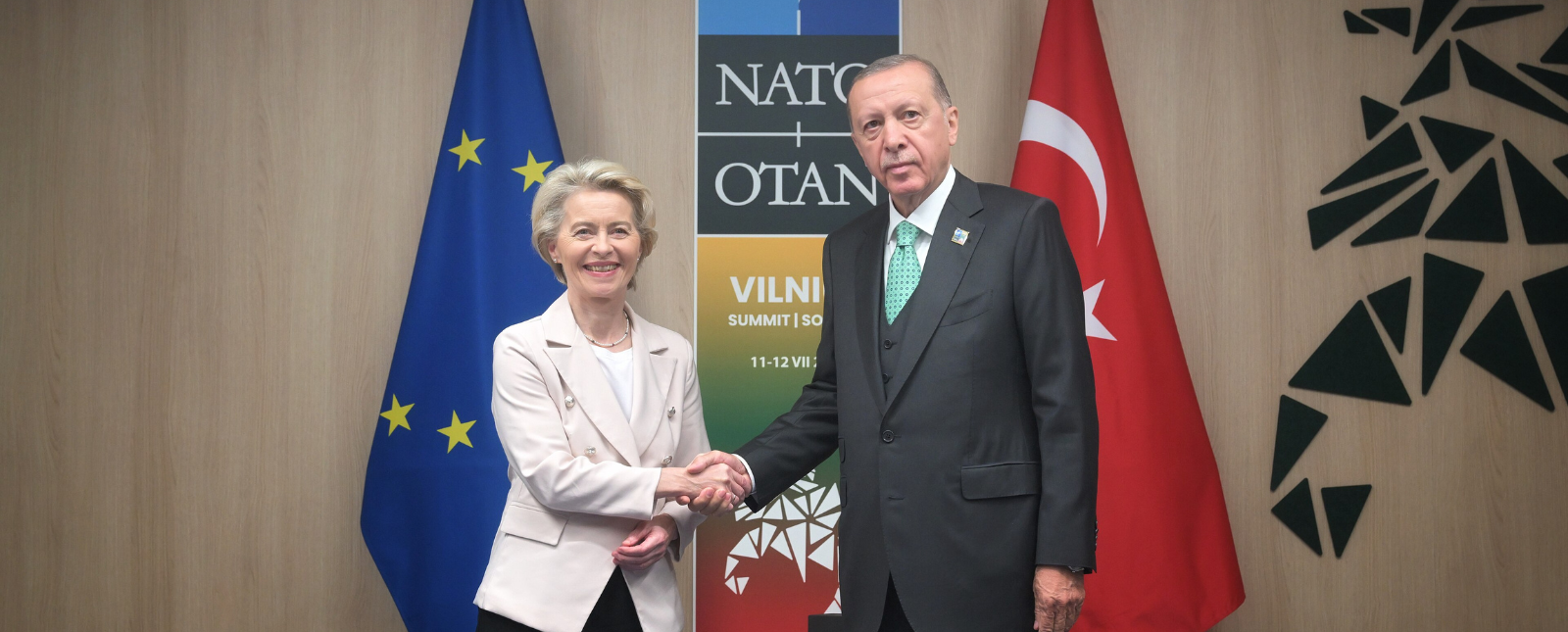
Ursula von der Leyen’s move to group Türkiye with Russia and China jeopardises the EU’s new security architecture. Murat Aktaş warns that treating an official EU candidate and ally as an 'excluded partner' is a strategic miscalculation. This deepening crack between rhetoric and reality creates an ontological crisis, threatening the credibility of the enlargement policy Read more
Osman Bahadir Dinçer
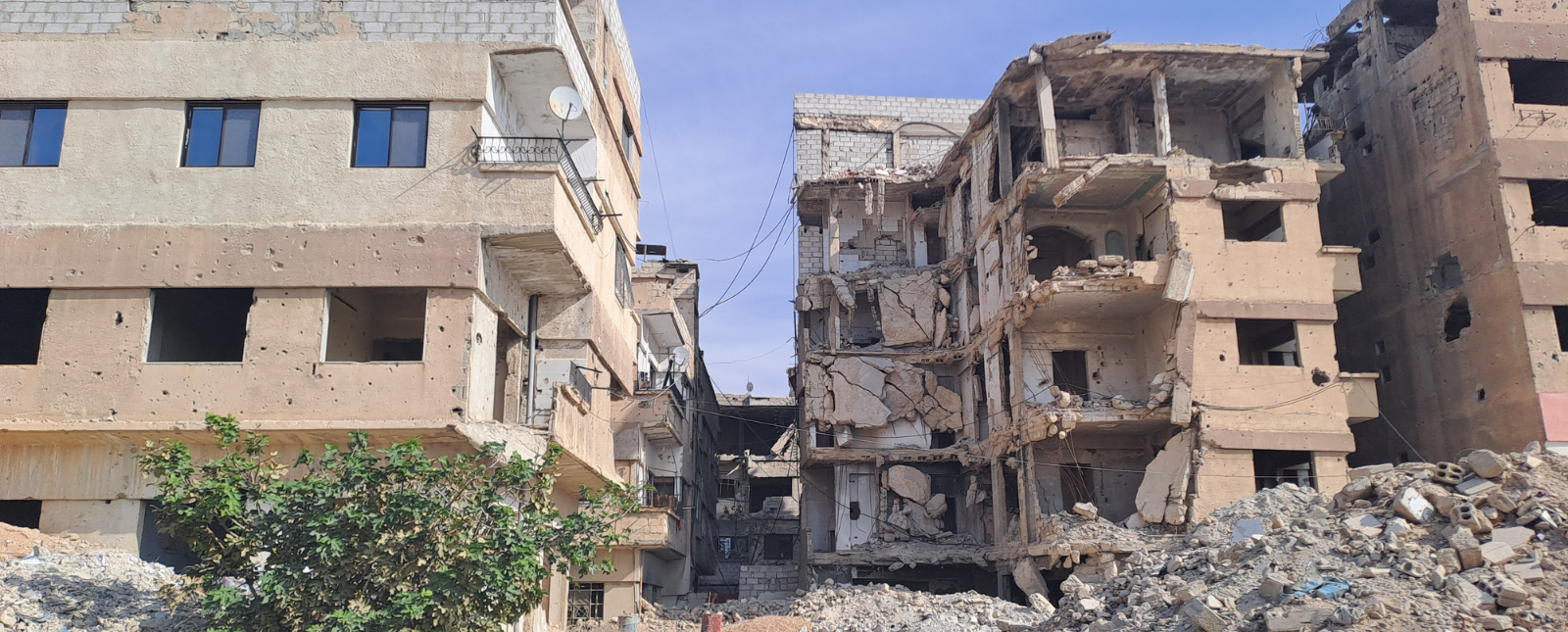
Osman Bahadir Dinçer and Zeynep Sahin-Mencütek argue that Syria is not ready for large-scale refugee return. Drawing on interviews with returnees, they show how economic collapse, weak institutions, and social fragmentation undermine reintegration. Policy debates, they say, must move beyond rhetoric to reflect realities on the ground Read more
We use necessary cookies to make our site work. We'd also like to set analytics cookies that help us make improvements by measuring how you use the site. These will be set only if you accept.
▼
Strictly Necessary Cookies
Necessary cookies enable core functionality such as security, network management, and accessibility. You may disable these by changing your browser settings, but this may affect how the website functions.
▼
Analytics Cookies
Google Analytics
We'd like to set Google Analytics cookies to help us improve our website by collecting and reporting information on how you use it. The cookies collect information in a way that does not directly identify anyone. For more information on how these cookies work please see our Privacy Notice.