Loqman Radpey
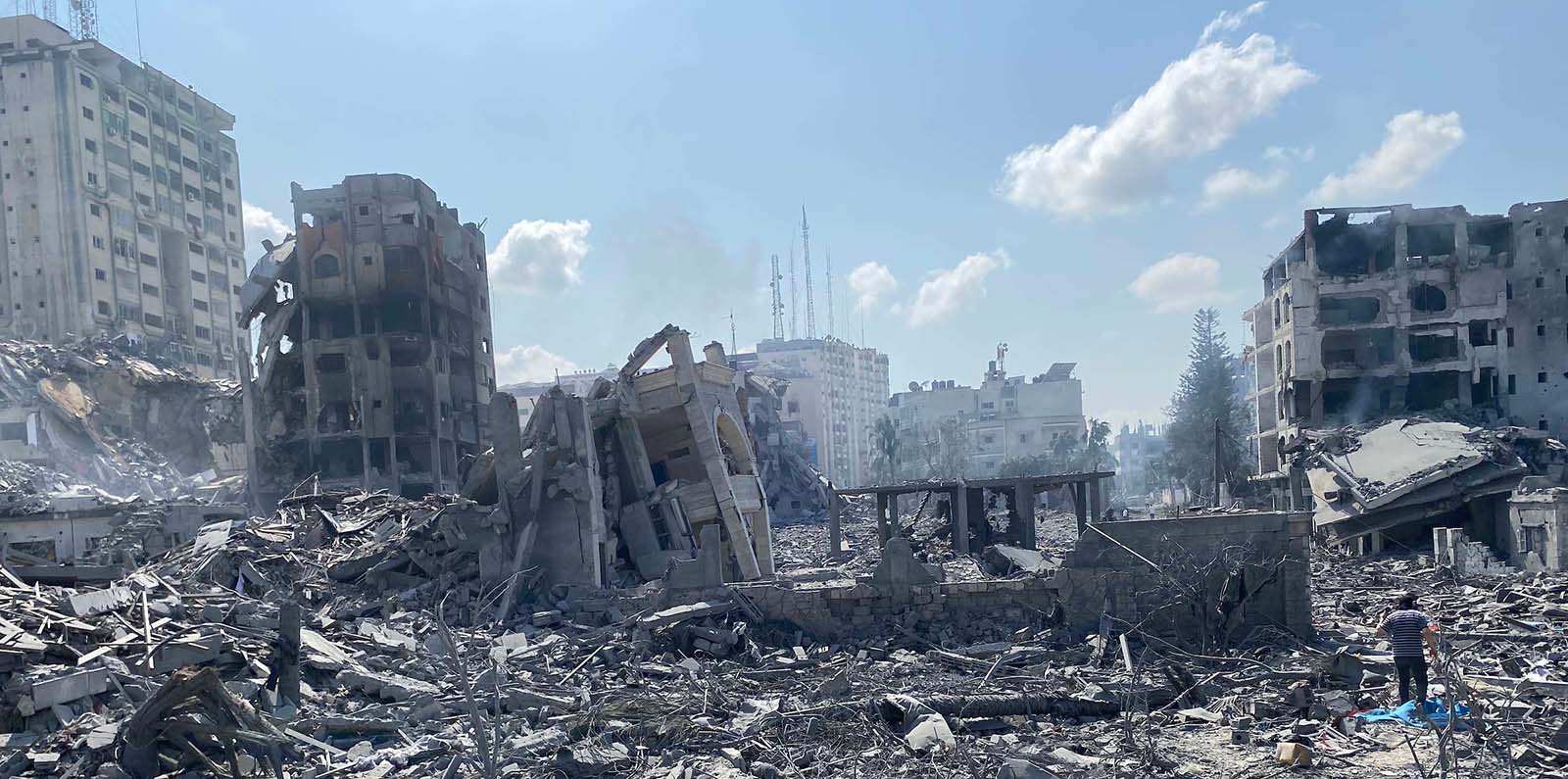
As we pass the anniversary of the 7 October Hamas attacks, it is crucial we examine the deeper roots of the ongoing crisis in the Middle East. The US Freedom Agenda, designed to promote democracy in the region, has instead created instability. Loqman Radpey reveals how misinterpretations of Middle Eastern dynamics pose profound challenges to peace and security. Read more
Giulia Dal Bello
The 2024 Olympics marked a significant moment in the growing intrusion of AI surveillance into public life. Giulia Dal Bello, Sivan Hirsch-Hoefler and Daphna Canetti argue that, despite the security advantages, governments need to account for public perceptions of surveillance, as negative views may fuel collective action against state authority. Read more
Vladimir Bortun
Last month, a group of scholars submitted an open letter to ECPR's Executive Committee, calling upon it to condemn the Israeli military campaign in Gaza. ECPR declined. This, says Vladimir Bortun, was a missed opportunity. Here, he argues that the political science community should use the catastrophe in Gaza to open up debate about the mission of ECPR – and about the very purpose of political science Read more
Margherita Belgioioso
Using disaggregated data for England, Margherita Belgioioso, Christoph Dworschak, and Kristian Skrede Gleditsch show that community deprivation drives far-right violence. Their research reveals how deprivation fuels it, and how it may be possible to predict where such violence is likely, even when we cannot predict who may be carrying out attacks. They also suggest that efforts to reduce community deprivation can also help reduce political violence Read more
Christof Nägel
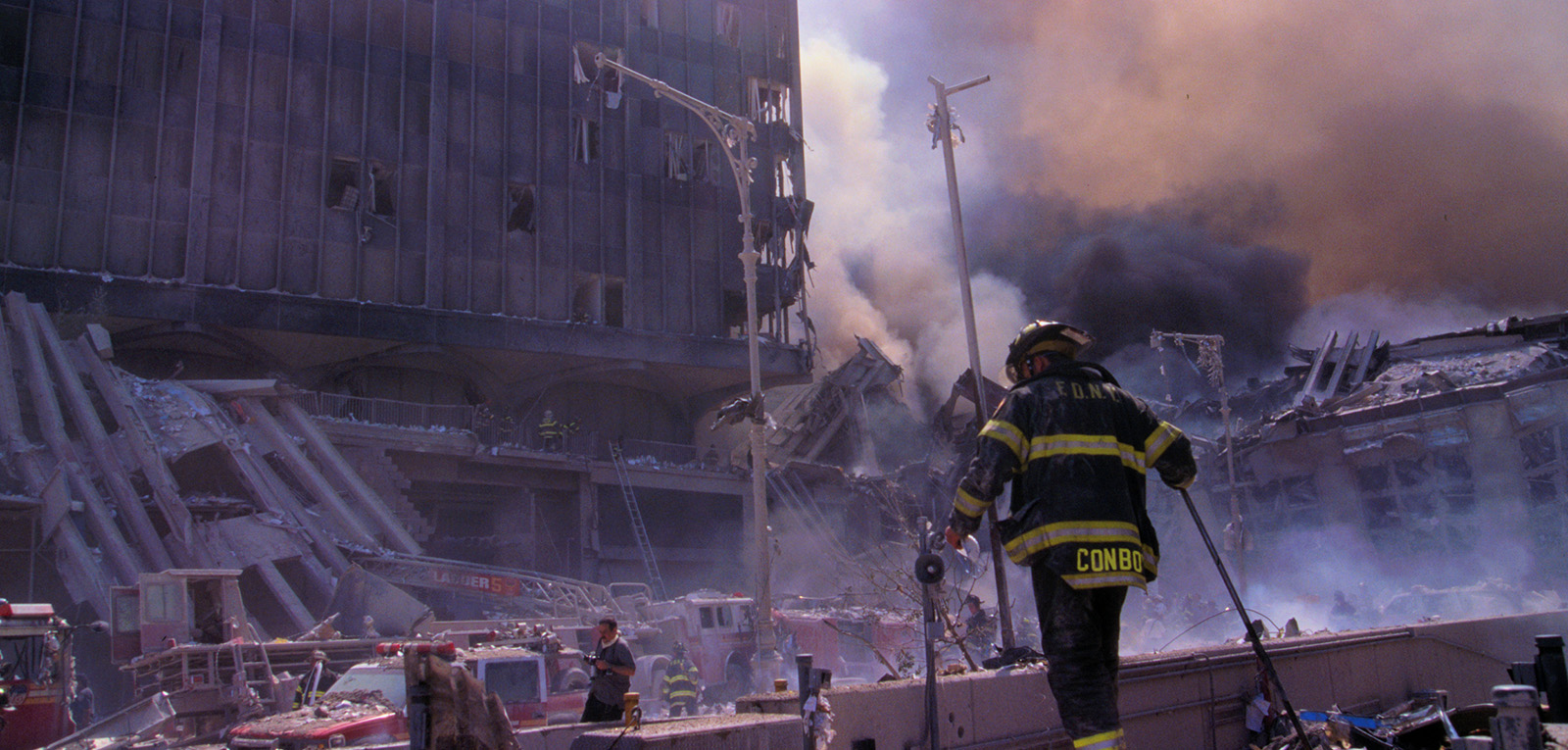
Research suggests that institutional trust increases in times of political crises. Christof Nägel, Amy Nivette and Christian Czymara test this notion for jihadist terror attacks in Europe. Their results imply that political leaders should not take these dynamics for granted Read more
Albrecht Rothacher
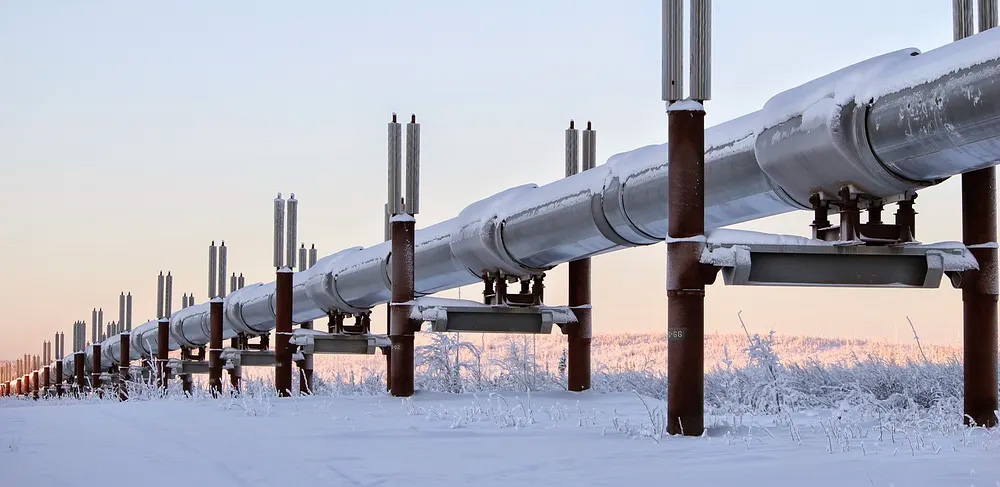
Starting with Seymour Hersh’s account of the destruction of the Nord Stream pipeline, Albrecht Rothacher argues that it is important to consider how far American interests are shaping the direction of the war in Ukraine. He cautions that in the long term, it could turn out to be a strategic blunder Read more
Valentina Ausserladscheider
Germany's recently announced increase in defence spending reflects a broader European shift in response to the war in Ukraine. Using the concept of path dependency, Valentina Ausserladscheider believes that this shift breaks with the founding idea of peace in the European Union Read more
Dionysios Stivas
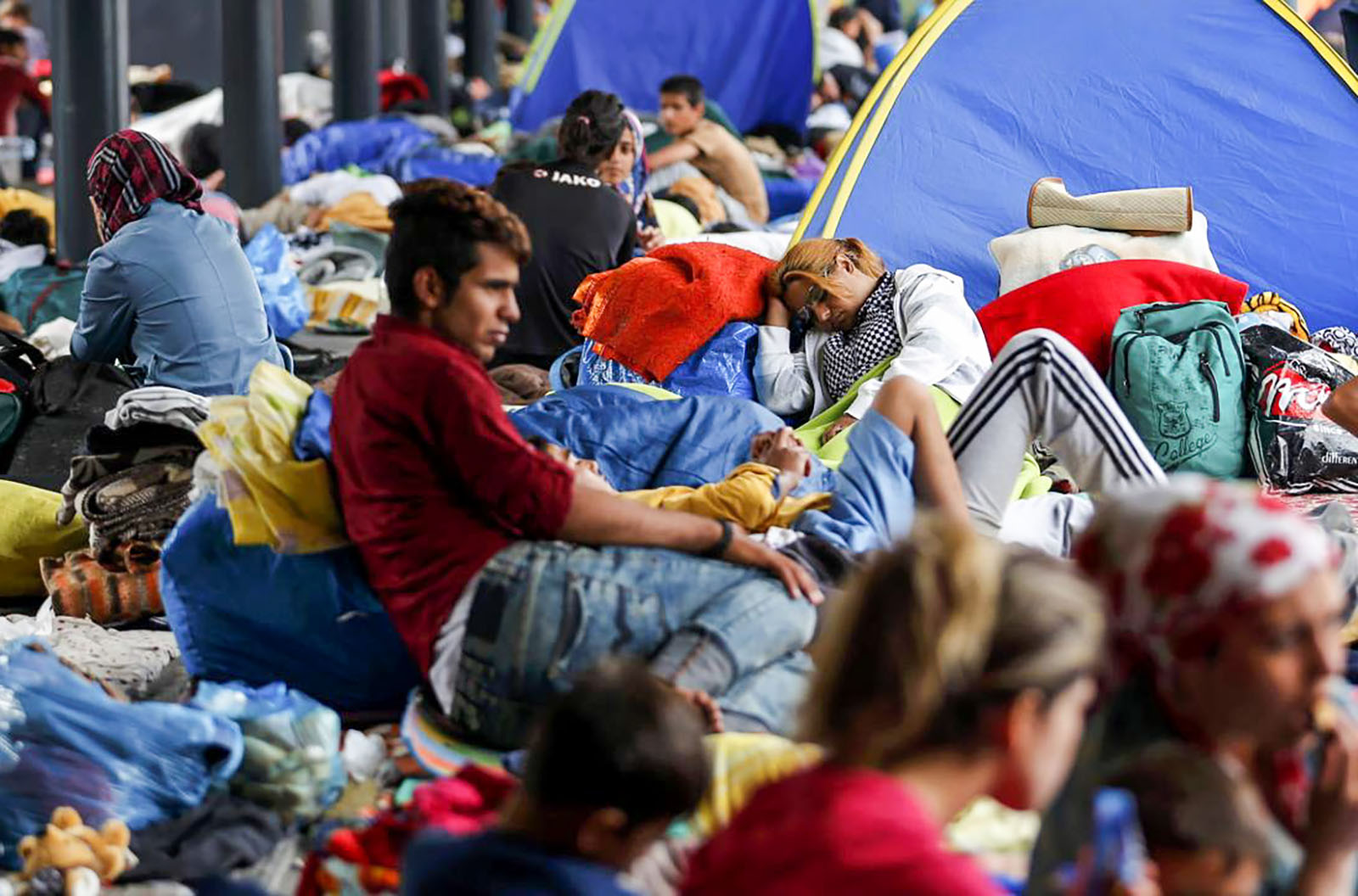
‘Securitising’ an alleged external threat can be a convenient tool for political leaders to justify extreme measures and policies. Dionysios Stivas looks at the case of Hungarian Prime Minister Viktor Orbán’s handling of asylum seekers in 2015 Read more
We use necessary cookies to make our site work. We'd also like to set analytics cookies that help us make improvements by measuring how you use the site. These will be set only if you accept.
▼
Strictly Necessary Cookies
Necessary cookies enable core functionality such as security, network management, and accessibility. You may disable these by changing your browser settings, but this may affect how the website functions.
▼
Analytics Cookies
Google Analytics
We'd like to set Google Analytics cookies to help us improve our website by collecting and reporting information on how you use it. The cookies collect information in a way that does not directly identify anyone. For more information on how these cookies work please see our Privacy Notice.