Aleh Baradzin
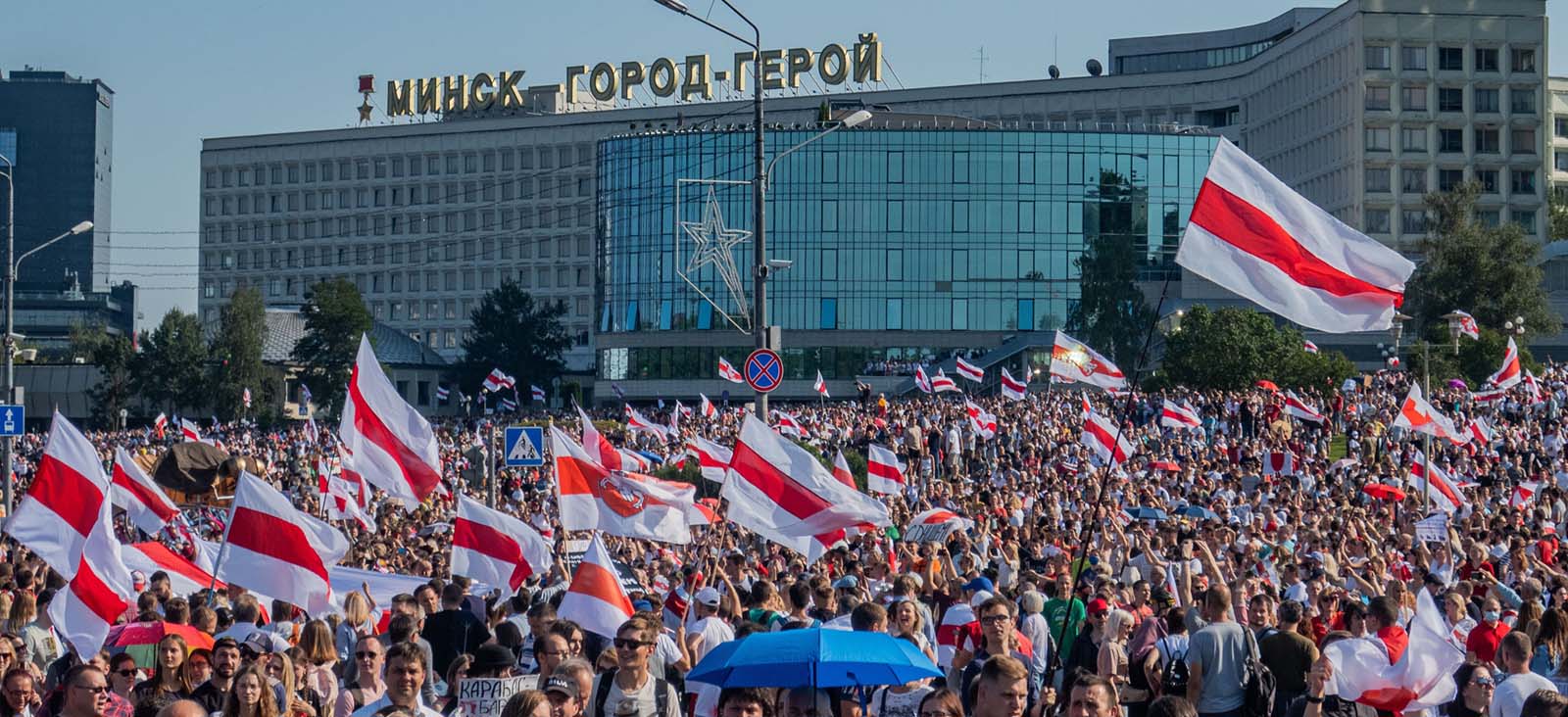
How could European legal mechanisms possibly serve the interests of an authoritarian leader? Aleh Baradzin examines how the brutal regime of Alexander Lukashenko in Belarus exploits international law to involve European courts, police, and migration authorities in the transnational persecution of political opponents Read more
Ruairidh Brown
As concerns grow over the global reach of Chinese Communist Party censorship, Ruairidh Brown and Momo clarify how Chinese discourse control functions. Rather than a top-down, process, they argue, censorship is a multidirectional social phenomenon Read more
Aleh Baradzin
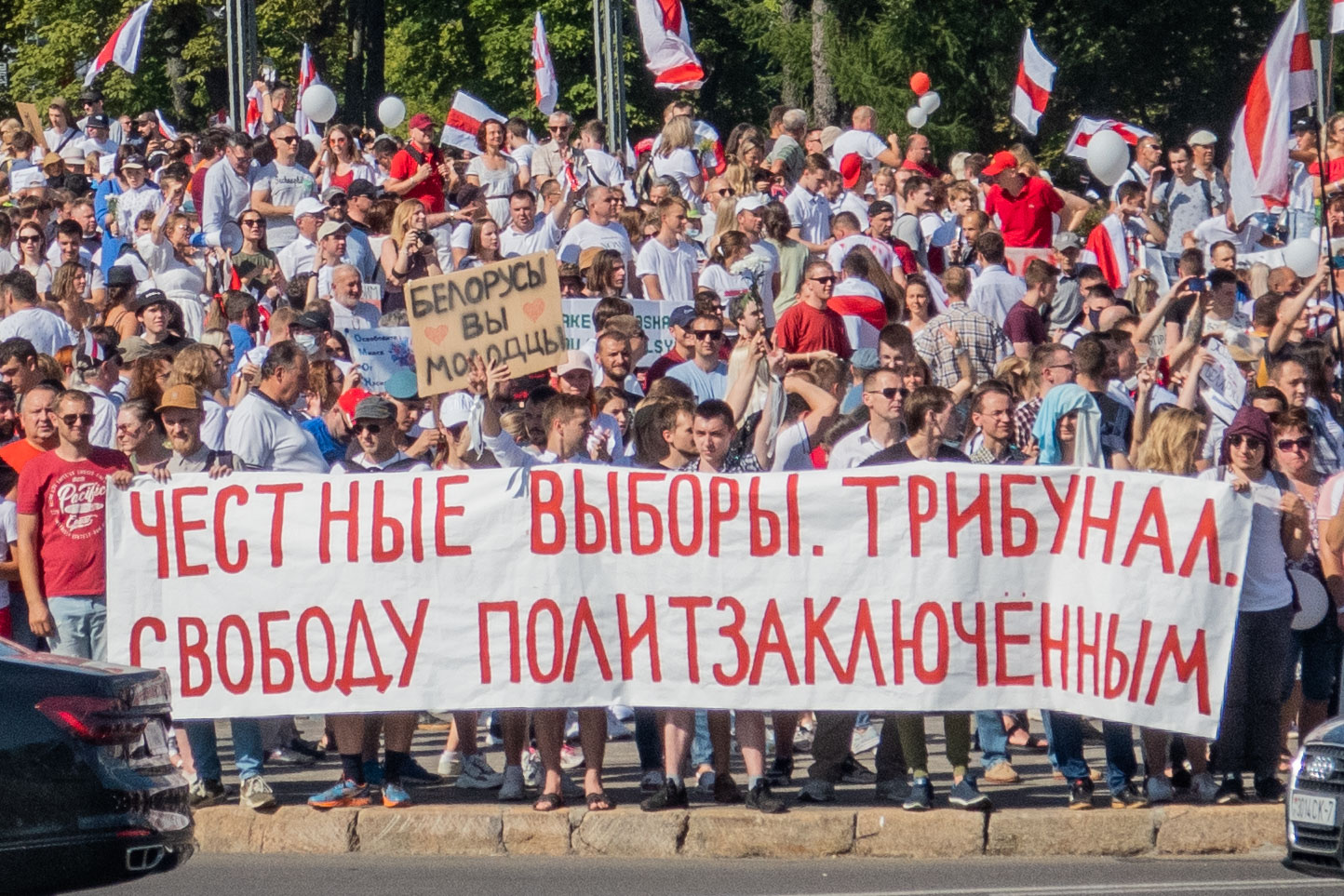
Aleh Baradzin examines why the families of political prisoners and political emigrants have become part of Belarus’s repressive system. Here, he reveals how the authorities use prisoners' families to exert pressure on political opponents Read more
Marta Rawłuszko
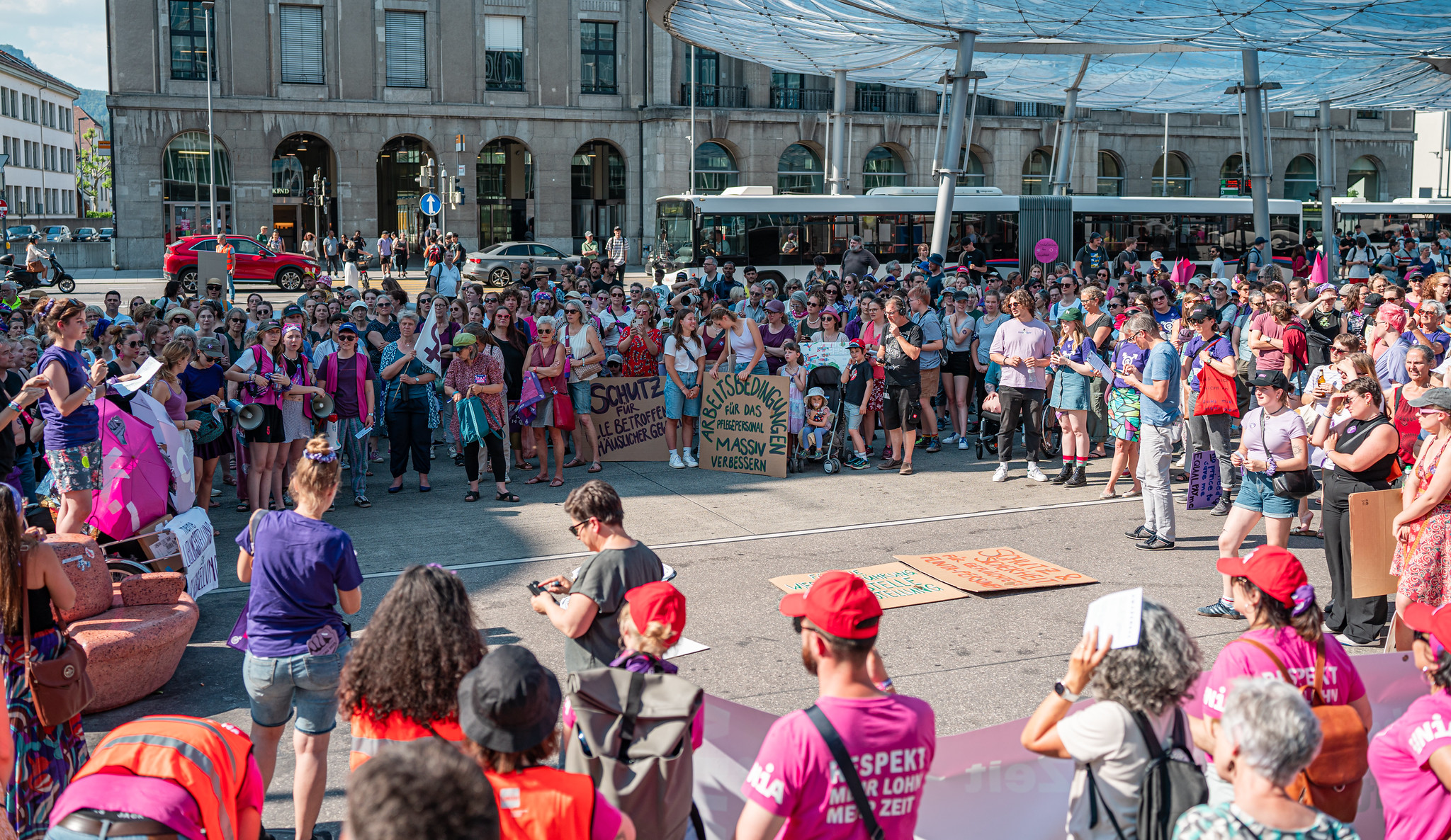
Feminists all over Europe embrace solidarity as a form of political dissent – and face systematic repression as a result. Yet, Marta Rawłuszko argues, they continue to resist and offer deeply political and practical alternatives to capitalist and nation-state logics Read more
Marina Milić
In 2024–25, Serbia’s leaderless, decentralised, nonviolent student movement made a rare thing happen: it made fear change sides. In 2026, the government has shifted from managing crowds to tightening procedural control, targeting the institutions that sheltered resistance. Universities, argues Marina Milić, are now the frontline rebels – disciplined through labour rules and a financial ‘kill switch’ Read more
Hossein Kermani
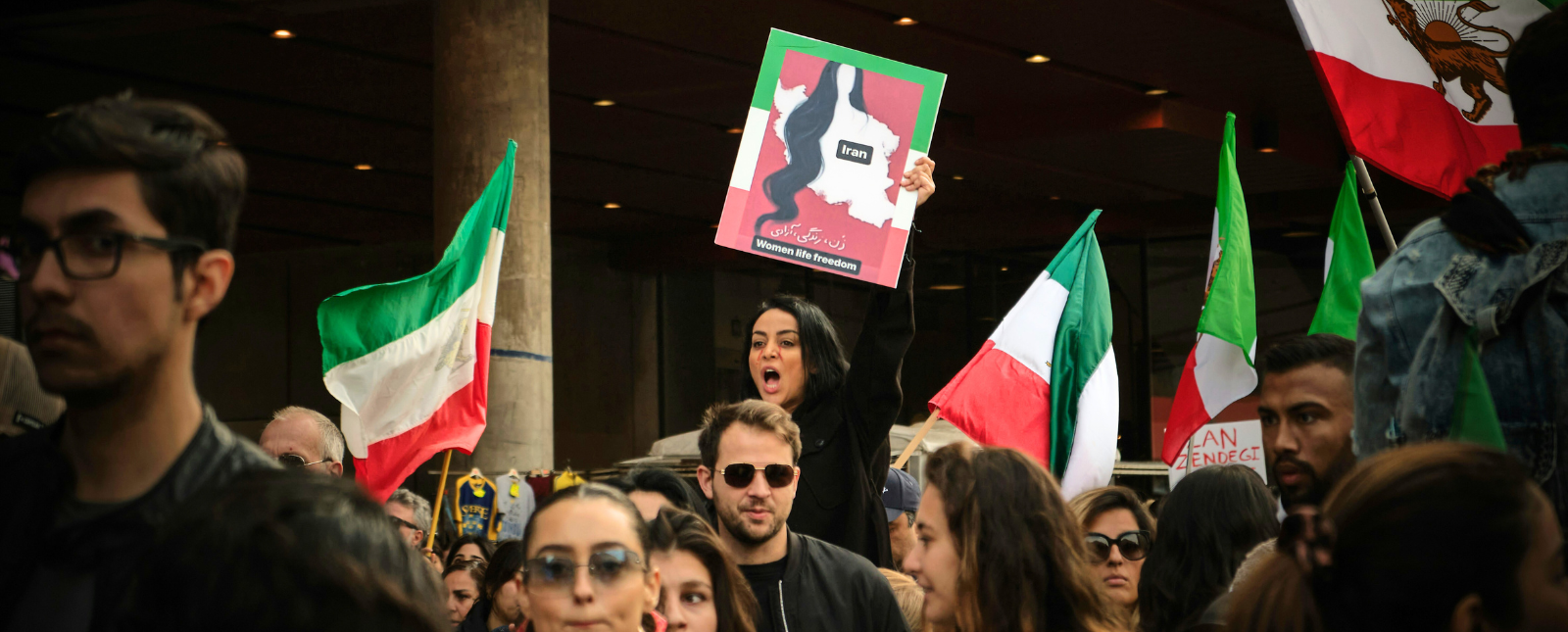
Hossein Kermani argues that the Islamic Republic’s staying power relies as much on fracturing its opposition as it does on repression. Here, he explains how depolarising rhetoric, institutional transparency, and durable organisation will sustain pressure, protect activists during crackdowns, and ensure the failure of the regime's divide-and-conquer tactics Read more
Julia Zulver
Under President Bukele’s perpetual 'State of Exception', El Salvador has made international news for its historic decline in homicides. Despite this, women report that problems of violence are far from over in the country, write Julia Zulver and Anne Ruelle Read more
Anthoula Malkopoulou
Anthoula Malkopoulou warns against conflating populism with authoritarianism and thus over-reacting and supporting repression. But treating populists as regular political opponents may lead to the opposite: under-reacting to the risks posed by some populist parties and individuals Read more
We use necessary cookies to make our site work. We'd also like to set analytics cookies that help us make improvements by measuring how you use the site. These will be set only if you accept.
▼
Strictly Necessary Cookies
Necessary cookies enable core functionality such as security, network management, and accessibility. You may disable these by changing your browser settings, but this may affect how the website functions.
▼
Analytics Cookies
Google Analytics
We'd like to set Google Analytics cookies to help us improve our website by collecting and reporting information on how you use it. The cookies collect information in a way that does not directly identify anyone. For more information on how these cookies work please see our Privacy Notice.