Zsófia Papp
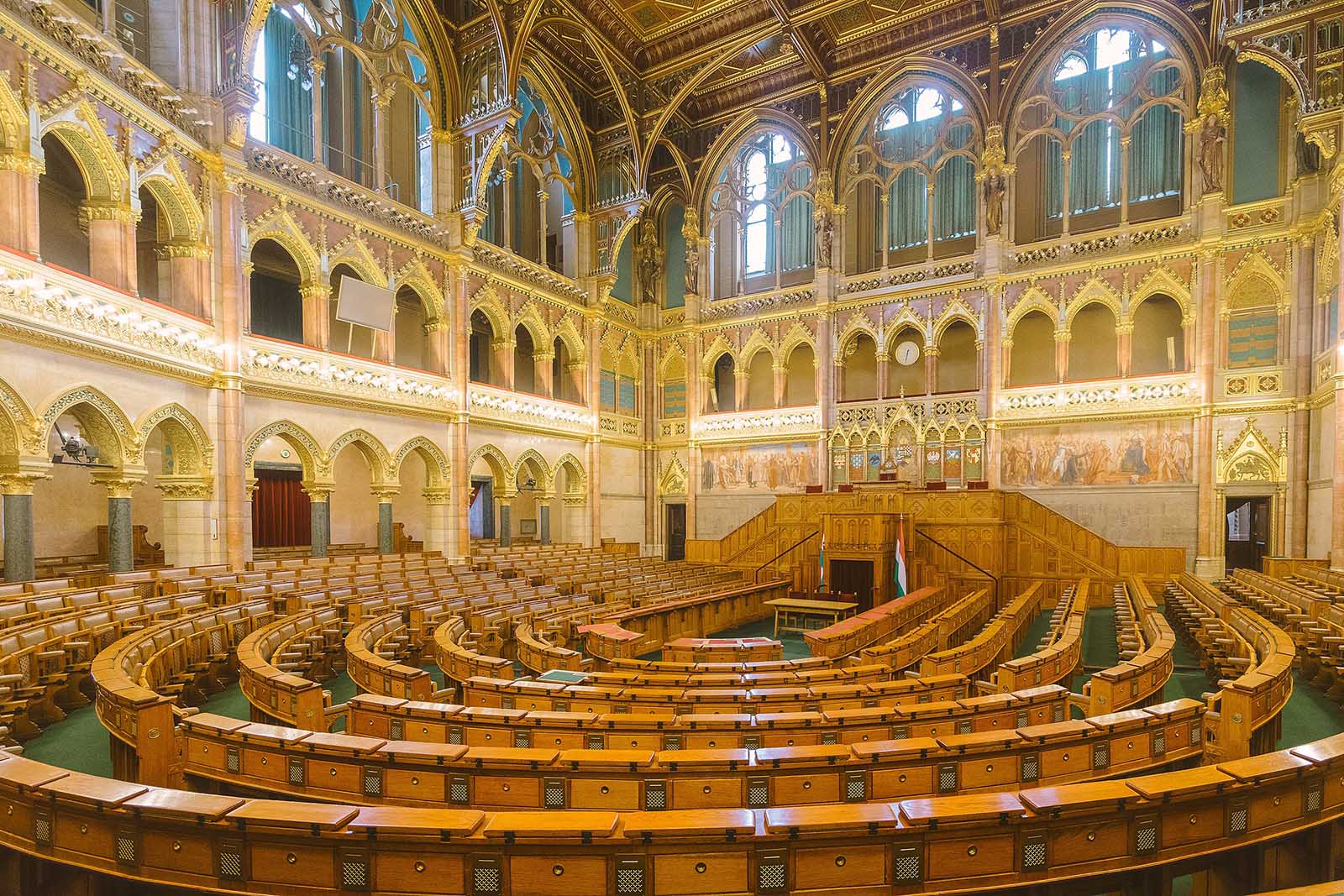
Zsófia Papp and Godfred Bonnah Nkansah show that during Covid-19, Hungarians judged the quality of democracy less by procedural norms and more by government performance. Their findings reveal when citizens in backsliding regimes accept violations of democratic standards – and when they refuse to compromise Read more
Lakshmy Ramakrishnan
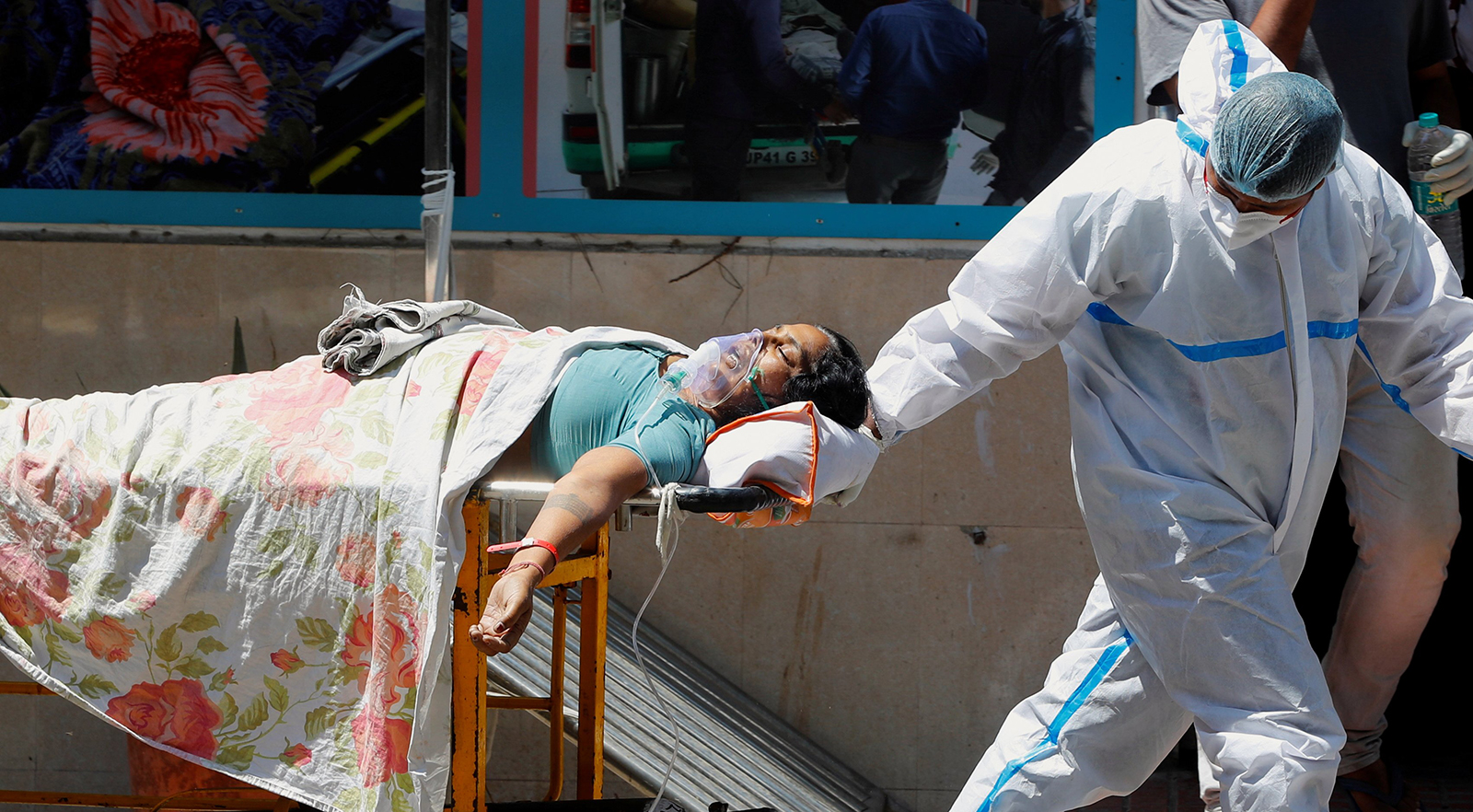
Global health diplomacy, once a cornerstone of soft power and international cooperation, stands at a crossroads. Recent upheavals – such as the US retreat from the World Health Organization – are challenging its role. Amid geopolitical tensions and biological threats, Lakshmy Ramakrishnan explores why global health diplomacy remains indispensable, and how rising powers like China and India can reshape the landscape Read more
Lisa Herbig
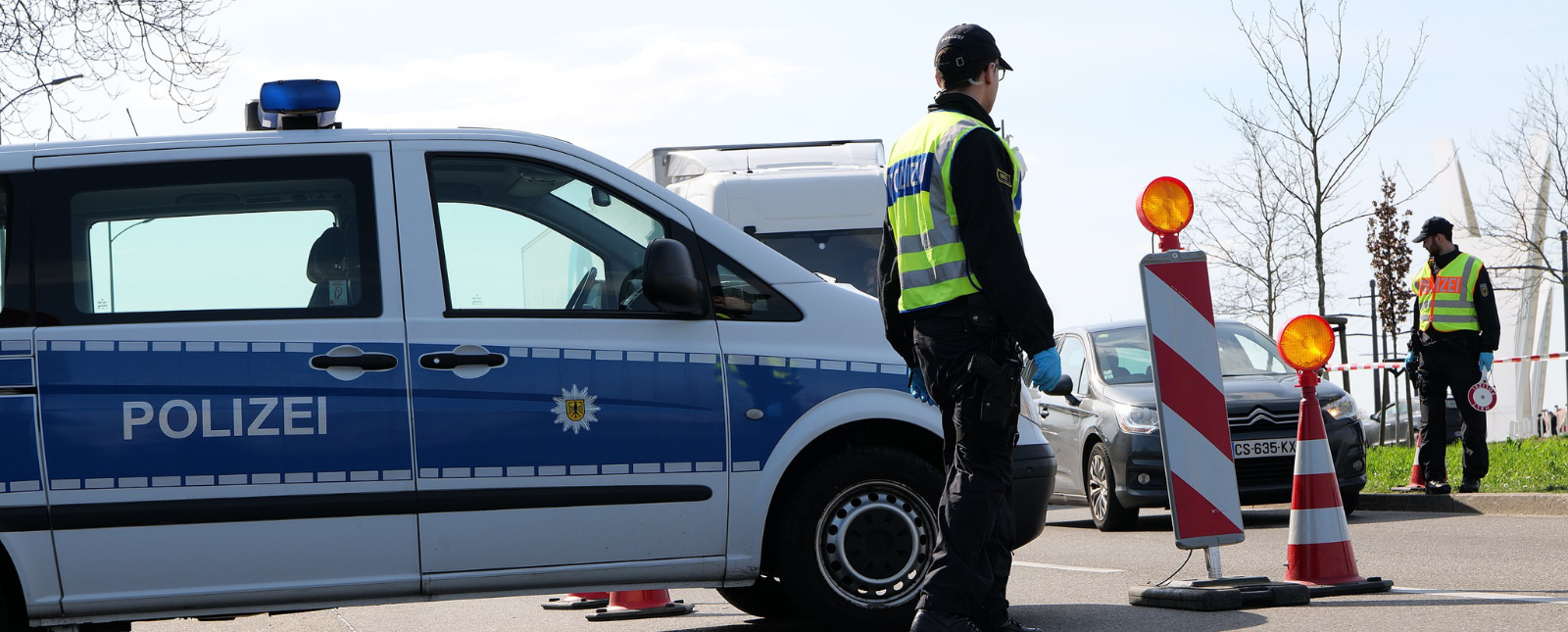
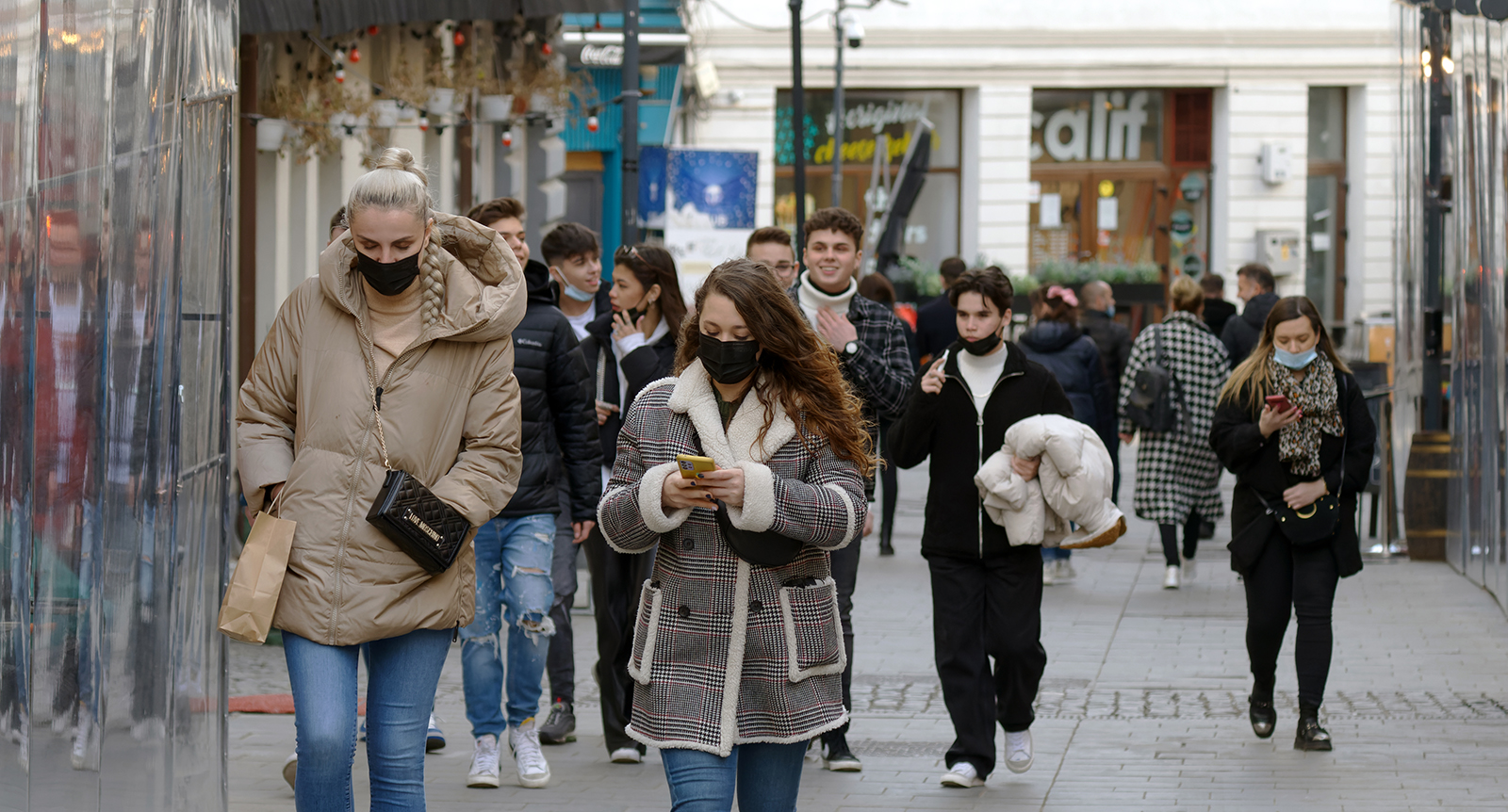
Covid-19 border closures were intended to protect public health, but their symbolic effects reached far beyond controlling the virus. Lisa Herbig argues that temporary closures significantly weakened support for European unity and increased hostility toward immigrants. Policymakers should bear in mind that even brief border closures notably shape political attitudes Read more
Stella Ladi
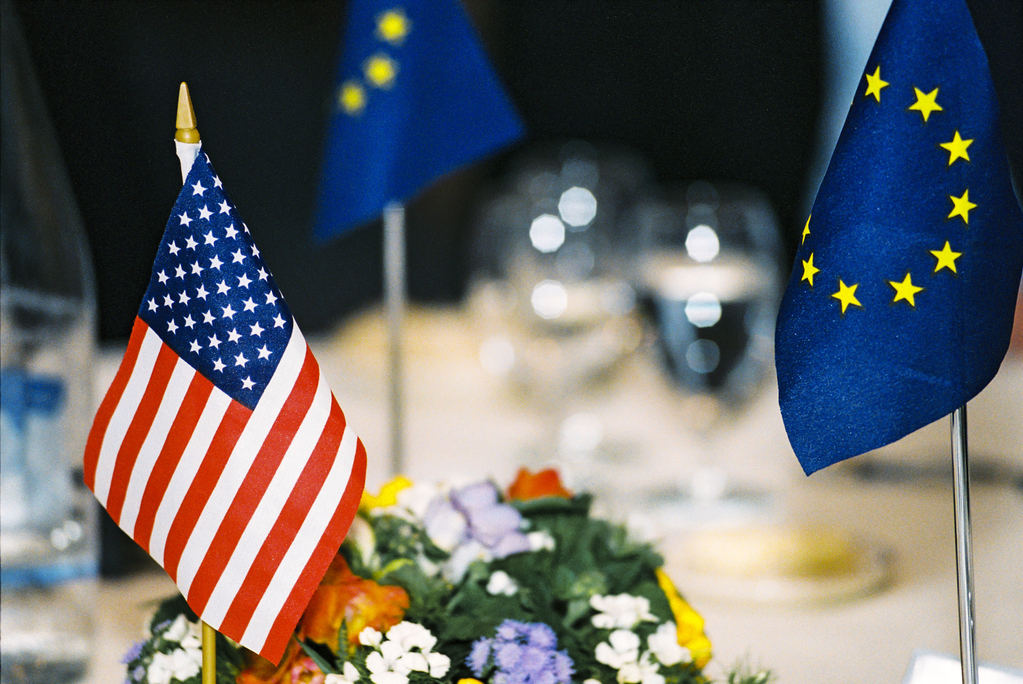
Relations between the EU and US are undergoing tumultuous change. Based on what we know from previous existential crises, the EU will coordinate its response to changing transatlantic relations using informal mechanisms and a pragmatic approach. Stella Ladi argues the EU must now develop a strategy for navigating this unfamiliar environment Read more
Louise Halberg Nielsen
During the Covid-19 pandemic, many citizens put full faith in 'the system' to keep them safe. Others were inherently mistrustful. Louise Halberg Nielsen argues that such trust, or the lack of it, was a key source of pandemic-era political disagreement. Her research findings could help societies navigate future collective crises more effectively Read more
William Allen
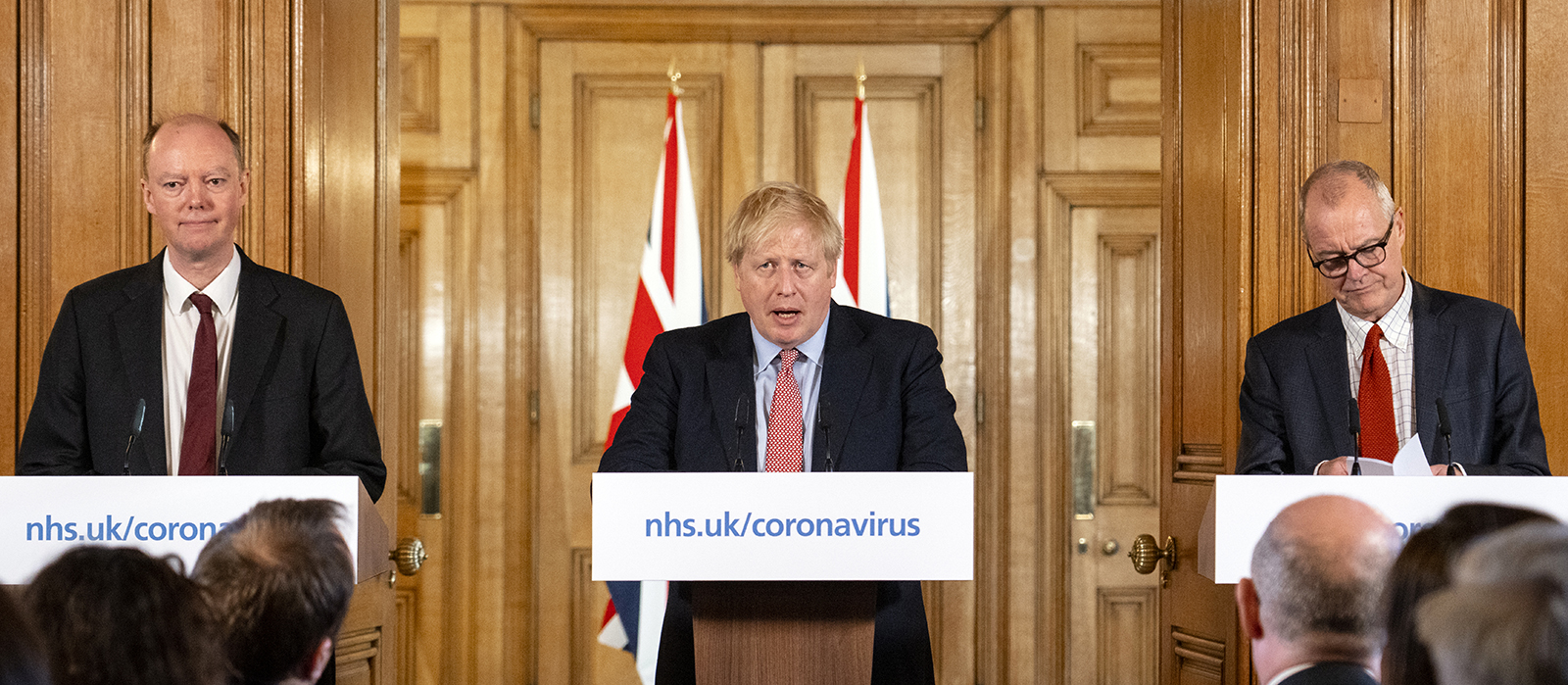
During the first wave of Covid-19, the UK government showed a chart plotting the country's mortalities against other high-income countries. They kept on showing it, until it revealed the UK to be the worst in Europe, at which point the slide disappeared. William Allen and Kristoffer Ahlstrom-Vij argue that visual comparisons are an important lever through which politicians and media can change public perceptions Read more
Tiffany D. Barnes
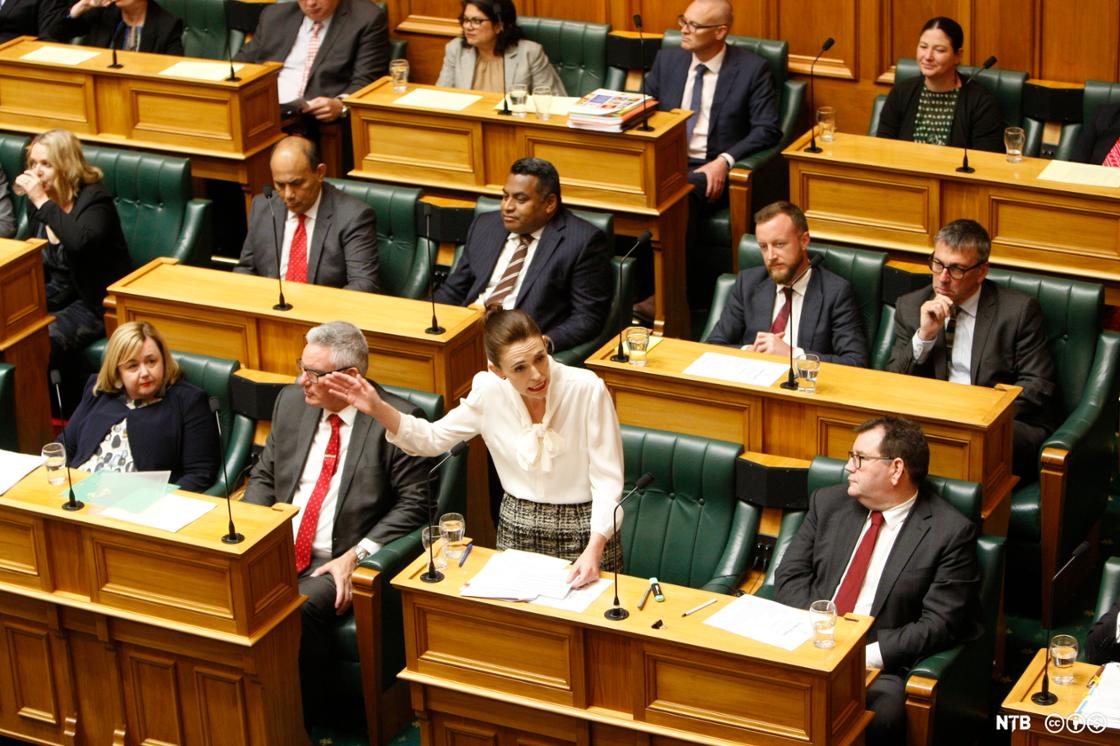
Contemporary politics seems besieged by crises, from pandemics to wars to economic austerity. What does crisis mean for women leaders, who remain underrepresented as chief executives and legislators across the globe? Building on their research, Tiffany D. Barnes, Diana Z. O’Brien and Jennifer M. Piscopo identify five ways to ‘think crisis, think gender’ Read more
Veronica Anghel
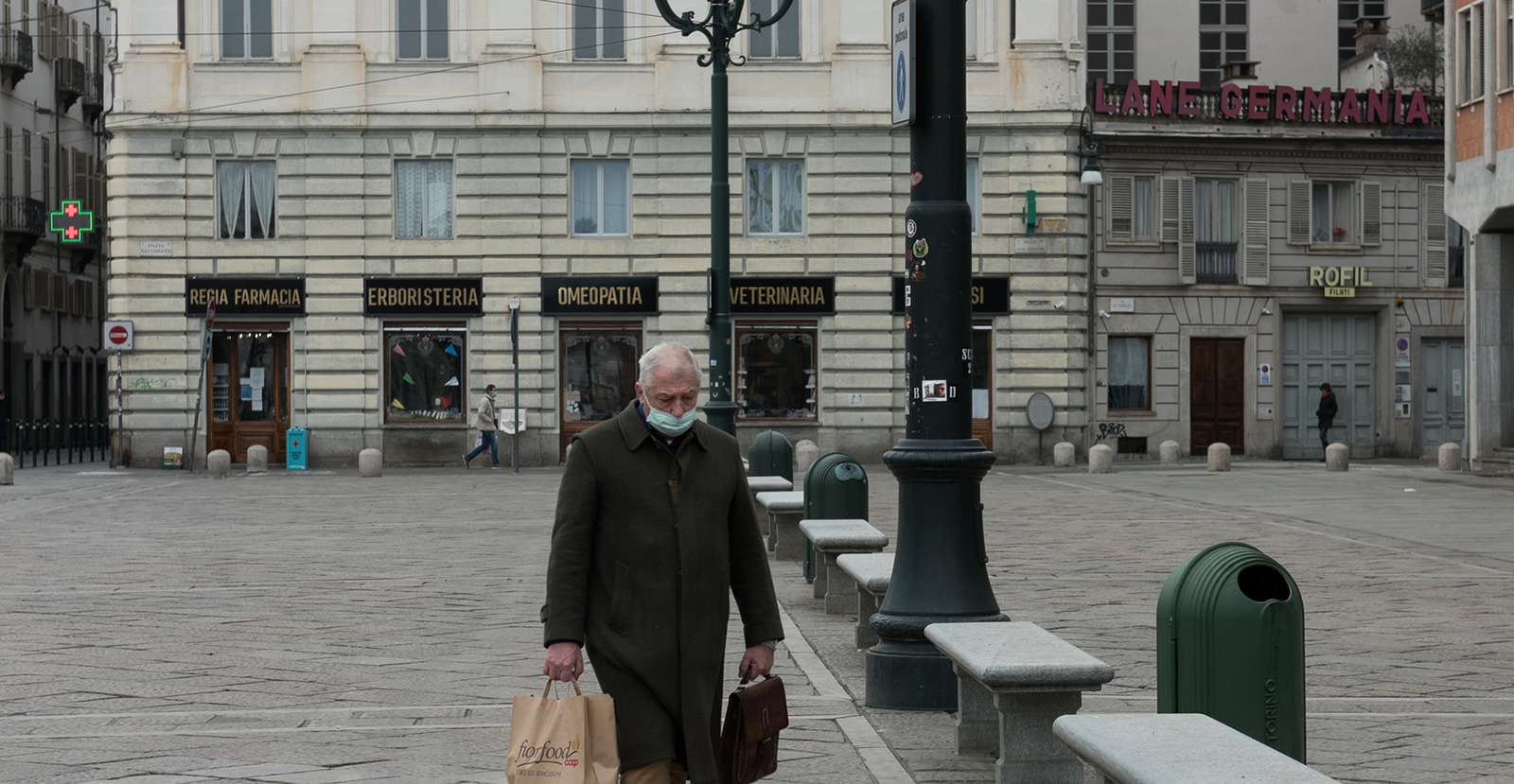
It is three years since the World Health Organisation declared Covid-19 a pandemic, on 11 March 2020. Veronica Anghel conducts a retrospective analysis of the impact of the health crisis, from all social scientific perspectives. Did political science rise to the challenge? Read more
We use necessary cookies to make our site work. We'd also like to set analytics cookies that help us make improvements by measuring how you use the site. These will be set only if you accept.
▼
Strictly Necessary Cookies
Necessary cookies enable core functionality such as security, network management, and accessibility. You may disable these by changing your browser settings, but this may affect how the website functions.
▼
Analytics Cookies
Google Analytics
We'd like to set Google Analytics cookies to help us improve our website by collecting and reporting information on how you use it. The cookies collect information in a way that does not directly identify anyone. For more information on how these cookies work please see our Privacy Notice.