Carmen Wunderlich
The global nuclear order is more crowded than ever, with new actors, rules, and arenas constantly emerging. Carmen Wunderlich and Martin Senn argue, however, that this is less chaos than a continuous process of ordering and disordering. They show how nuclear politics are made, unmade, and remade in everyday practice Read more
Jorge Alberto López Lechuga
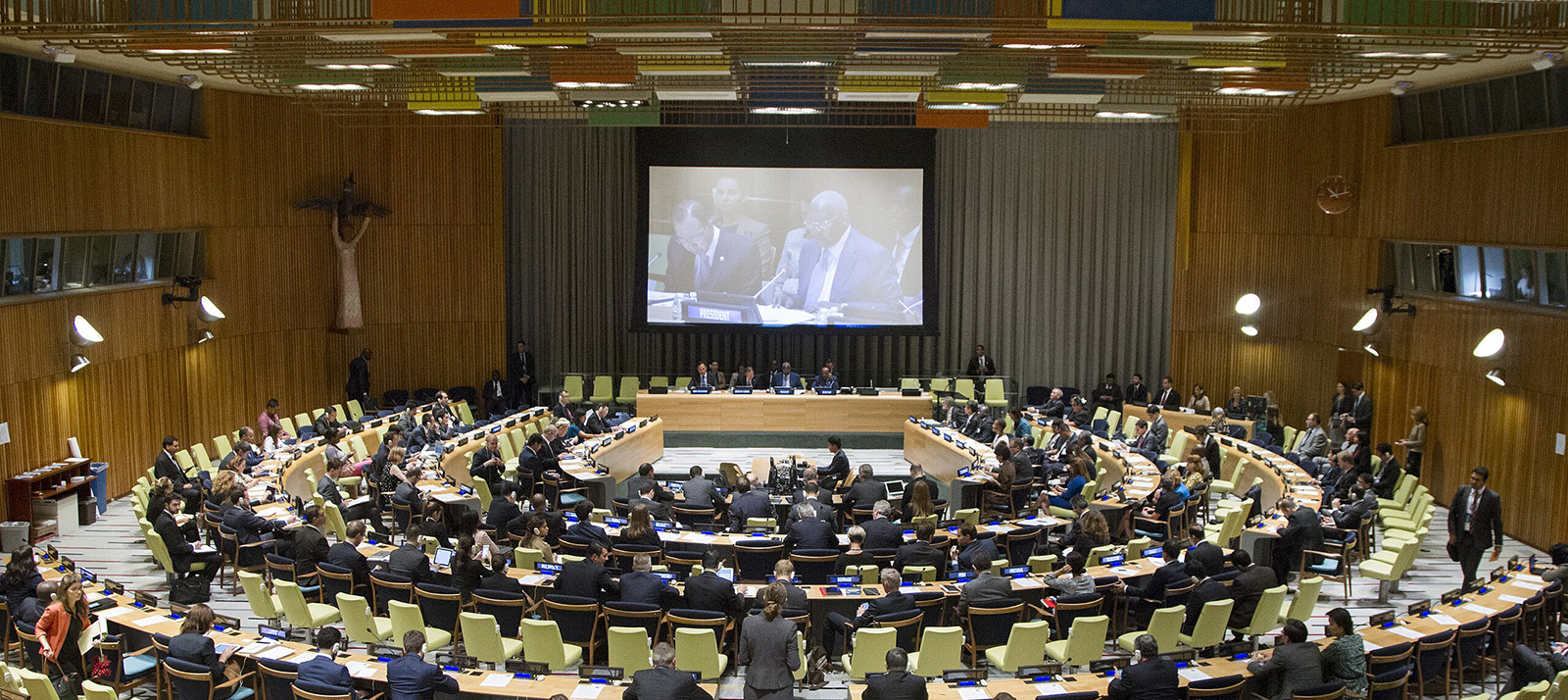
Next year’s UN study on Nuclear-Weapon-Free Zones offers non-nuclear states a rare chance to reshape the global disarmament agenda. Jorge Alberto López Lechuga says they must use this moment to strengthen, connect, and expand NWFZs — turning regional commitments into a coherent global force against nuclear proliferation Read more
Robin E. Möser
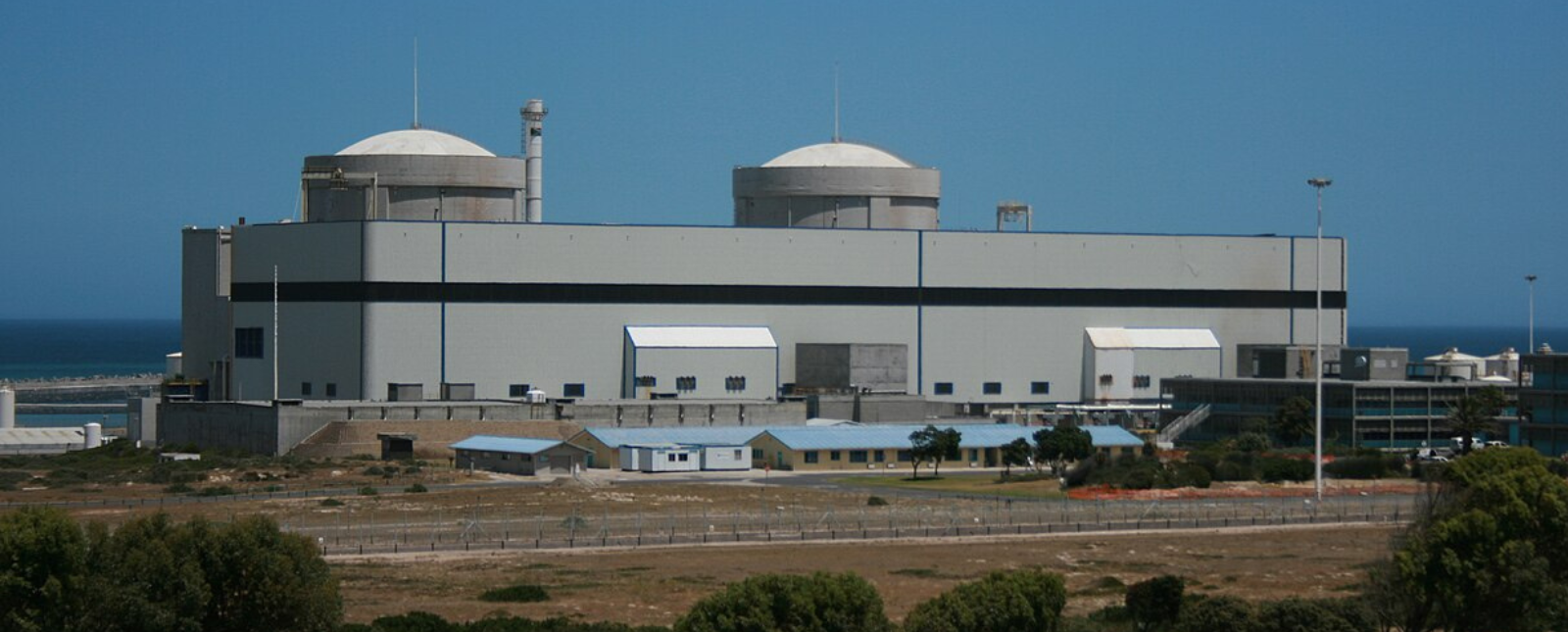
African states have long championed nuclear disarmament, from resisting colonial-era testing to advancing the Pelindaba and Prohibition Treaties. Yet frustration is growing over the slow pace of progress and exclusion from global forums. Robin Möser argues that African experiences offer lessons to revitalise inclusivity ahead of the 2026 Non-Proliferation of Nuclear Weapons (NPT) Review Conference Read more
Syeda Saba Batool
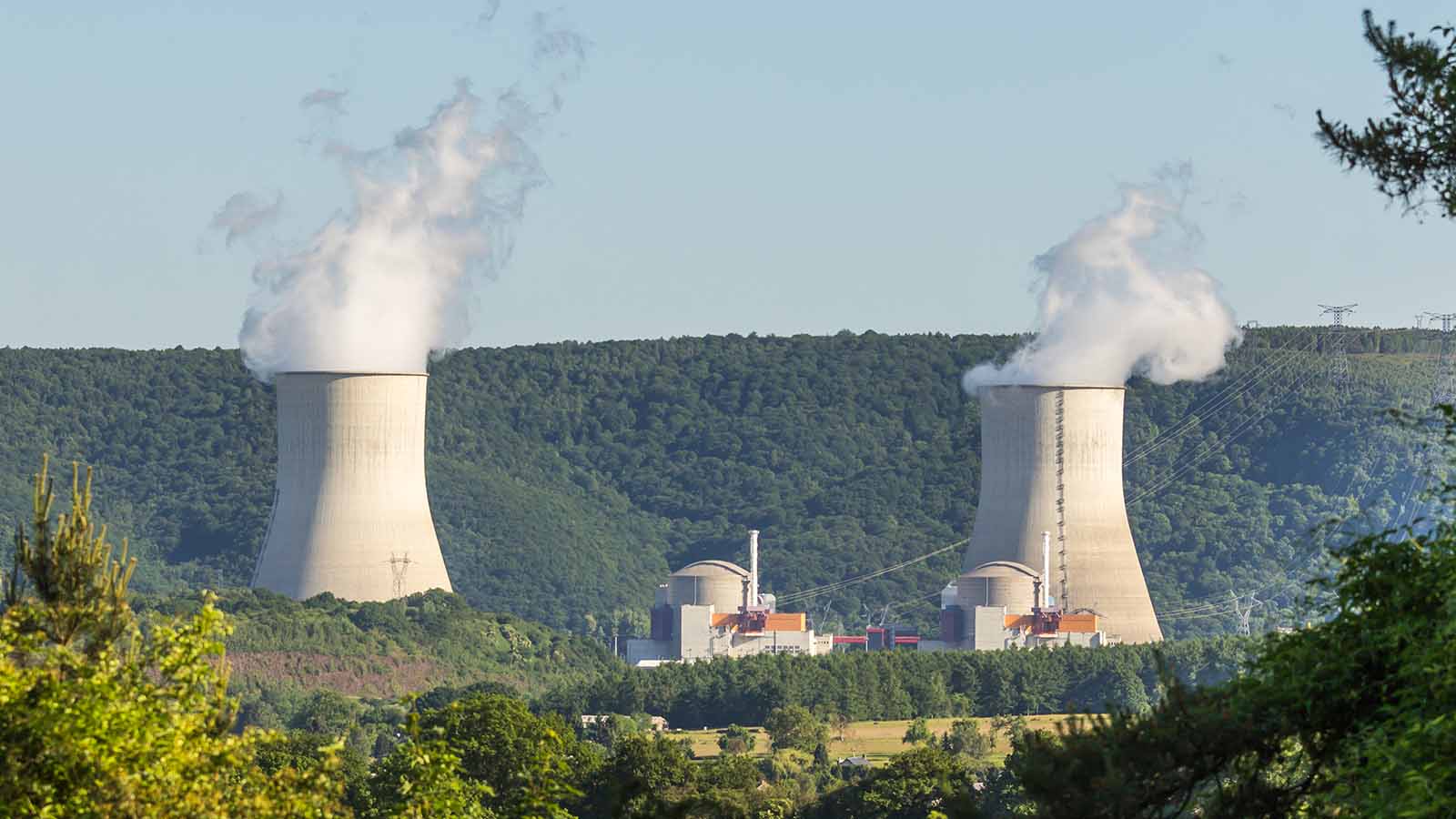
The Nuclear Suppliers Group faces new tests from great-power rivalry, climate change, and the spread of nuclear technology. Syeda Saba Batool argues the Group needs clear rules for admitting countries outside the Nuclear Non-Proliferation Treaty, and to ensure that climate-vulnerable developing states gain fair access to civilian nuclear energy Read more
Shivani Singh
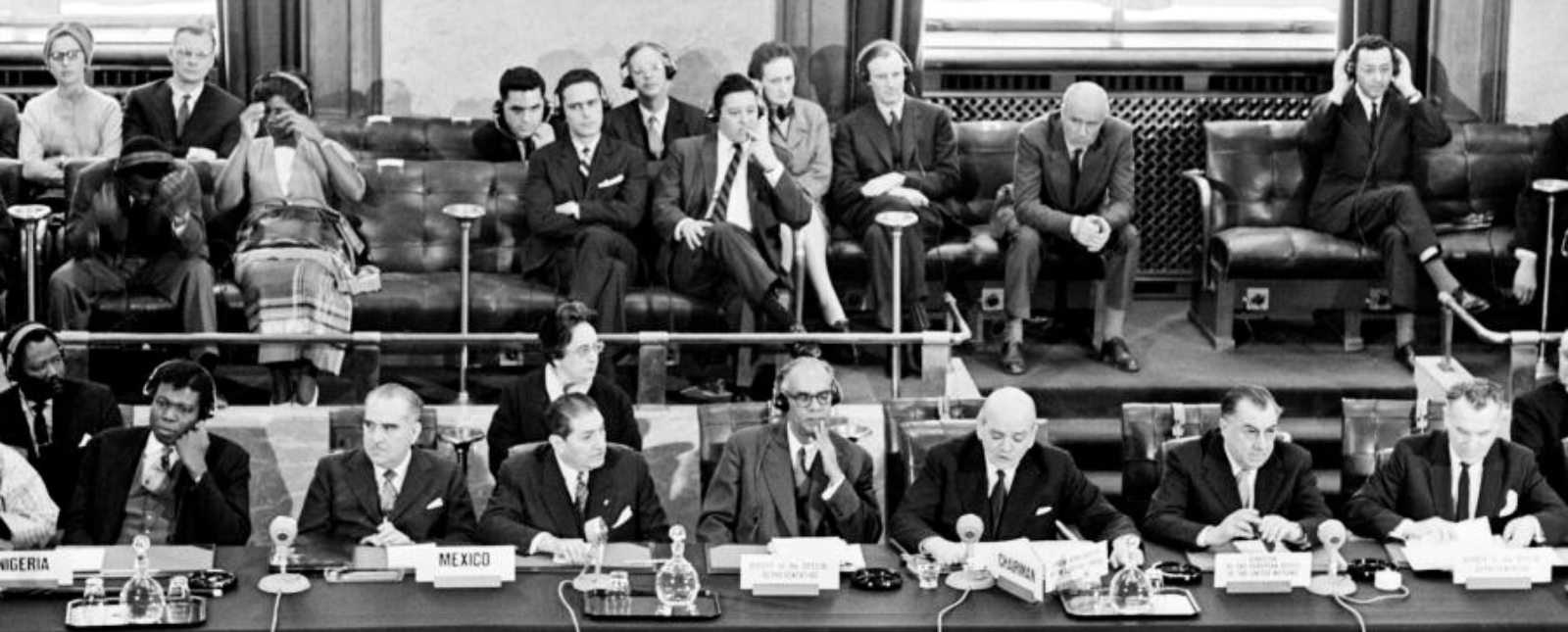
Global South states have long advocated for nuclear disarmament, from the Bandung Conference to the Treaty on the Prohibition of Nuclear Weapons. Yet recent abstentions and muted positions on conflicts suggest waning commitment. Shivani Singh examines how multipolar dependencies shape these states' responses, and what it means for the nuclear order Read more
Zeenat Sabur
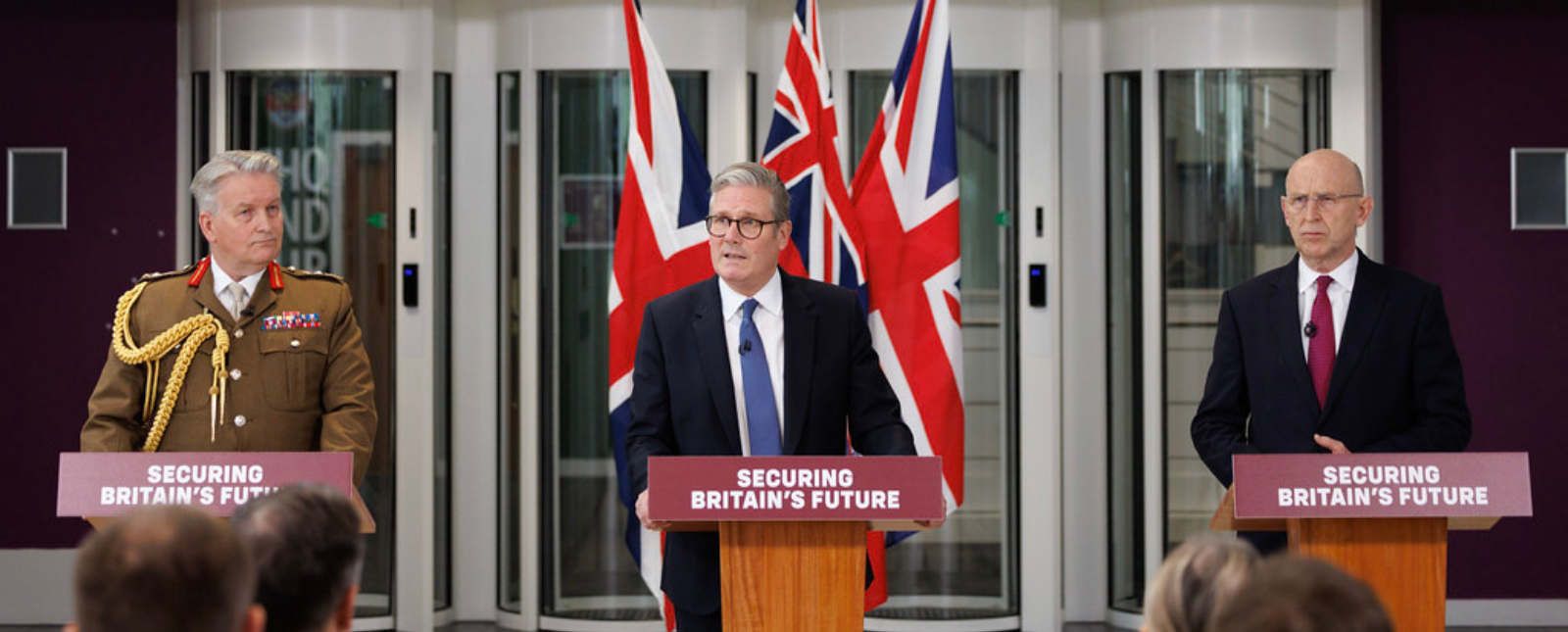
Keir Starmer’s speeches before and after the release of the UK's Strategic Defence Review contain narratives that make nuclear strengthening seem prudent and logical. But Zeenat Sabur argues that these narratives are fallacies, that if poked at, alert us to the insecurity to which nuclear posturing leads us Read more
The Loop
Cutting-edge analysis showcasing the work of the political science discipline at its best.
We use necessary cookies to make our site work. We'd also like to set analytics cookies that help us make improvements by measuring how you use the site. These will be set only if you accept.
▼
Strictly Necessary Cookies
Necessary cookies enable core functionality such as security, network management, and accessibility. You may disable these by changing your browser settings, but this may affect how the website functions.
▼
Analytics Cookies
Google Analytics
We'd like to set Google Analytics cookies to help us improve our website by collecting and reporting information on how you use it. The cookies collect information in a way that does not directly identify anyone. For more information on how these cookies work please see our Privacy Notice.