Wannes Verstraete
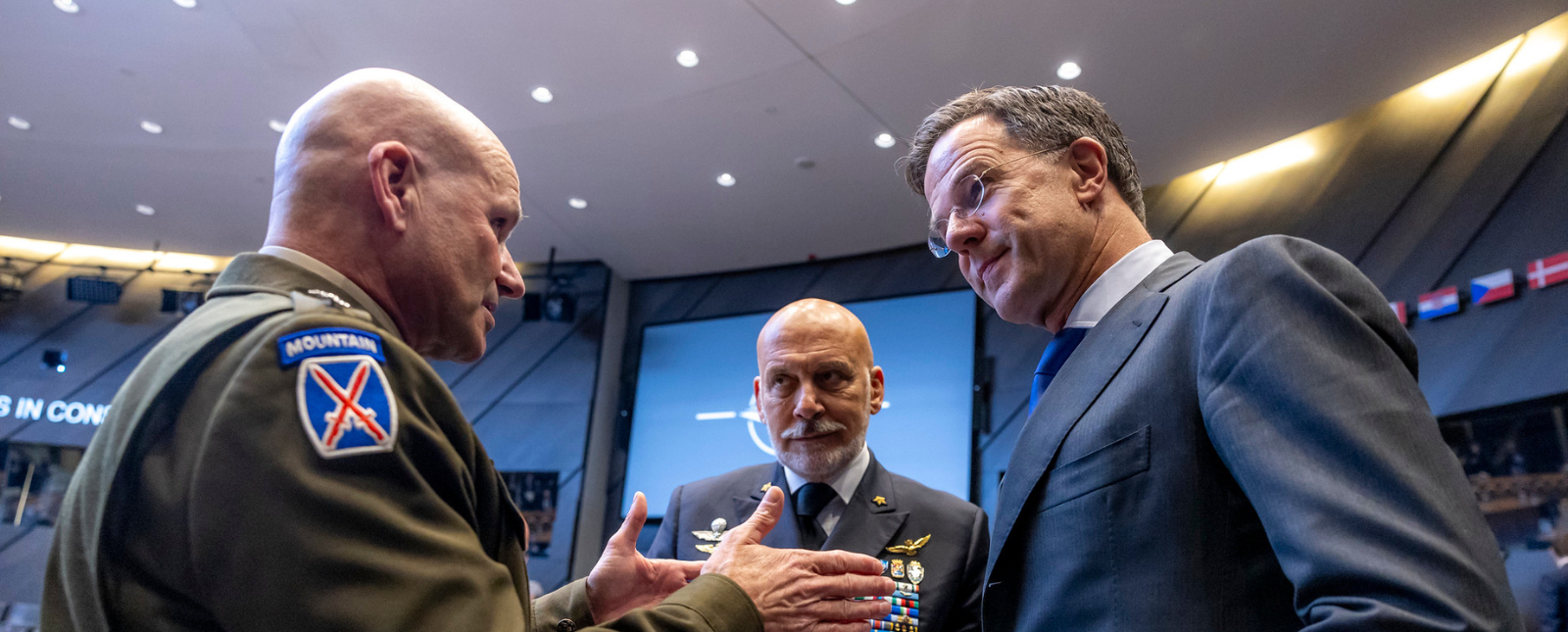
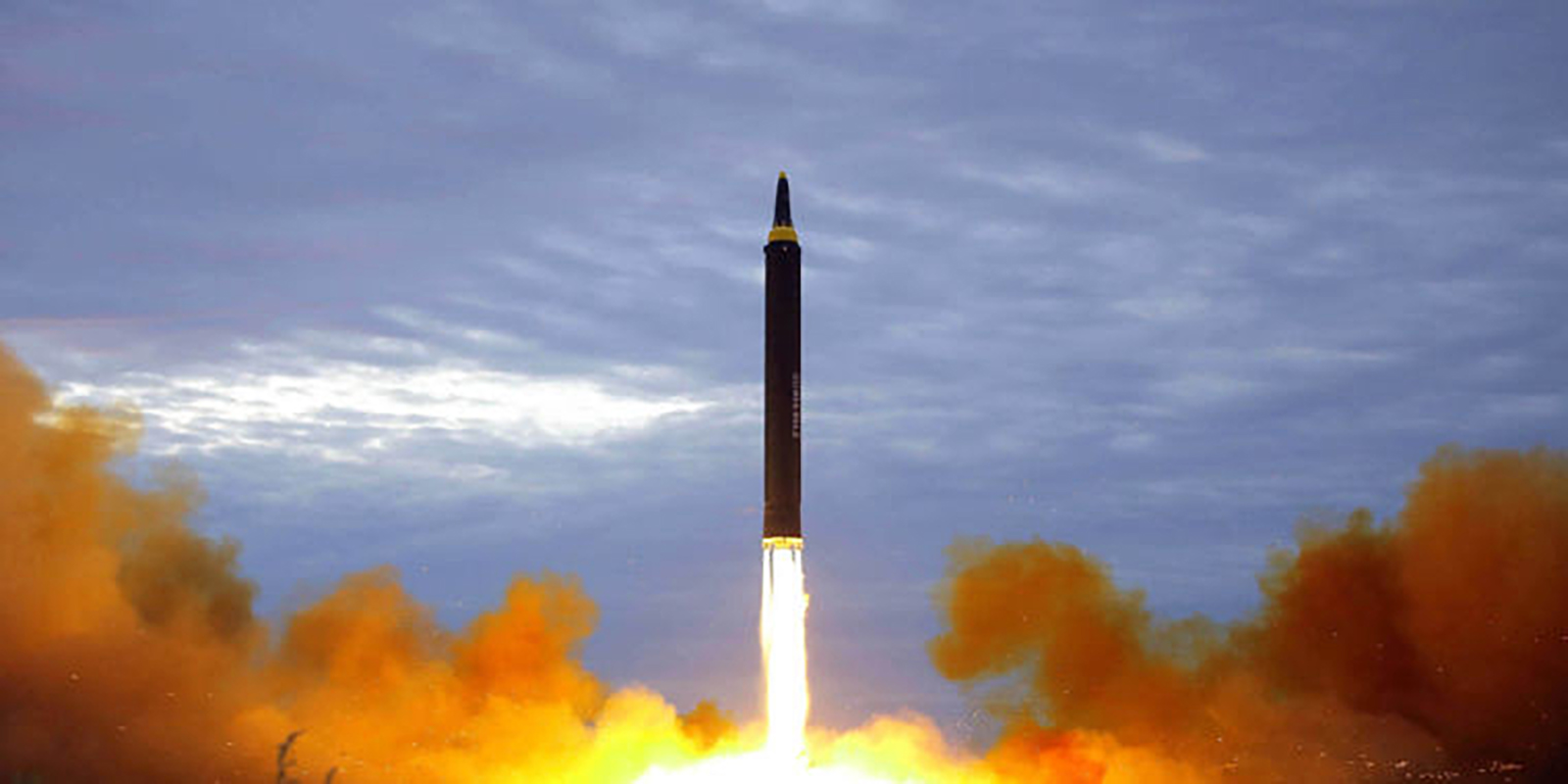
Russia continues to rely on its sub-strategic nuclear arsenal, and NATO is therefore hoping in vain for sub-strategic nuclear arms control negotiations. For three decades, says Wannes Verstraete, the Alliance has merely been 'waiting for Godot' Read more
Jorge Alberto López Lechuga
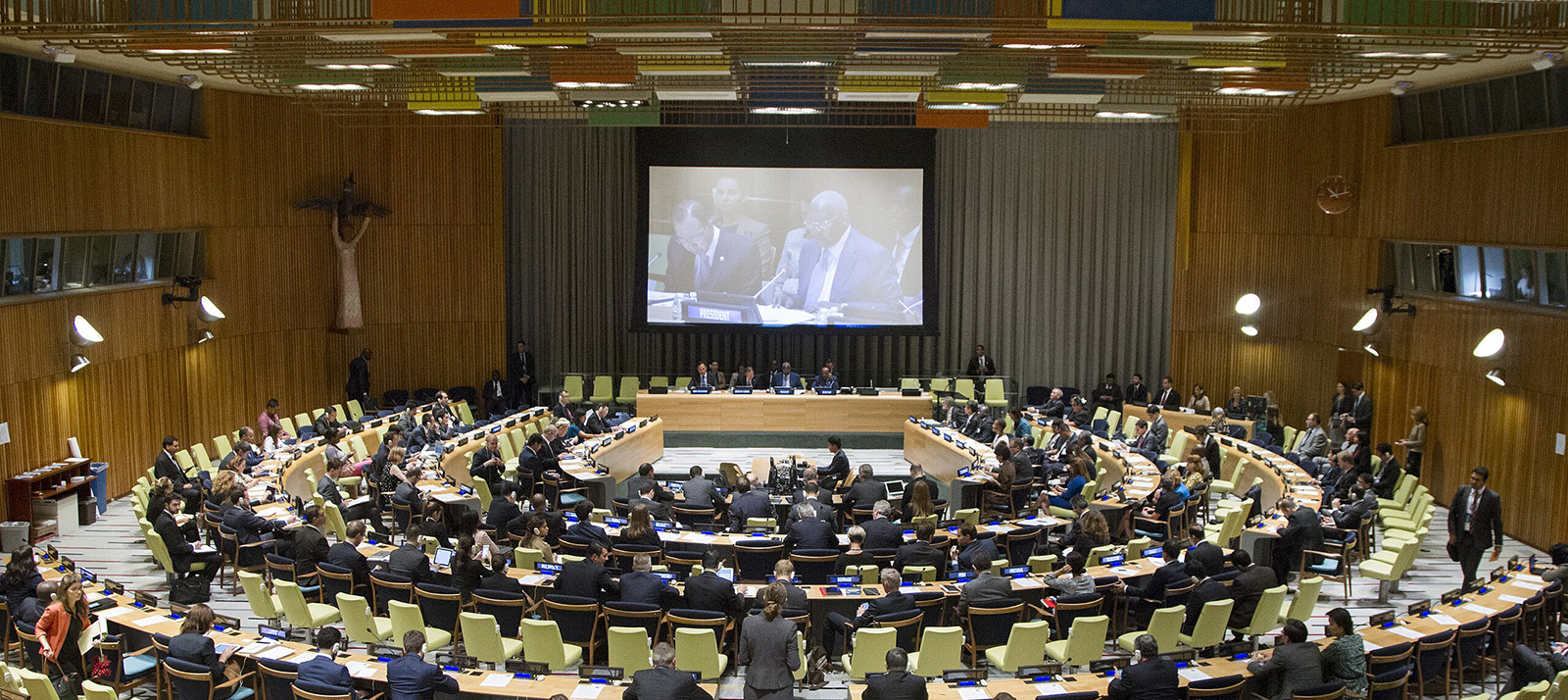
Next year’s UN study on Nuclear-Weapon-Free Zones offers non-nuclear states a rare chance to reshape the global disarmament agenda. Jorge Alberto López Lechuga says they must use this moment to strengthen, connect, and expand NWFZs — turning regional commitments into a coherent global force against nuclear proliferation Read more
Robin E. Möser
African states have long championed nuclear disarmament, from resisting colonial-era testing to advancing the Pelindaba and Prohibition Treaties. Yet frustration is growing over the slow pace of progress and exclusion from global forums. Robin Möser argues that African experiences offer lessons to revitalise inclusivity ahead of the 2026 Non-Proliferation of Nuclear Weapons (NPT) Review Conference Read more
Shamsoddin Shariati
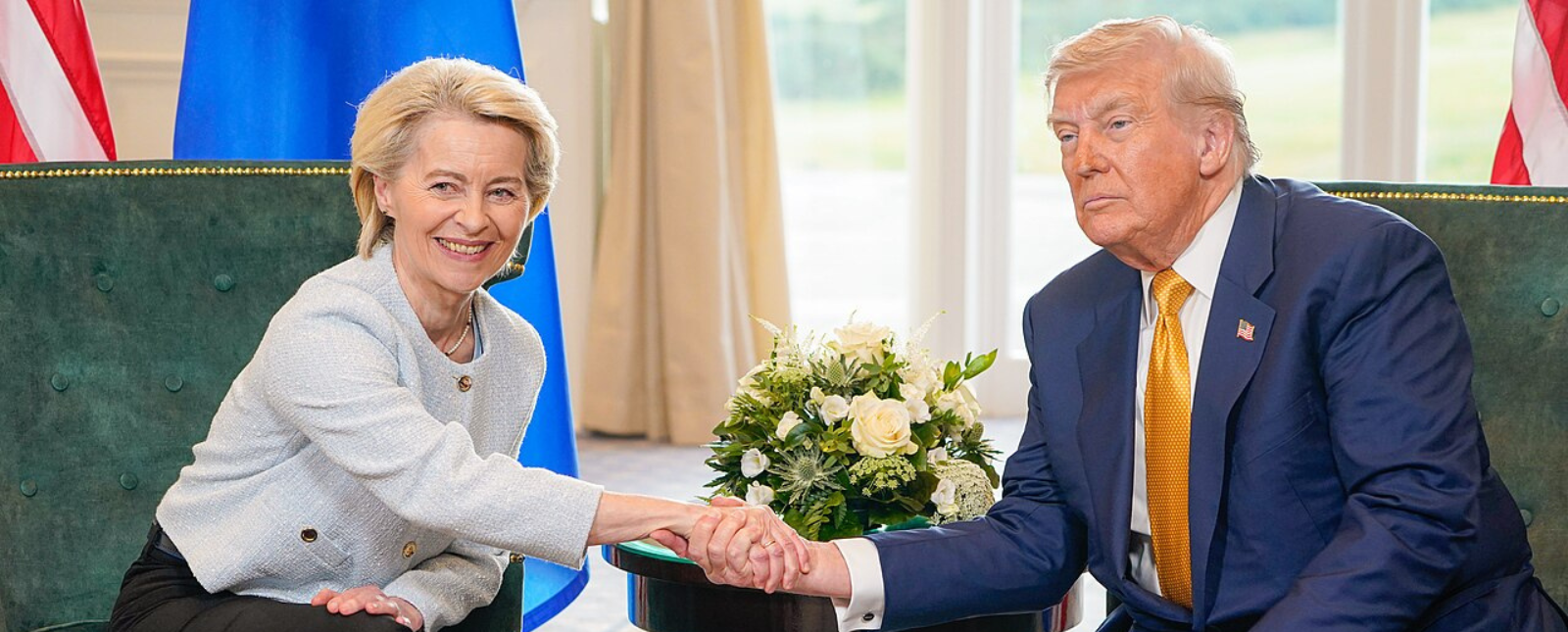
From escalating trade wars with the EU to snap ultimatums on Iran, Donald Trump's international playbook is startlingly predictable. Trump seeks not agreement, but surrender. Shamsoddin Shariati explains how Europe must now learn from this pattern, and respond with firmness, not concession Read more
Tom Sauer
Nuclear weapons may no longer be credible deterrents in an era of hypersonic missiles and AI-driven warfare. Tom Sauer suggests that modern conventional weapons could ultimately replace nuclear arsenals, reshaping global security without risking nuclear annihilation Read more
Maren Vieluf
On 29 August 2025, the 15th International Day against Nuclear Tests will mark 80 years since the first nuclear test. Amid renewed geopolitical strain, Maren Vieluf argues that defending the nuclear test ban remains vital to preserving international norms and preventing further erosion of the global nuclear order Read more
Monika Sus
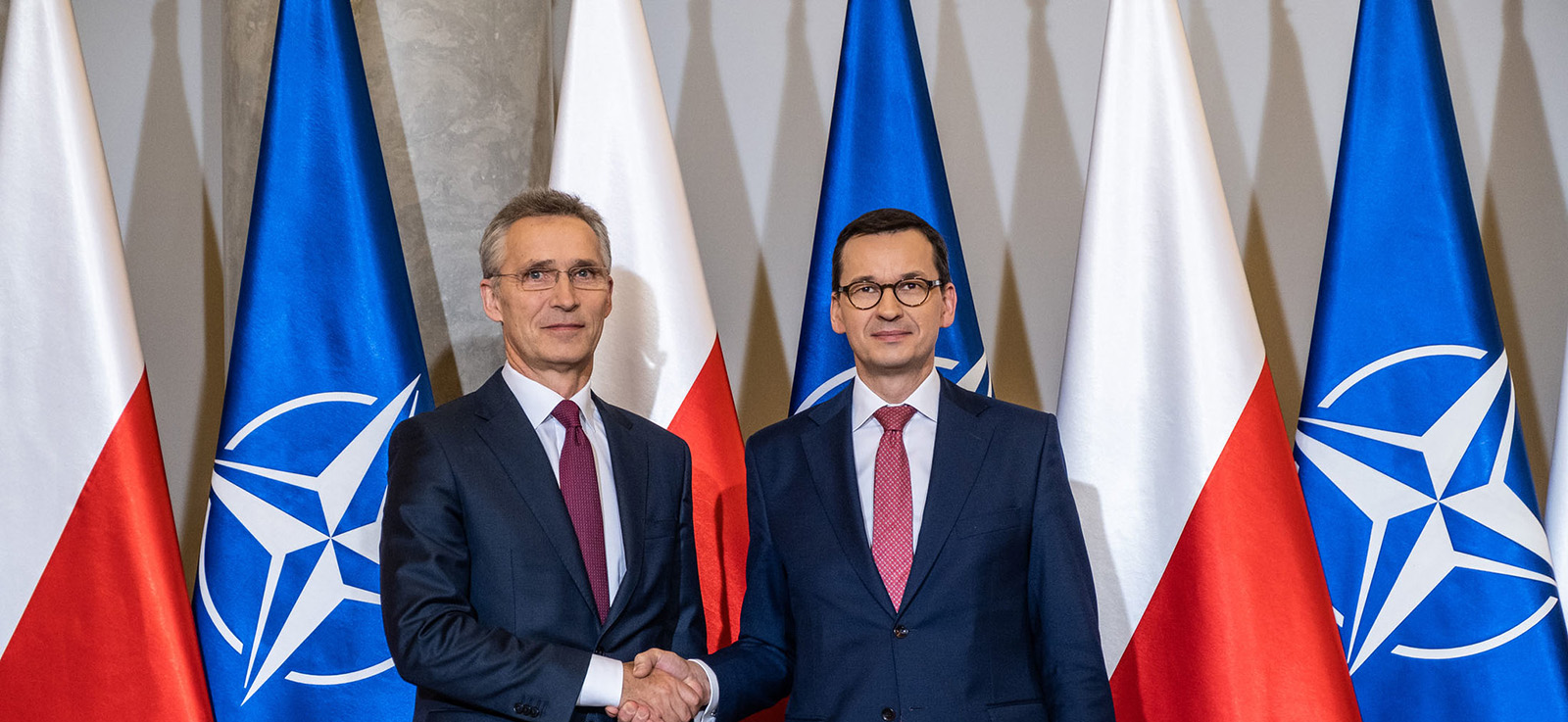
Amid the ongoing war in Ukraine, Poland is making an unprecedented push to join NATO’s nuclear sharing programme. Monika Sus argues that, as Poland’s threat perception rises, its defence strategy evolves and NATO’s deterrence posture shifts, the debate over nuclear deterrence is gaining momentum Read more
Ludovica Castelli
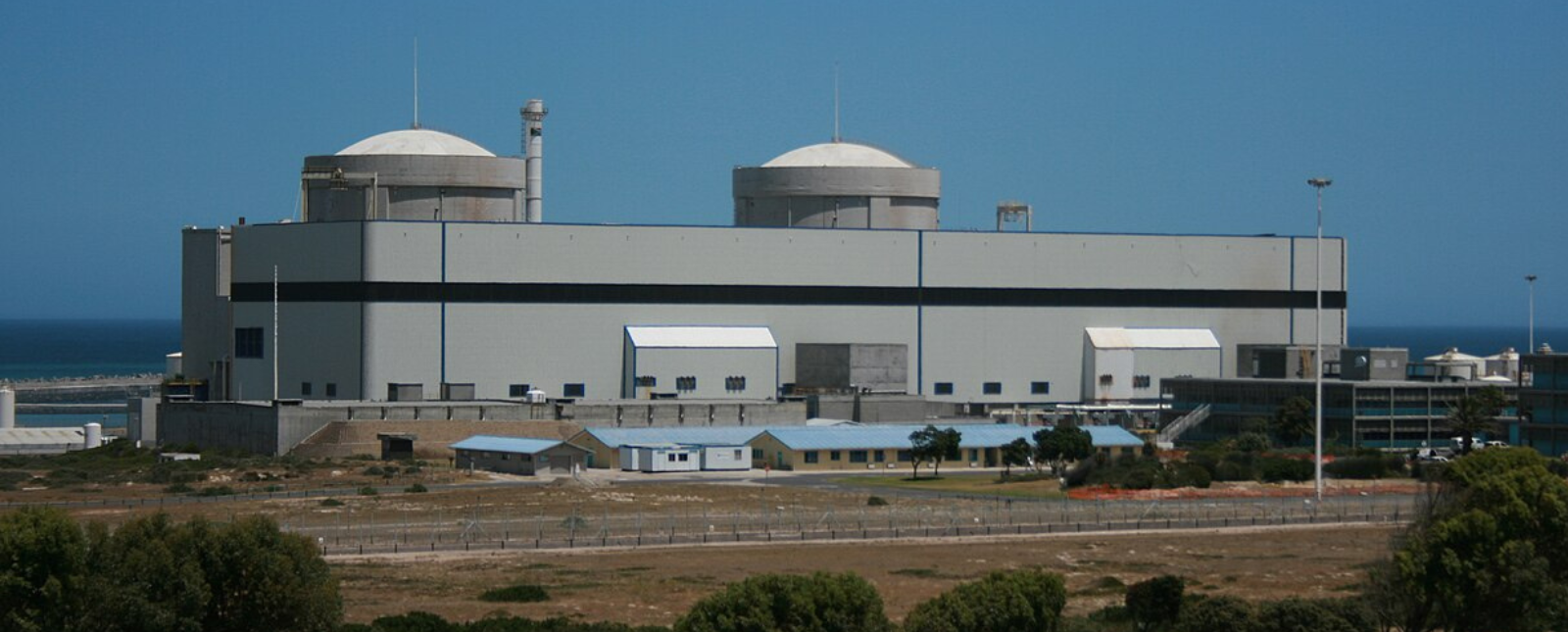
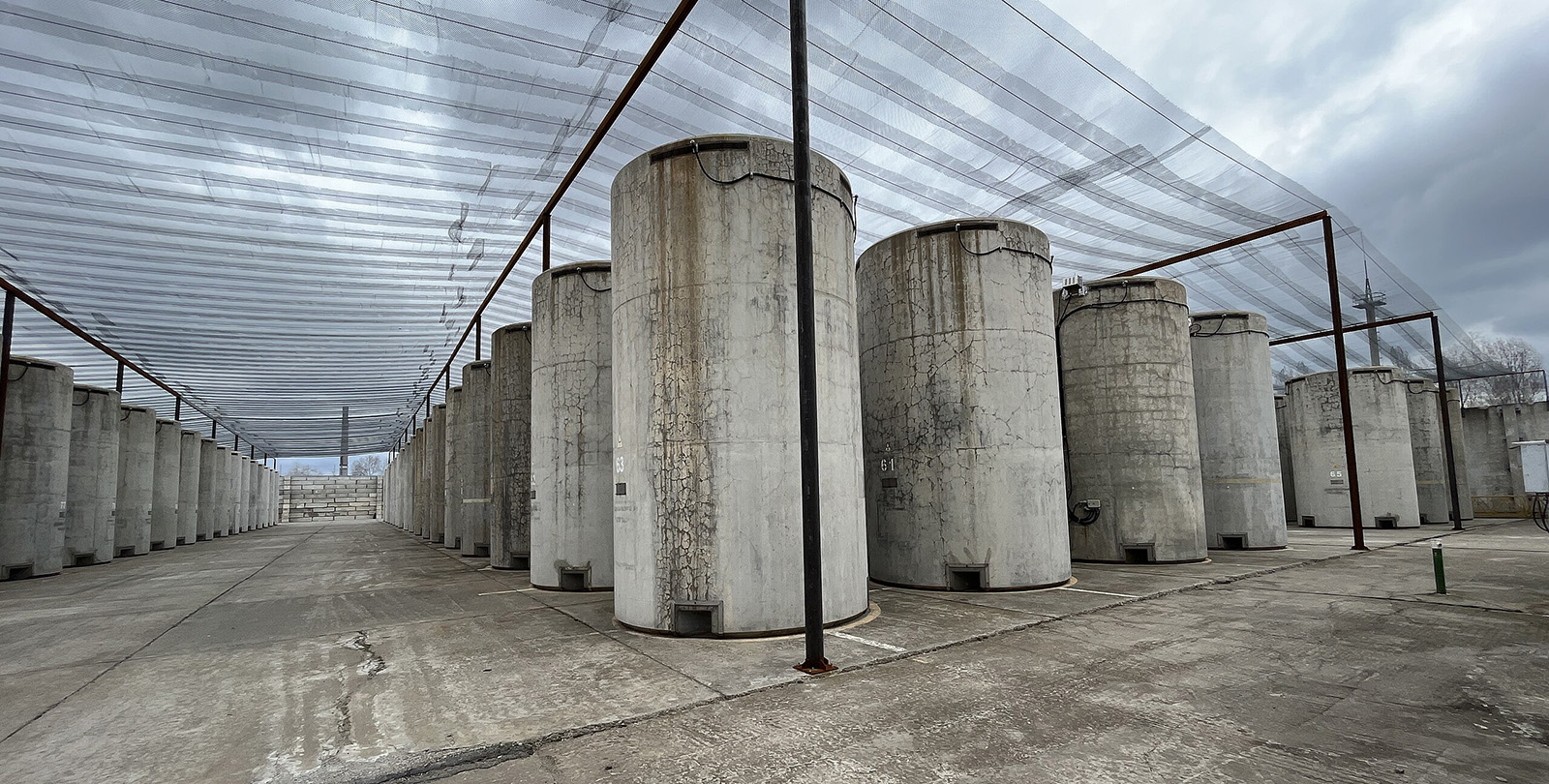
Ludovica Castelli explores the longstanding problem of how to protect nuclear facilities against attack — particularly in light of the war in Ukraine and rising tensions in the Middle East. Until we establish a comprehensive, and enforceable legal framework, nuclear facilities will remain vulnerable to attack, perpetuating the risks to international security and humanitarian safety Read more
We use cookies to ensure that we give you the best experience on our website. If you continue to use this site we will assume that you are happy with it.