Adrian Favero
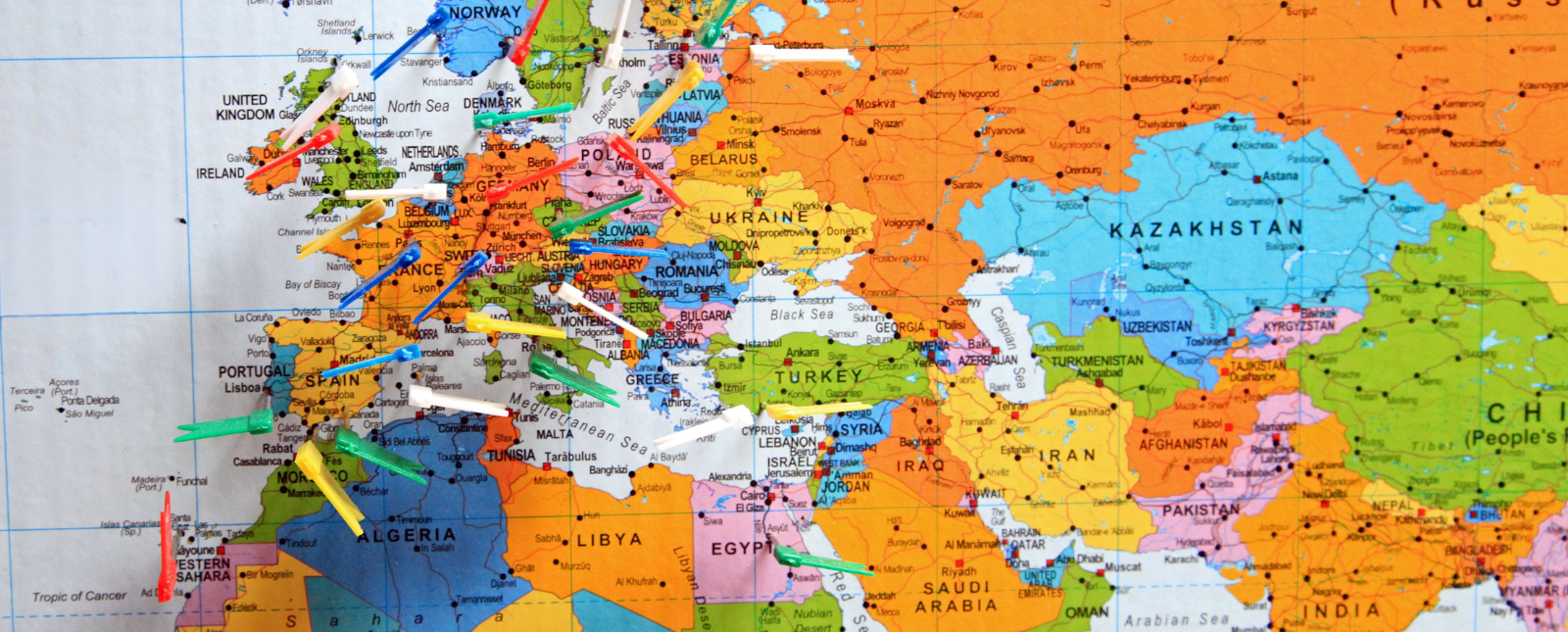
The recent Dutch parliamentary elections and the popular vote on electronic ID in Switzerland revealed the considerable influence of the expat diaspora, which adds crucial votes to overall election results. National political parties, argue Adrian Favero and Gilles Pittoors, need to harness the power of transnational organisations to mobilise non-resident voters Read more
Adrian Favero
How much do national political parties in Europe try to reach citizens who live abroad? Traditionally, party organisations operated within state borders but the increasing mobility of national citizens requires new forms of interconnectedness. A transnational arena has emerged in which parties connect external citizens with domestic politics to secure votes, writes Adrian Favero Read more
Mari-Liis Jakobson
Mari-Liis Jakobson encourages to pay attention to transnationalising populism, which allows populists to gain knowledge and catch voters who often fly under the radar Read more
Ekaterina Rashkova
Millions of people no longer live in their countries of birth, and this can distort political representation, argues Ekaterina Rashkova-Gerbrands. If expats had been eligible to vote in recent Dutch parliamentary elections, we would have seen more support for innovative parties such as the D66 and Groen Links Read more
The Loop
Cutting-edge analysis showcasing the work of the political science discipline at its best.
We use necessary cookies to make our site work. We'd also like to set analytics cookies that help us make improvements by measuring how you use the site. These will be set only if you accept.
▼
Strictly Necessary Cookies
Necessary cookies enable core functionality such as security, network management, and accessibility. You may disable these by changing your browser settings, but this may affect how the website functions.
▼
Analytics Cookies
Google Analytics
We'd like to set Google Analytics cookies to help us improve our website by collecting and reporting information on how you use it. The cookies collect information in a way that does not directly identify anyone. For more information on how these cookies work please see our Privacy Notice.