Andreas Dür
Andreas Dür and Robert A. Huber argue that (changes in) trade flows and regions’ economic structures matter for political outcomes. Regions’ trade competitiveness affects both legislators’ trade attitudes and incumbents’ re-election chances Read more
Sofia Ammassari
Youth wings of political parties are a key part of the pipeline to power. However, among their members, fewer women than men would consider running for public office. According to Sofia Ammassari, if we want to redress women’s underrepresentation in parliaments, youth wings are a good place to start Read more
Werner Krause
Werner Krause and Christina Gahn argue that we need to pay more attention to how the media communicates the results of opinion polls to the public. Reporting methodological details, such as margins of error, can alter citizens’ vote choices on election day. This has important implications for elections around the globe Read more
Matthew E Bergman
Recent elections in several countries have produced inconclusive outcomes. This has resulted in extended periods of bargaining between parties to determine the next government. Matthew E Bergman, Hanna Bäck, and Wolfgang C Müller argue that contrary to conventional wisdom, long bargaining periods might actually be a constructive investment in future productivity Read more
Laia Balcells
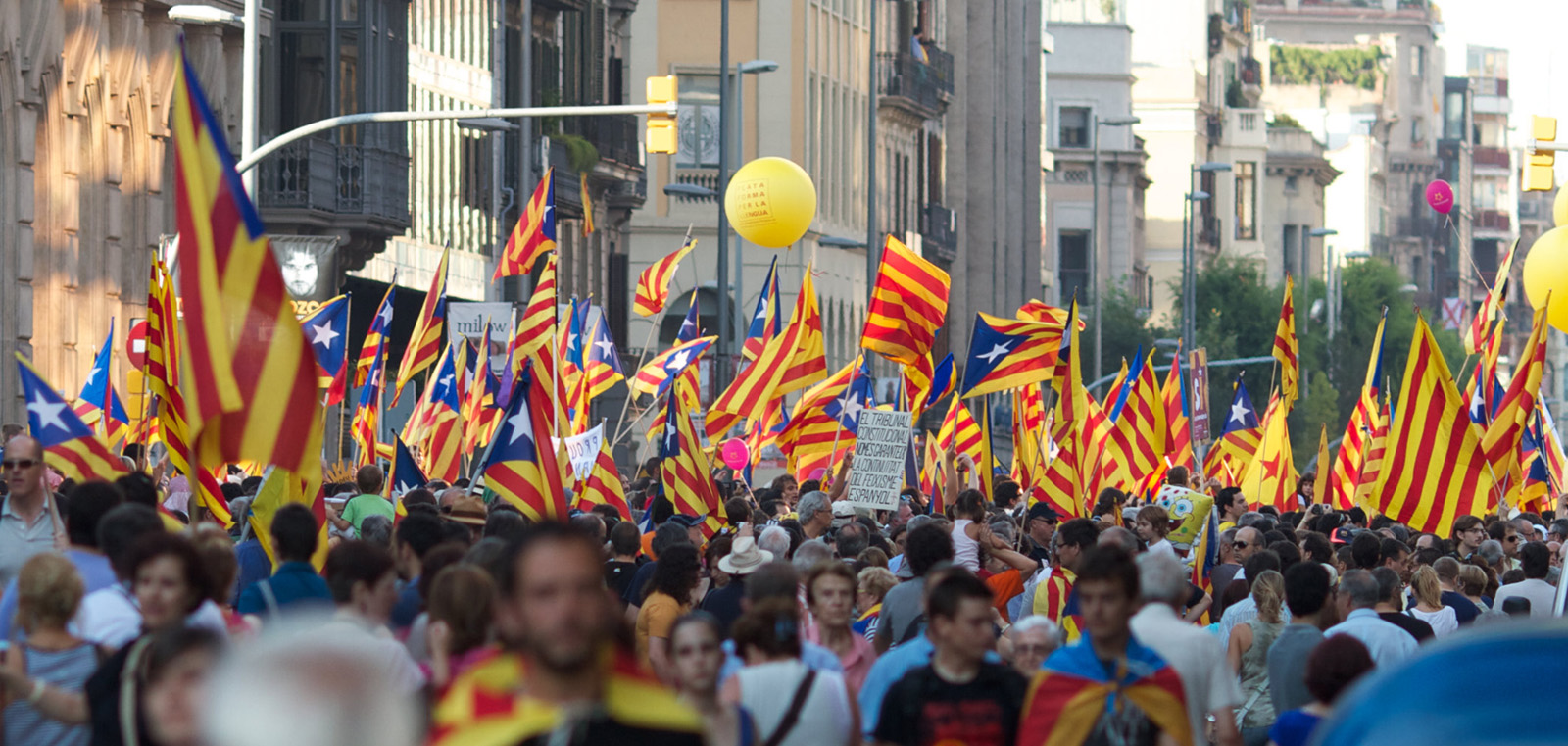
Laia Balcells, Lesley-Ann Daniels, and Alexander Kuo highlight the role of contentious territorial issues in shaping societal divisions. They study three European regions —Scotland, Catalonia, and Northern Ireland — that have salient territorial claims but very different histories. All three, however, exhibit striking similarities in levels of social polarisation Read more
Lisa Janssen
Accepting electoral defeat is essential for democratic stability. Yet, amid the political polarisation that followed the storming of the US Capitol and similar events in Brazil, losers’ consent became harder to obtain. Using case studies from UK elections, Lisa Janssen explains how polarisation influences citizens’ responses to election results Read more
Jasmin Sarah König
We know that there is an inherent tension between populism and liberal democracy. So how does this translate into law when populists are in power? Jasmin Sarah König and Tilko Swalve argue that constitutional changes by populist governments can have ambiguous implications for democratic quality Read more
Lukas Rudolph
The war in Ukraine has focussed attention on public attitudes to arms exports. New research by Lukas Rudolph, Markus Freitag, and Paul Thurner finds that in France and Germany, while a small minority is in principled opposition, a large majority makes nuanced trade-offs when articulating their positions on the issue of arms exports Read more
We use cookies to ensure that we give you the best experience on our website. If you continue to use this site we will assume that you are happy with it.