Michael Zeller
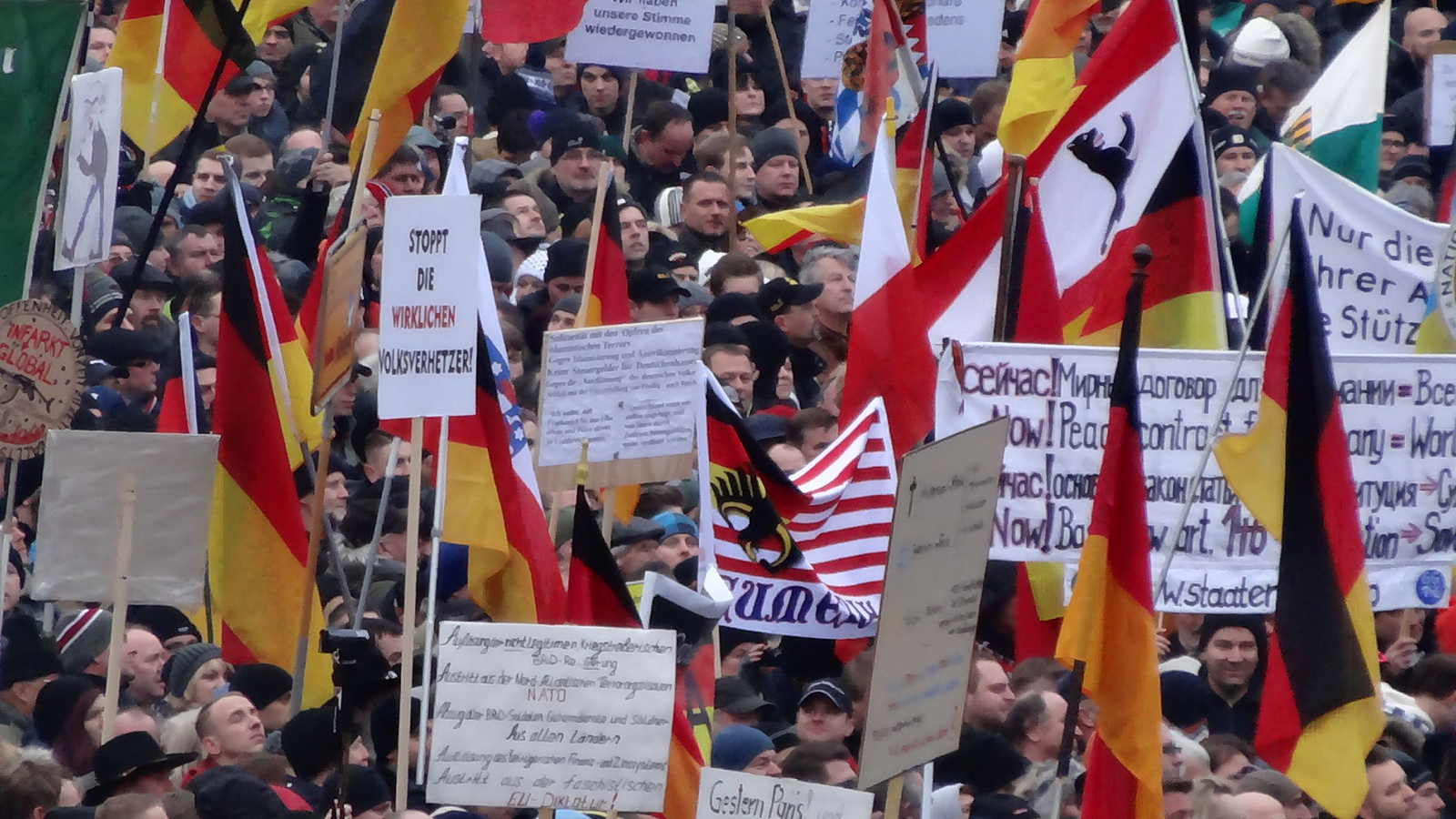
Many extremist organisations exist and operate in democratic societies. Some get banned by democratic authorities; others don’t. Why? Using data on far-right organisations from Germany, Michael Zeller explains why governments ban only some of the organisations working to undermine Germany’s constitutional democracy Read more
Frederik Stevens
We often consider business groups to be the dominant lobbying force in Brussels. But, based on his latest research, Frederik Stevens shows the opposite: citizen groups are more likely to influence what gets on, or stays off, the EU’s agenda. And when they attract media attention, their influence clearly outweighs that of business interests Read more
Lisa Herbig
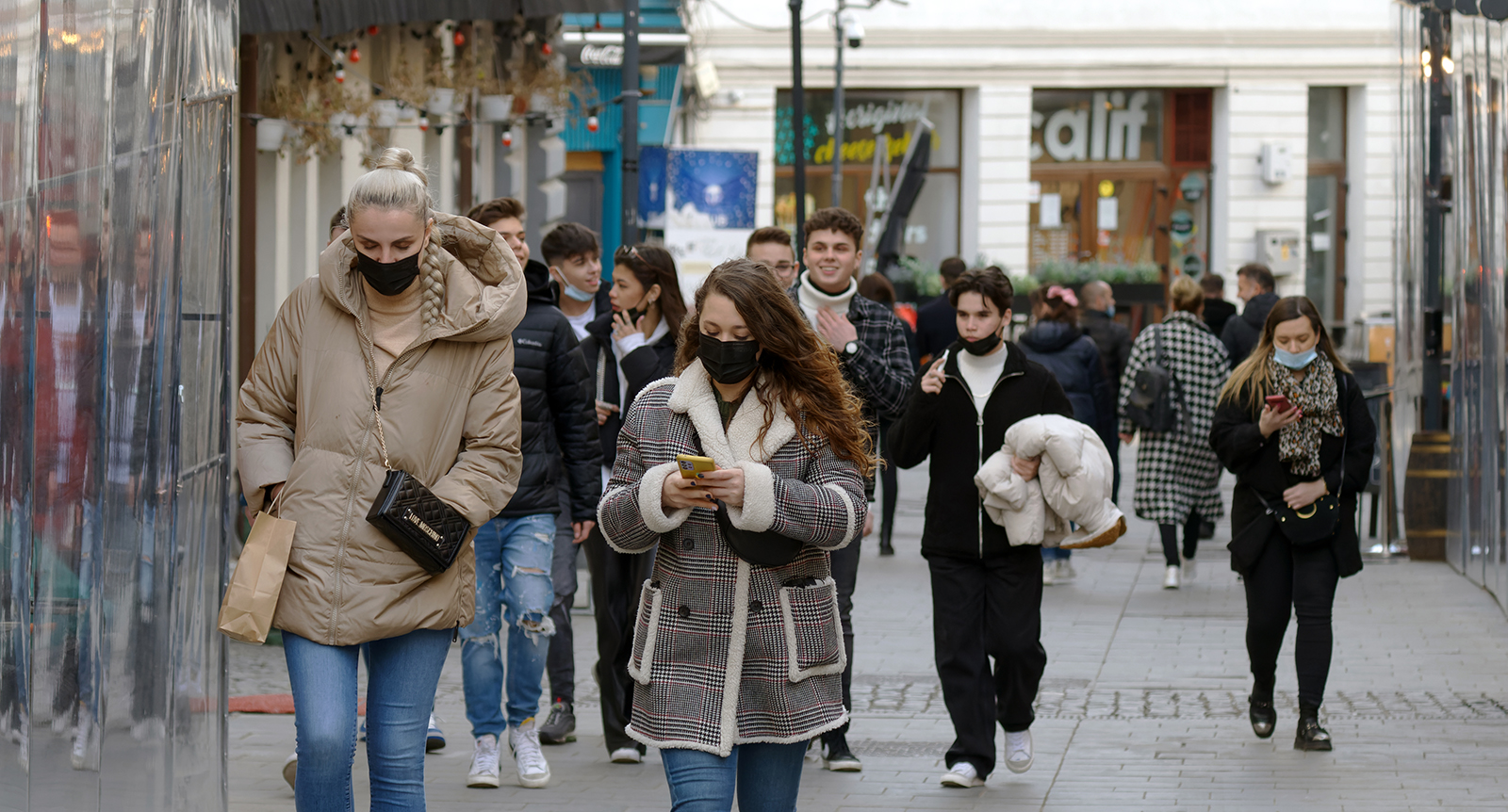
Covid-19 border closures were intended to protect public health, but their symbolic effects reached far beyond controlling the virus. Lisa Herbig argues that temporary closures significantly weakened support for European unity and increased hostility toward immigrants. Policymakers should bear in mind that even brief border closures notably shape political attitudes Read more
Maurits Meijers
Populist rhetoric often pits a virtuous people against a corrupt elite. But when populist leaders invoke these definitions, do they always mean the same thing? Maurits Meijers, Robert A. Huber, and Andrej Zaslove explore the role of ideology in such definitions, shedding light on why populism remains a powerful political force Read more
Matthew E Bergman
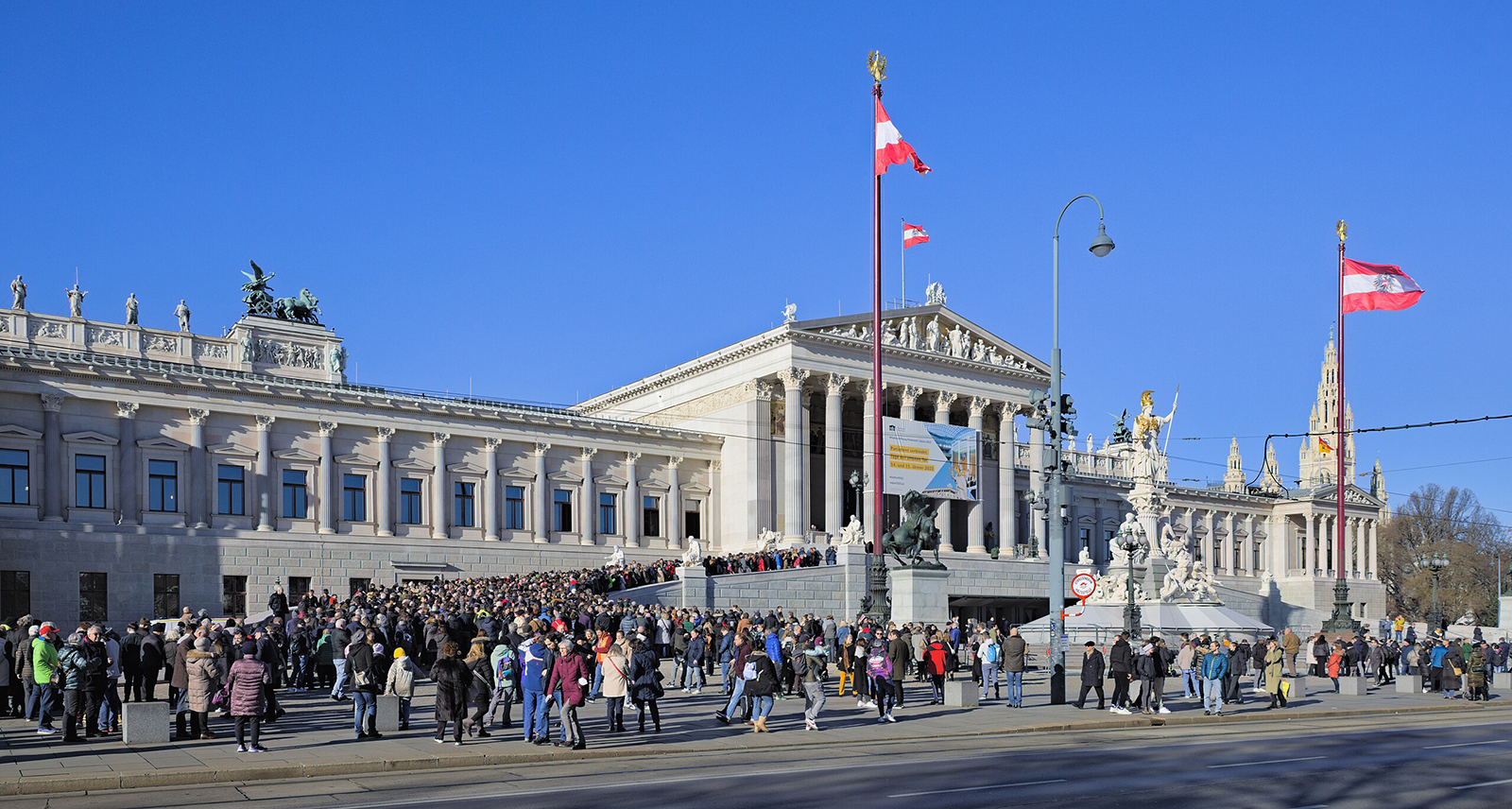
Austrian parties have finally formed a new government – on their third bargaining attempt. The failure of the previous rounds drew media criticism of timewasting. But Matthew E Bergman and Wolfgang C Müller argue that time spent bargaining is in fact an investment in future government policy productivity Read more
Jochem Vanagt
Jochem Vanagt and Markus Kollberg show that coalition governments bring voters of different parties closer together only if people believe those coalitions are doing a good job. When voters think coalitions are performing badly, partisan hostility remains high. Their insights have significant implications for efforts to reduce affective polarisation Read more
Alina Vrânceanu
Social policies shape public opinions on immigration. A study by Alina Vrânceanu and Bilyana Petrova shows that in Western Europe, generous welfare systems – perhaps counterintuitively – make natives more favourably inclined toward immigrants. Cutting benefits risks exacerbating anti-immigrant sentiment. These research findings have important implications for social conflict in modern capitalist democracies Read more
Louise Halberg Nielsen
During the Covid-19 pandemic, many citizens put full faith in 'the system' to keep them safe. Others were inherently mistrustful. Louise Halberg Nielsen argues that such trust, or the lack of it, was a key source of pandemic-era political disagreement. Her research findings could help societies navigate future collective crises more effectively Read more
We use cookies to ensure that we give you the best experience on our website. If you continue to use this site we will assume that you are happy with it.