Yuliia Turchenko
Information warfare has moved to the centre of the UK’s security agenda, says Yuliia Turchenko. Media monitoring reveals how digital manipulation and foreign interference now shape public understanding of risk. Here, the author weighs up the threat, and suggests how the UK should respond Read more
Jamie Withorne
Technology is not a cure-all. But it can help reduce the risk of nuclear weapons crises. Jamie Withorne shows how increasingly accessible information can harness transparency and 'fact check' the credibility of nuclear threats Read more
Tom Johansmeyer
Tom Johansmeyer contends that the damage NotPetya caused in Ukraine is much smaller than many believe. A closer look at the $560 million in harm caused by that infamous cyber attack suggests that cyber attacks may only be of limited effectiveness. This, he argues, changes how cyber sits in the security environment Read more
Giulia Dal Bello
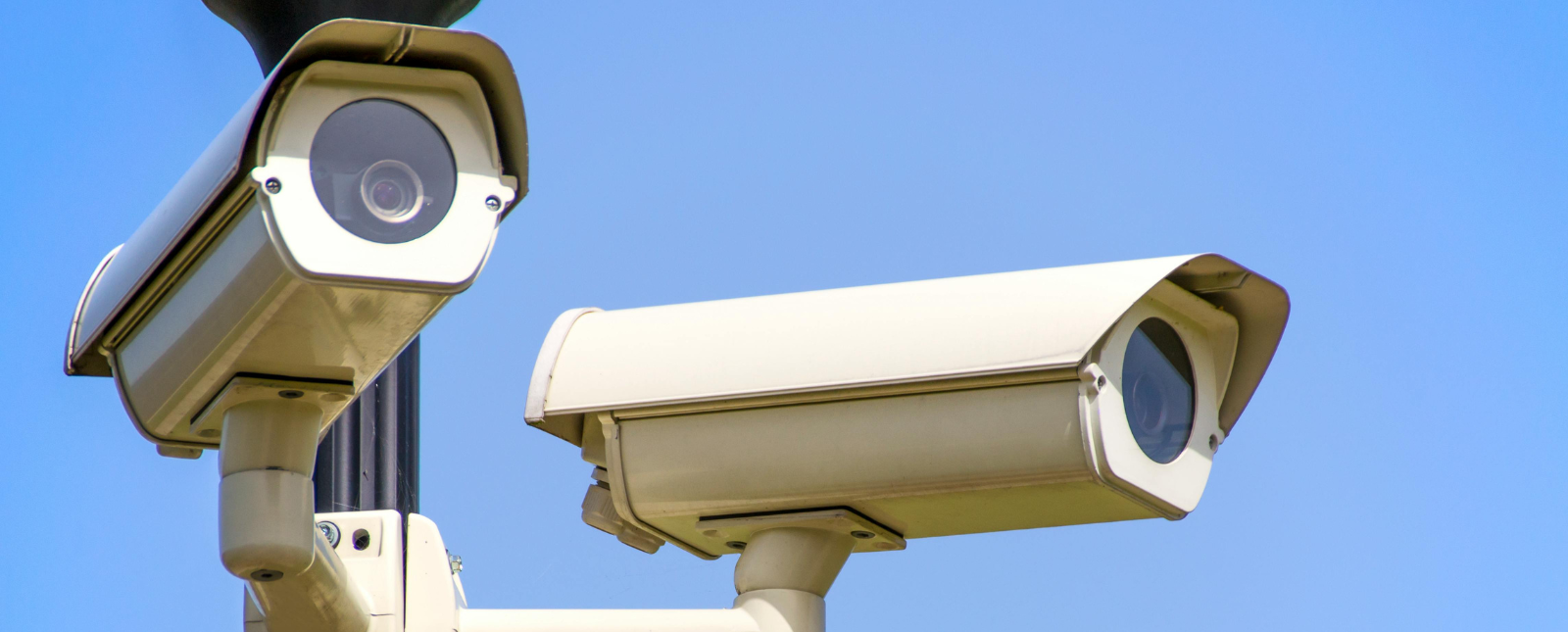
The 2024 Olympics marked a significant moment in the growing intrusion of AI surveillance into public life. Giulia Dal Bello, Sivan Hirsch-Hoefler and Daphna Canetti argue that, despite the security advantages, governments need to account for public perceptions of surveillance, as negative views may fuel collective action against state authority. Read more
Xuechen Chen
Xuechen Chen and Xinchuchu Gao argue that the EU’s decision to securitise China lies behind the recent deterioration in EU-China relations. Yet divergent views among member states are hampering EU policy, resulting in incoherent and inconsistent implementation at national levels Read more
The Loop
Cutting-edge analysis showcasing the work of the political science discipline at its best.
We use necessary cookies to make our site work. We'd also like to set analytics cookies that help us make improvements by measuring how you use the site. These will be set only if you accept.
▼
Strictly Necessary Cookies
Necessary cookies enable core functionality such as security, network management, and accessibility. You may disable these by changing your browser settings, but this may affect how the website functions.
▼
Analytics Cookies
Google Analytics
We'd like to set Google Analytics cookies to help us improve our website by collecting and reporting information on how you use it. The cookies collect information in a way that does not directly identify anyone. For more information on how these cookies work please see our Privacy Notice.