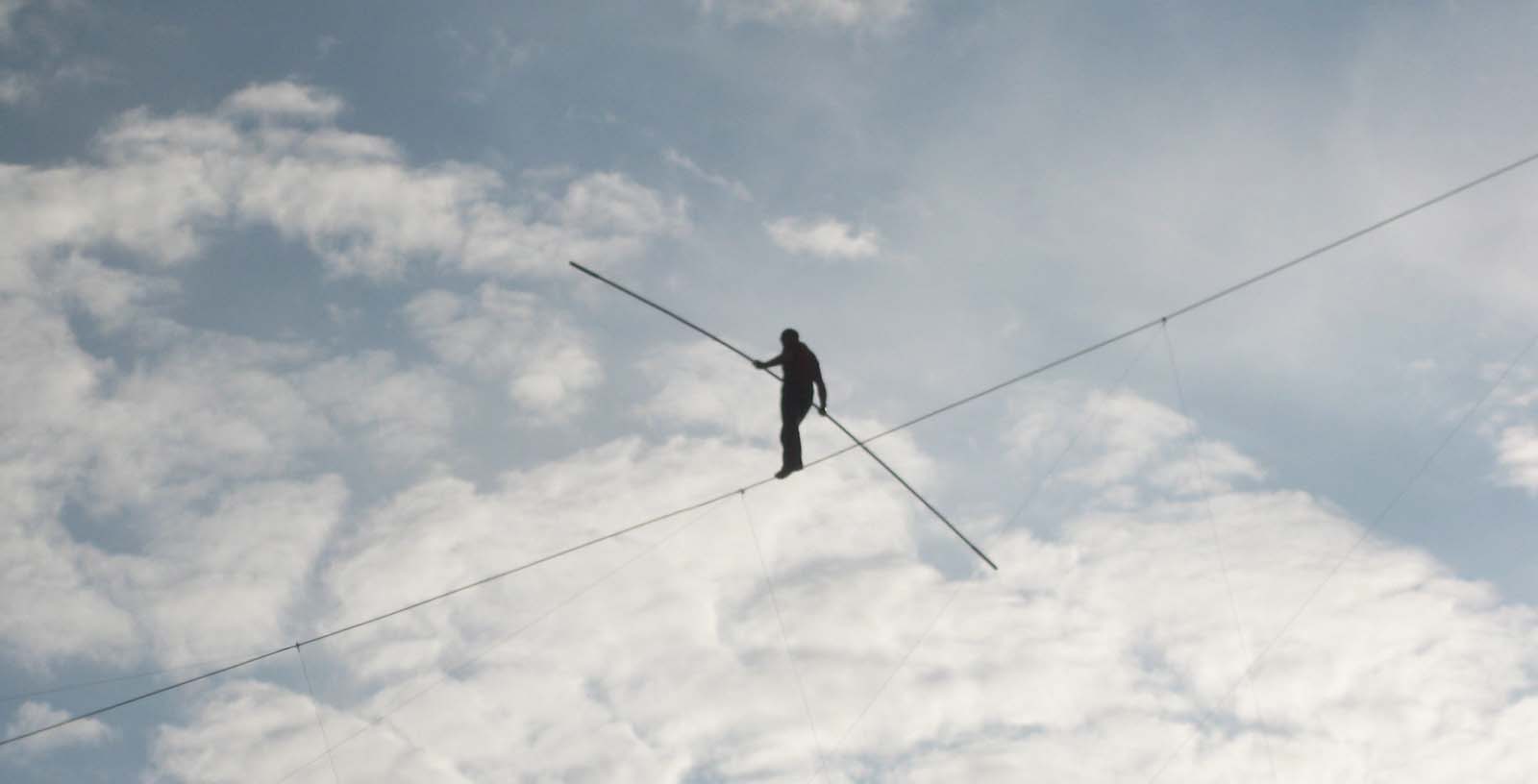
Rick van Well
Opposition parties are expected to challenge the government, but they do not simply oppose for opposition's sake. Drawing on over 75 years of data, Rick van Well explains that when deciding how to behave in parliament, opposition parties make strategic trade-offs between winning votes, entering the government, and influencing policy Read more
Thomas Poguntke
Thomas Poguntke argues that the shock results of recent elections in two German Länder show how Germany's party system has lost its capacity to integrate radical challengers. As a result, coalition formation now increasingly requires alliances which do not work – and this feeds popular disaffection. Read more
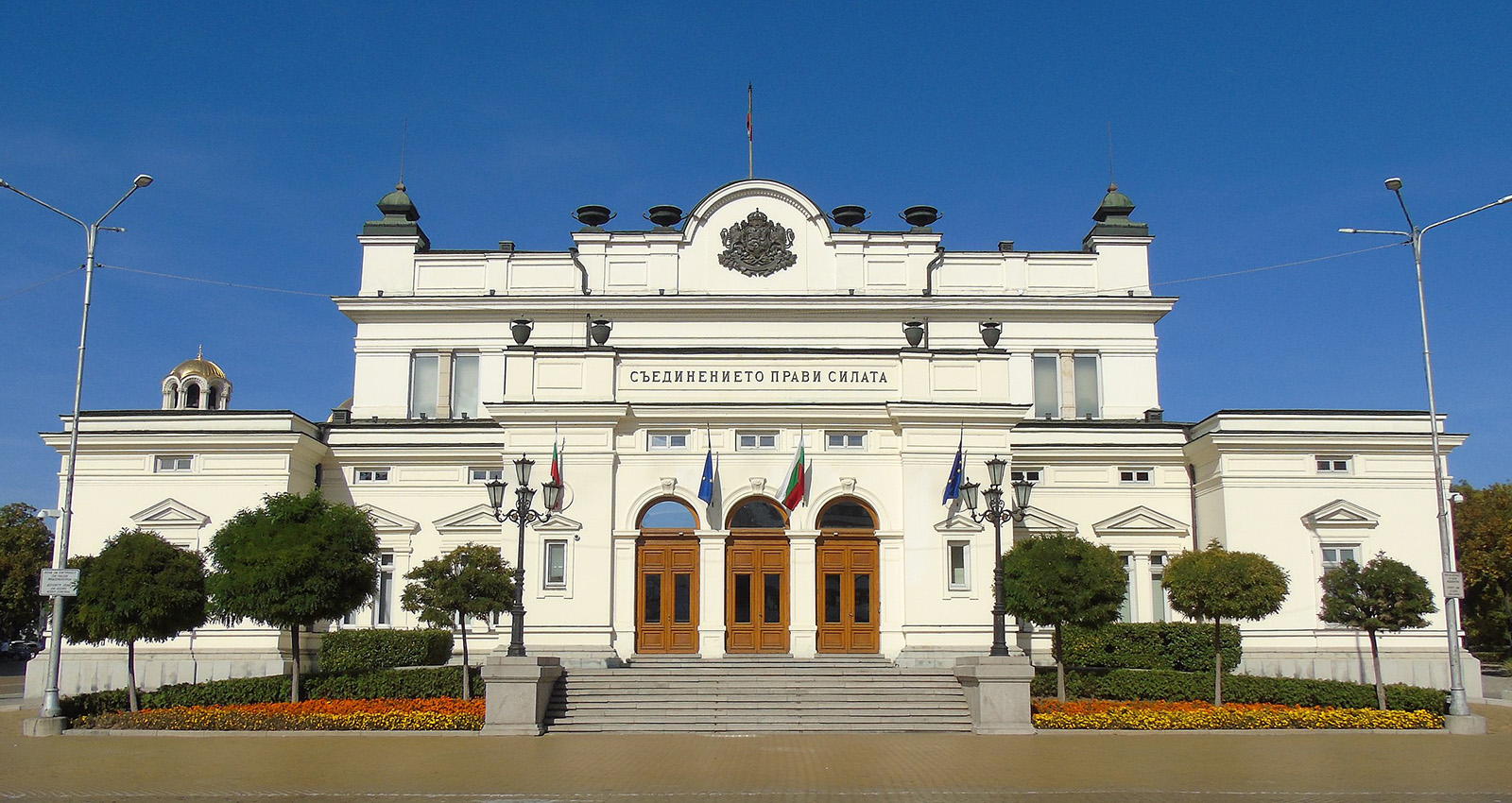
Dragomir Stoyanov
The snap Bulgarian general election of 2 October has failed to resolve the ongoing political stalemate in the country caused by polarisation between two opposing political camps. Dragomir Stoyanov writes that the new government will be characterised by instability, with the prospect of further snap elections next year Read more
Amnon Cavari
In June 2021, after twelve consecutive years as Israel's Prime Minister, Benjamin Netanyahu was forced out of office. The coalition replacing him promises change, find Amnon Cavari, Maoz Rosenthal and Ilana Shpaizman. Whether it delivers on its promises is another question Read more
The Loop
Cutting-edge analysis showcasing the work of the political science discipline at its best.
We use necessary cookies to make our site work. We'd also like to set analytics cookies that help us make improvements by measuring how you use the site. These will be set only if you accept.
▼
Strictly Necessary Cookies
Necessary cookies enable core functionality such as security, network management, and accessibility. You may disable these by changing your browser settings, but this may affect how the website functions.
▼
Analytics Cookies
Google Analytics
We'd like to set Google Analytics cookies to help us improve our website by collecting and reporting information on how you use it. The cookies collect information in a way that does not directly identify anyone. For more information on how these cookies work please see our Privacy Notice.