Şule Yaylacı
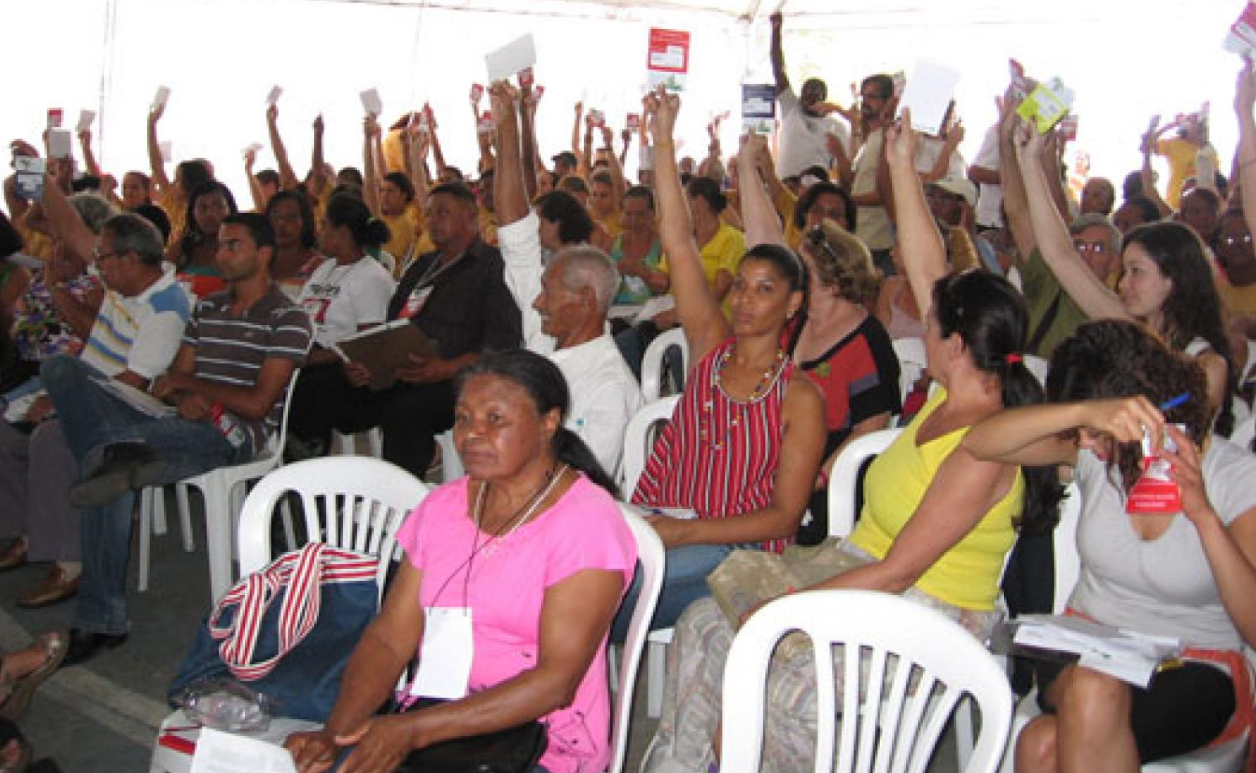
Elected politicians face rising mistrust, gridlock, and citizen disengagement. In their research, Şule Yaylaci, Edana Beauvais and Mark E. Warren show how democratic innovations can help elites tackle inclusion gaps, agenda-setting dilemmas, and decision-making deadlocks. The authors also highlight the risks of co-optation and 'democracy washing' Read more
Gülşen Doğan
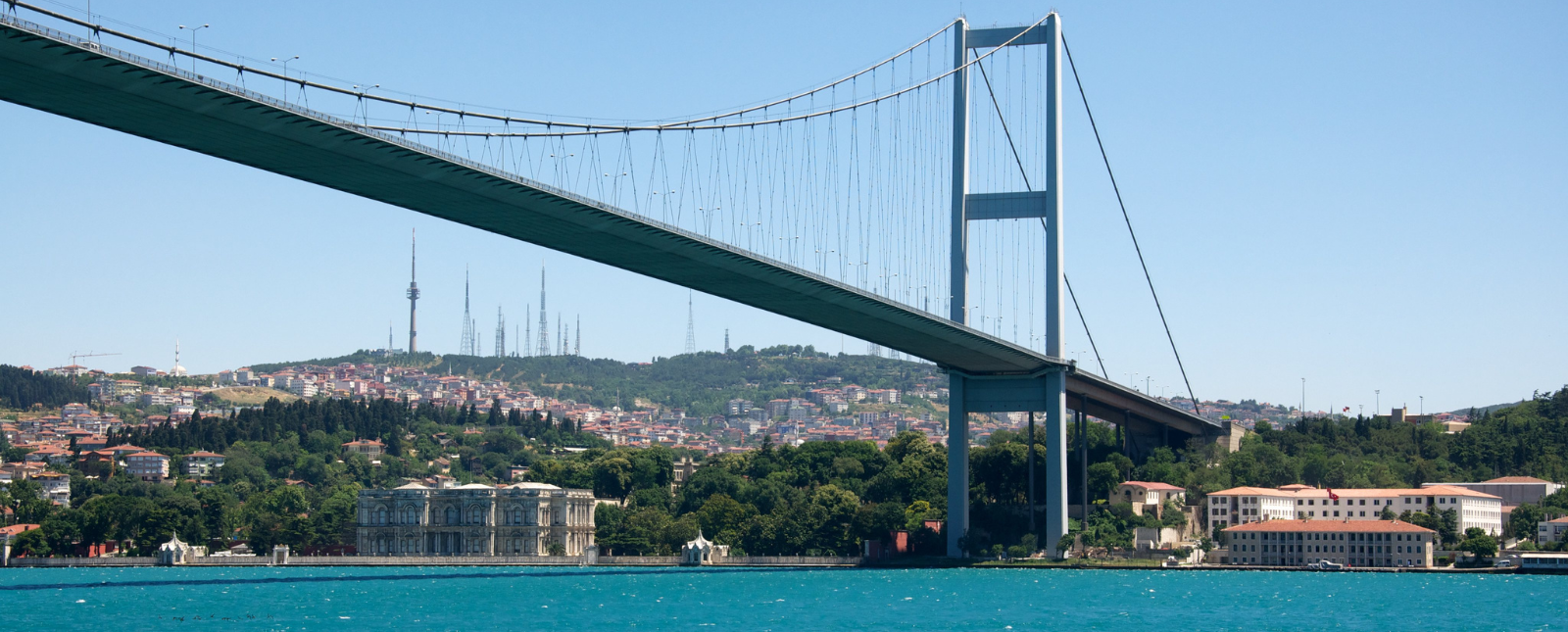
Gülşen Doğan argues that Türkiye’s long crisis reveals a new way of governing that stretches liberal rules without fully abandoning them. Cities like Istanbul can keep democratic options alive even as national politics turns in a more authoritarian direction Read more
Peter Chai
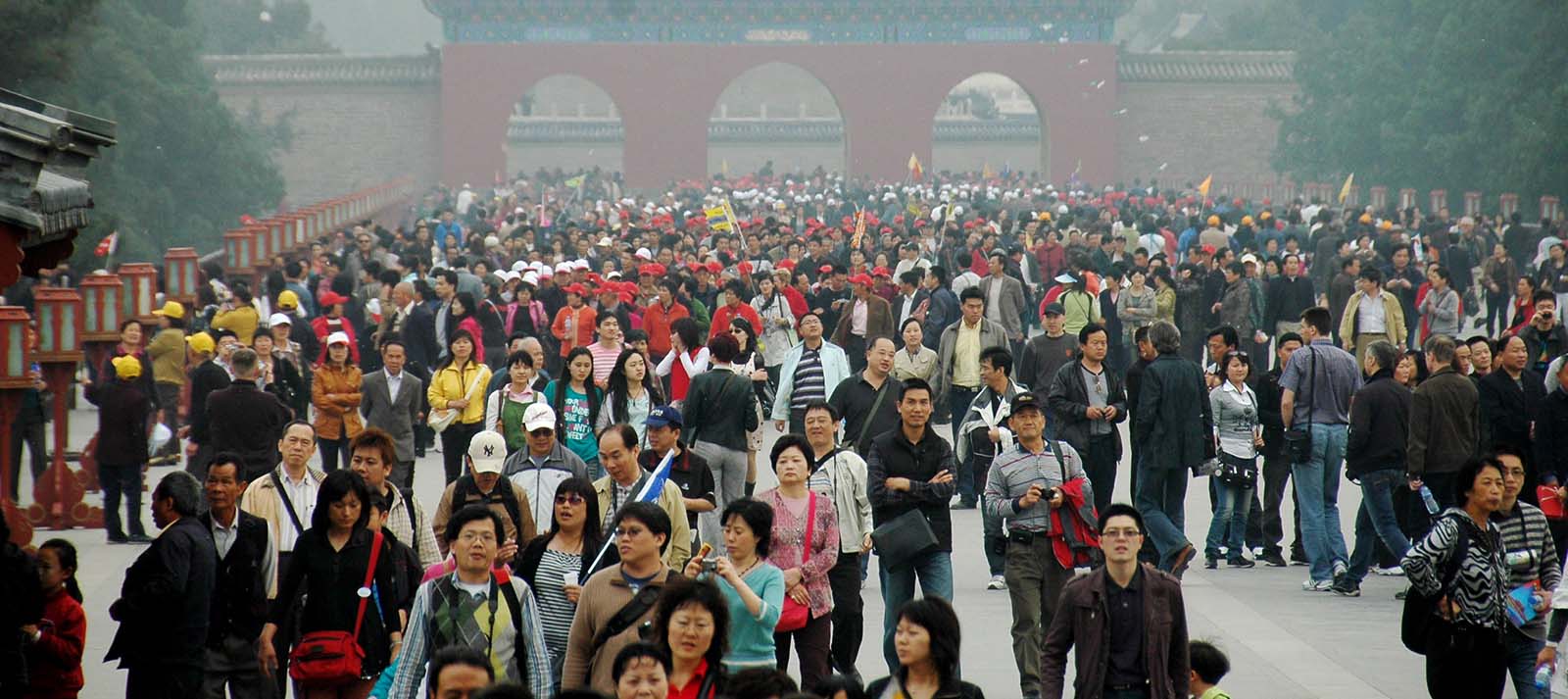
In China do age, education, income, and urbanisation relate to attitudes to environmental protection? To find out, Peter Chai analyses survey data gathered from people on the mainland, between 2005 and 2022. Surprisingly, he finds no clear relationships between socio-demographic variables and concern about the environment Read more
Andreas Corcaci
When do states implement environmental obligations? The answer is often presented as a dichotomy between sanctions and cooperation. But making European and international law work isn't about choosing one over another, argues Andreas Corcaci. Instead, different paths lead to success, and courts and committees can improve outcomes through intermediation Read more
Camil Ungureanu
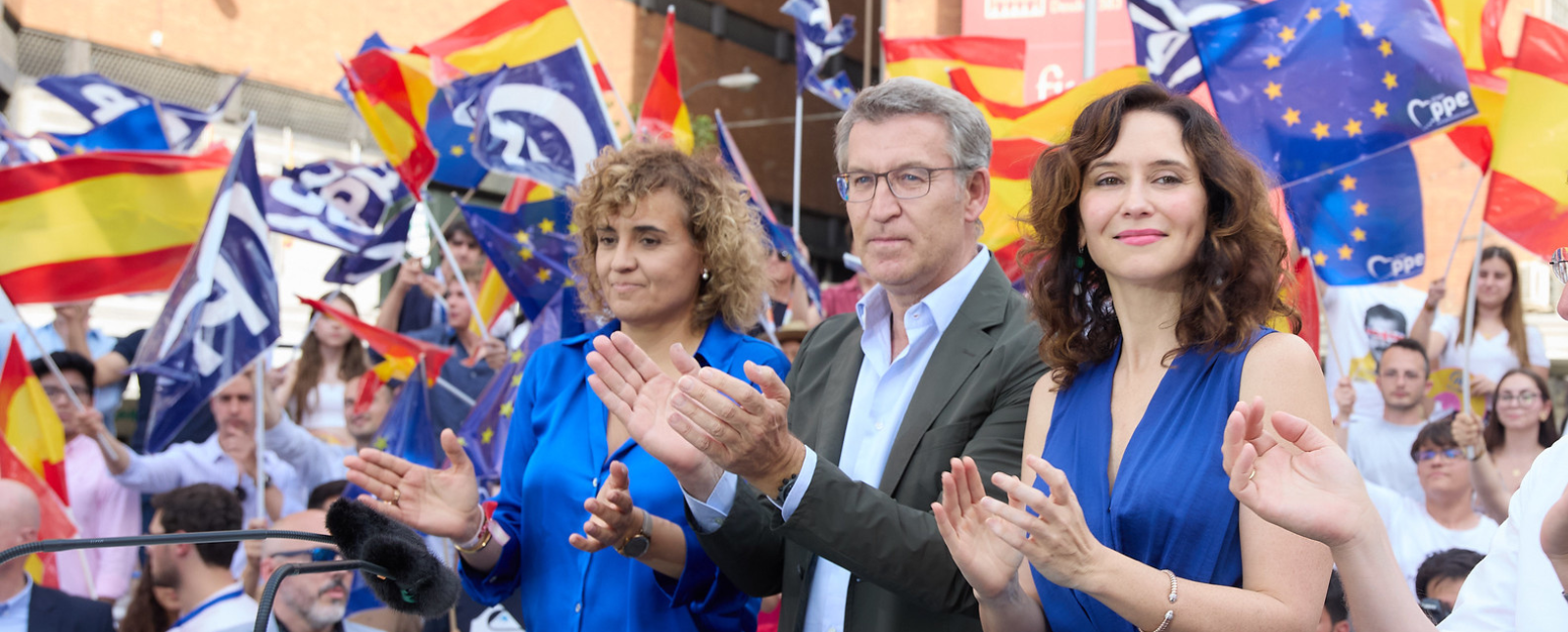
We often link denialism and opposition to environmental issues to far-right parties, yet this is an oversimplification. Camil Ungureanu, Marc Sanjaume-Calvet and Balsa Lubarda argue that some centre-right parties, by downplaying ecological concerns and framing ecology as 'the new communism', paved the way for far-right climate denialism. Read more
Mahir Yazar
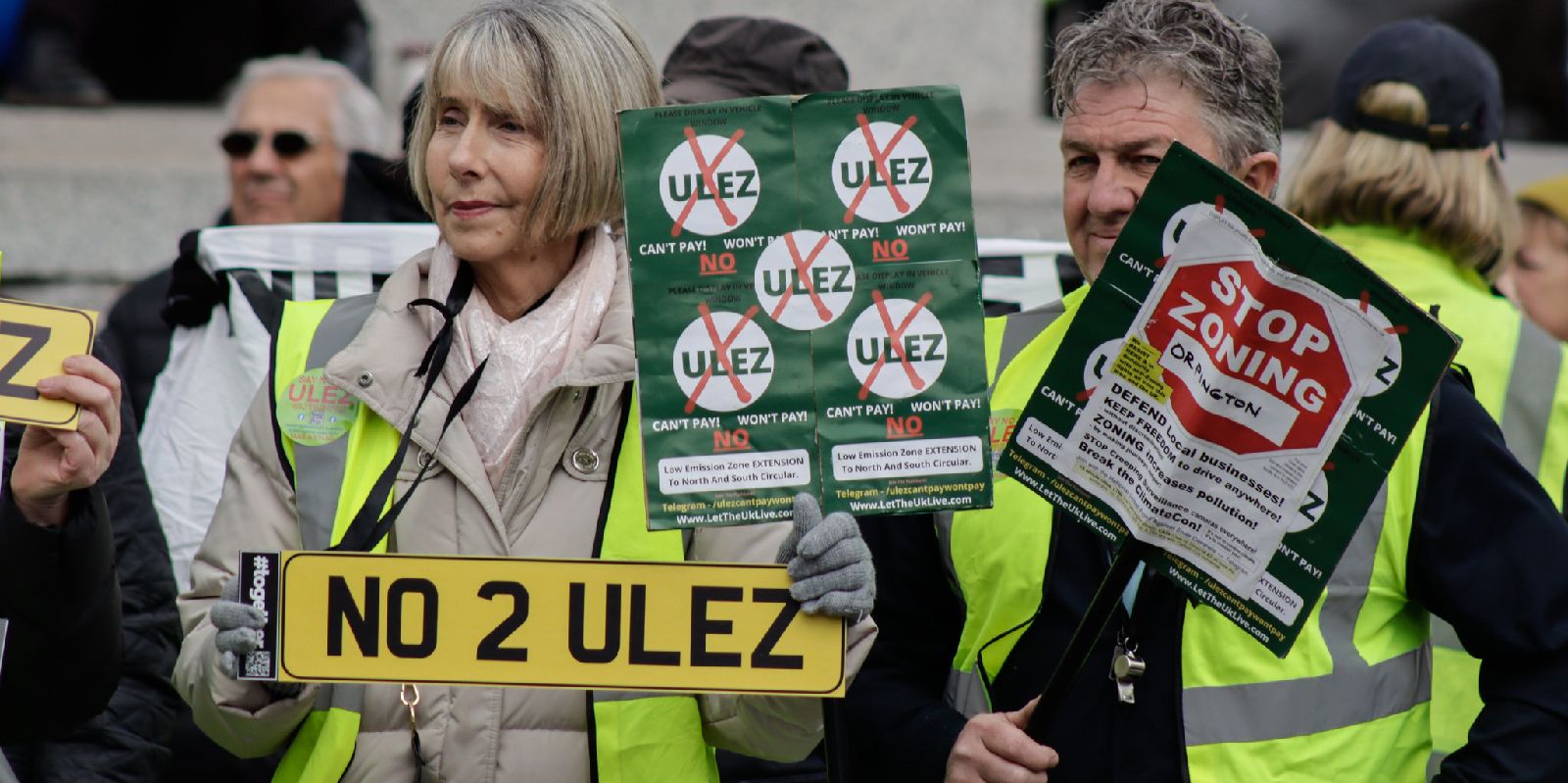
In Germany, climate protesters are demanding diesel bans in cities. Norwegian activists are calling for the abolition of urban road tolls. But in cities across the world, writes Mahir Yazar, populists are rising up to challenge these progressive climate movements Read more
Mehmet Haşim Çevik
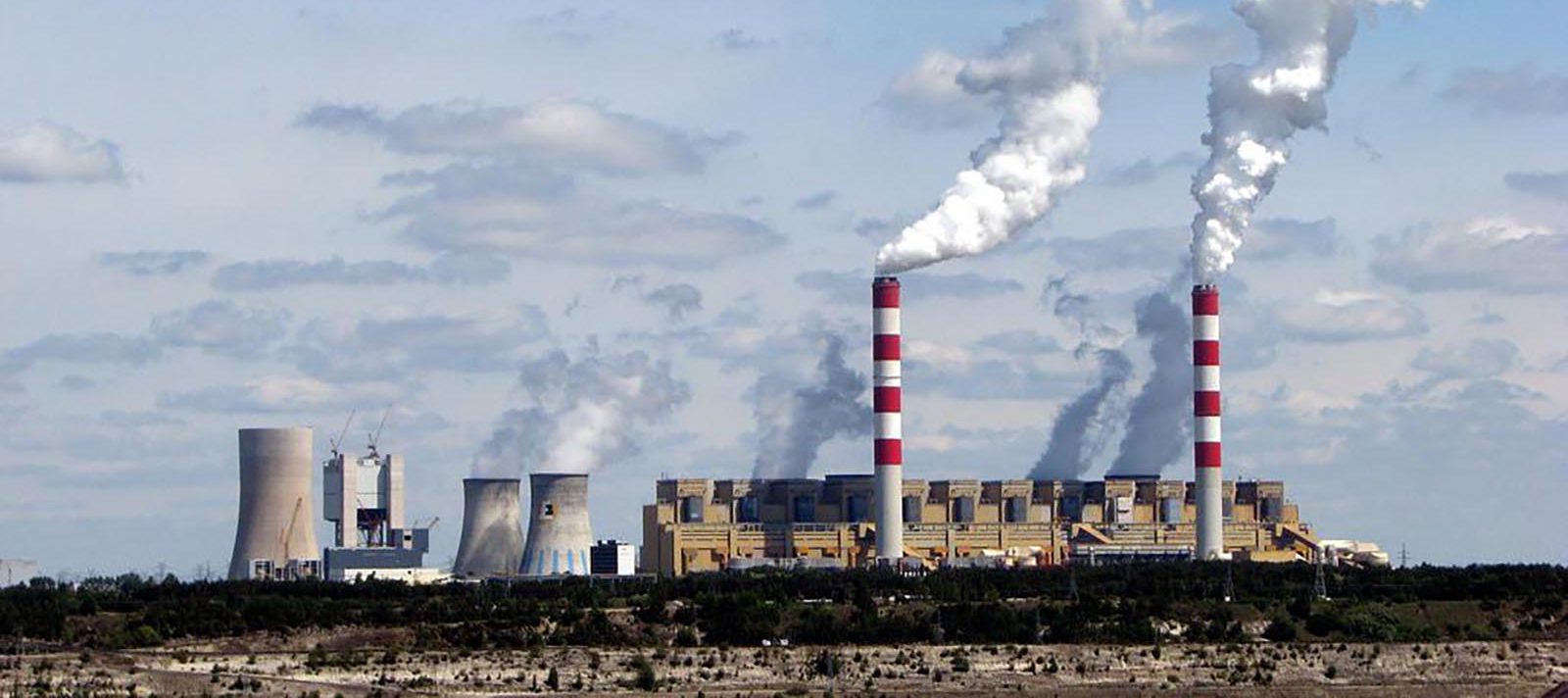
Right-wing populist parties have divergent positions on policies that seek to combat climate change. Key to understanding why, writes Mehmet Haşim Çevik, is whether the country relies on domestic fossil fuels Read more
Franziskus von Lucke
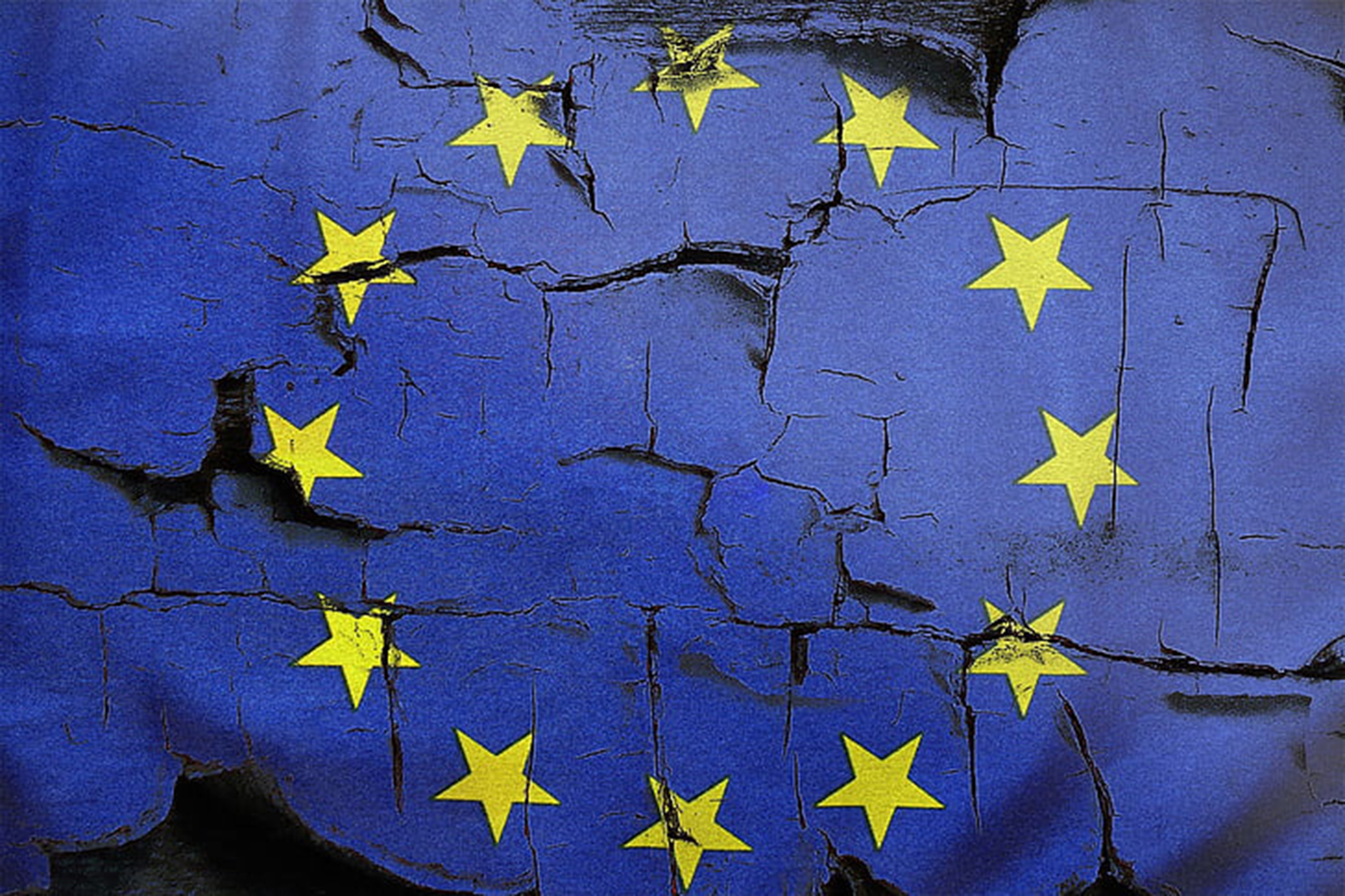
Scholars and the media often portray the ongoing polycrisis as undermining the EU’s self-understanding. This has led observers to describe the EU as an ‘anxious community’. But Franziskus von Lucke and Thomas Diez find that, on the contrary, EU actors remain surprisingly confident. While this may look like a positive finding, the authors argue that the EU needs more, not less, anxiety to deal successfully with current and future challenges Read more
We use necessary cookies to make our site work. We'd also like to set analytics cookies that help us make improvements by measuring how you use the site. These will be set only if you accept.
▼
Strictly Necessary Cookies
Necessary cookies enable core functionality such as security, network management, and accessibility. You may disable these by changing your browser settings, but this may affect how the website functions.
▼
Analytics Cookies
Google Analytics
We'd like to set Google Analytics cookies to help us improve our website by collecting and reporting information on how you use it. The cookies collect information in a way that does not directly identify anyone. For more information on how these cookies work please see our Privacy Notice.