Michal Rahimi
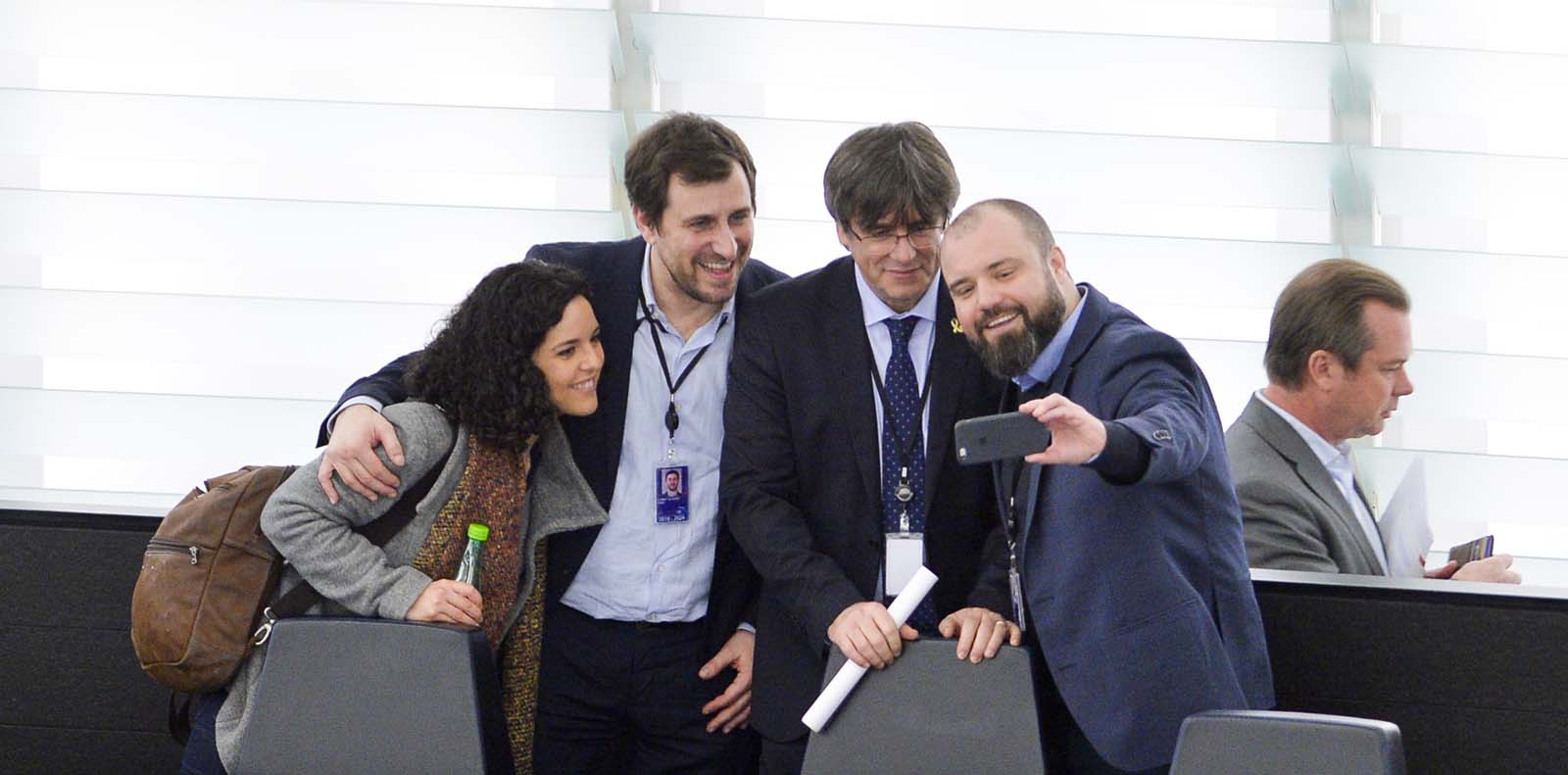
After settling into self-imposed exile in Belgium, Catalan separatist leader Carles Puigdemont had appeared to defy political gravity. That fortuitous era is ending. Explaining his decline, Michal Rahimi predicts the 2027 Spanish general election will deliver the final verdict Read more
Kaweh Kerami
Kaweh Kerami argues that the Taliban’s first visit to Brussels was not recognition, as the EU insists, but something politically consequential all the same: proof that repeated contact can hand an unrecognised regime real standing, one technical meeting at a time Read more
Romain Biesemans
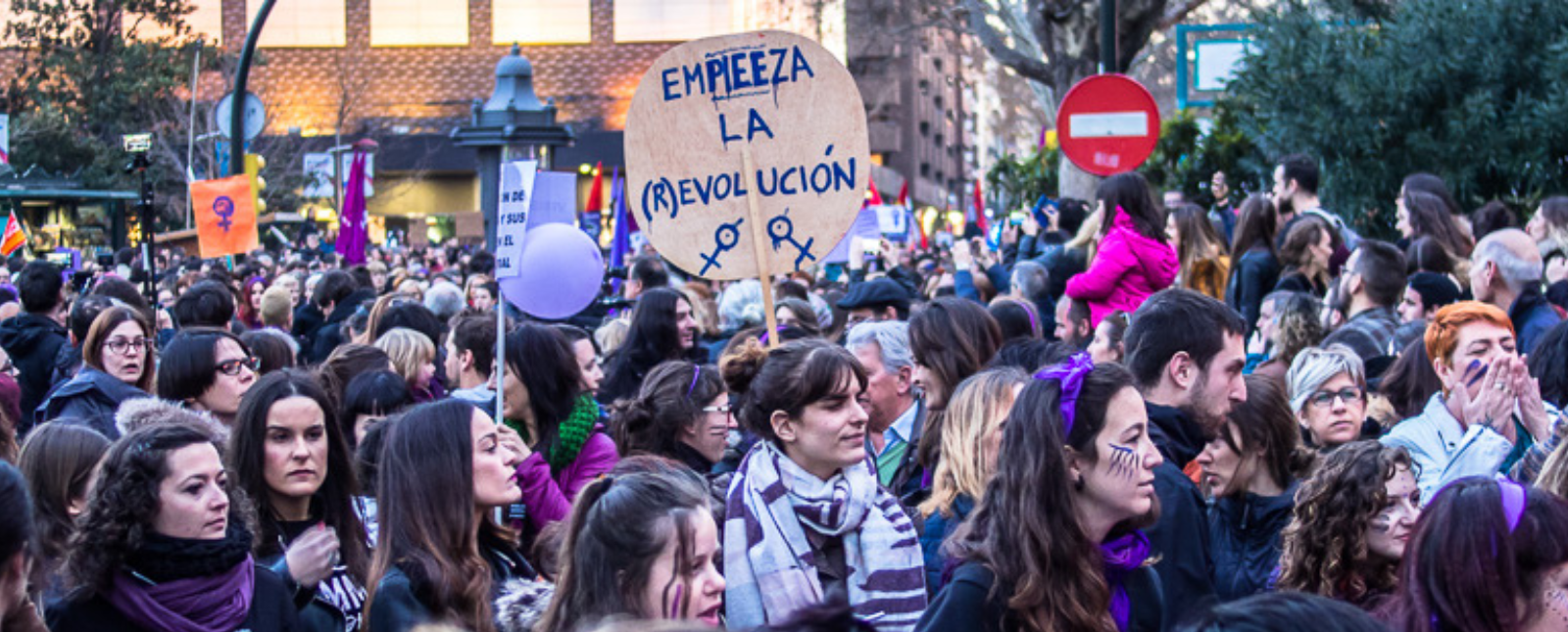
Reactionary gender politics are not the preserve only of the far right. Through a comparison between Belgium and Spain, Romain Biesemans and Archibald Gustin show how conservative and far-right parties converge in their opposition to gender equality Read more
Rylan Verlooy
Belgium often prides itself on being an LGBTQ-friendly country, yet anti-trans activists hide their transphobia behind superficial pro-trans statements. Rylan Verlooy explores how this paradox affects trans people’s activism. Here, he shows how resistance takes the form of everyday acts of educating others, strengthening community spaces, and caring for trans lives Read more
Kevin Meyvaert
Young people in Europe and, by extension, the West, are increasingly disengaging from electoral politics. Academic studies are still trying to understand the phenomenon. But Kevin Meyvaert argues that without a moral narrative of justice and fairness, we will never succeed in reconnecting all citizens to democratic life Read more
Marco Improta
Who benefits from feminism, and who loses from it? Marco Improta and Elisabetta Mannoni reveal an ideological gap between young men and women across Europe. This gap – strong in the UK, but absent in Norway – may relate to perceptions of the 'winners and losers' of feminism Read more
Ruben Van Severen
Ruben Van Severen shows why politically cynical citizens often praise the idea of referendums, but are not necessarily enthusiastic when they take place. Drawing on research in Flanders, he shows how poor topic choice can turn a tool meant to reconnect disillusioned citizens into one that risks widening the gap Read more
Ugur Tekiner
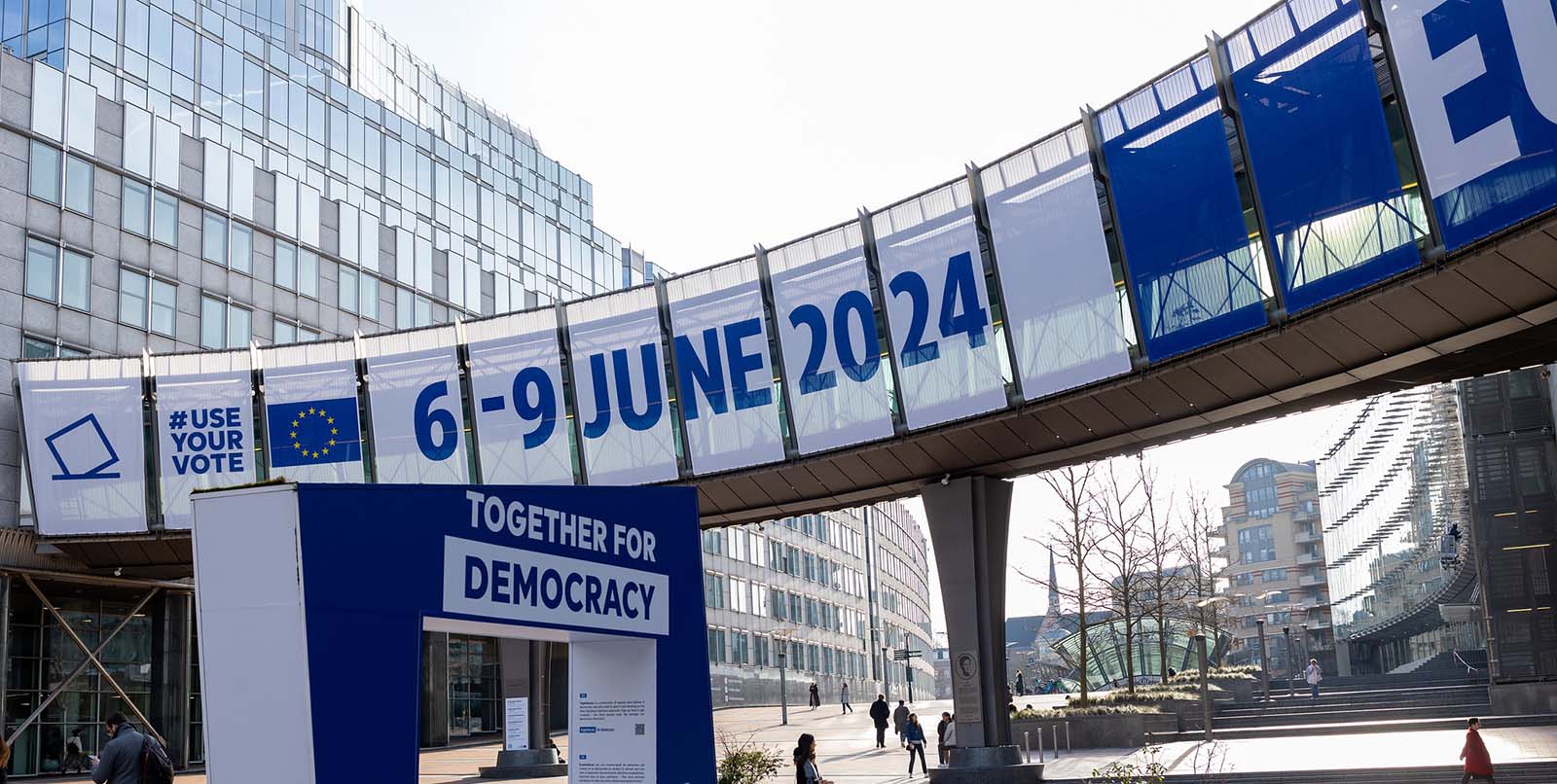
European elections are traditionally seen as less significant than national elections. But Ugur Tekiner argues that the recent challenges facing the EU force us to rethink this classification. Recent European elections accurately reflect the national political mood in Member States, and reveal the growing polarisation around Europe Read more
We use necessary cookies to make our site work. We'd also like to set analytics cookies that help us make improvements by measuring how you use the site. These will be set only if you accept.
▼
Strictly Necessary Cookies
Necessary cookies enable core functionality such as security, network management, and accessibility. You may disable these by changing your browser settings, but this may affect how the website functions.
▼
Analytics Cookies
Google Analytics
We'd like to set Google Analytics cookies to help us improve our website by collecting and reporting information on how you use it. The cookies collect information in a way that does not directly identify anyone. For more information on how these cookies work please see our Privacy Notice.