Lasse Thomassen
Humour is effective as a line of attack against authoritarian post-truthers like Trump. And like post-truth, humour is about feelings and the effect on your audience. But Lasse Thomassen suggests that humour – used well – can help make us see new truths to which we were otherwise blind Read more
Aleh Baradzin
How could European legal mechanisms possibly serve the interests of an authoritarian leader? Aleh Baradzin examines how the brutal regime of Alexander Lukashenko in Belarus exploits international law to involve European courts, police, and migration authorities in the transnational persecution of political opponents Read more
Hugo Bonin
Drawing on a systematic review of 2,401 scientific articles, Hugo Bonin shows how 'liberal democracy' has shifted from a contested analytical concept to a defensive catchphrase. The more the term circulates, the less scholars are examining it. But examining the term is crucial for how we think about democracy's future Read more
Jeremy Ko
Populist governance poses a profound threat to universities, undermining the autonomy essential to knowledge production. Jeremy Ko and James F. Downes reveal how populist leaders invoking 'the people' against elites consistently reduce academic freedom – and right-wing variants accelerate the decline most sharply Read more
Tim Pires Alves
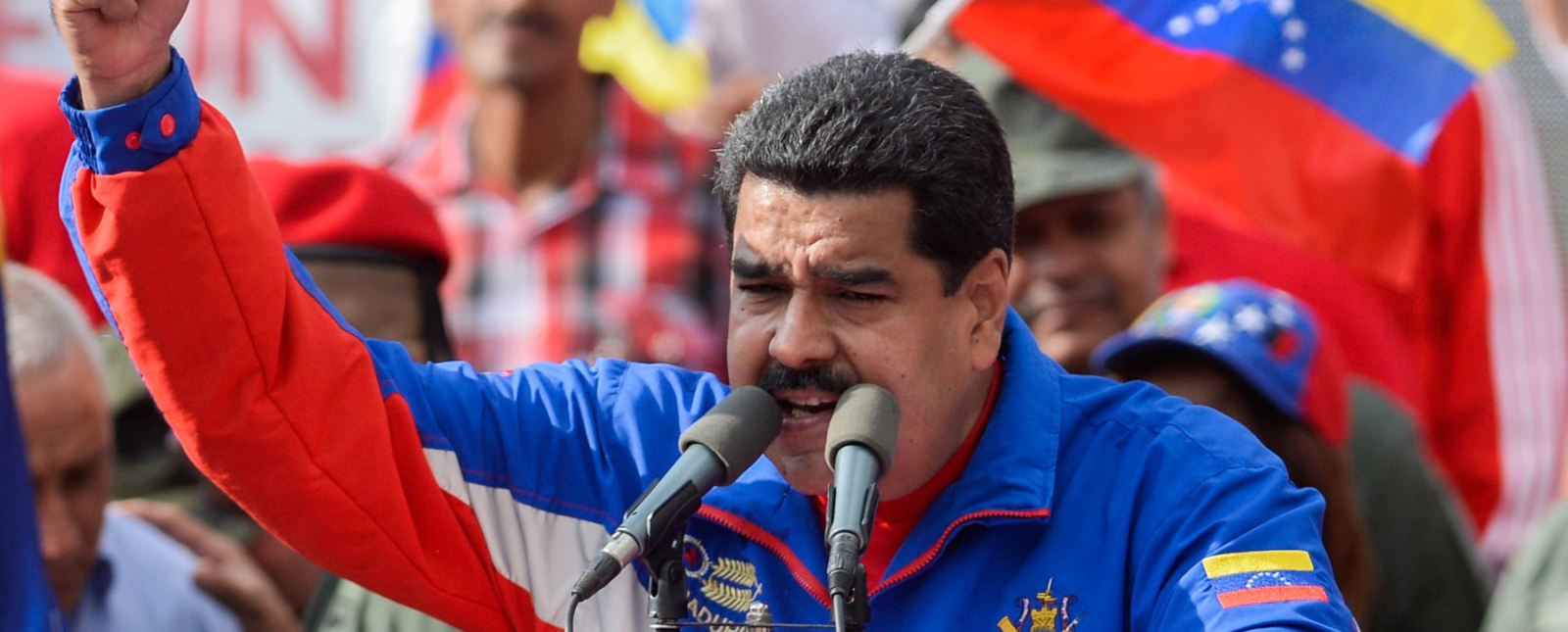
In January 2026, many believed Venezuela to be on the brink of democratic transition. Recent political developments, however, have tempered any such optimism. So, have transformative efforts come to an end, or did they ever truly begin? Tim Pires Alves outlines a possible long-term trajectory for Venezuela toward a dysfunctional democracy shaped by economic dependence and opportunism Read more
Federico Taddei
At the start of 2026, a meme dubbed the 'nihilist penguin' went viral. But populist media pages and extreme-right accounts soon began using edits of the meme to spread nationalist and exclusionary content. Federico Taddei argues that when the alt-right exploits them, even seemingly apolitical social media trends can carry serious political implications Read more
Yida Zhai
The Science of Democracy 2.0 challenges current uses of the term 'democracy'. Yida Zhai argues that these uses are not universal but culturally specific. This, he says, makes them inadequate for describing the political realities of the human species as a whole Read more
Başak Akkan
In response to shifting gender hierarchies and demographic anxieties, authoritarian populists are pushing a 'family in crisis' narrative. Başak Akkan and Tuğçe Erçetin argue that ‘familyism’ ideology underpins pronatalist care politics aimed at restoring the patriarchal sexual contract Read more
We use necessary cookies to make our site work. We'd also like to set analytics cookies that help us make improvements by measuring how you use the site. These will be set only if you accept.
▼
Strictly Necessary Cookies
Necessary cookies enable core functionality such as security, network management, and accessibility. You may disable these by changing your browser settings, but this may affect how the website functions.
▼
Analytics Cookies
Google Analytics
We'd like to set Google Analytics cookies to help us improve our website by collecting and reporting information on how you use it. The cookies collect information in a way that does not directly identify anyone. For more information on how these cookies work please see our Privacy Notice.