Bjarn Eck
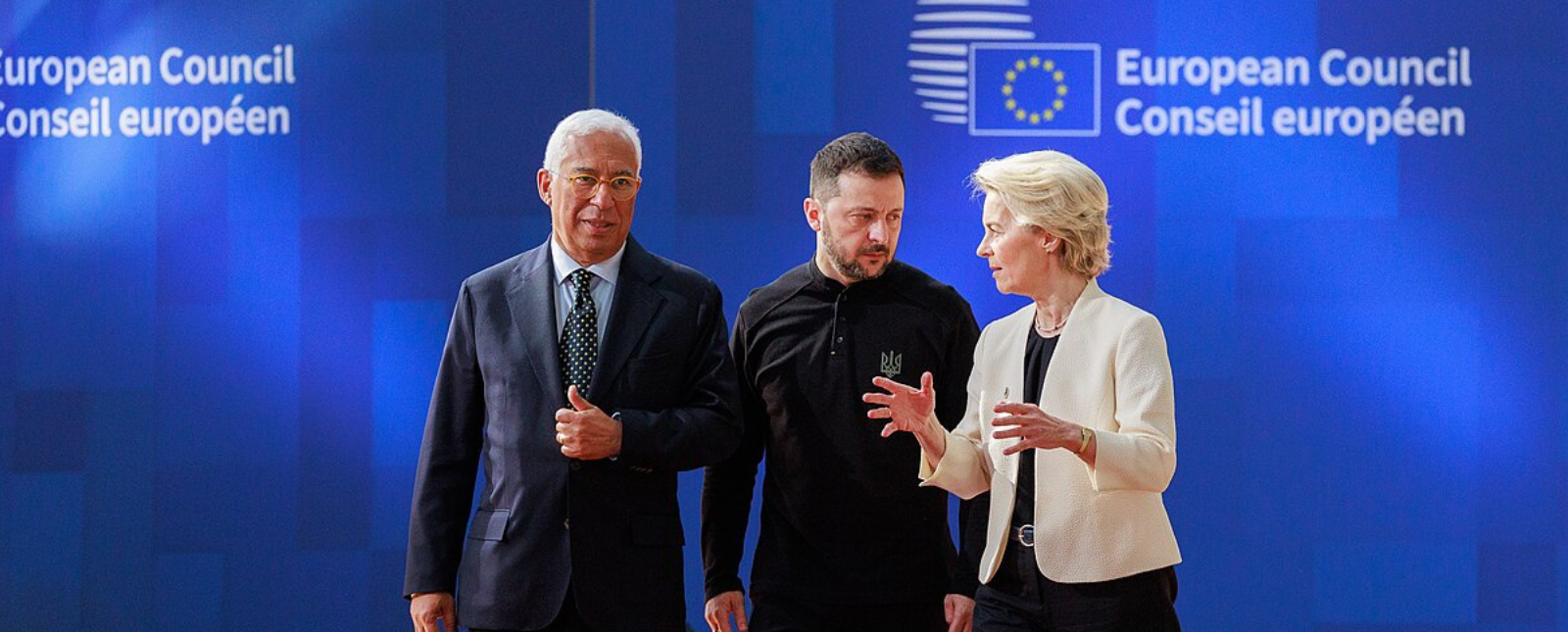
EU enlargement alone won’t bring peace or security to Ukraine. Without matching accession promises with sustained military aid, writes Bjarn Eck, Europe risks prolonging the war — and exposing itself to greater danger Read more
Tyyne Karjalainen
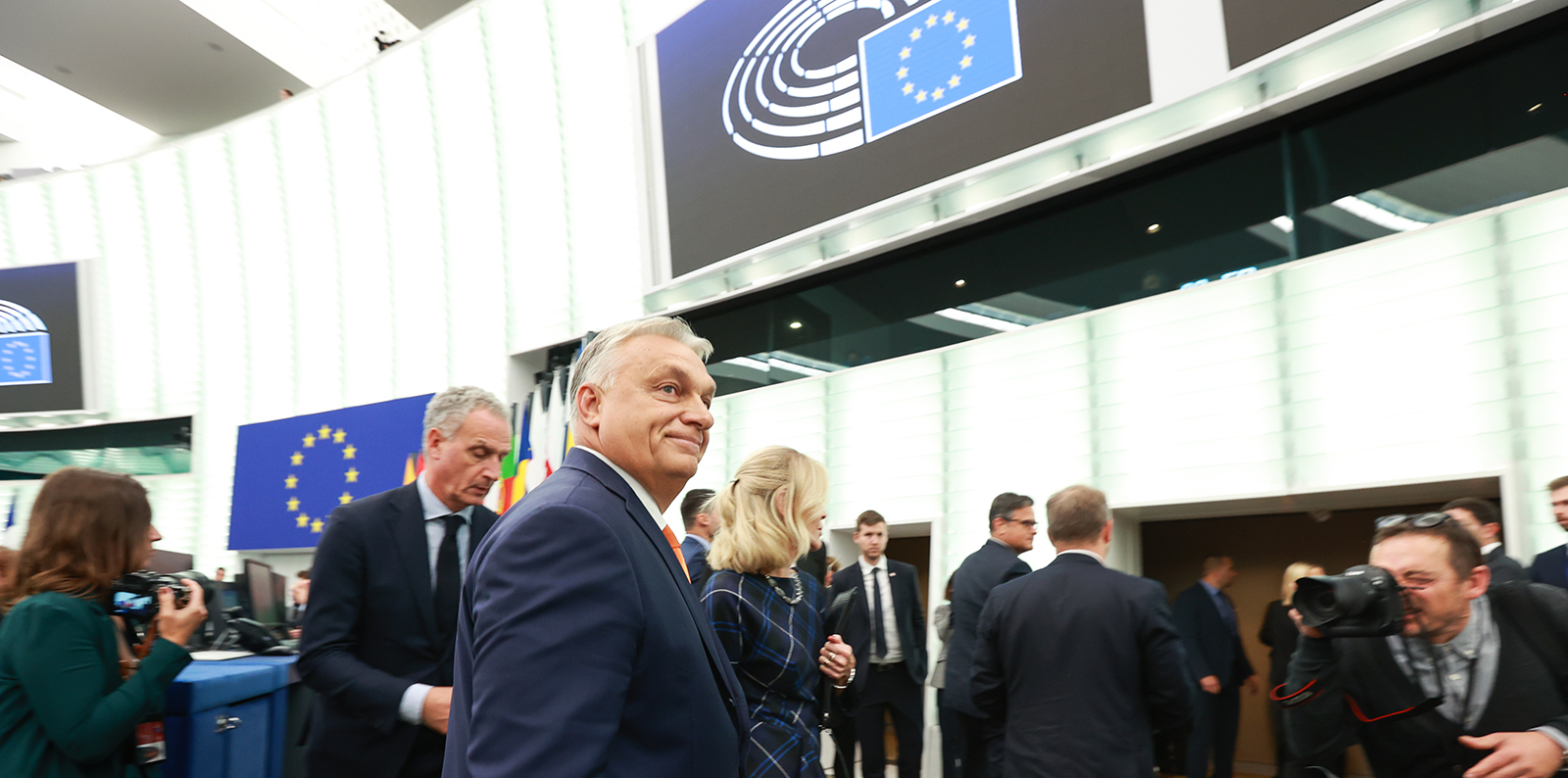
Hungary’s blocking behaviour risks derailing Ukraine’s fragile pro-European momentum. If not addressed, it could fuel Euroscepticism, embolden authoritarian spoilers, and hollow out the EU’s enlargement promise. Tyyne Karjalainen explores what options are on the table to restore credibility to the accession process Read more
Maksym Beznosiuk
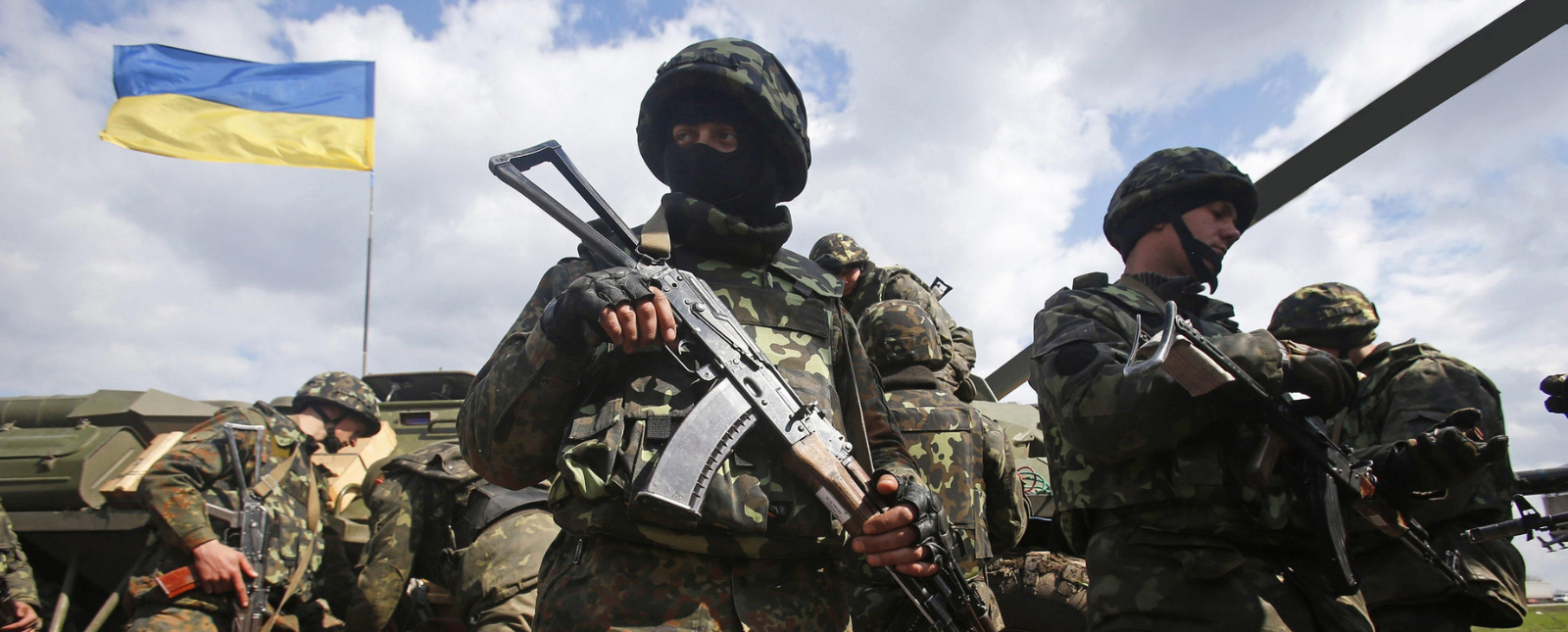
Maksym Beznosiuk argues that Ukraine’s defence production has grown, yet remains underutilised. With EU support, joint projects could sustain Ukraine’s war effort and advance the EU’s strategic autonomy. Closer cooperation, legal alignment, and targeted investment can strengthen Ukraine’s capabilities and contribute to the EU's defence readiness Read more
Karina Shyrokykh
Despite the war — and uneven compliance with the EU-Ukraine Association Agreement — Ukraine is striving to implement the European Green Deal. Why? Karina Shyrokykh explains how instrumental compliance with the Green Deal will help Ukraine implement the Association Agreement. Preparations for compliance with the Deal after EU accession, meanwhile, will help the country's post-war recovery, and boost its membership chances Read more
Miruna Butnaru-Troncotă
Russia’s full-scale invasion of Ukraine forced the EU to revive its enlargement agenda, but growing politicisation risks sidelining the Western Balkans yet again. Miruna Butnaru Troncotă argues that the EU's future credibility and cohesion hinge on treating Western Balkan integration just as urgently as Eastern enlargement Read more
Antoaneta L. Dimitrova
EU enlargement to Ukraine is a strategic necessity, but cannot rest on geopolitics alone. To avoid backlash, the EU must confront policy dilemmas openly, from rule of law to agriculture, and offer realistic compromises. Antoaneta Dimitrova argues that public support depends on political leaders’ ability to offer a credible narrative to counter negative publicity Read more
Aly Verjee
Aly Verjee and Valerie Sticher argue that an international monitoring mission could bolster a ceasefire. But any new ceasefire faces serious challenges, and will hold only if all parties heed the experience of past monitoring efforts in eastern Ukraine Read more
Paul Whiteley
The row in the White House between Presidents Trump and Zelenskyy shocked the world. It threatens the transatlantic alliance between the US and Europe. However, Paul Whiteley argues that Trump may be unwittingly creating a situation which will see the United States weaker and more isolated in the long term Read more
We use necessary cookies to make our site work. We'd also like to set analytics cookies that help us make improvements by measuring how you use the site. These will be set only if you accept.
▼
Strictly Necessary Cookies
Necessary cookies enable core functionality such as security, network management, and accessibility. You may disable these by changing your browser settings, but this may affect how the website functions.
▼
Analytics Cookies
Google Analytics
We'd like to set Google Analytics cookies to help us improve our website by collecting and reporting information on how you use it. The cookies collect information in a way that does not directly identify anyone. For more information on how these cookies work please see our Privacy Notice.