Agnese Pacciardi
Bad Bunny’s Super Bowl halftime performance was a celebration of Latin American culture and a rebuke of US imperial power. Yet, argue Agnese Pacciardi and Priscyll Anctil Avoine, the excitement it sparked risks obscuring the corporate, extractive structures that made the show possible, and profitable Read more
Vasabjit Banerjee
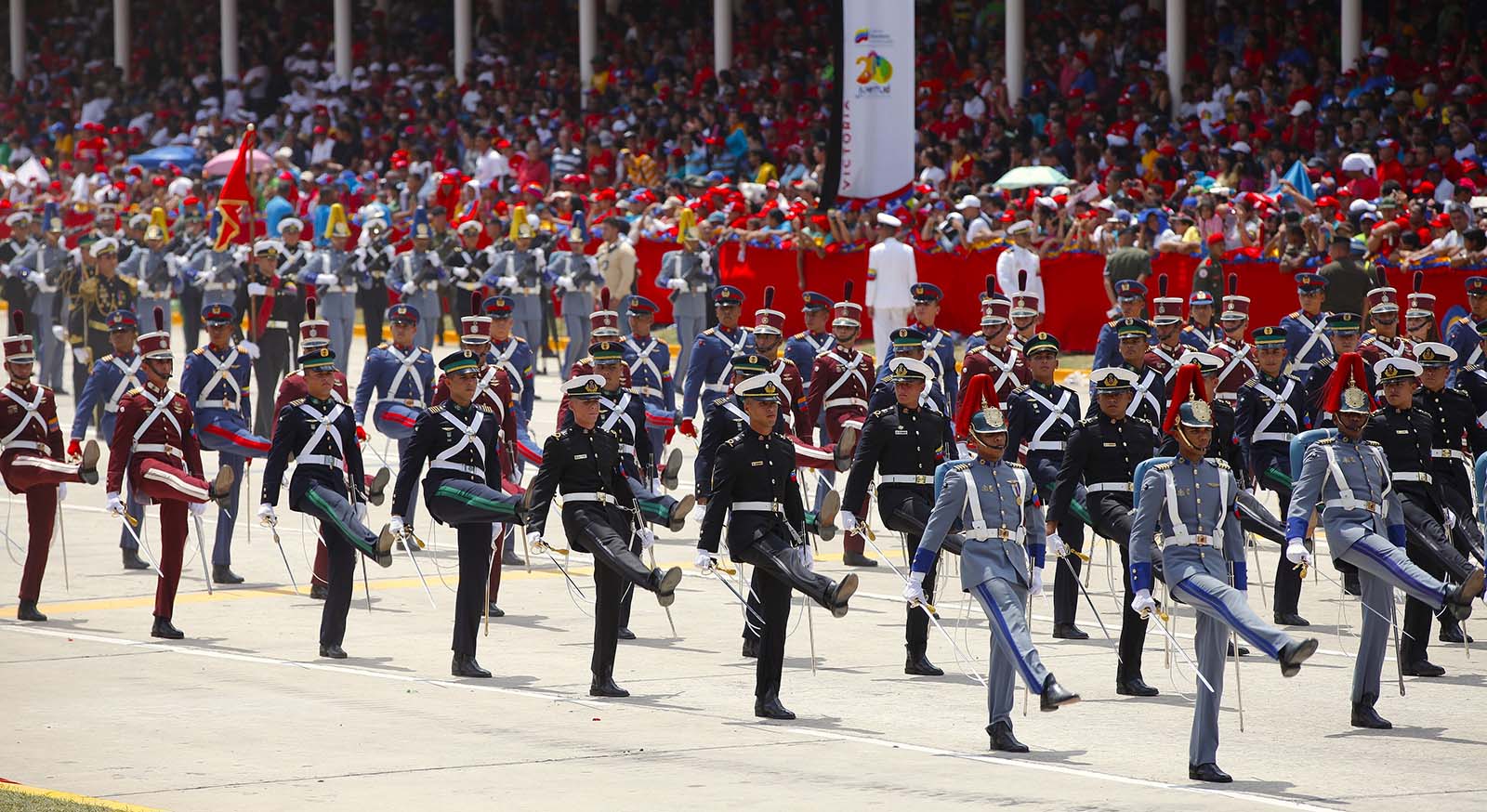
On 3 January 2026, US military invaded Venezuela, capturing and removing president Nicolás Maduro. But Vasabjit Banerjee and María Isabel Puerta Riera caution that beyond the ousting of Maduro, the Trump administration doesn't appear to have a plan for sustaining a democratic regime Read more
Tim Pires Alves
After almost twenty years of democratic decline, in 2023, liberal democracy in Latin America appeared to be regaining strength. But has it managed to sustain the trend? Tim Pires Alves assesses whether recent developments heralded a new global wave of democratisation, or whether we merely glimpsed the calm before an even harsher autocratic storm Read more
Julia Zulver
Under President Bukele’s perpetual 'State of Exception', El Salvador has made international news for its historic decline in homicides. Despite this, women report that problems of violence are far from over in the country, write Julia Zulver and Anne Ruelle Read more
Nayara F. Macedo de Medeiros Albrecht
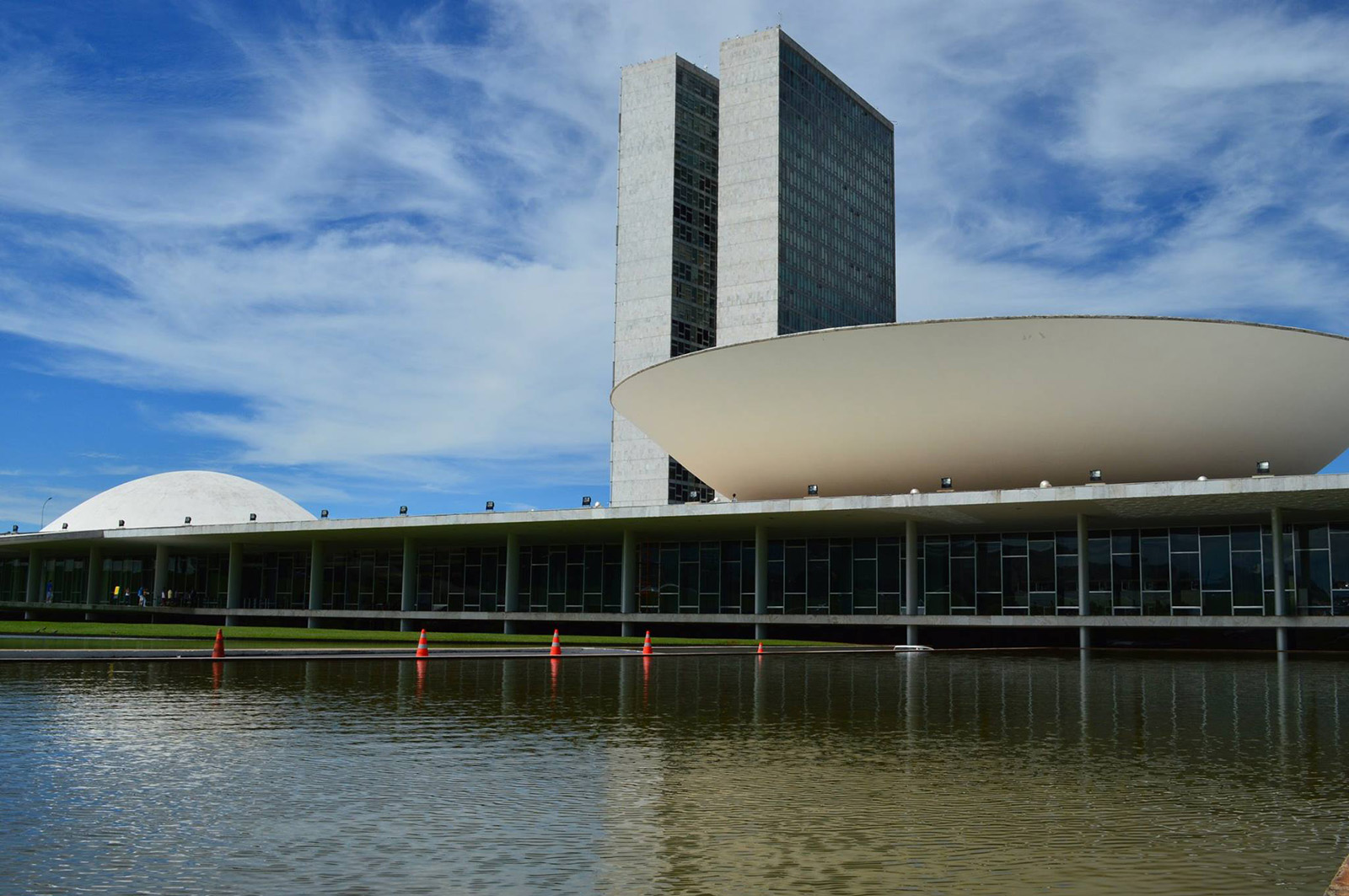
The Brazilian parliament recently resumed debates on a reform proposal for public administration. Nayara Albrecht argues that although the proposal claims to target privileges, it risks undermining the integrity of public administration. She suggests that the agenda should also address disparities within the public sector Read more
Zoé Perko
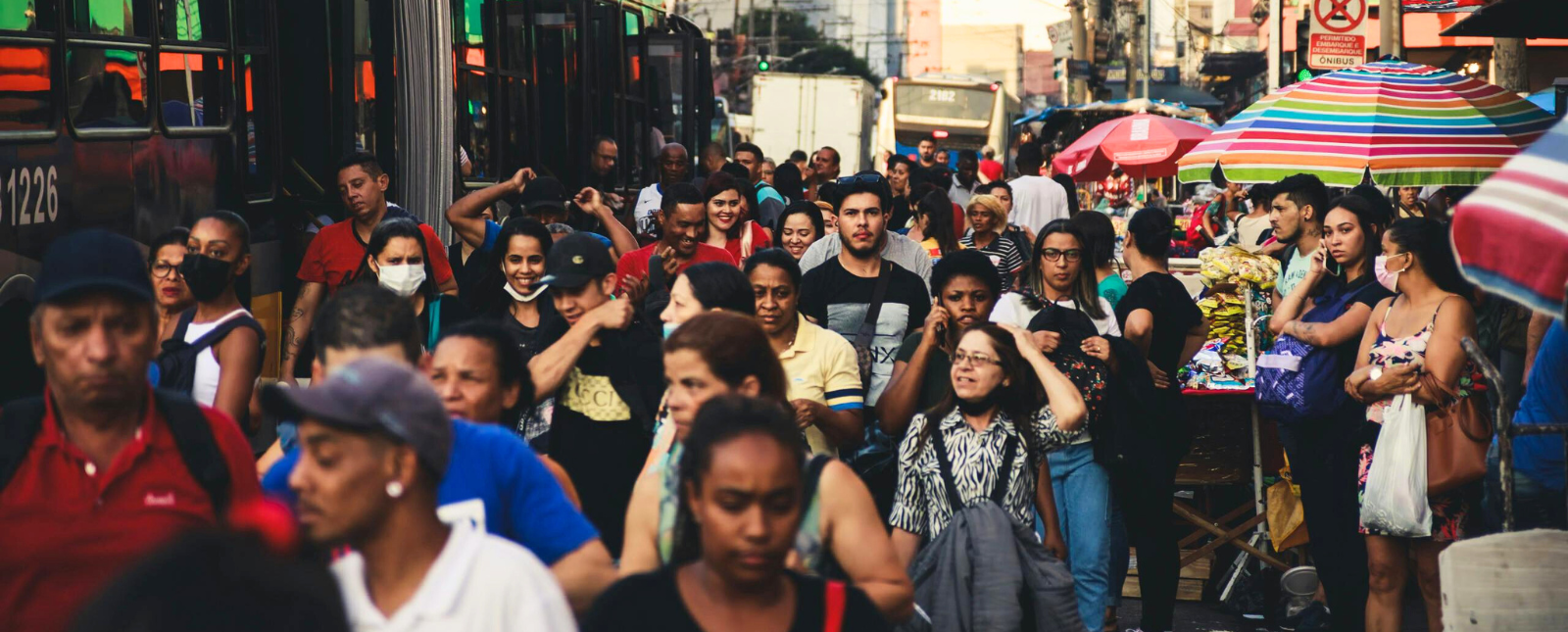
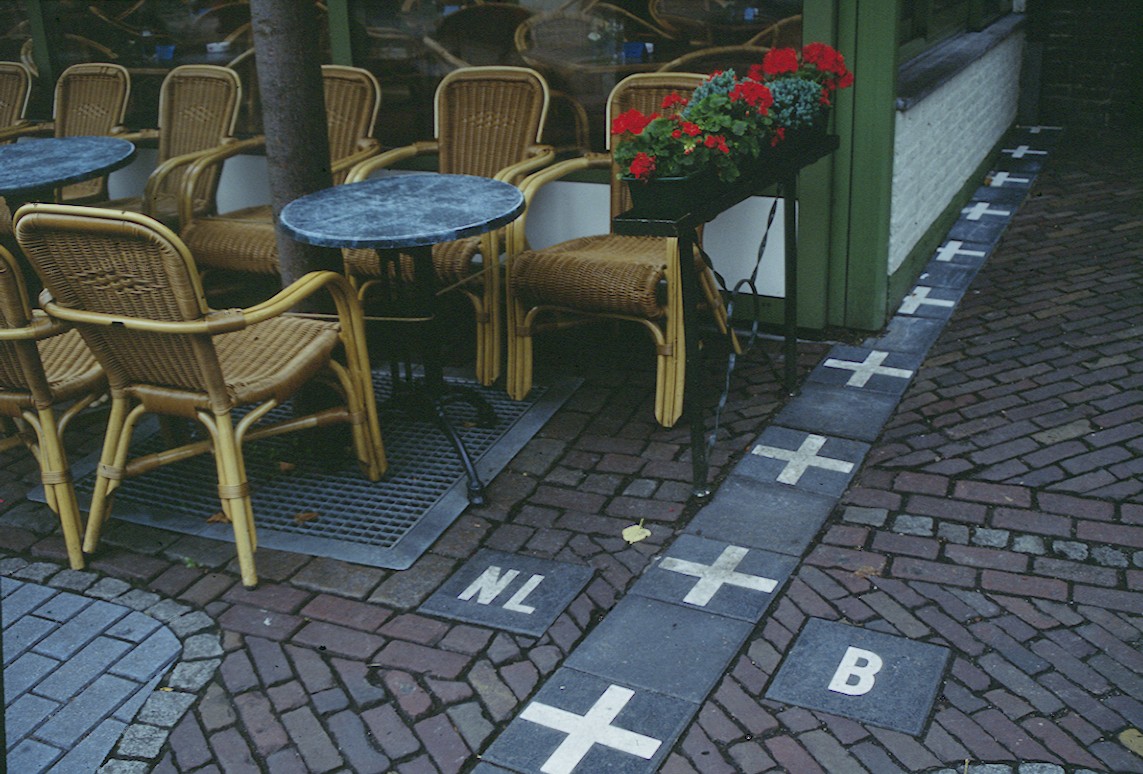
We tend to regard free movement as a legal and institutional achievement, but this view overlooks the lived realities in the Global South. Drawing on research in West Africa and South America, Zoé Perko shows how informal practices and historical networks redefine how ‘free movement’ really works Read more
Consuelo Thiers
Consuelo Thiers argues that Javier Milei is not merely shifting Argentina's foreign policy but dismantling its diplomatic institutions. As ideology replaces expertise, and institutional norms collapse, Argentina has become a stark example of how personalist leadership can upend international relations Read more
Luiza Januário
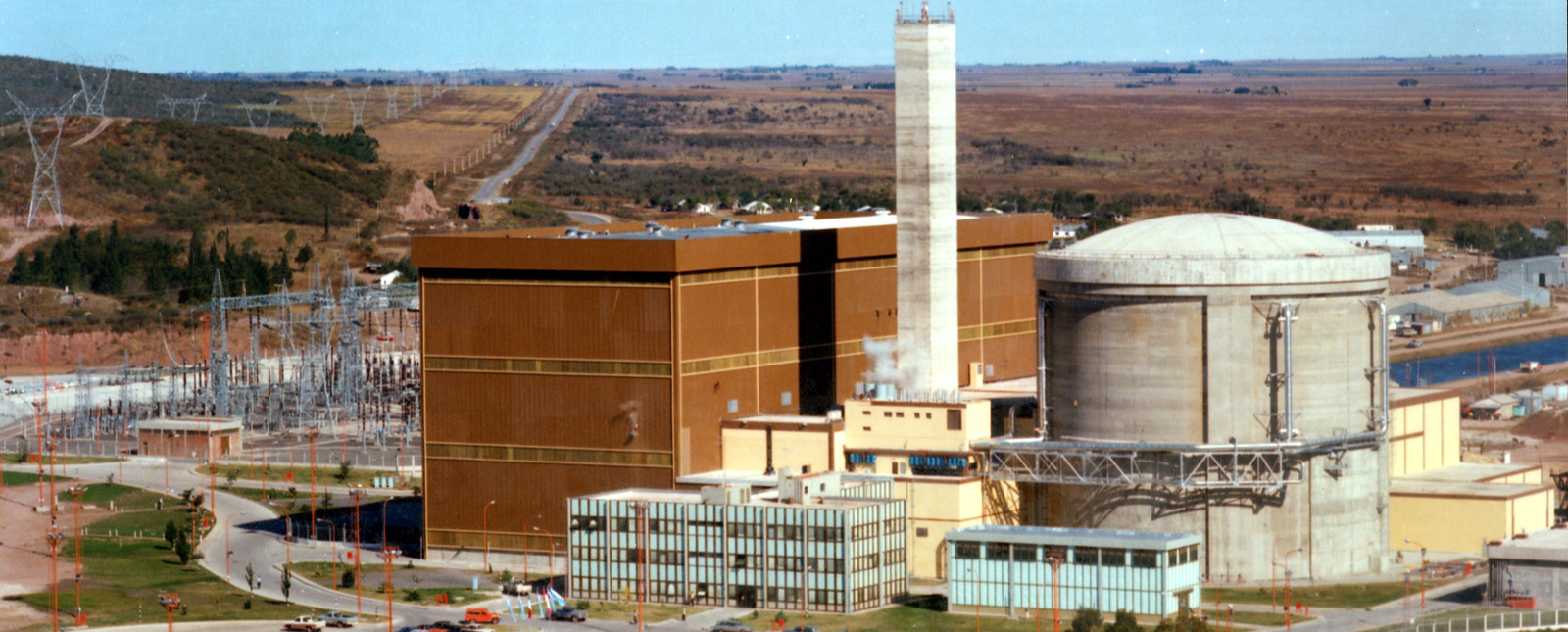
Luiza Januário argues that the threats and opportunities of nuclear technology are an intrinsically global matter. Here, she offers a South American perspective on the nuclear politics dilemma Read more
We use necessary cookies to make our site work. We'd also like to set analytics cookies that help us make improvements by measuring how you use the site. These will be set only if you accept.
▼
Strictly Necessary Cookies
Necessary cookies enable core functionality such as security, network management, and accessibility. You may disable these by changing your browser settings, but this may affect how the website functions.
▼
Analytics Cookies
Google Analytics
We'd like to set Google Analytics cookies to help us improve our website by collecting and reporting information on how you use it. The cookies collect information in a way that does not directly identify anyone. For more information on how these cookies work please see our Privacy Notice.