Joana Lilli Hofstetter
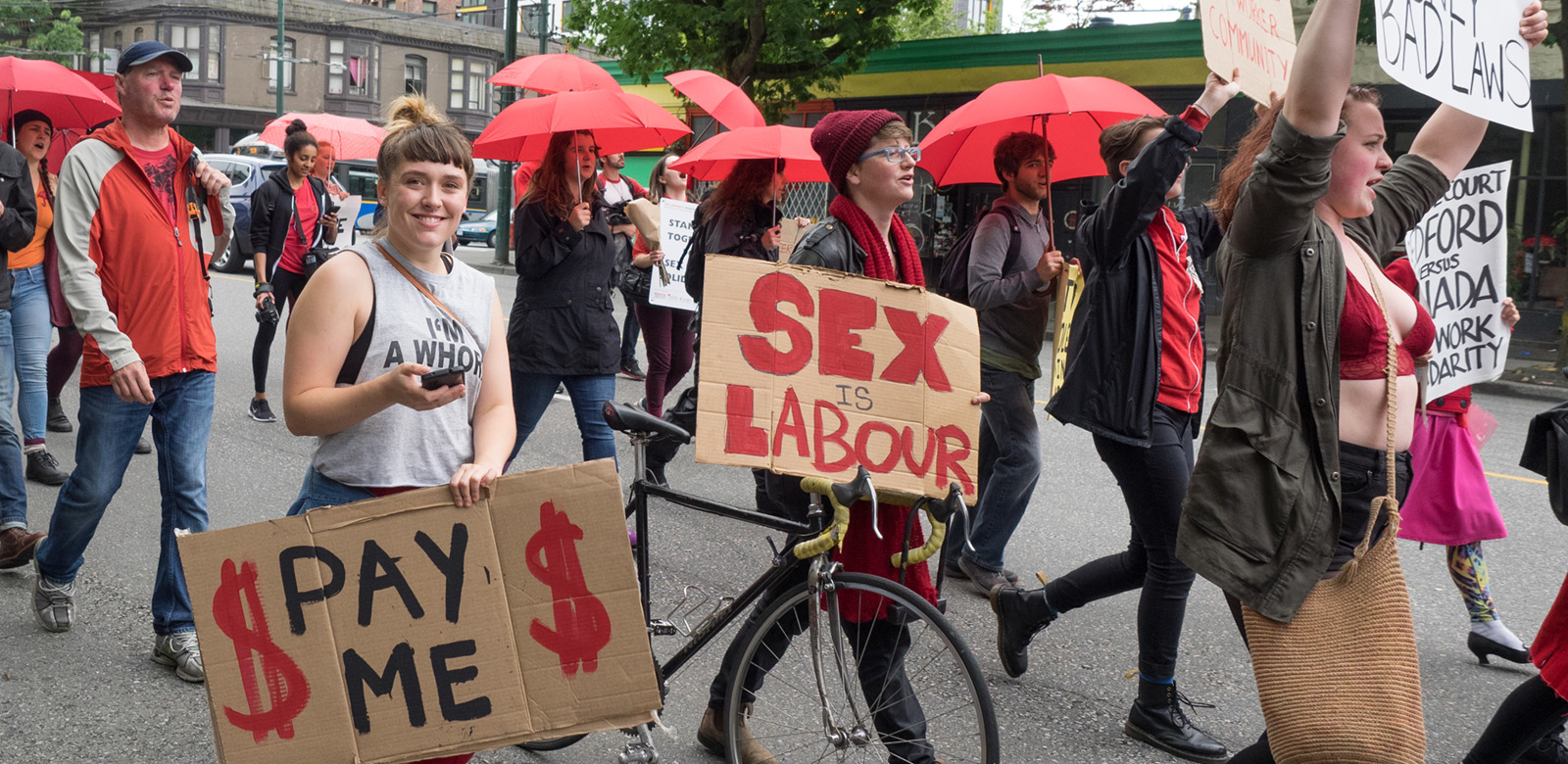
Analyses of the opposition against gender equality in Europe mostly address the opponents of women’s rights as inherently anti-democratic, and feminist actors as democratic by definition. But Joana Lilli Hofstetter and Lucrecia Rubio Grundell use sex work as an example of how anti-democratic backlashes against women’s rights can also be promoted by feminist actors Read more
Catherine Eschle
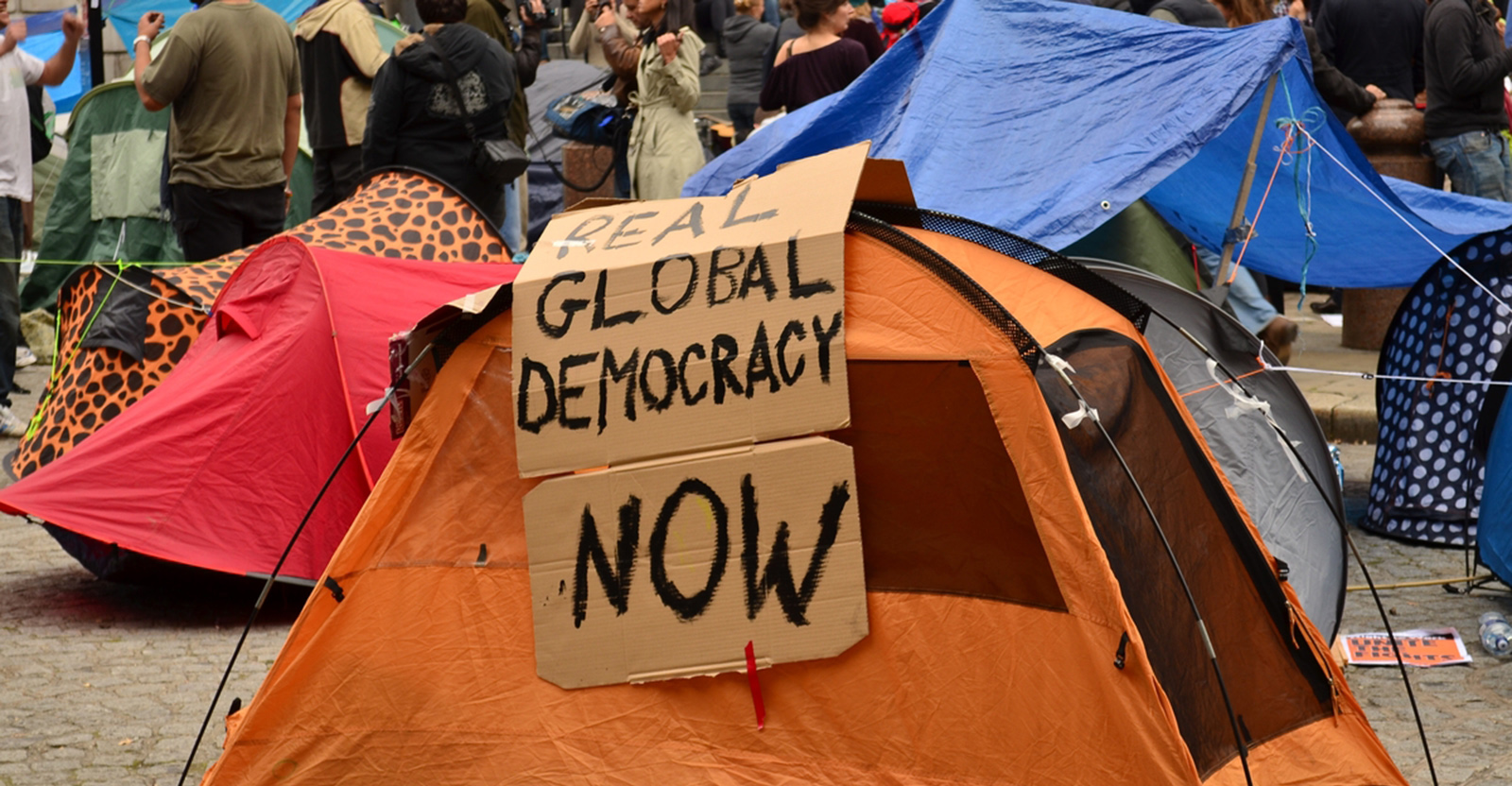
In a new edited book, Catherine Eschle argues that protest camps are important spaces of feminist struggle. Here, she asks: are protest camps a site of 21st century feminist democracy? Read more
Ragnhild Louise Muriaas
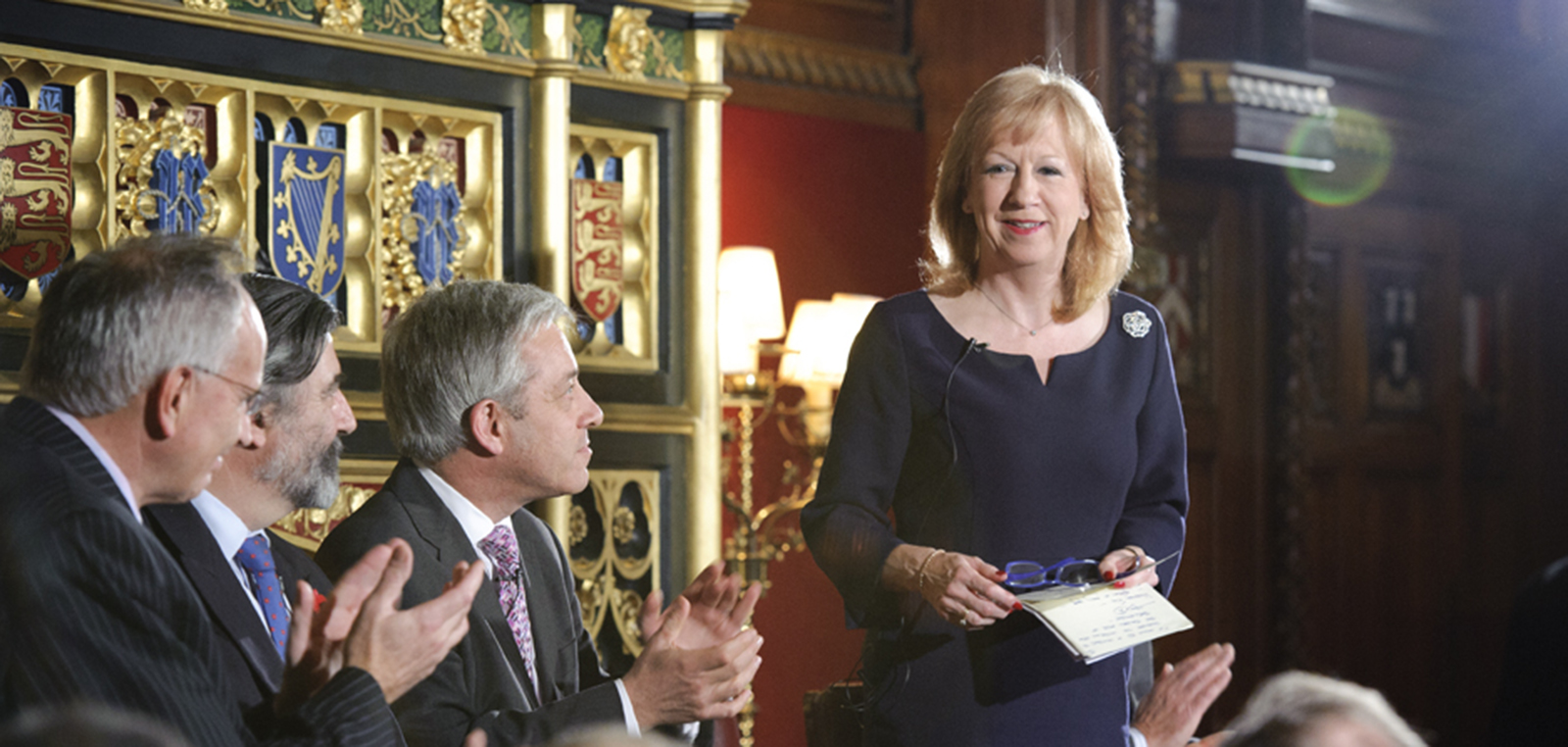
In recent decades, women across the globe have entered parliaments in greater numbers. Few of them, however, end up as senior MPs with long experience. This, write Ragnhild Louise Muriaas and Torill Stavenes, means that women – even in advanced democracies – are still much less powerful than men in parliaments Read more
Yuting Alina He
As gender becomes an increasingly heated issue in China, He Yuting and Ruairidh Brown explore how the ‘female boxer’ has become a key disciplinary image in this struggle – and how it can be contested Read more
Daniela Donno
Gender-washing regimes pay lip service to liberal norms, but reforms tend to be top-down and symbolic. To advance women’s rights, we need to pay attention to the question of how de jure legal rights can be effectively claimed and experienced by women, according to Daniela Donno Read more
Flávia Biroli
Under Bolsonaro, Brazilians experienced flagrant setbacks in gender rights and policies. Flávia Biroli and Luciana Tatagiba assess the roots of these changes, which targeted participatory institutions and practices. The effects have been profound, highlighting the difficulties for Brazil's new government of turning the tide on anti-feminism Read more
Marian Sawer
Since 1975, feminists have helped establish new international frameworks requiring national governments to promote gender equality. Success at this level, writes Marian Sawer, inadvertently sowed the seeds of populist campaigns against foreign interference with national values Read more
Emanuela Lombardo
As far-right populist political parties and anti-gender movements gather momentum across Europe, democracy and gender equality come under increasing threat. Emanuela Lombardo shows how a concomitant rise in attacks on gender equality accelerates the process of democratic decline Read more
We use necessary cookies to make our site work. We'd also like to set analytics cookies that help us make improvements by measuring how you use the site. These will be set only if you accept.
▼
Strictly Necessary Cookies
Necessary cookies enable core functionality such as security, network management, and accessibility. You may disable these by changing your browser settings, but this may affect how the website functions.
▼
Analytics Cookies
Google Analytics
We'd like to set Google Analytics cookies to help us improve our website by collecting and reporting information on how you use it. The cookies collect information in a way that does not directly identify anyone. For more information on how these cookies work please see our Privacy Notice.