Milen Lyubenov
Milen Lyubenov and Dragomir Stoyanov argue that the Bulgarian parliamentary elections of April 2026 may well have resolved a five-year political crisis through a landslide victory for ex-President Rumen Radev’s new political formation, ‘Progressive Bulgaria’ Read more
Maike Bernhard-Rump
Maike Bernhard-Rump argues that citizens’ trust in elections is shaped less by actual risks than by how they imagine them. Drawing on evidence from Germany and Austria, she shows why perceptions of voting security — not digital threats — play a decisive role in shaping electoral confidence Read more
Sonja Priebus
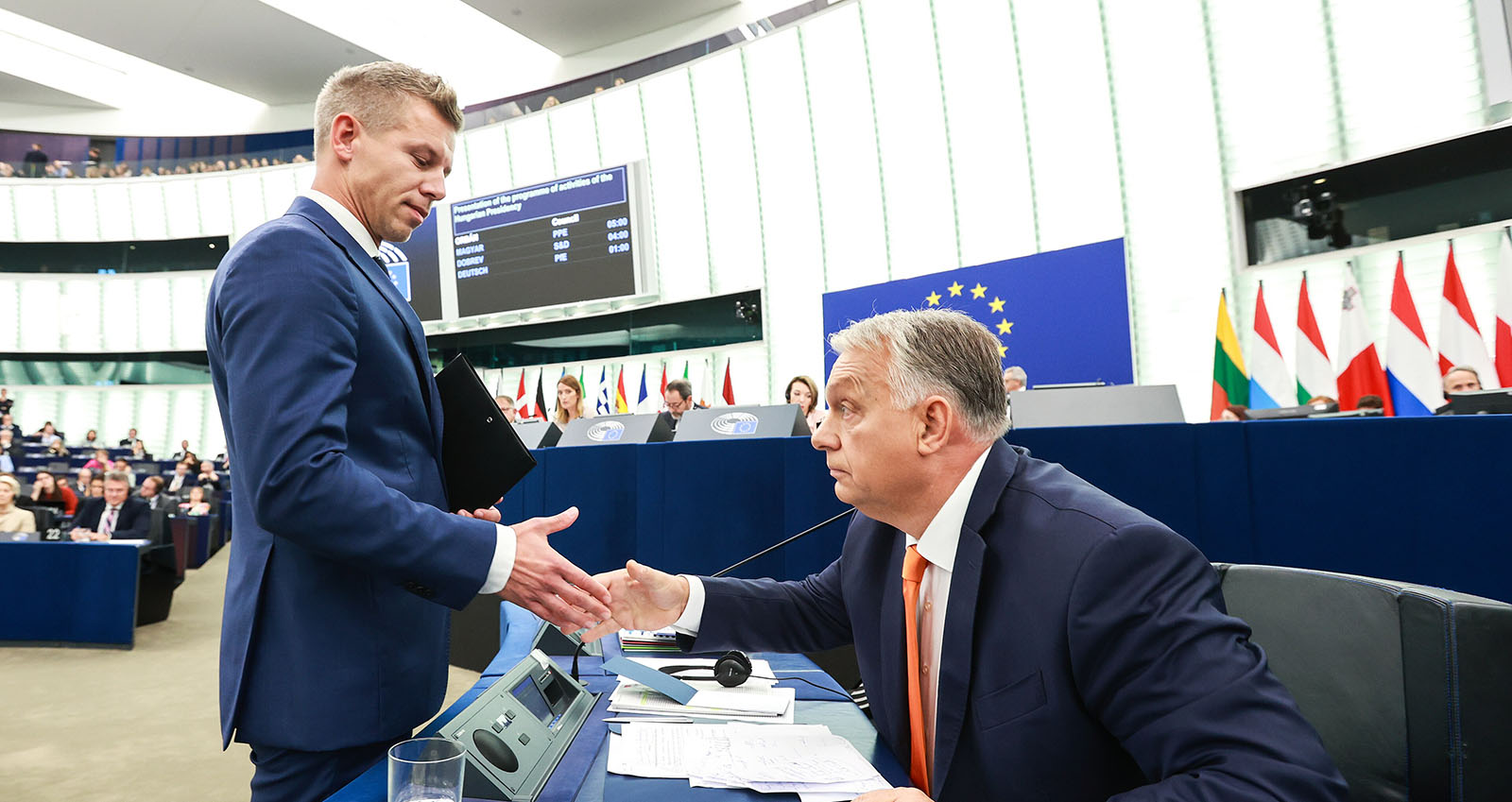
Sonja Priebus argues that the key to Péter Magyar’s landslide victory lay in the incumbent regime’s vulnerability. Magyar’s emergence on the political scene in 2024 caused a crack in the system, and triggered a shift in expectations that enabled Tisza’s victory Read more
Endre Borbáth
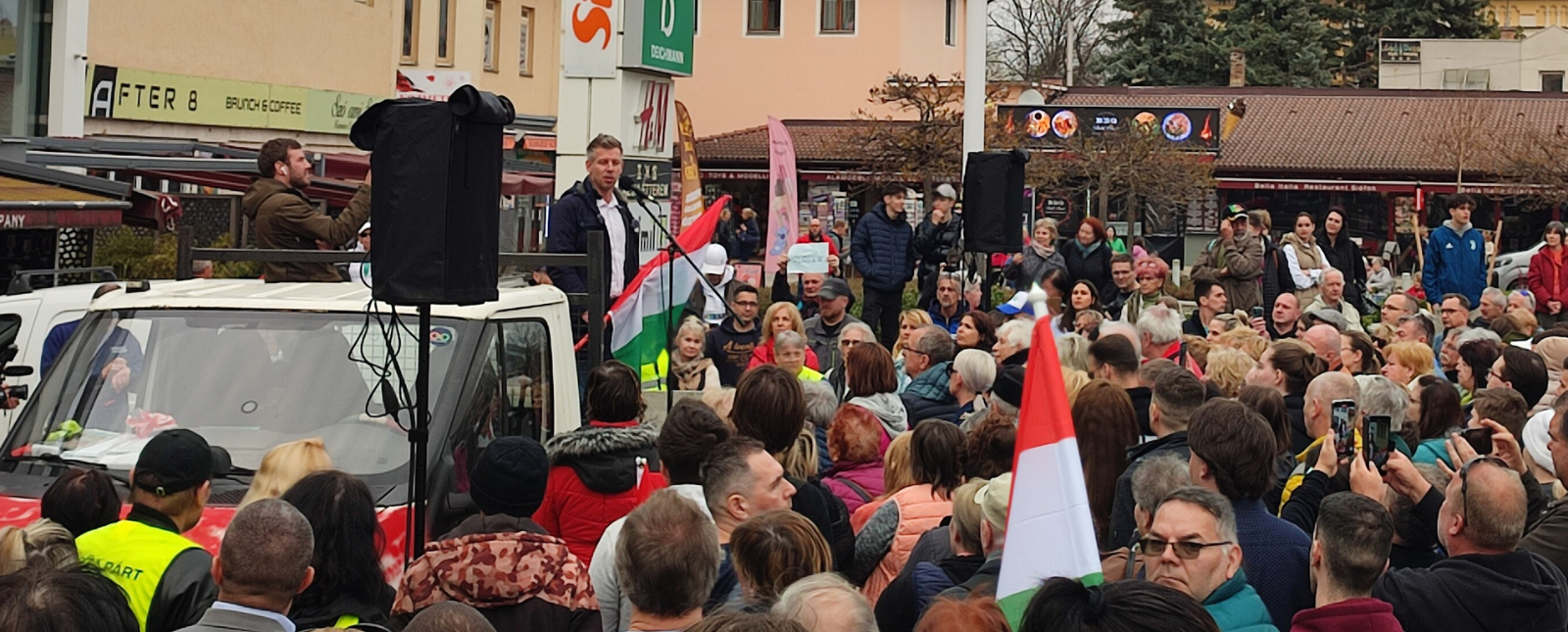
Endre Borbáth argues that Tisza’s breakthrough in Hungary was not simply the product of anti-incumbent anger or Péter Magyar’s personal appeal. It rested on a combination of cross-cutting grievances, participatory organisation, and intensive campaigning that turned a new party into a credible vehicle for regime change Read more
Katinka Linnamäki
In this year’s election campaign, argue Katinka Linnamäki and Emilia Palonen, Orbán is facing a formidable, new force. Emerging from the Fidesz cadres in 2023, Péter Magyar launched his attack on Orbán. He has since managed to avoid many of the pitfalls of polarisation that have favoured Orbán previously Read more
We use necessary cookies to make our site work. We'd also like to set analytics cookies that help us make improvements by measuring how you use the site. These will be set only if you accept.
▼
Strictly Necessary Cookies
Necessary cookies enable core functionality such as security, network management, and accessibility. You may disable these by changing your browser settings, but this may affect how the website functions.
▼
Analytics Cookies
Google Analytics
We'd like to set Google Analytics cookies to help us improve our website by collecting and reporting information on how you use it. The cookies collect information in a way that does not directly identify anyone. For more information on how these cookies work please see our Privacy Notice.