Şule Yaylacı
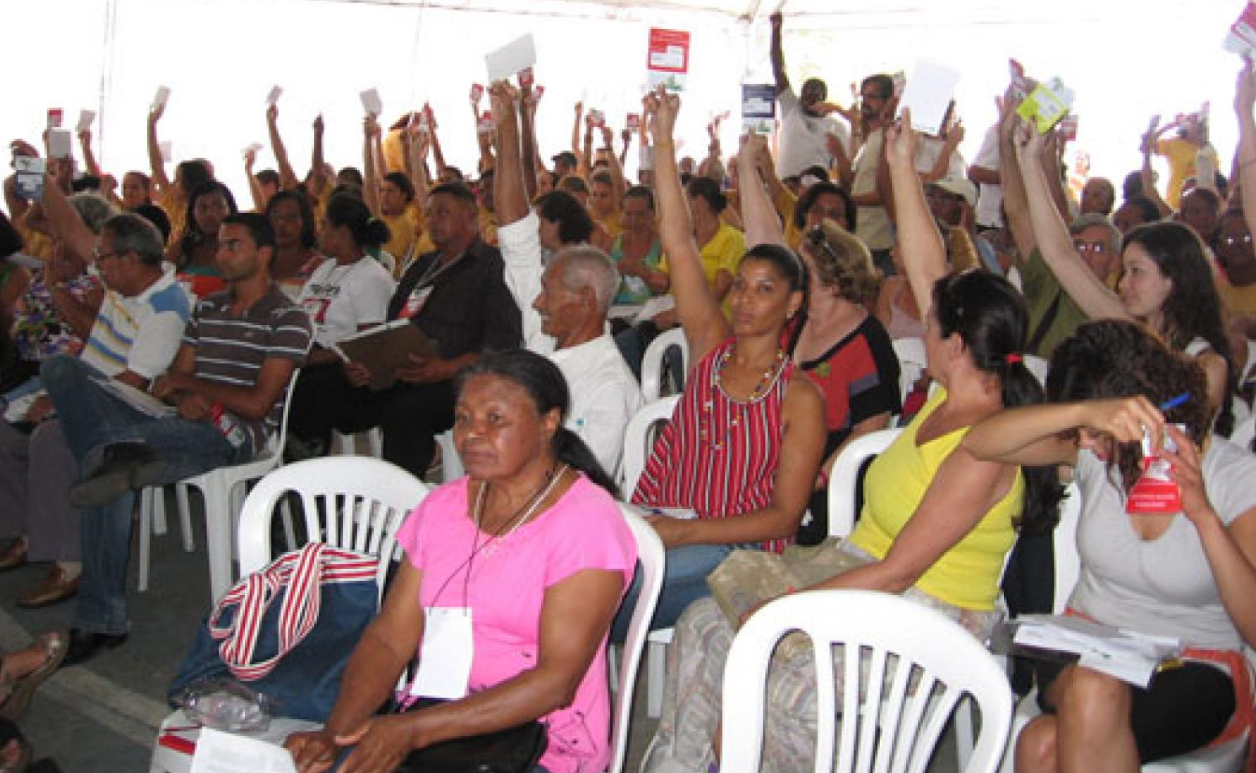
Elected politicians face rising mistrust, gridlock, and citizen disengagement. In their research, Şule Yaylaci, Edana Beauvais and Mark E. Warren show how democratic innovations can help elites tackle inclusion gaps, agenda-setting dilemmas, and decision-making deadlocks. The authors also highlight the risks of co-optation and 'democracy washing' Read more
Dario Castiglione
In his introductory piece for this series, Luca Verzichelli asked whether we can re-establish a connection between political institutions and citizens. Dario Castiglione suggests we can. But first, we must rethink democratic representation as a process of mutual engagement; then re-imagine its political practices and institutions Read more
Silvia Díaz Fernández
Research on digital violence must account for its metapolitical dimension. Silvia Díaz Fernández reveals how proponents of the far-right metapolitical project are shaping public discourse to fit their anti-democratic interests. Digital violence against women, racialised people and queer communities is all part of their strategy Read more
Zsófia Papp
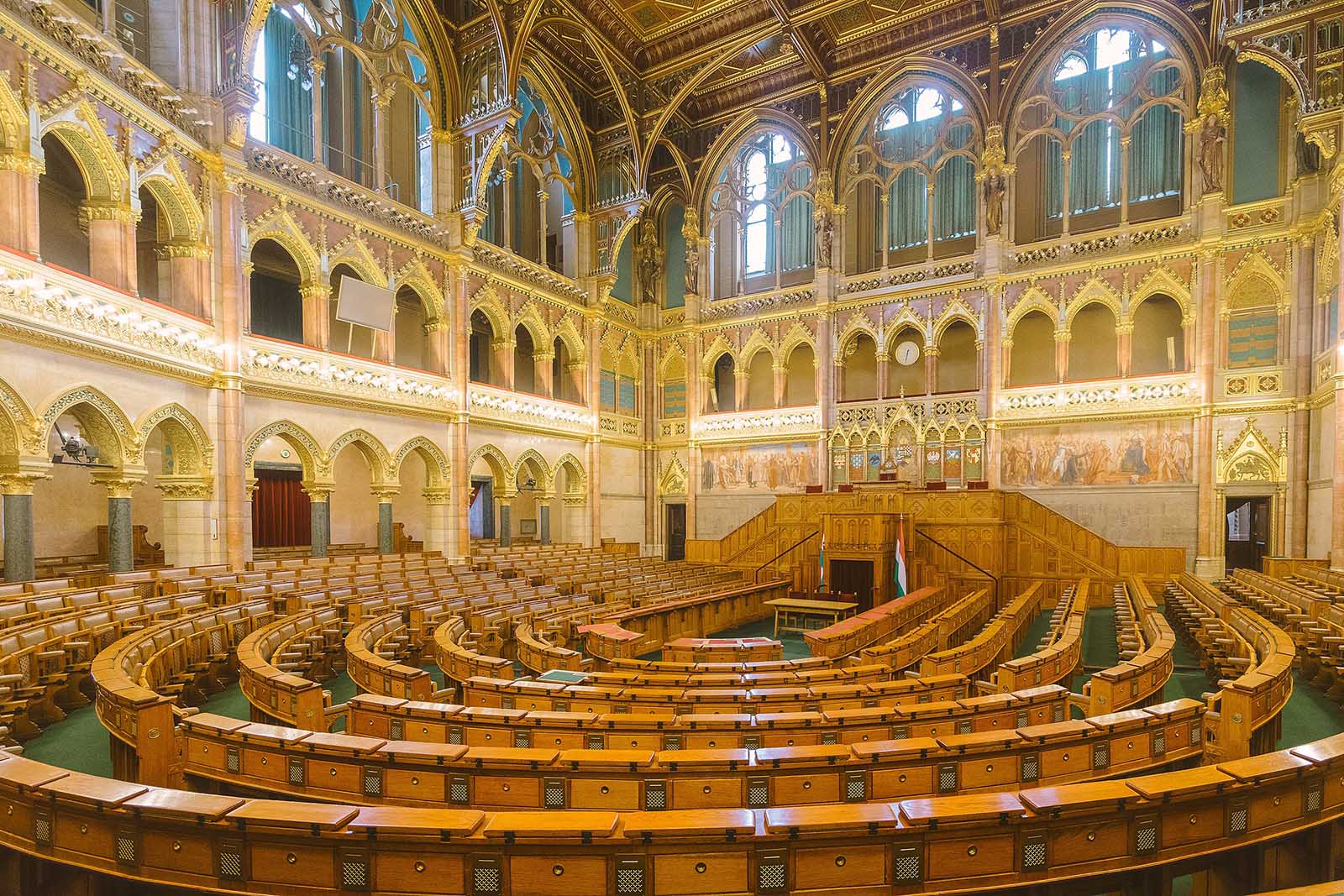
Zsófia Papp and Godfred Bonnah Nkansah show that during Covid-19, Hungarians judged the quality of democracy less by procedural norms and more by government performance. Their findings reveal when citizens in backsliding regimes accept violations of democratic standards – and when they refuse to compromise Read more
Marco Improta
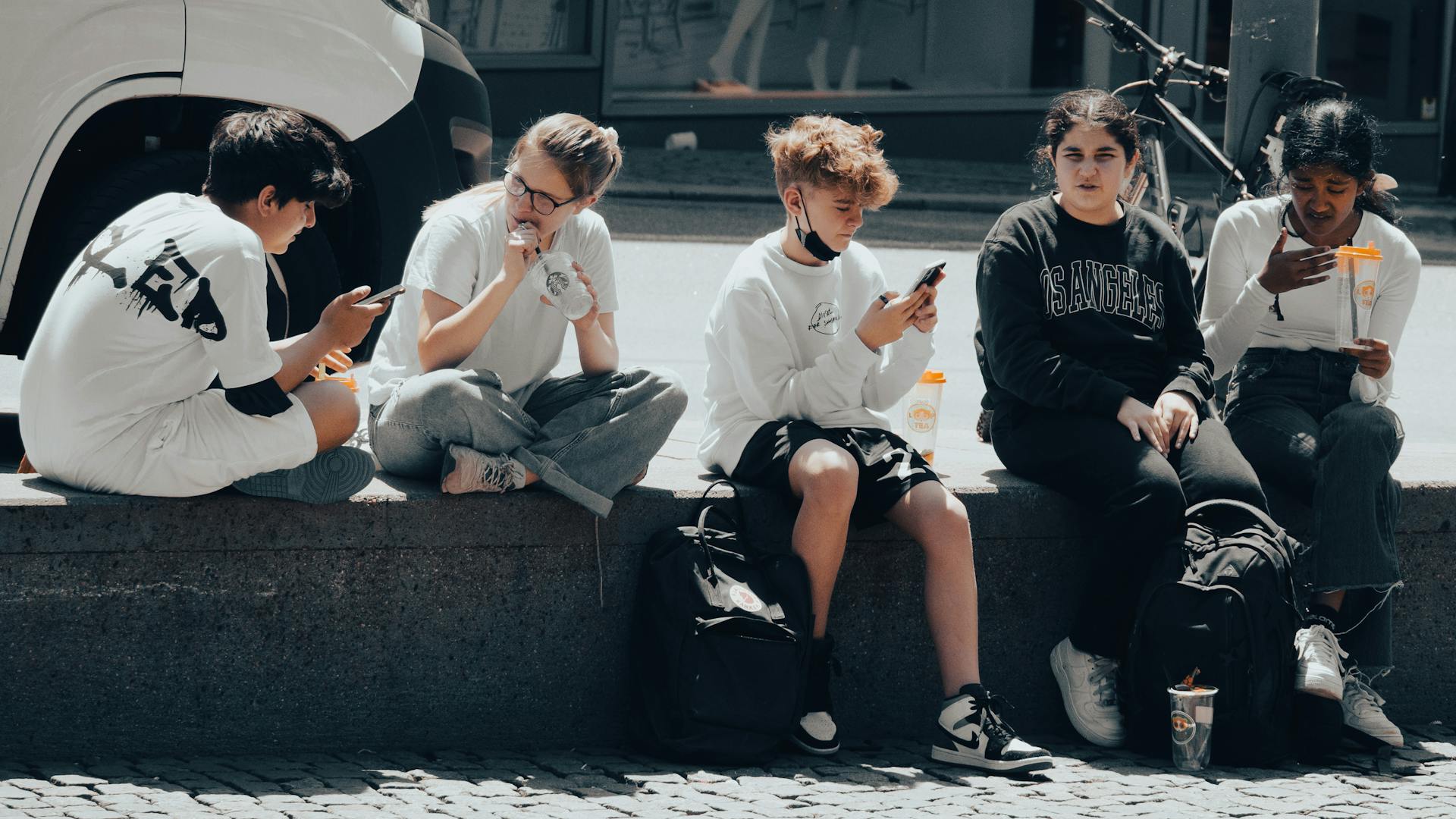
Who benefits from feminism, and who loses from it? Marco Improta and Elisabetta Mannoni reveal an ideological gap between young men and women across Europe. This gap – strong in the UK, but absent in Norway – may relate to perceptions of the 'winners and losers' of feminism Read more
We use cookies to ensure that we give you the best experience on our website. If you continue to use this site we will assume that you are happy with it.