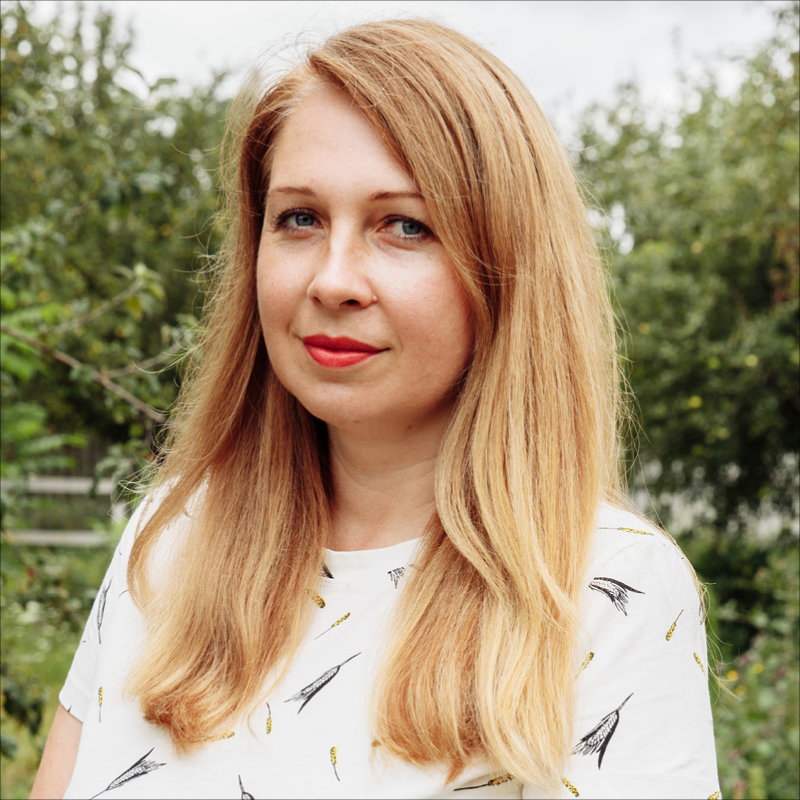
Information warfare has moved to the centre of the UK’s security agenda, says Yuliia Turchenko. Media monitoring reveals how digital manipulation and foreign interference now shape public understanding of risk. Here, the author weighs up the threat, and suggests how the UK should respond
Research Fellow, Department of Political Economy, King’s College London / Senior Researcher, Taras Shevchenko National University of Kyiv
Yuliia is a political scientist with a sharp focus on how information shapes national security.
She bridges academic research with real-world policy challenges.
Yuliia’s journey in political science started at Taras Shevchenko National University of Kyiv, where she earned her Bachelor’s, Master’s, and PhD.
Over the years, her work has explored how states manage information and the growing threat of disinformation.
Beyond academia, Yuliia has always been deeply engaged in civic initiatives. She coordinated the Student Youth Council at her alma mater and launched projects to encourage young people to consider military service — demonstrating her belief in the importance of informed, engaged citizens.
Her innovative work has earned her multiple prestigious fellowships and grants, including support from the British Academy, Cara, Leverhulme, and the IT for Women programme, as well as participation in the Erasmus Staff Mobility programme in Bulgaria and Portugal.
In 2025–26, she joins the British Academy Early-Career Research Network (ECRN) Leadership SHAPE Programme, continuing her commitment to shaping future leaders in her field.
Yuliia is a member of the British Academy Early Career Researcher Network, the Political Studies Association, and the KCLSU Students’ Union, reflecting her dedication to academic collaboration and community engagement.
We use necessary cookies to make our site work. We'd also like to set analytics cookies that help us make improvements by measuring how you use the site. These will be set only if you accept.
▼
Strictly Necessary Cookies
Necessary cookies enable core functionality such as security, network management, and accessibility. You may disable these by changing your browser settings, but this may affect how the website functions.
▼
Analytics Cookies
Google Analytics
We'd like to set Google Analytics cookies to help us improve our website by collecting and reporting information on how you use it. The cookies collect information in a way that does not directly identify anyone. For more information on how these cookies work please see our Privacy Notice.