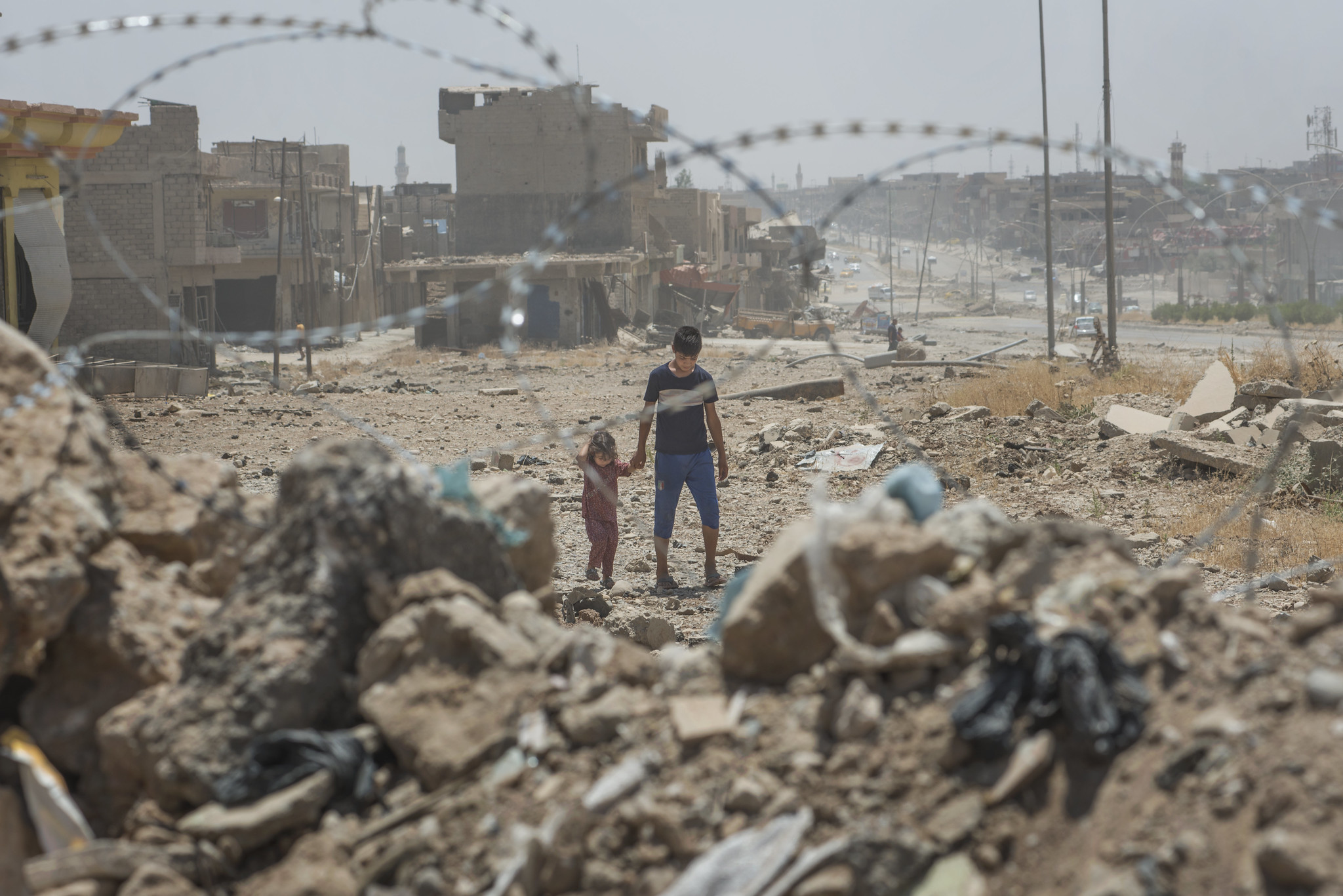
Syrian refugees face multiple challenges in returning to their homeland. The threat of violence may have ended, but the destruction of infrastructure, along with social and economic instability, make return unlikely. Ümit Seven shows how prolonged displacement has led many Syrians to rebuild their lives elsewhere. Many, he argues, have created a 'pragmatic home' in host countries
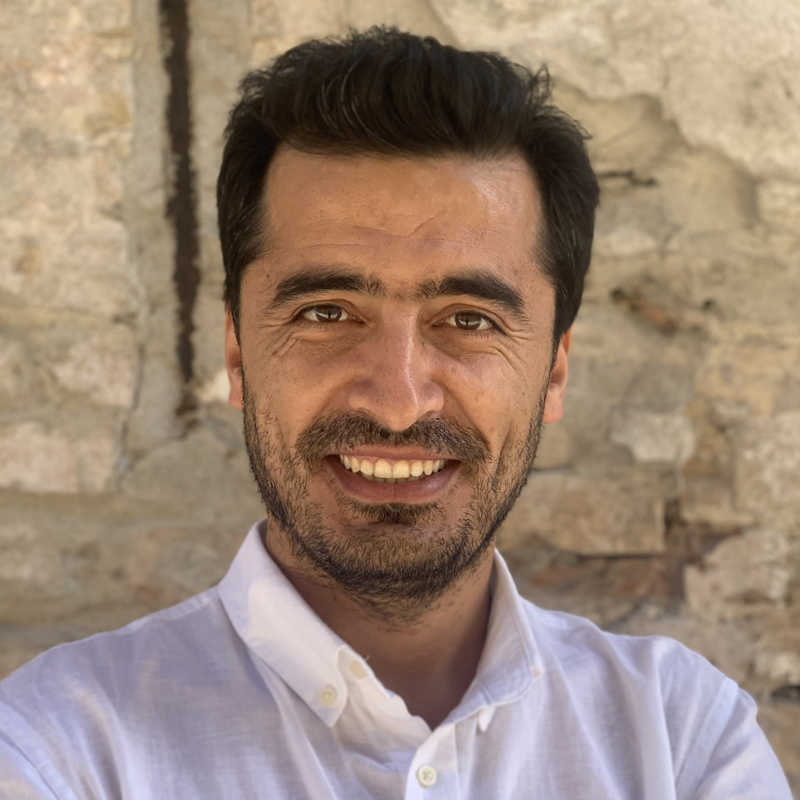
Postdoctoral Researcher, Middle East Technical University, Ankara
Ümit holds a PhD in Area Studies from Middle East Technical University in Ankara.
His research focuses on forced displacement, humanitarian action, and the intersection of governance and sovereignty in conflict-affected countries.
His most recent research examined how the Syrian regime used state violence and bureaucratic obstacles to assert control over humanitarian aid, compelling organisations like the United Nations to navigate and reinforce its sovereignty in the Syrian civil war.
Ümit has been a Guest Researcher at the Center for Security Studies (CSS), ETH Zürich and a Visiting Doctoral Researcher at Sciences Po in Paris.
With over a decade of experience in international organisations, including the United Nations Development Programme (UNDP) and the World Food Programme (WFP), he has contributed to humanitarian and development efforts in Turkey.
Earlier in his career, he worked as an Aide to ISAF’s Regional Command in Kabul, Afghanistan, supporting high-level military operations and strategic decisions.
We use necessary cookies to make our site work. We'd also like to set analytics cookies that help us make improvements by measuring how you use the site. These will be set only if you accept.
▼
Strictly Necessary Cookies
Necessary cookies enable core functionality such as security, network management, and accessibility. You may disable these by changing your browser settings, but this may affect how the website functions.
▼
Analytics Cookies
Google Analytics
We'd like to set Google Analytics cookies to help us improve our website by collecting and reporting information on how you use it. The cookies collect information in a way that does not directly identify anyone. For more information on how these cookies work please see our Privacy Notice.