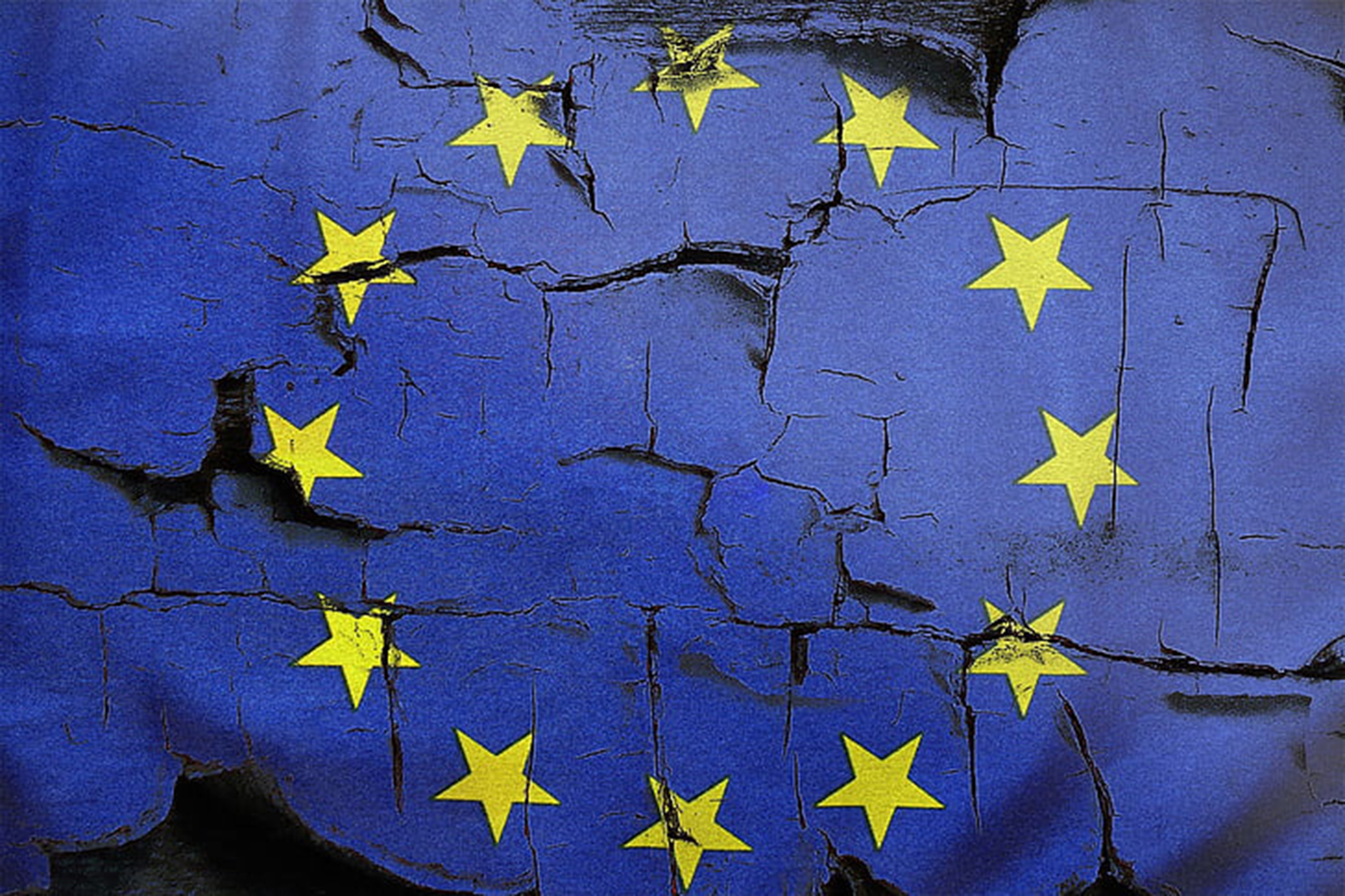
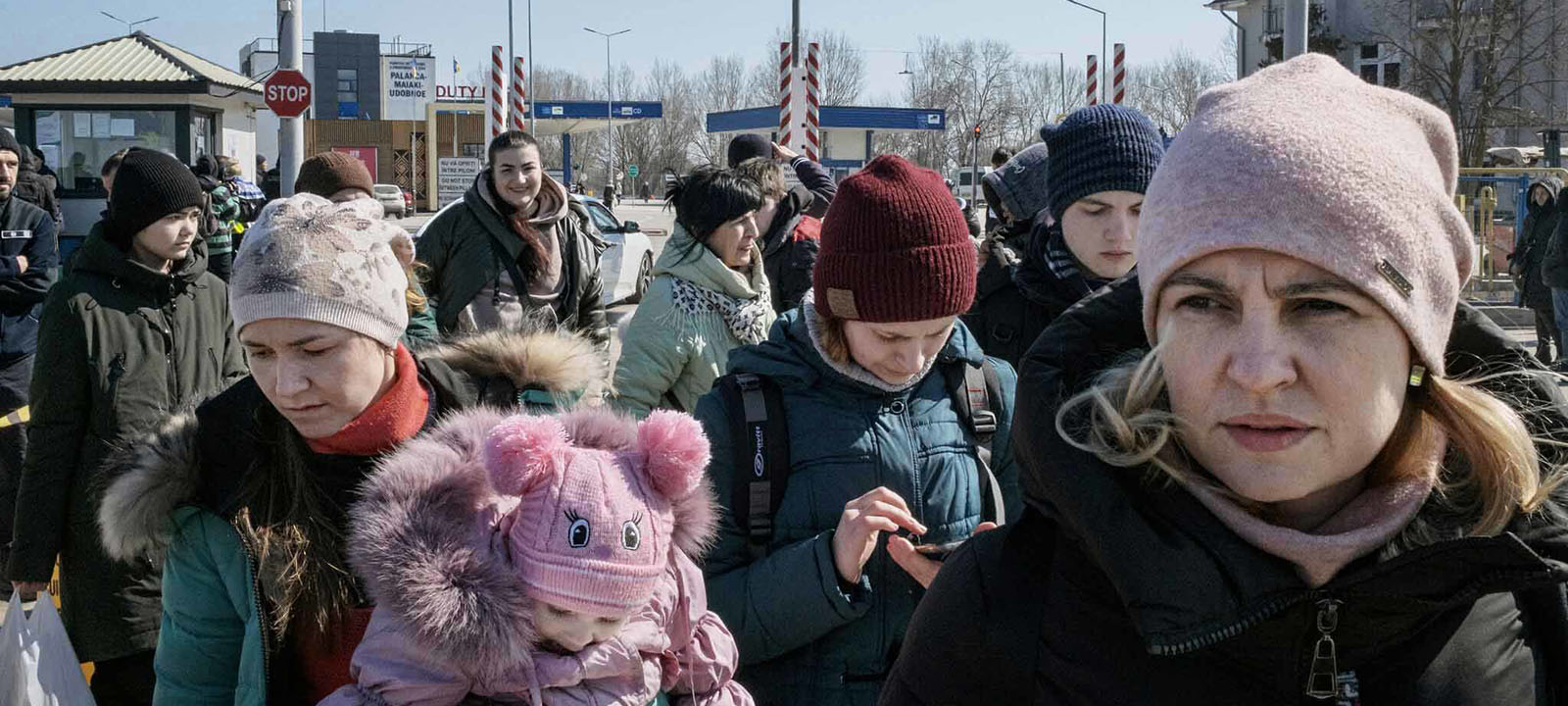
Scholars and the media often portray the ongoing polycrisis as undermining the EU’s self-understanding. This has led observers to describe the EU as an ‘anxious community’. But Franziskus von Lucke and Thomas Diez find that, on the contrary, EU actors remain surprisingly confident. While this may look like a positive finding, the authors argue that the EU needs more, not less, anxiety to deal successfully with current and future challenges
The EU stands at a critical juncture, requiring a consorted commitment to revitalising and reforming a liberal international order, write Helene Sjursen, Viacheslav Morozov, Michela Ceccorulli, Enrico Fassi, Sonia Lucarelli, Senem Aydın-Düzgit, Thomas Diez, Franziskus von Lucke, Pol Bargués, Jonathan Joseph, Ana Juncos
Professor of International Relations, University of Tübingen
Thomas previously held positions at the University of Birmingham, the Copenhagen Peace Research Institute and the Mannheim Centre for European Social Reseaerch.
He has also taught in Aarhus, Munich and Victoria (BC).
His research focus on European integration and foreign policy, EU-Turkey relations, the Cyprus conflict, and climate change and global governance.
In September 2009, he received the Anna Lindh Award for his contribution to the field of European Foreign and Security Policy Studies.
Thomas was President of the European International Studies Association (EISA), 2015–2017.
We use necessary cookies to make our site work. We'd also like to set analytics cookies that help us make improvements by measuring how you use the site. These will be set only if you accept.
▼
Strictly Necessary Cookies
Necessary cookies enable core functionality such as security, network management, and accessibility. You may disable these by changing your browser settings, but this may affect how the website functions.
▼
Analytics Cookies
Google Analytics
We'd like to set Google Analytics cookies to help us improve our website by collecting and reporting information on how you use it. The cookies collect information in a way that does not directly identify anyone. For more information on how these cookies work please see our Privacy Notice.