



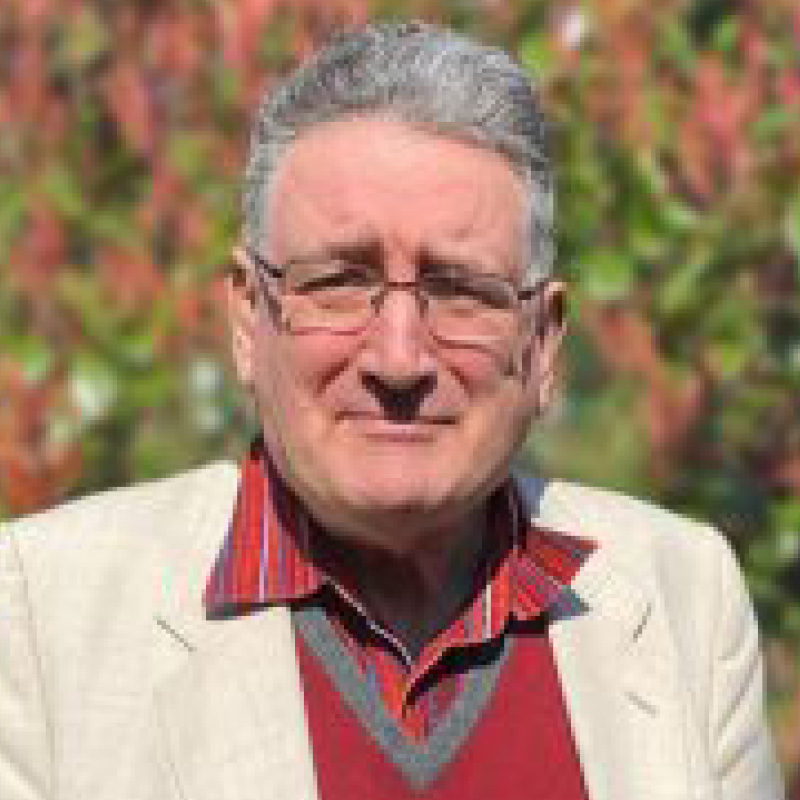
Titus’s current research focus is on institutions as social theory (‘Dynamic Social Theory’) and learning for democracy in higher education.
He teaches an L5 apprenticeship in Campaigning, Leadership and Management for leaders in the public sector and trade unions.
He has worked as Director of Education for non-profits, schools inspector, senior education officer in local government, Principal Lecturer in adult education and advisor to the EU Grundtvig adult education programme.
He founded Democracy Matters, a UK alliance for learning practical politics; Charter 99 for Global Democracy campaign, which influenced the Millennium Summit and led to the One World Trust’s Global Accountability Project, and co-founded the Parenting Education and Support Forum.
He created Uniting Humanity, a one-year EU trainer of trainers programme in global citizenship.
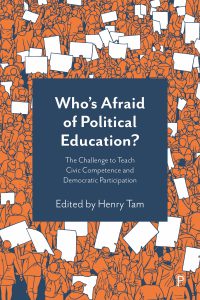
Publications include Universities’ Role in Teaching Practical Politics in Who’s Afraid of Political Education?
Policy Press, 2023
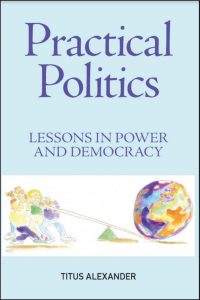
Practical Politics: Lessons in Power and Democracy
2017, UCL IOE-Trentham
Campaigning is OK! a 2009 guide to building capacity for campaigning
Learning Power
Campaign for Learning, 2007
Family Learning: Foundation of Effective Education
Demos, 1997
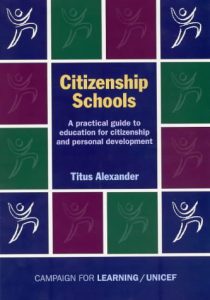
Citizenship Schools: A Practical Guide to Education for Citizenship and Personal Development
Southgate, 2001
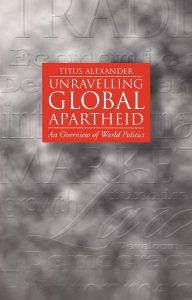
Unravelling Global Apartheid: An Overview of World Politics
Polity, 1996

