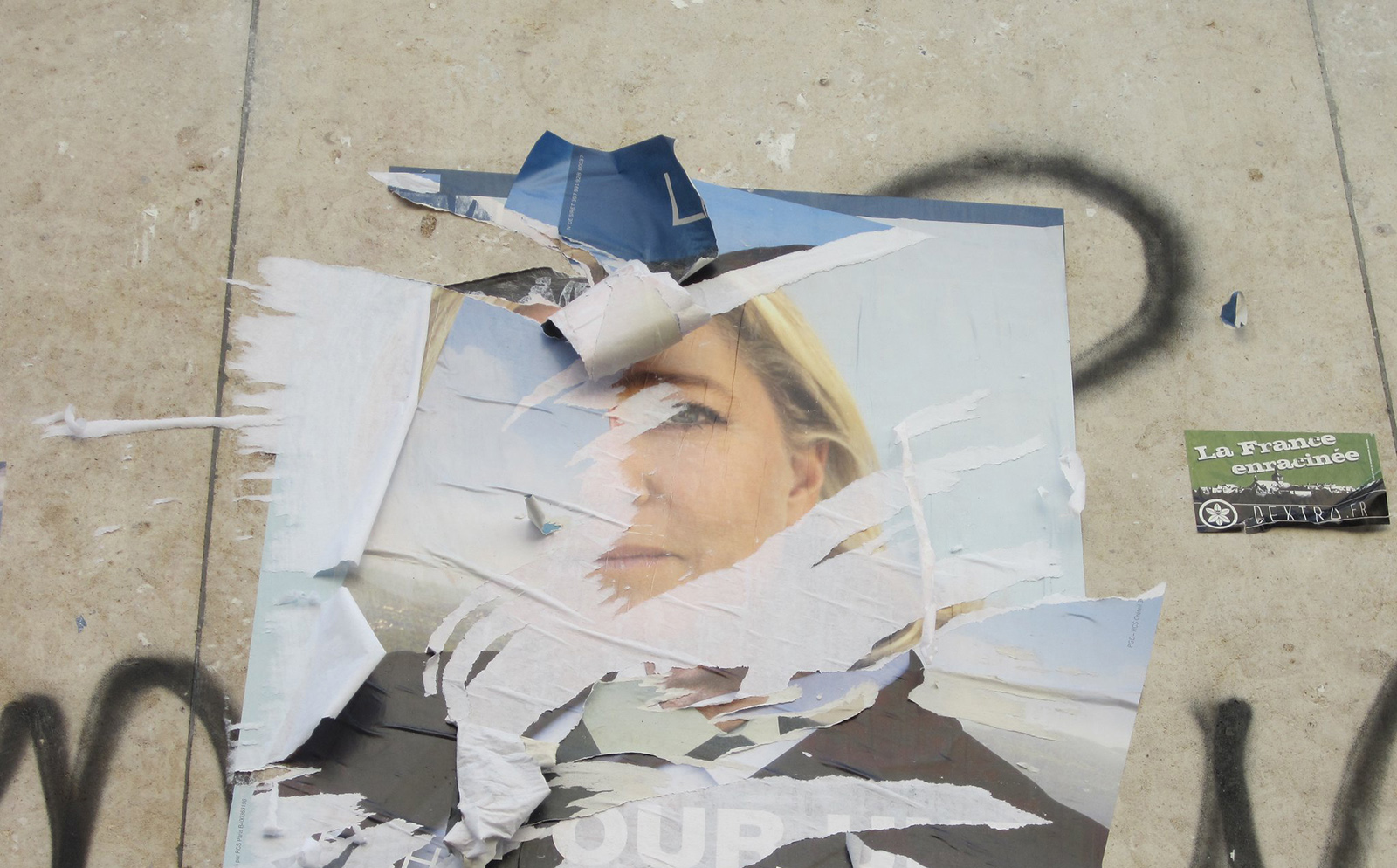
Populist leaders don’t just claim to represent the people – they embody them. Through strongman toughness or maternal guardianship, populists model idealised versions of a nation’s citizens, and they naturalise exclusion. Selina Mabrouki shows how contemporary populist leaders exploit gendered role models as tools of emotional persuasion
Master’s Student in Political Science, Stockholm University
Selina's research interests lie in populism and democratic theory, with a particular focus on gender, political leadership, and the affective dimensions of contemporary politics.
She is especially interested in how gendered representations shape inclusion and exclusion in contemporary populist movements.
Her work engages with feminist political theory and comparative perspectives on democracy.
We use necessary cookies to make our site work. We'd also like to set analytics cookies that help us make improvements by measuring how you use the site. These will be set only if you accept.
▼
Strictly Necessary Cookies
Necessary cookies enable core functionality such as security, network management, and accessibility. You may disable these by changing your browser settings, but this may affect how the website functions.
▼
Analytics Cookies
Google Analytics
We'd like to set Google Analytics cookies to help us improve our website by collecting and reporting information on how you use it. The cookies collect information in a way that does not directly identify anyone. For more information on how these cookies work please see our Privacy Notice.